










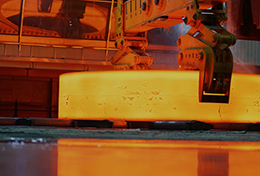


Seamless Rolled Ring for Marine Engineering: Applications and Forming Technology
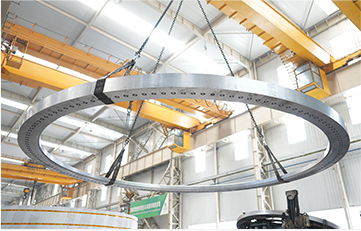
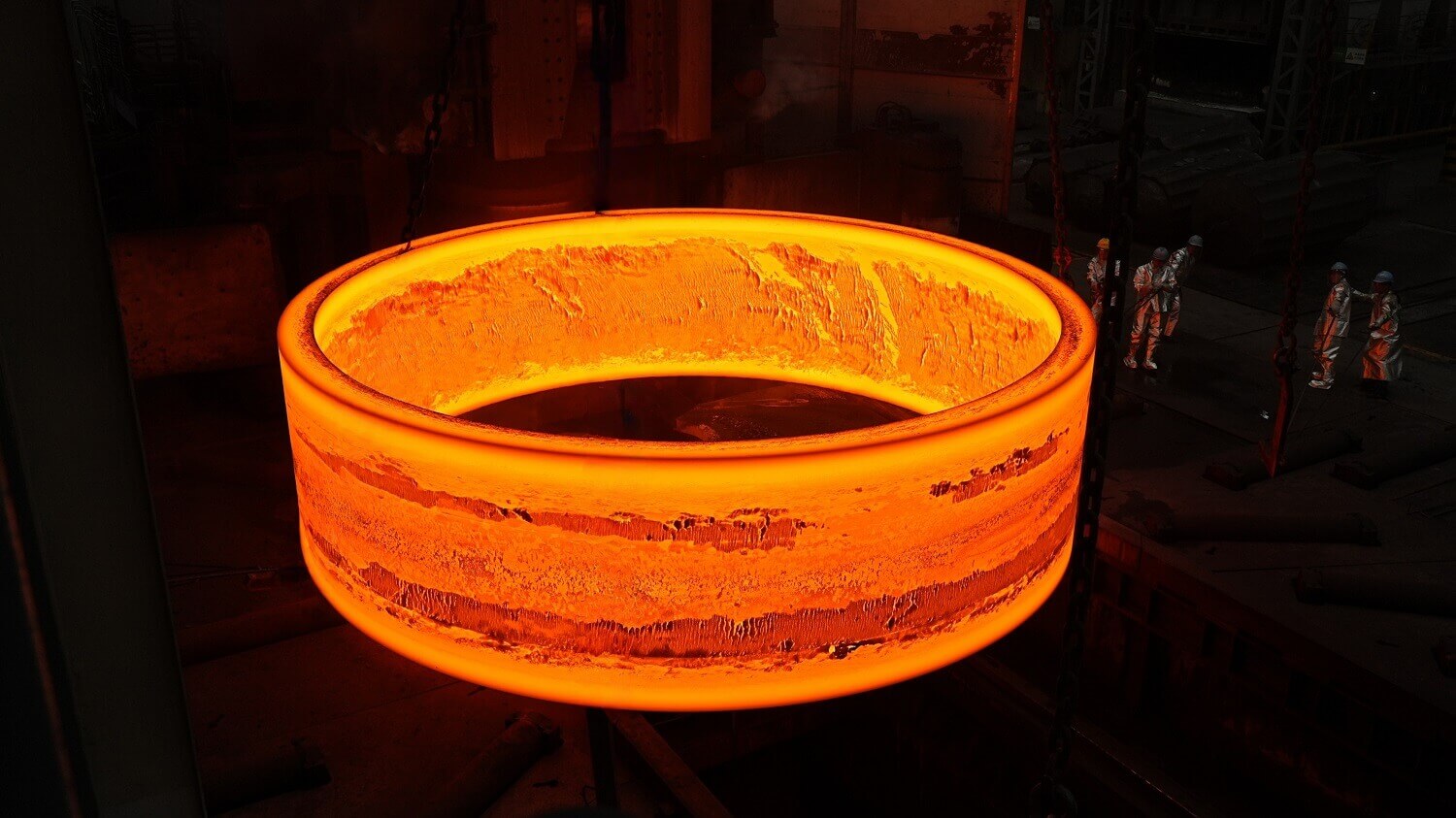
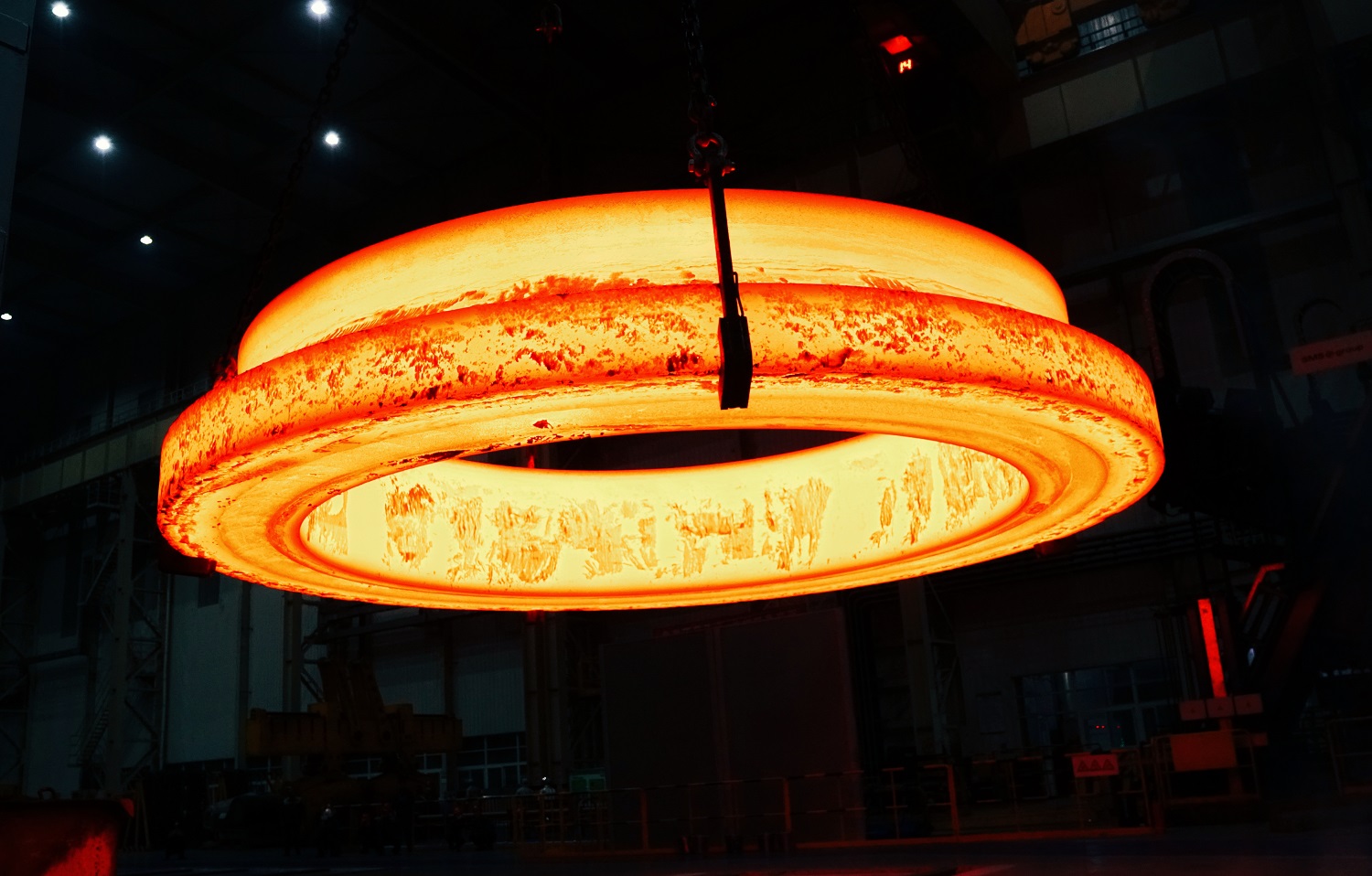
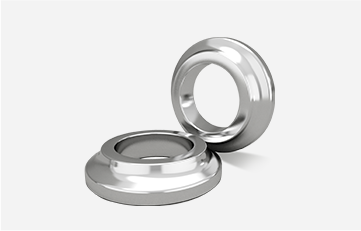
A seamless rolled ring for marine engineering is a one-piece ring forging used in offshore components such as large bearing rings, drive rings, and platform-related flanges. It is formed by piercing and rolling a solid billet rather than bending and welding material into a circular shape. The resulting ring has no circumferential weld joint.
The manufacturing requirements differ by component. A bearing ring belongs to a rotating assembly, a drive ring operates in pile-driving equipment, and a pile-leg flange forms part of an offshore structural connection. Their material specifications, section profiles, and machining requirements follow those different functions.
Iraeta supplies extra-large bearing rings, drive rings, and pile-leg flanges for offshore oil and gas platforms. Its marine engineering activities extend across offshore oil extraction, wind power construction, and resource exploration.
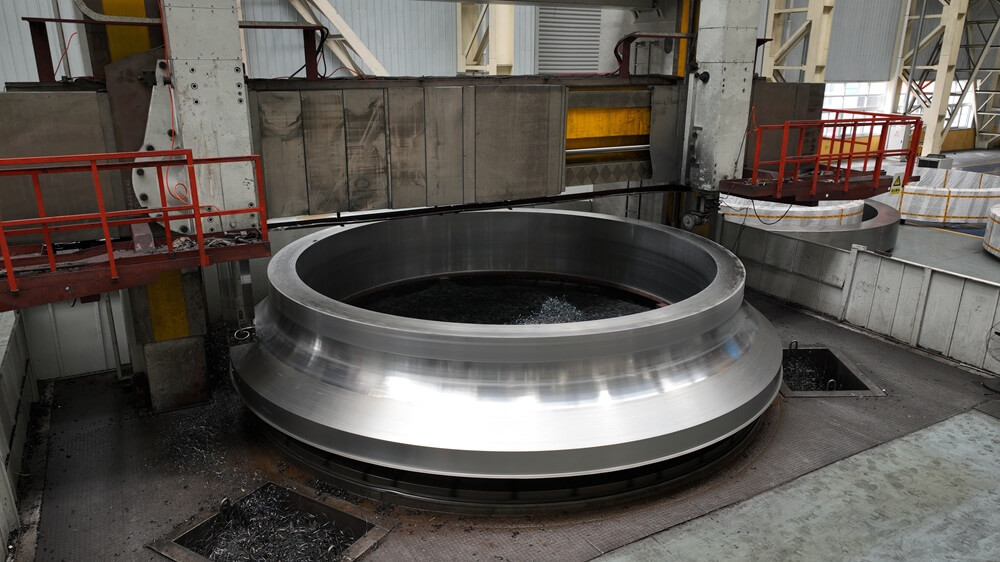
Offshore Applications of Seamless Rolled Rings
Marine ring forgings serve both operating equipment and offshore installation systems. The component’s function determines how the ring geometry is developed and which manufacturing characteristics require attention.
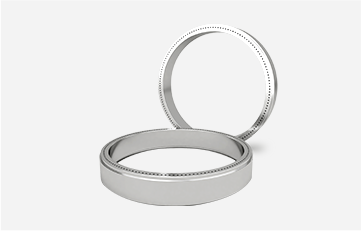
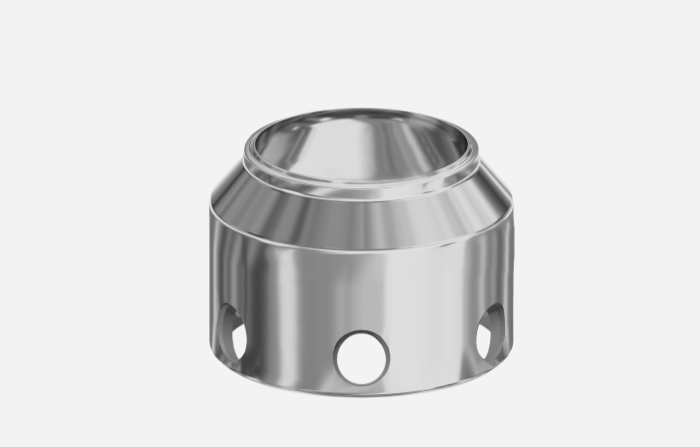
Large bearing rings are part of the marine equipment range. They belong to a different product category from bearing cages, which are also supplied for marine applications. The ring and cage are separate components, even when both form part of a bearing assembly.
Drive rings are consumable forgings used during pile-driving operations. Their service involves substantial impact forces, making the forming route and resulting material structure particularly relevant.
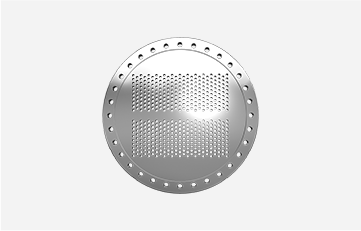
Pile-leg flanges are supplied for offshore oil and gas platforms. Their connection geometry and supplied dimensions are defined by the structural component drawing, rather than by a generic ring designation.
The marine engineering product range also includes stern tubes, pile-sending devices, and FPSO mooring systems. These products share an offshore application environment but are not all seamless rolled rings. Ring rolling applies to the components whose geometry and manufacturing requirements suit that forming route.
This distinction keeps the product scope precise. “Marine engineering” identifies the application sector; “bearing ring,” “drive ring,” or “pile-leg flange” identifies the component to be manufactured.
Seamless Ring Construction and Section Geometry
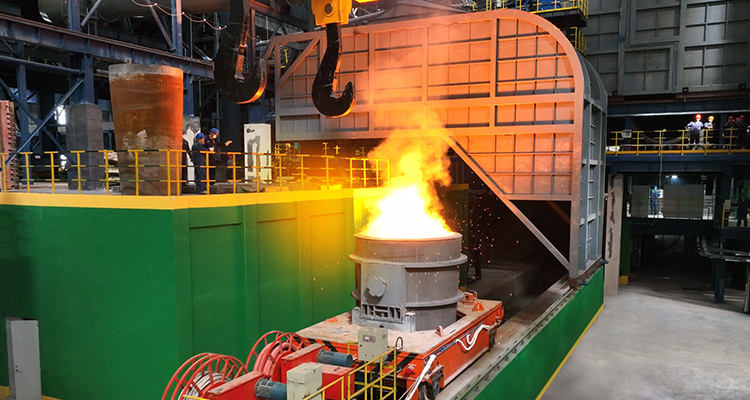
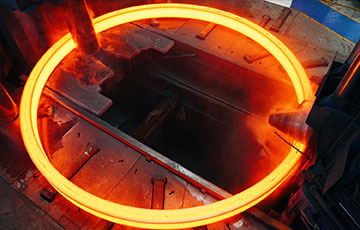
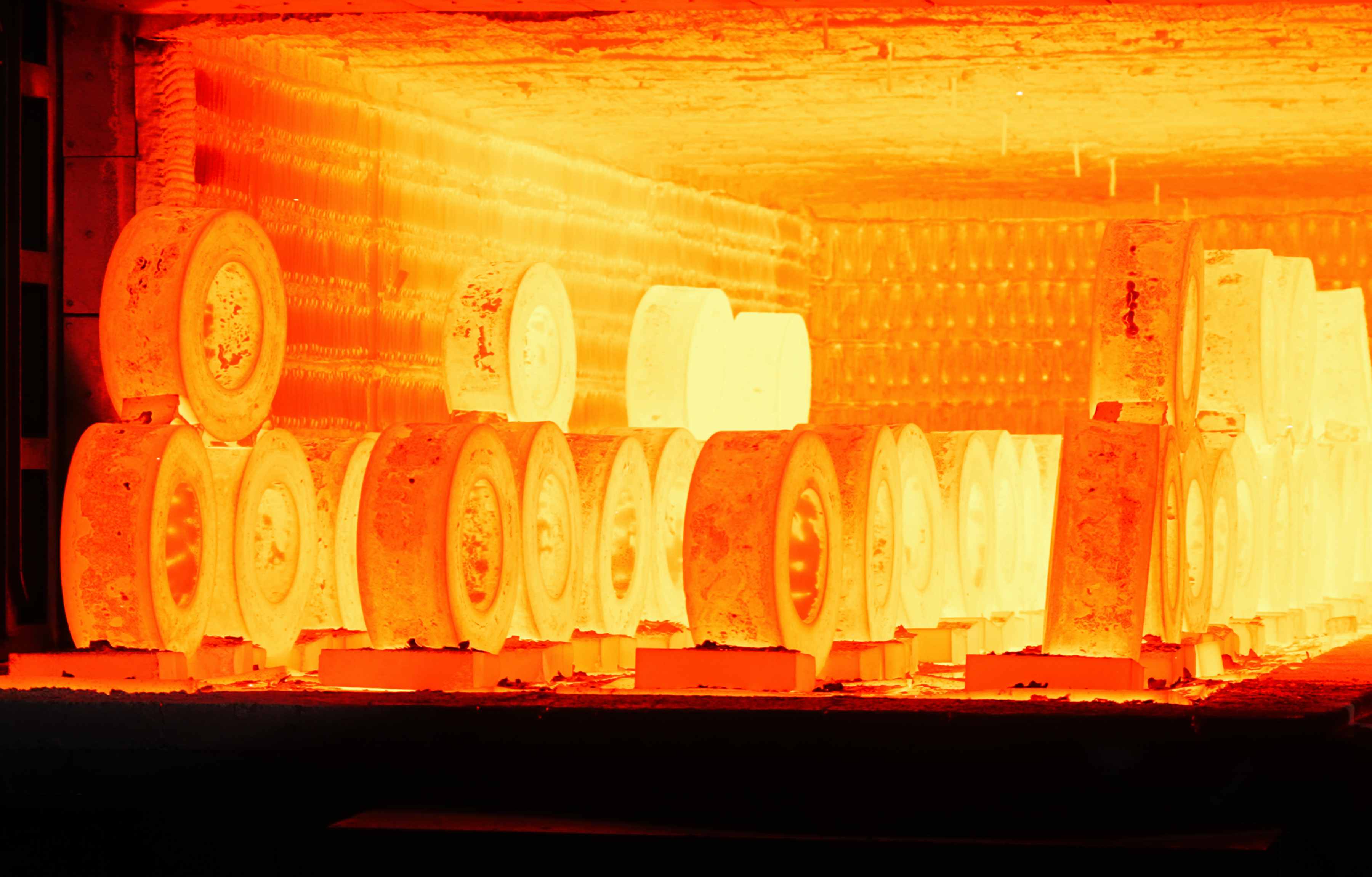
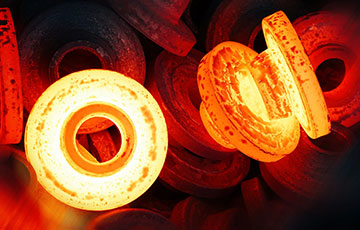
Seamless ring manufacture begins with a solid billet cut to the required weight and heated for forging. The billet is upset and pierced through the centre. The pierced preform is then opened on a mandrel before entering the ring-rolling stage.
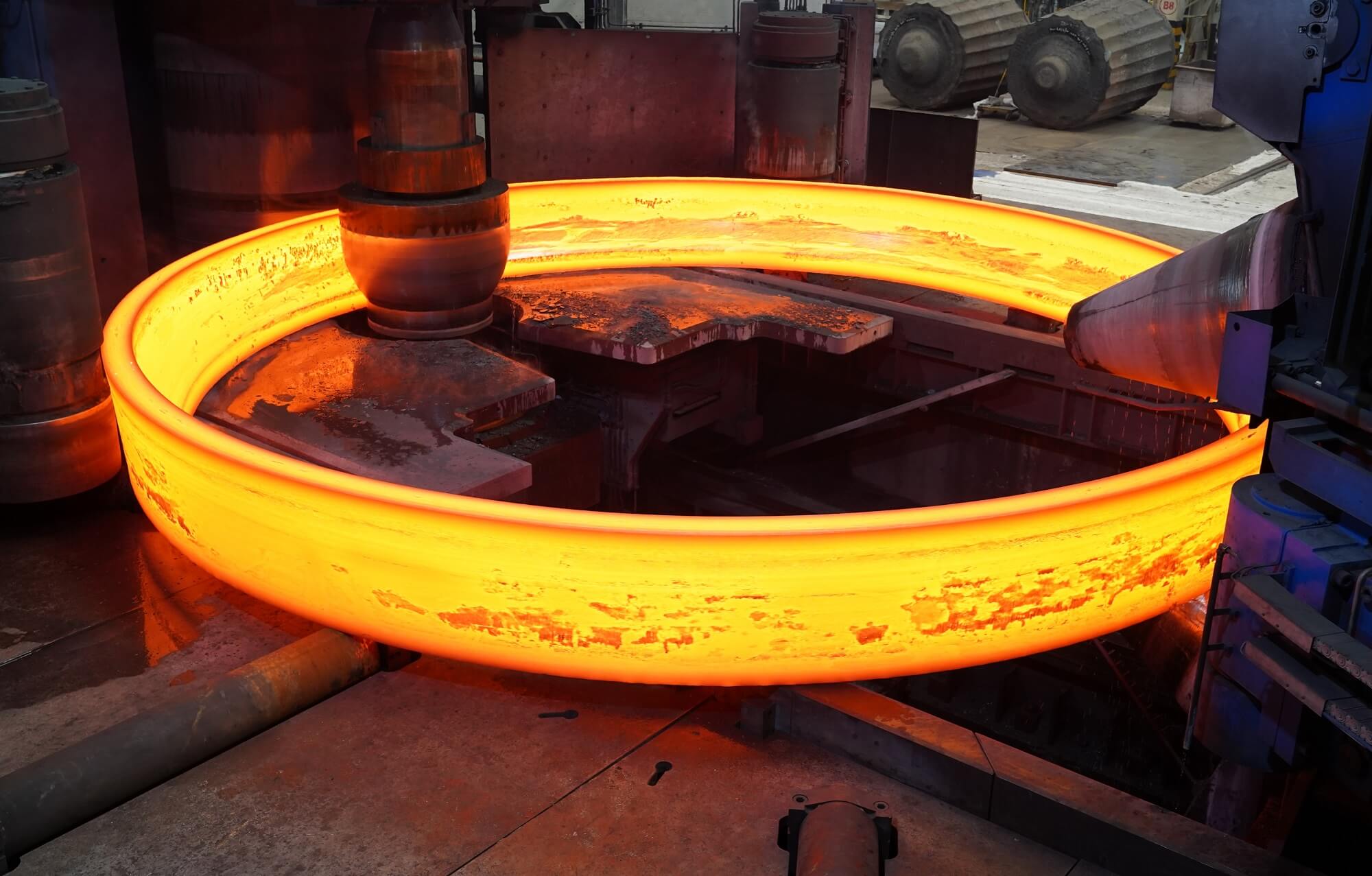
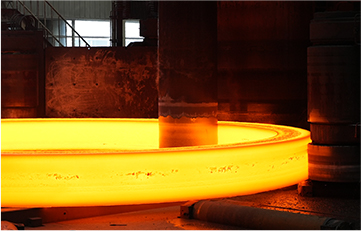
During rolling, the rotating workpiece passes between rolls that compress its wall. The diameter increases as the wall becomes thinner. The circular component is therefore produced by controlled deformation of one piece of material, without a circumferential closure weld.
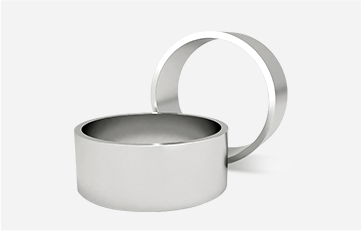
The section profile is as important as the outside diameter. Inside diameter establishes the radial wall thickness, while axial height defines the other principal section dimension. Steps, recesses, and changes in profile further distinguish a finished component from a plain rectangular-section ring.
A blank supplied for later machining also differs from the final component. Its dimensions include material intended for removal during subsequent operations. The manufacturing drawing must therefore distinguish the formed or supplied section from the finished geometry.
Seamless construction removes the circumferential weld associated with a fabricated ring, but it does not make every component suitable for ring rolling. Very thick or unusual sections may be better suited to open-die forging. Diameter, height, wall thickness, and load case remain part of the choice between manufacturing routes.
Forging and Rolling for Offshore Drive Rings
Drive rings provide a specific example of combined forging and rolling in marine equipment manufacture.
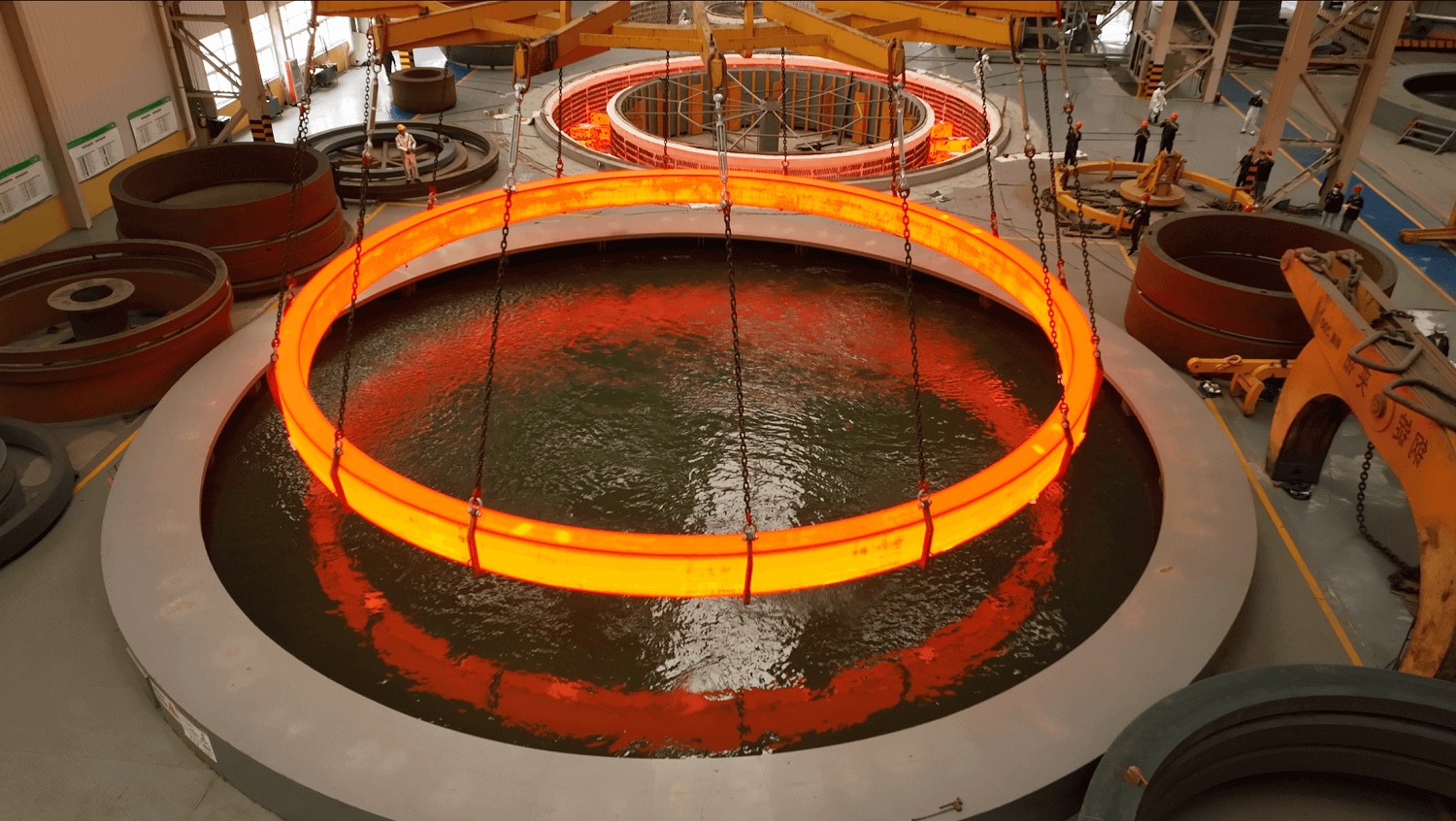
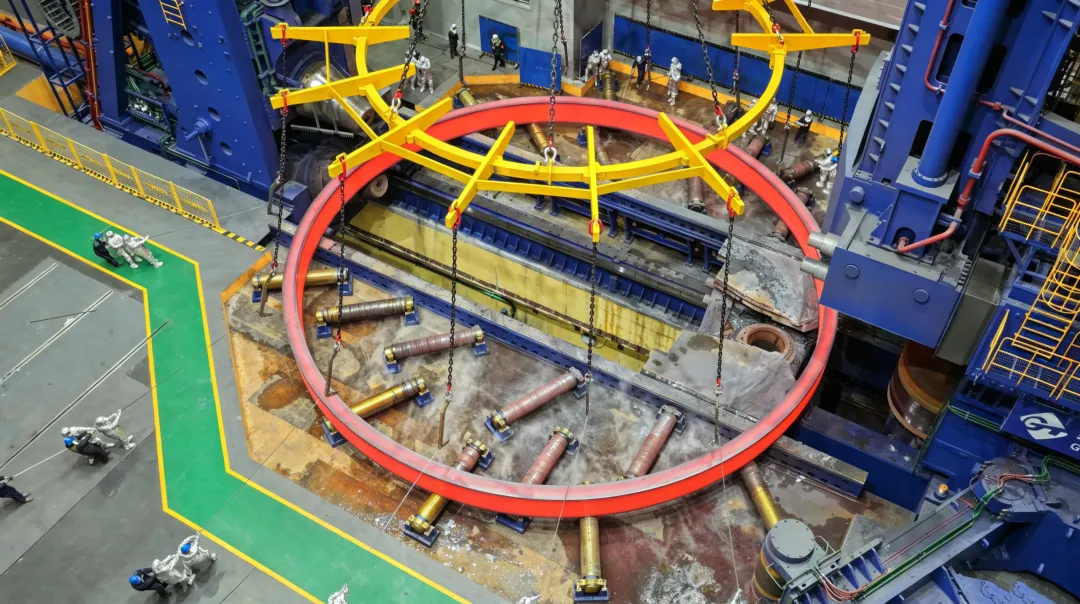
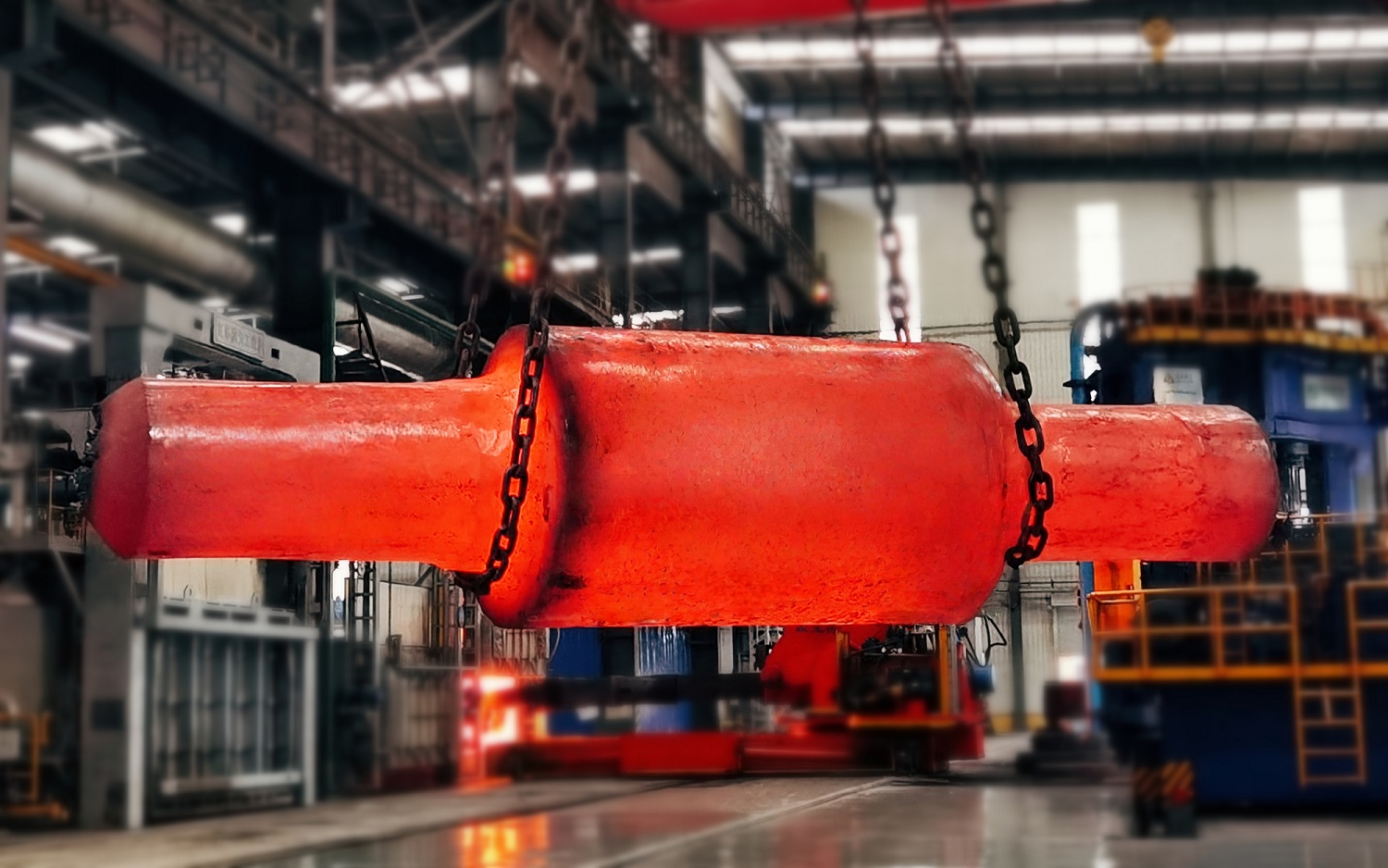
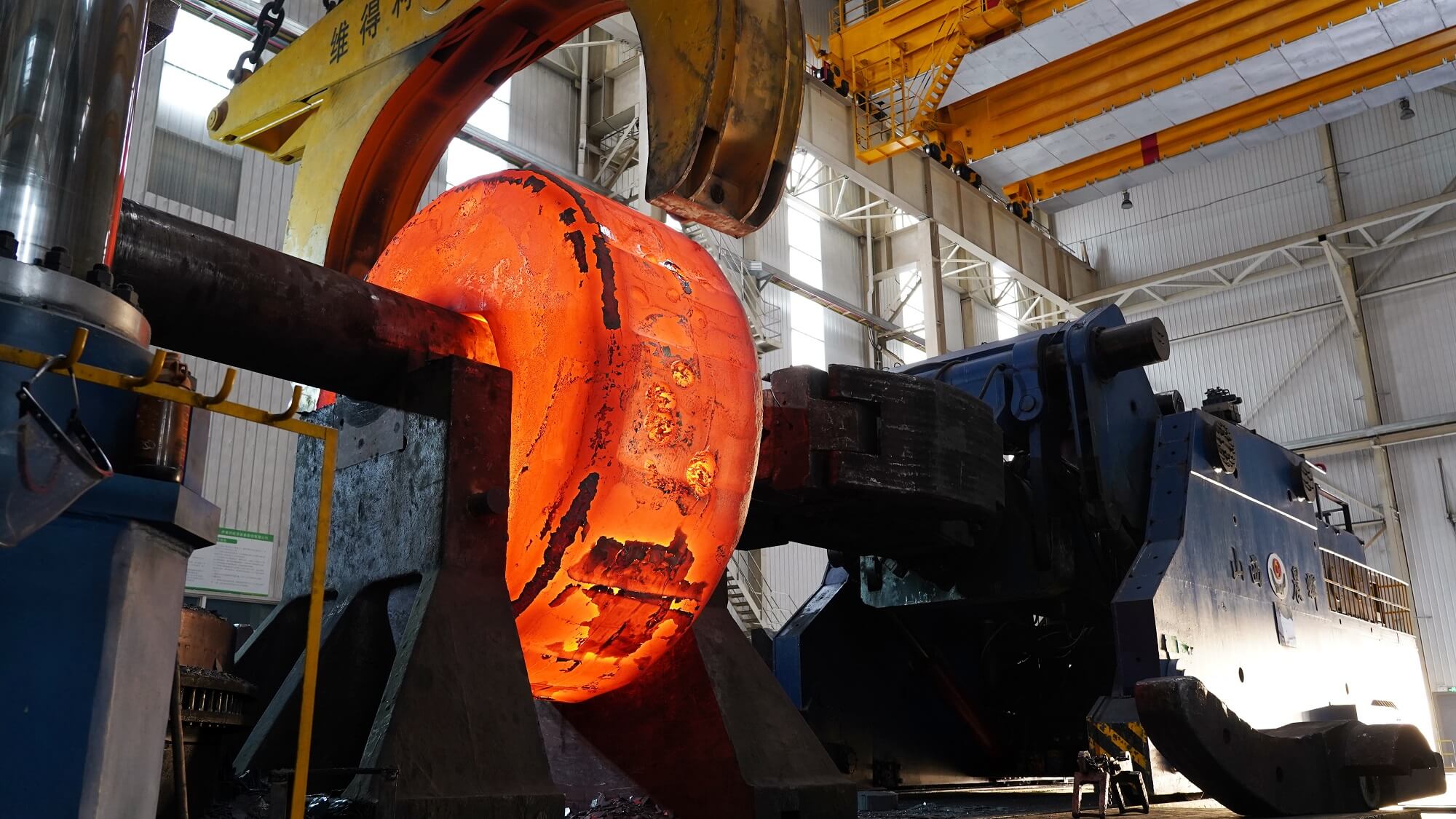
Iraeta manufactures forged and rolled drive rings using large-deformation, multidirectional free forging followed by radial-axial rolling. The initial forging operation breaks up coarse grains in the steel billet. Rolling then provides further deformation and forms the circular section.
Multidirectional Free Forging
The first stage applies substantial deformation from multiple directions. Its stated purpose is to break up coarse grains in the billet before the ring is formed further by rolling.
This stage concerns the starting material and its preparation for subsequent manufacture. It is not equivalent to machining a circular outline from a larger block: the material is worked through deformation before reaching its final ring geometry.
Radial-Axial Rolling
Radial-axial rolling is a continuous forming process. Under rolling forces, the metal flow follows the circumferential direction of the workpiece, developing continuous flow lines around the ring.
For drive rings, this process is used to improve impact resistance and extend service life under pile-driving duty. It links the forming route to the component’s repeated-impact application rather than treating rolling only as a way to increase diameter.
The performance statement is qualitative. A particular ring’s operating life depends on its specified design and service conditions; the process description does not establish a fixed number of piles or impact cycles for every product.
Forming Accuracy and Subsequent Machining
The forging-rolling route also affects the amount of downstream work.
Compared with conventional free forging, the drive-ring process requires fewer heating cycles and provides higher forming precision. Reduced machining allowances and lower energy consumption are associated benefits of that route.
Forming closer to the required geometry leaves less material for subsequent machining. In general seamless-ring production, near-net-shape rolling similarly reduces the stock removed compared with cutting a ring from a larger block.
The forming operation does not replace machining. It establishes a ring geometry from which the agreed delivery dimensions and features are produced. A ring may leave the supplier as an intermediate forging or include further machining, depending on the component specification.
The general seamless rolled ring manufacturing sequence includes heat treatment, machining, and inspection after forming. Available thermal-processing services include normalizing, tempering, quenching and tempering, annealing, solution treatment, and stress relief.
For a marine component, the specified material and delivery condition establish which treatment applies. Neither seamless construction nor an offshore application name automatically determines the thermal route.
Delivered Drive Rings: Dimensions and Weight
Delivered examples show the scale of the drive-ring product family and the variation between individual components.
| Customer | Diameter | Height | Weight |
| Chinese customer | 7.5 m | 1.2 m | 102 tons |
| Shanghai Electric SHMP Casting & Forging Co., Ltd. | 7.6 m | 1.2 m | 101 tons |
| TZ Binhai Heavy Machinery Co., Ltd. | 7.5 m | Not stated | 39 tons |
These dimensions and weights are recorded for the respective drive-ring references.
The two 7.5-metre examples have substantially different weights. Their common outside diameter therefore does not describe the complete component geometry. Inner diameter, height, and section details are needed before their shapes can be compared.
The 7.6-metre ring and the 102-ton example both have stated heights of 1.2 metres. Those figures establish useful dimensional references, but they do not demonstrate identical materials, thermal conditions, or acceptance requirements.
The product range records a maximum delivered drive-ring diameter of 8.5 metres. It separately lists a maximum machinable diameter of 21 metres and a maximum weight of 300 tons.
Delivered diameter and machining capacity are different measures. The former describes completed supply; the latter describes available processing capability. The three maximum figures should not be combined into a single delivered-product specification.
Larger Offshore Foundations and Drive-Ring Manufacture
Larger offshore wind equipment creates requirements for larger foundation components and installation tools.
The drive-ring product description connects increasing tower-base flange dimensions with larger steel pile sections. It also identifies press limitations as a constraint when manufacturing extra-large drive rings through conventional free forging.
Combining free forging with radial-axial rolling provides a route in which the ring geometry is developed through rolling after the initial billet-working stage. The final circular form is not produced by free forging alone.
For an installation-equipment manufacturer, that route is relevant where the drive ring must match a larger pile-driving system. Diameter remains only one element of the requirement. Section profile, weight, material, and supplied dimensions must also correspond to the equipment design.
The delivered examples establish manufacturing experience at large scale. A new component still requires its own forming and machining proposal, particularly where its section differs from previous products.
Marine Material and Classification Requirements
Marine service can introduce requirements relating to corrosion exposure and low-temperature toughness. Their applicability depends on the component’s location, material, and operating conditions; not every offshore ring has the same exposure or acceptance criteria.
The material specification defines the required steel and properties. The drawing defines the component geometry. Where a project requires classification-society involvement, the applicable approval and inspection requirements form an additional part of the order.
Iraeta holds steel-forging approvals from classification societies including ABS and Lloyd’s Register. Forging approvals and steelmaking approvals are separate categories, with their own scopes and conditions.
For the supplied component, the relevant approval must match the product and manufacturing activity. It does not replace the material specification, drawing requirements, or examinations required for the order.
These requirements are integrated into the manufacturing scope without changing the component’s identity: a bearing ring remains a bearing component, a drive ring remains an impact-duty installation component, and a platform flange remains a connection component.
Marine Ring Manufacturing for a Defined Component
A seamless rolled ring brings one-piece construction, circumferential material flow, and near-net-shape forming to suitable marine components. Its value comes from matching those characteristics to the actual application.
For drive rings, multidirectional free forging followed by radial-axial rolling provides a defined route for billet working and ring formation. Delivered examples up to 8.5 metres in diameter support the manufacturing scale, while individual section drawings establish the geometry of each new component.
For bearing rings and platform-related flanges, material, geometry, thermal condition, and machining scope follow their own component requirements. The drive-ring process is a relevant manufacturing example, not a universal specification for every offshore ring.
To discuss a seamless rolled ring for marine engineering, contact the team with your component drawing and application requirements, or send the available material specification, quantity, and delivery schedule to ebiz@iraeta.com.


Recommended reading
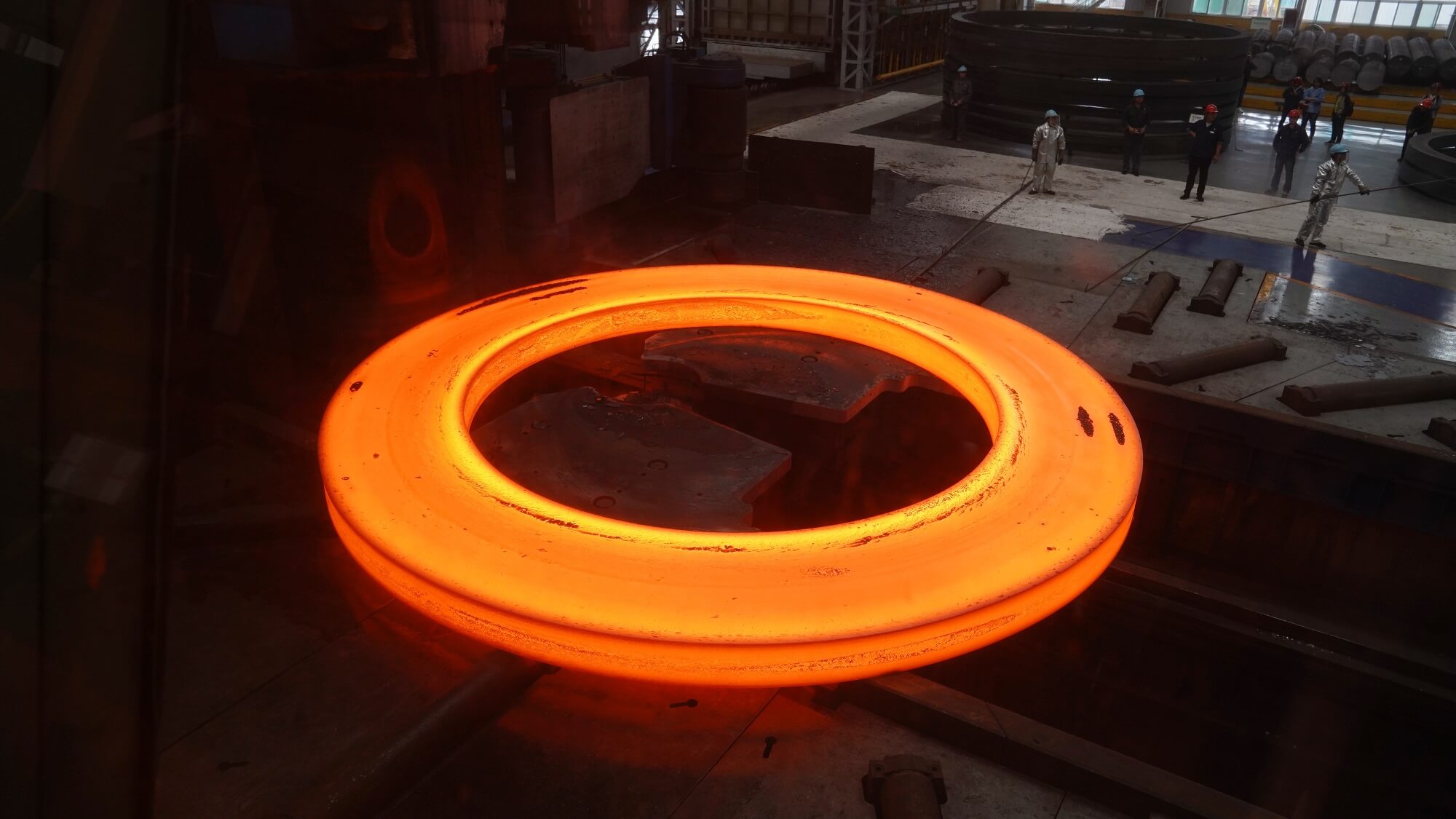
Unlocking the Secrets of Forging: The Performance Code of Classic Processes
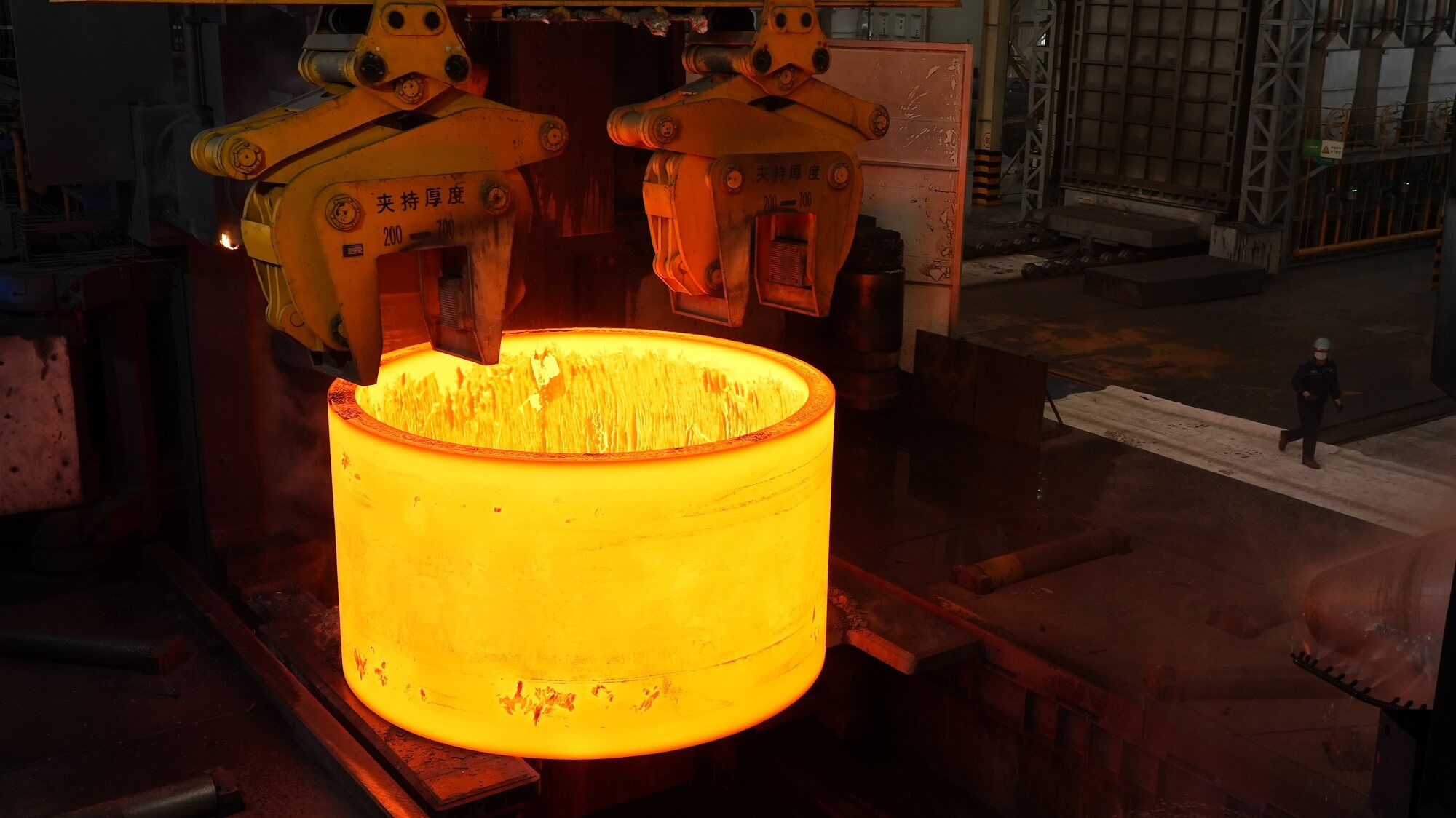
Must-Read for Ring Forging: Advantages and Applications of the Forge-Rolling Process
Open-Die Forging vs. Ring Rolling: Helping You Choose the Optimal Forging Process