











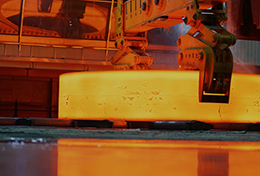


Alloy Steel Forged Ring for Power Generation: Hydropower Applications
An alloy steel forged ring for power generation is a custom component whose material, geometry, heat treatment, and machining condition must work together within the equipment design. In hydropower and pumped-storage equipment, the complete supply specification determines what is manufactured, inspected, and delivered.
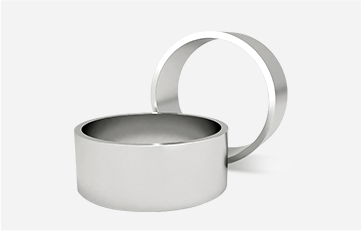
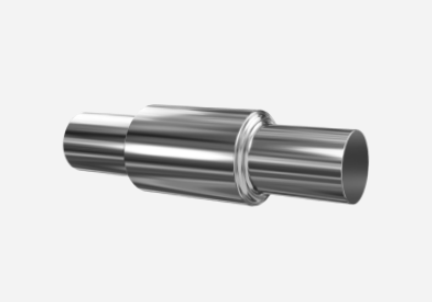
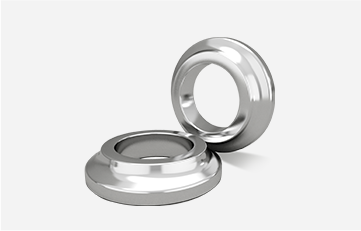
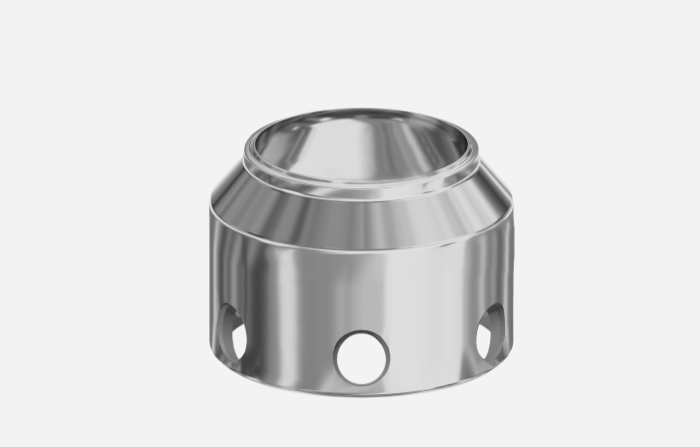
Relevant components include rotor yoke rings, stator rings, ring plates, and top-cover flanges. Iraeta’s hydropower supply range covers these component families, alongside other generator and turbine forgings. The steel grade and delivery condition are defined for the individual component rather than by the application name alone.
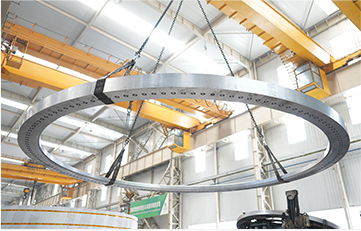
Ring Forgings in Hydropower and Pumped-Storage Equipment
Hydropower equipment contains several circular components, but their manufacturing requirements are not interchangeable. The component designation establishes its place in the assembly; the drawing defines the section, interfaces, and dimensions that the supplier must reproduce.
A magnetic yoke ring belongs to a different component family from a top-cover flange. Likewise, a stator ring and a bottom ring cannot be treated as equivalent parts simply because both have a large outside diameter. Material, section profile, machining, and acceptance requirements follow the particular design.
The hydroelectric ring and disc forging range includes rotor yoke rings, magnetic yoke forgings, ring plates, and top-cover flanges. These products provide a relevant starting point for assessing manufacturing experience in generating equipment.
| Component family | Published hydropower product reference | Main scope to establish for the order |
| Generator ring forgings | Magnetic yoke rings and stator rings | Material, section geometry, delivery condition, and finished interfaces |
| Flange forgings | Top-cover flanges | Drawing dimensions, machining scope, and acceptance requirements |
| Other ring-shaped components | Stay rings and bottom rings | Exact part identity, supply geometry, and project-specific requirements |
| Related large forgings | Magnetic yoke discs and ring plates | Applicable forming route and division of downstream work |
The product references are published by the manufacturer; the order requirements remain specific to the component being purchased.
This distinction keeps the supply discussion focused. A reference part is useful when its relevance can be explained through component type, manufacturing route, or geometry—not merely through a similar overall size.
Material Grade and Delivery Condition Form One Requirement
The material specification establishes the steel to be supplied. The delivery condition establishes the state in which that steel reaches the next manufacturing or assembly stage.
For an alloy steel ring, these two requirements belong in the same technical package. A grade designation without a defined delivery condition leaves part of the supply scope unresolved. Equally, a request for quenching and tempering is incomplete without the material and acceptance requirements to which that treatment applies.
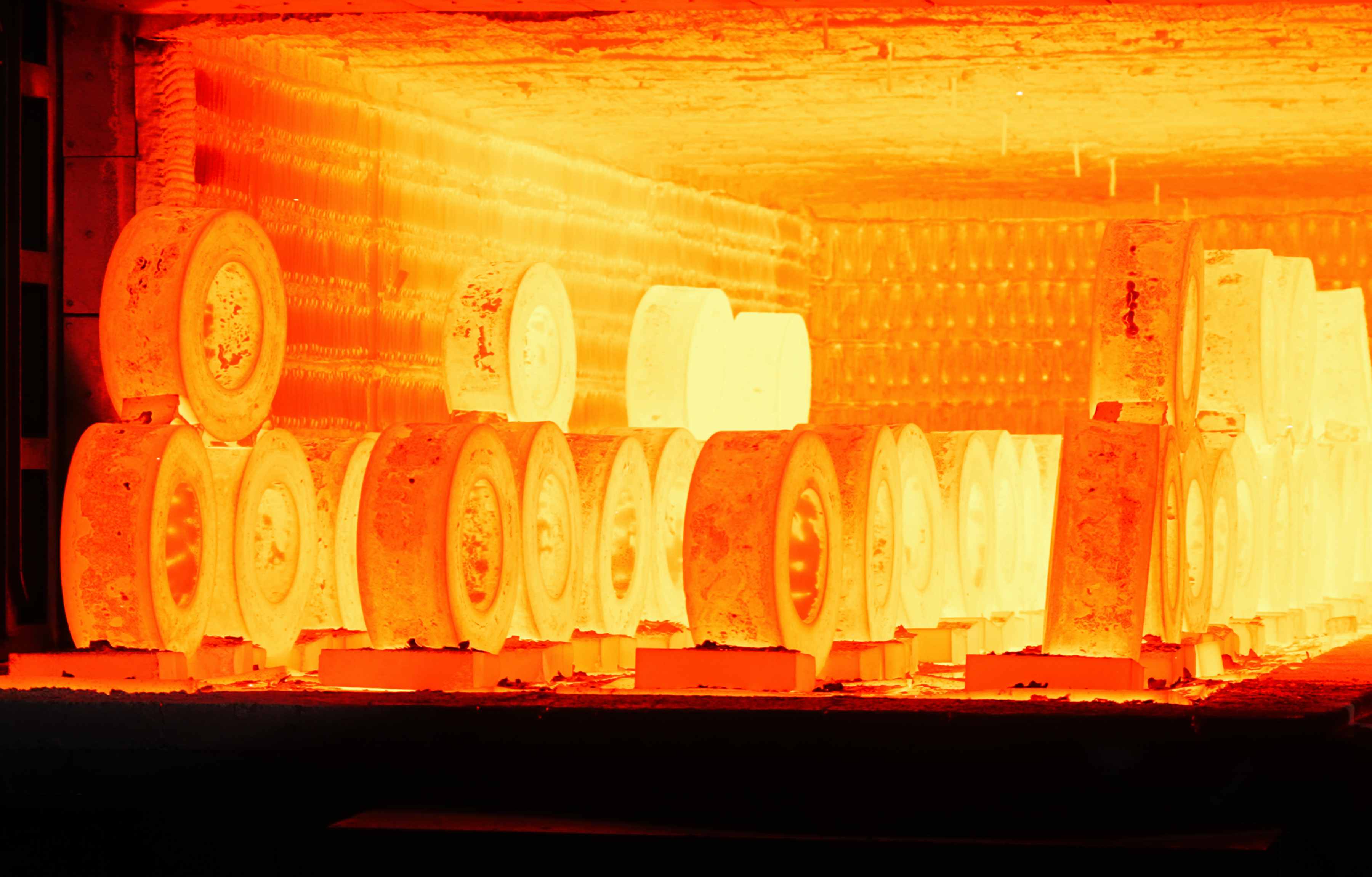
Iraeta lists normalizing, tempering, quenching and tempering, annealing, solution treatment, stress relief, and other thermal processing combinations among its available services. The appropriate route for a particular power-generation ring remains subject to its material specification and project requirements.
The order definition therefore brings together:
Material grade and governing specification.
Applicable specification edition and additional project requirements.
Required heat-treatment condition.
Mechanical-property and examination requirements.
Supply condition: forging blank, rough-machined ring, or finished component.
These details also give quotations a common basis. Two offers carrying the same part name may cover different work if one includes heat treatment and rough machining while the other covers only the forging.
Where engineering approval is still pending, the unresolved requirement can remain visible in the technical proposal. A proposed material or treatment then stays distinct from an approved manufacturing instruction.
Large-Diameter Capability and Component Feasibility
Large ring dimensions can narrow the supplier field, particularly where the part requires a continuous circular structure and a substantial section. However, diameter is only one part of the manufacturing assessment.
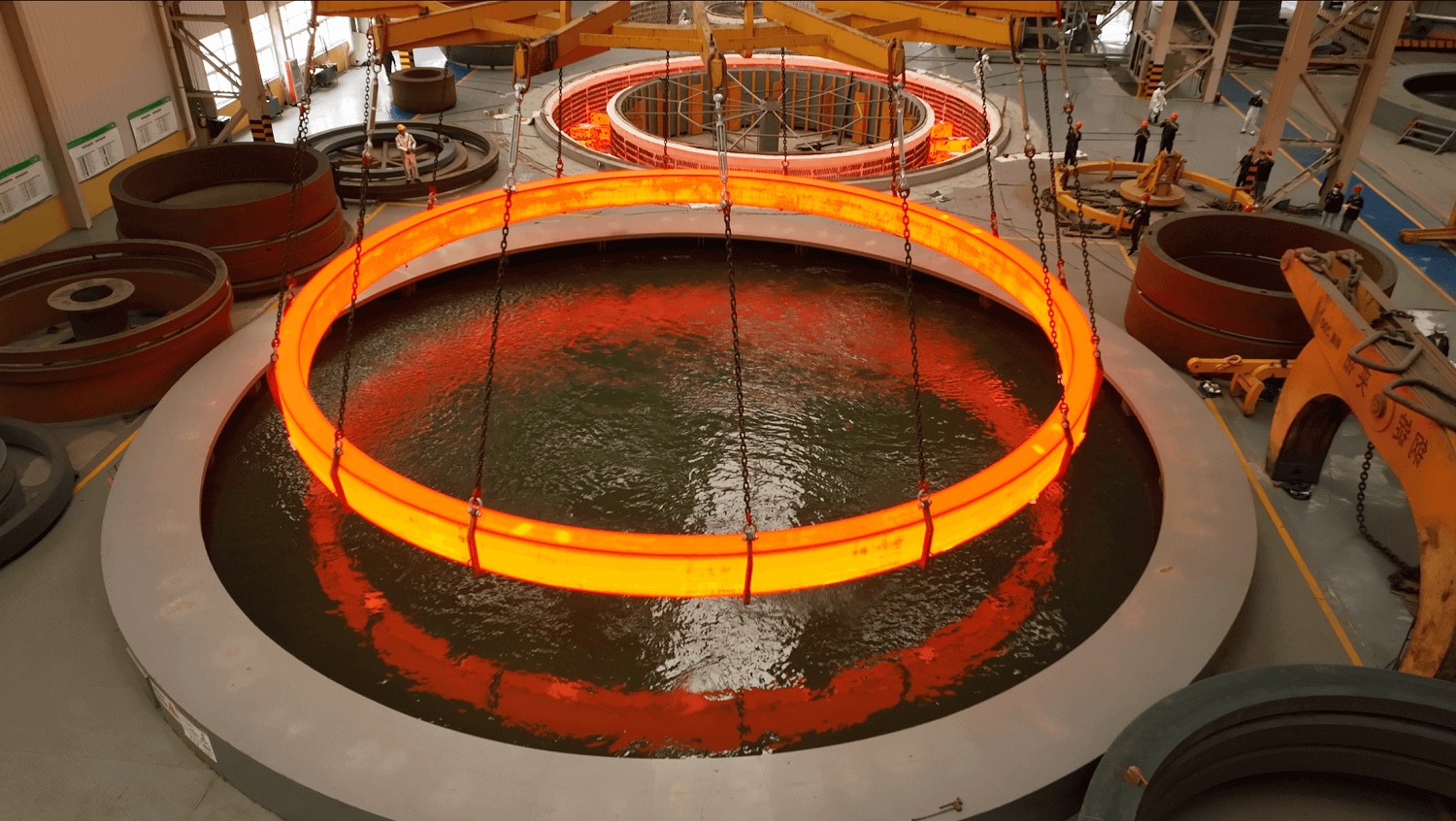
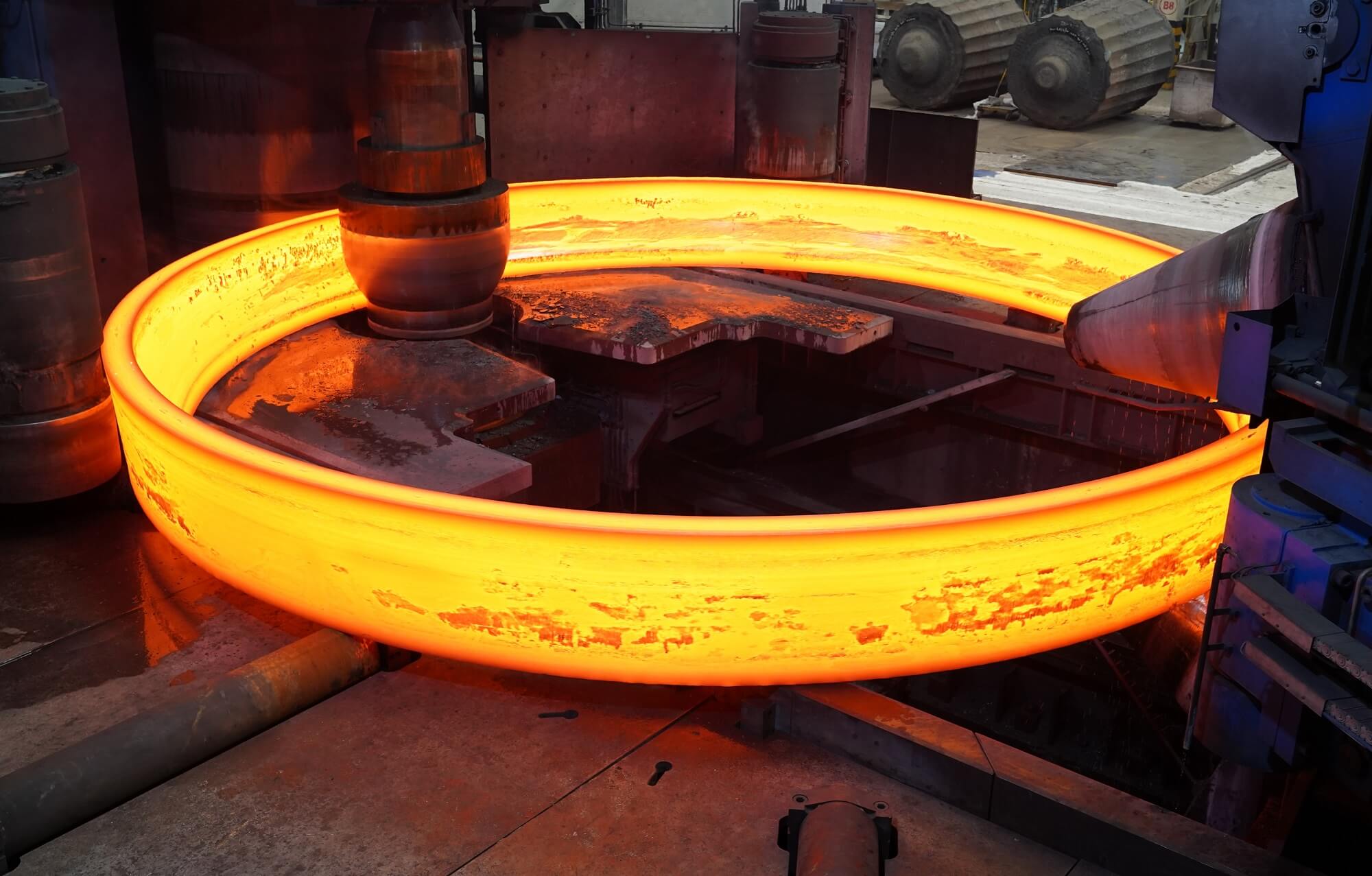
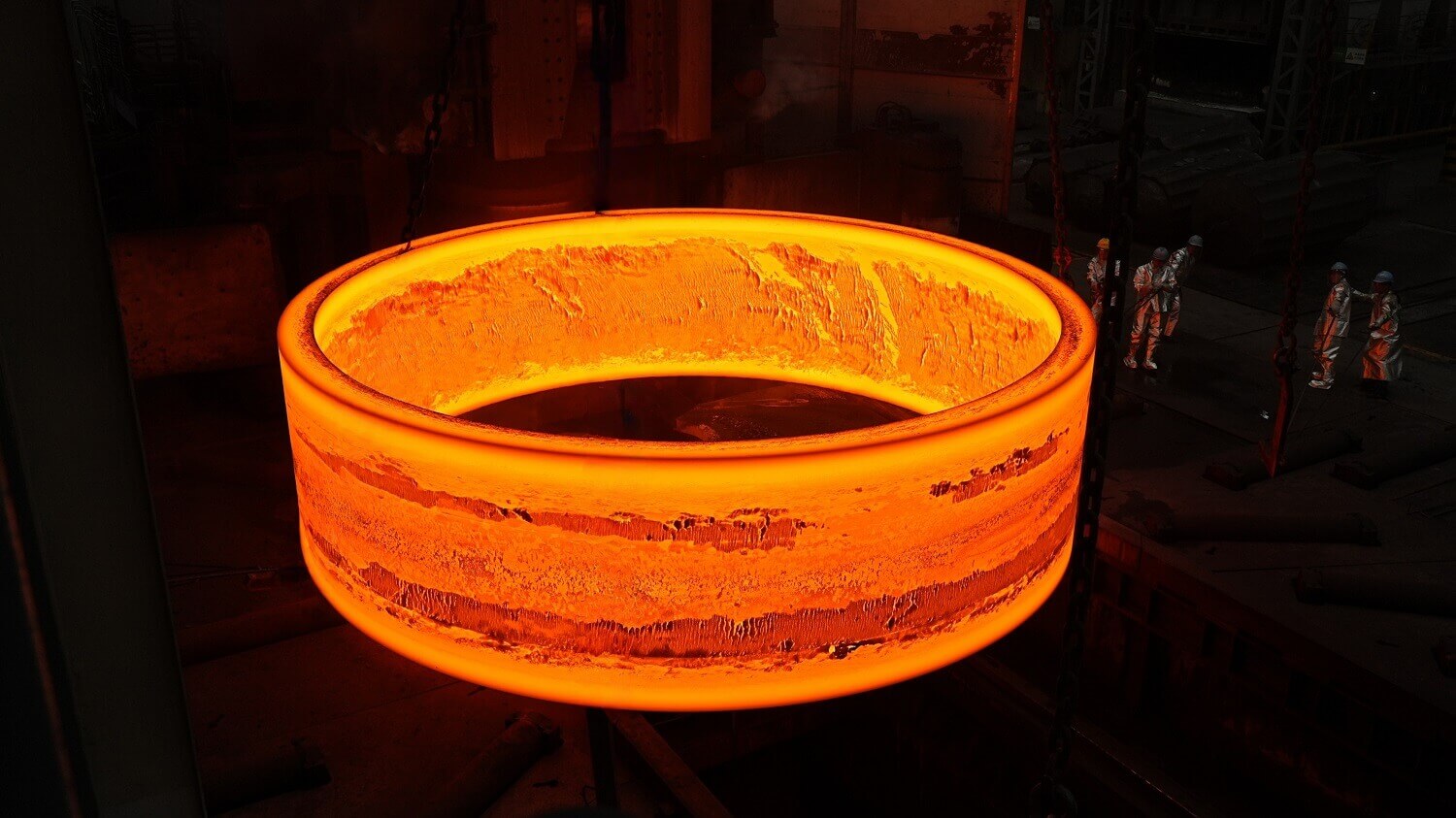
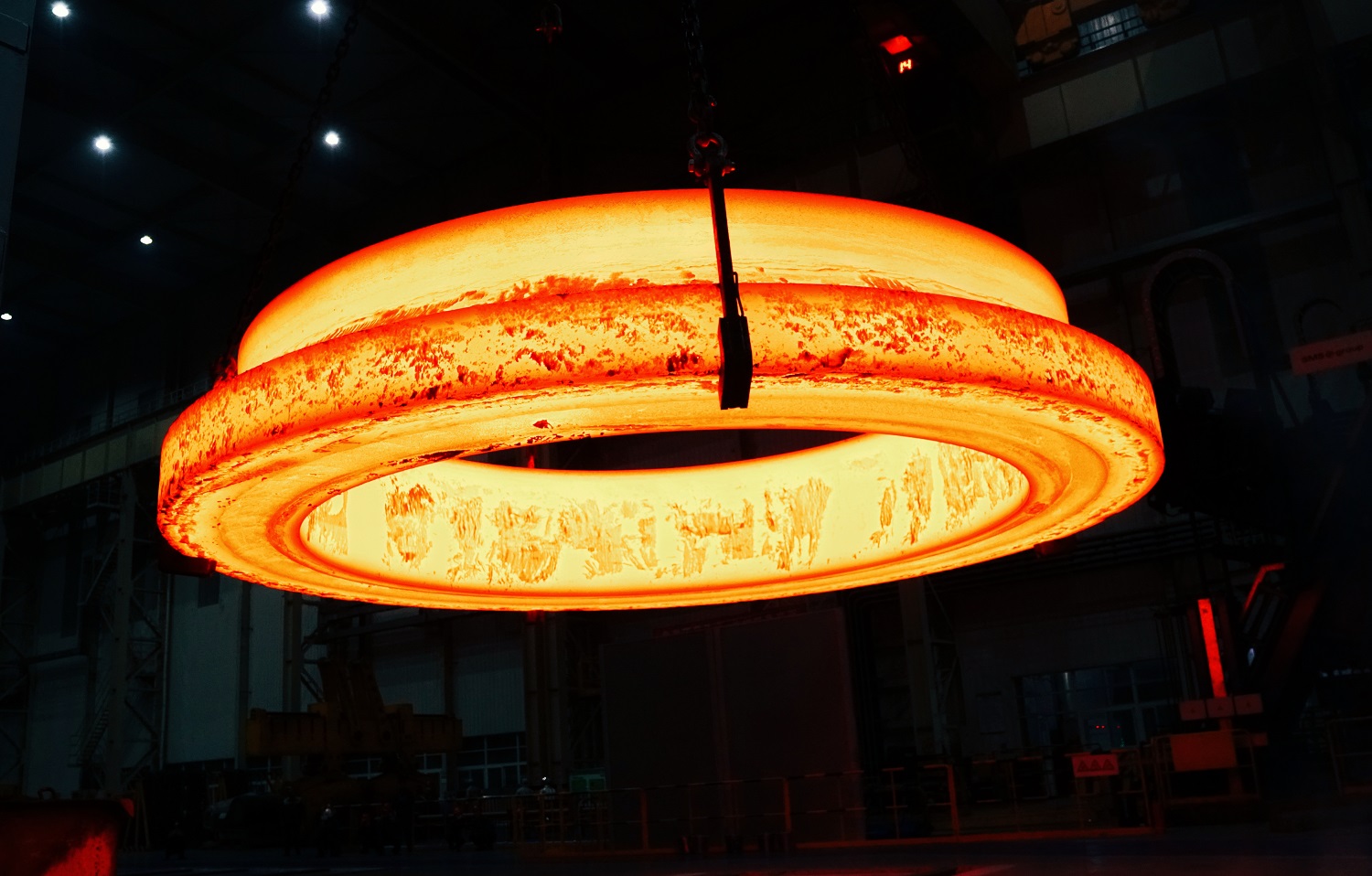
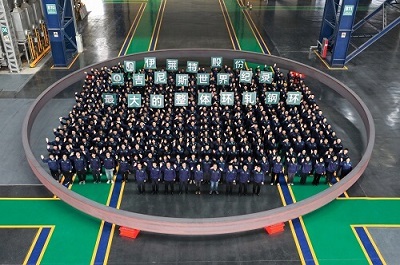
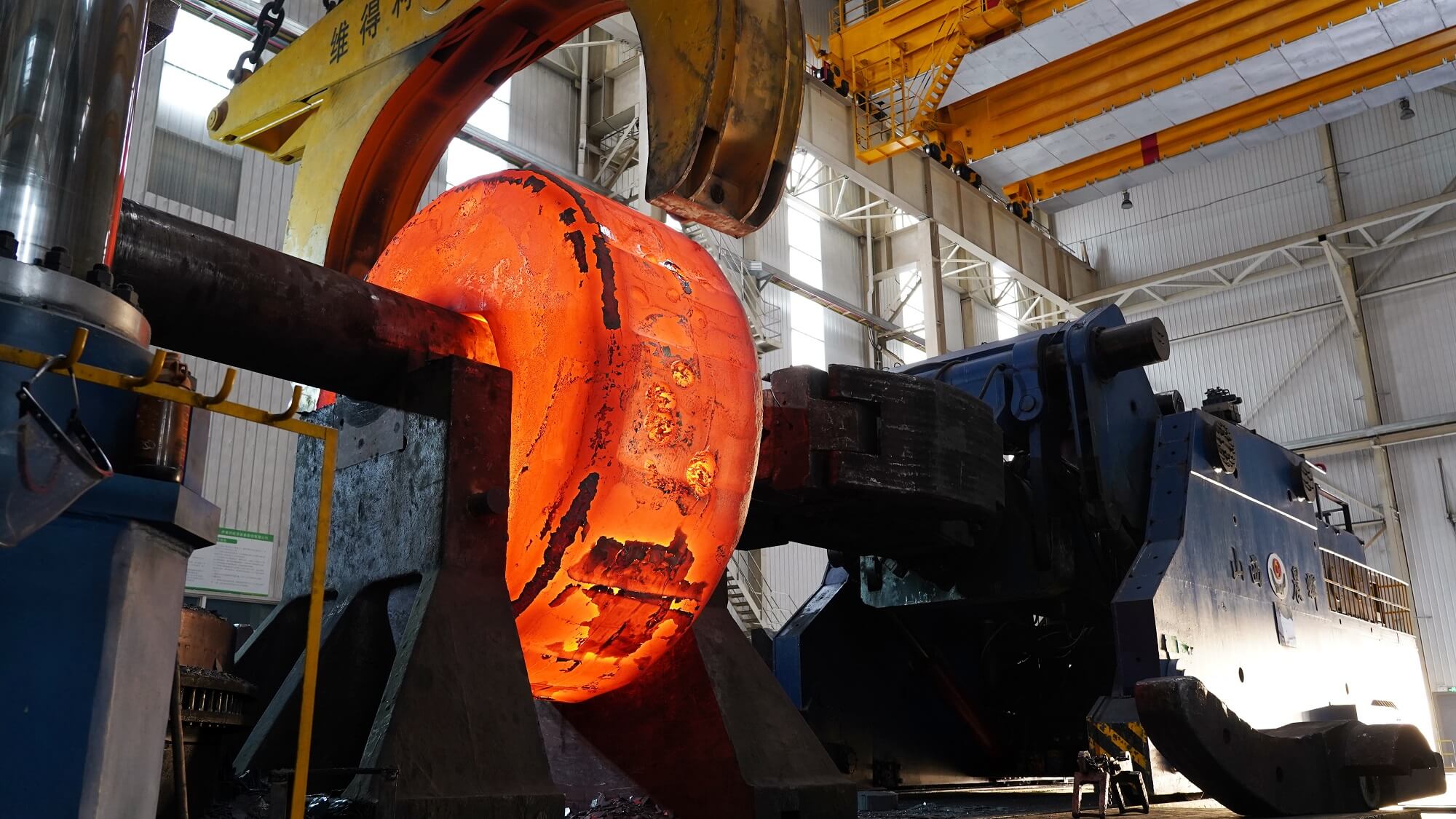
The company publishes custom ring-forging capabilities of up to 300 tons in weight, over 21 metres in diameter, and up to 5 metres in height. Its manufacturing range includes rectangular cross-sections and profiled rings.
These figures describe separate capability limits. They do not define a single ring combining maximum weight, diameter, and height. The actual production proposal depends on the complete geometry and material.
For drawing review, outside diameter, inside diameter, and height establish the overall envelope. The section profile then shows how material is distributed around that envelope. Steps, changes in wall thickness, recesses, and machining allowances complete the description of the part to be supplied.
The distinction between supply dimensions and finished dimensions is especially important. A rough-machined ring and a finished component may originate from the same design, but the delivered geometry and remaining work are different.
Manufacturing feasibility is therefore a drawing-based decision. Published capacity establishes that a supplier operates at a relevant scale; the technical proposal confirms how the specific component will be produced.
Radial-Axial Rolling for Large Hydropower Forgings
The forming route connects the original stock to the geometry required by the equipment manufacturer.
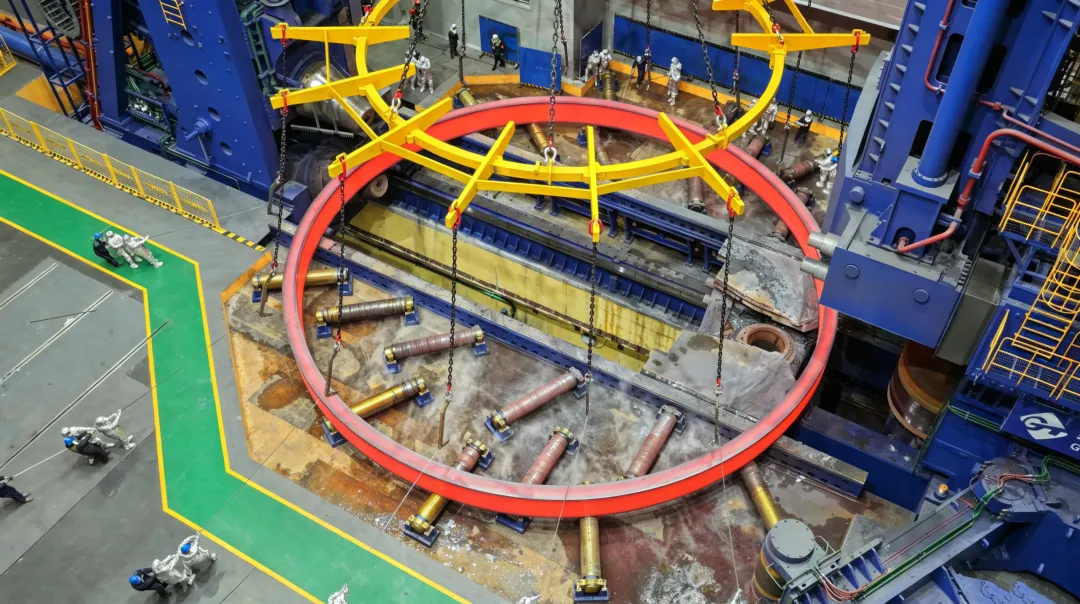
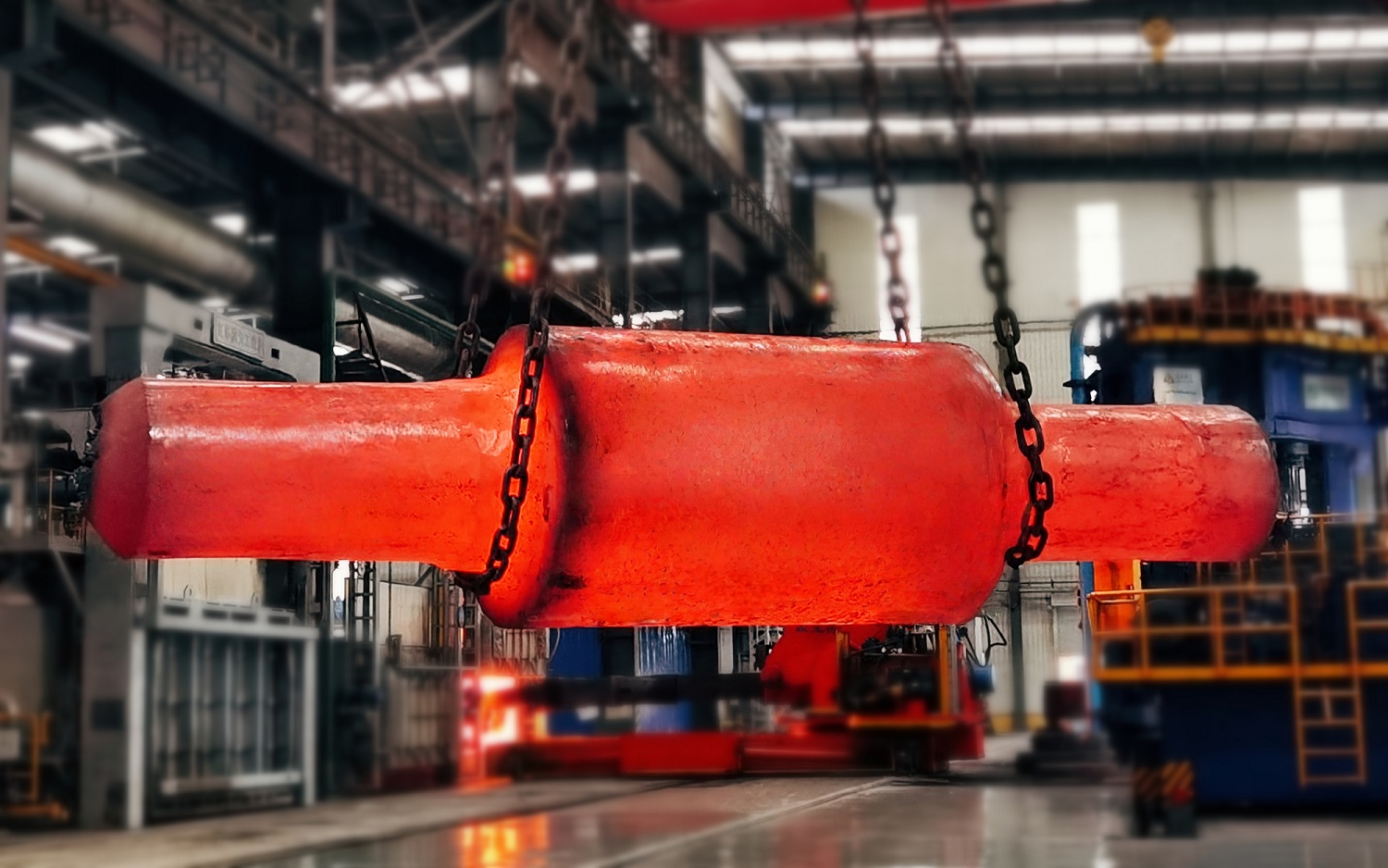
For ultra-large hydropower forgings, Iraeta describes radial-axial full rolling and relates the process to overall rigidity and machining and installation accuracy in components such as magnetic yoke discs. The company places these characteristics in the context of generating equipment that frequently starts, stops, and switches between pumping and generating modes.
That connection gives the manufacturing process an application-specific purpose. It is not simply a question of producing a larger diameter; the route forms part of the approach to manufacturing a large component for subsequent machining and assembly.
The broader ring forging and thermal processing capabilities include both rectangular and complex ring profiles. A proposed route can therefore be reviewed against the actual section rather than a nominal ring diameter alone.
For a new power-generation component, the manufacturing proposal should identify the forming route, supplied geometry, thermal processing, and machining scope together. This makes the progression from the drawing to the delivered part visible.
The published hydropower process description applies to the component families discussed on that page. Its relevance to another alloy steel ring is established through the individual technical review, rather than assumed from the application name.
Machining Scope Determines the Delivery Boundary
A forged ring may enter several subsequent operations before it becomes an assembly-ready component. The purchasing scope determines which of those operations remain with the forging supplier and which pass to the equipment manufacturer or a downstream machining company.
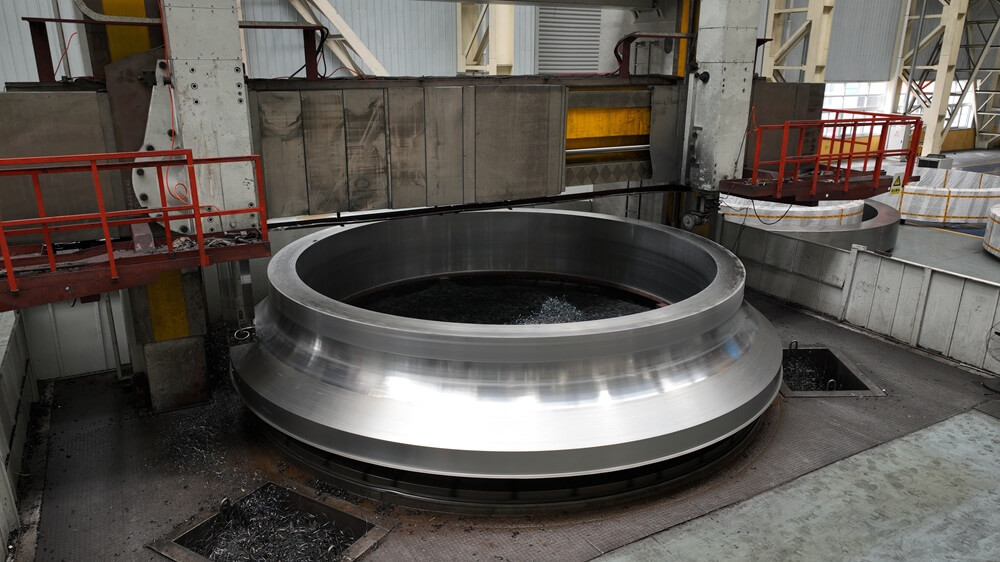
The manufacturer’s published machining services include cutting, grinding, and drilling, supported by CNC equipment. Those capabilities create options for extending supply beyond the forging itself.
The commercial and technical boundary becomes clearer when the quotation identifies the supplied condition explicitly:
| Supply condition | What the scope needs to define | Work remaining after delivery |
| Forging blank | Agreed supply dimensions, material, and thermal condition | Subsequent machining and other operations assigned to the buyer |
| Rough-machined ring | Machined surfaces, delivery dimensions, and remaining allowances | Final machining and any other excluded operations |
| Finished component | Included drawing operations, tolerances, and acceptance requirements | Only the work expressly excluded from the supplier’s scope |
These are ways to organise a project scope, not fixed standard supply packages.
The important point is continuity between the drawing, quotation, and delivery documents. If a drawing describes the finished component but the quotation covers a rough-machined ring, the proposal needs to identify the intermediate dimensions and remaining allowances.
This also prevents uncertainty over individual operations. Available drilling or grinding capability does not, by itself, establish that every corresponding feature on the drawing is included in the price.
Project References: Component Experience with Defined Limits
Hydropower references are most informative when they identify the component supplied and the equipment or project to which it belongs.
The company’s hydropower application experience includes magnetic yoke discs, ring plates, top-cover flanges, and other forgings for projects such as Zhejiang Jinyun, Heilongjiang Huanggou, Guangdong Yangjiang, and Guangxi Datengxia.
More specific product references include:
Jinsha River Yinjiang tubular turbine units: rotor yoke rings and central bodies.
Zhongdong pumped-storage power station in Guangdong: 20 hydro-generator rotor yoke forgings.
These examples establish experience with relevant equipment components. The public descriptions do not provide a complete material grade, heat-treatment specification, or inspection record for each item.
Their value lies in directing a more precise technical comparison. For a new ring, the relevant questions concern the similarities in component family, forming route, geometry, and supply scope. The current order’s material and acceptance requirements then remain separately defined.
This avoids reducing supplier assessment to either a list of project names or a single maximum-size figure. Both are useful evidence, but neither replaces the component specification.
Acceptance Requirements and the Final Supply Package
A complete supply package links the delivered ring to the requirements agreed at order placement.
Material, thermal condition, dimensions, and examinations each need an identified acceptance basis. Where the project calls for particular records, their content and scope belong in the technical agreement rather than being left until dispatch.
The documentation package may include the material records, heat-treatment records, dimensional results, and examination reports specified by the buyer and accepted by the supplier. Their inclusion and applicable requirements are order-specific.
A consolidated review can separate four areas:
Product definition: component identity, material, drawing, and revision.
Manufacturing scope: forming, heat treatment, machining, and delivery condition.
Acceptance scope: examinations, criteria, and required records.
Commercial scope: quantity, delivery milestones, destination, and exclusions.
This arrangement gives procurement, engineering, and quality teams the same basis for reviewing the offer. Open items remain traceable, and approved exceptions remain distinct from the original requirement.
Bringing the Enquiry Together
A technically useful enquiry can be concise. The essential information fits into a controlled drawing package and a short supply specification.
Component and application: Part designation, equipment reference, and generating project
Drawing: Drawing number, revision, and attached geometry
Material: Grade, governing specification, and additional requirements
Dimensions: Outside diameter, inside diameter, height, section profile, and supply allowances
Delivery condition: Forging blank, rough-machined, or finished
Thermal processing: Required heat-treatment condition
Acceptance: Examinations, criteria, and required documentation
Quantity and delivery: Order quantity, scheduled releases, destination, and milestones
Open items: Requirements awaiting confirmation or approval
With those elements established, quotations can be compared on the work actually included. Differences in material, machining, inspection, or documentation become visible before price and schedule are finalised.
For an alloy steel forged ring for power generation, that clarity is the link between design intent and a workable supply proposal.
Iraeta’s hydropower product range, large-ring manufacturing capabilities, and published project references provide a basis for discussing new components. To begin a project-specific review, contact the team with your power generation ring requirements, or send the available enquiry package to ebiz@iraeta.com.


Recommended reading
Unlocking the Secrets of Forging: The Performance Code of Classic Processes
Must-Read for Ring Forging: Advantages and Applications of the Forge-Rolling Process
Open-Die Forging vs. Ring Rolling: Helping You Choose the Optimal Forging Process