












Quenched and Tempered Forged Ring: Heat Treatment and Finished Component Requirements
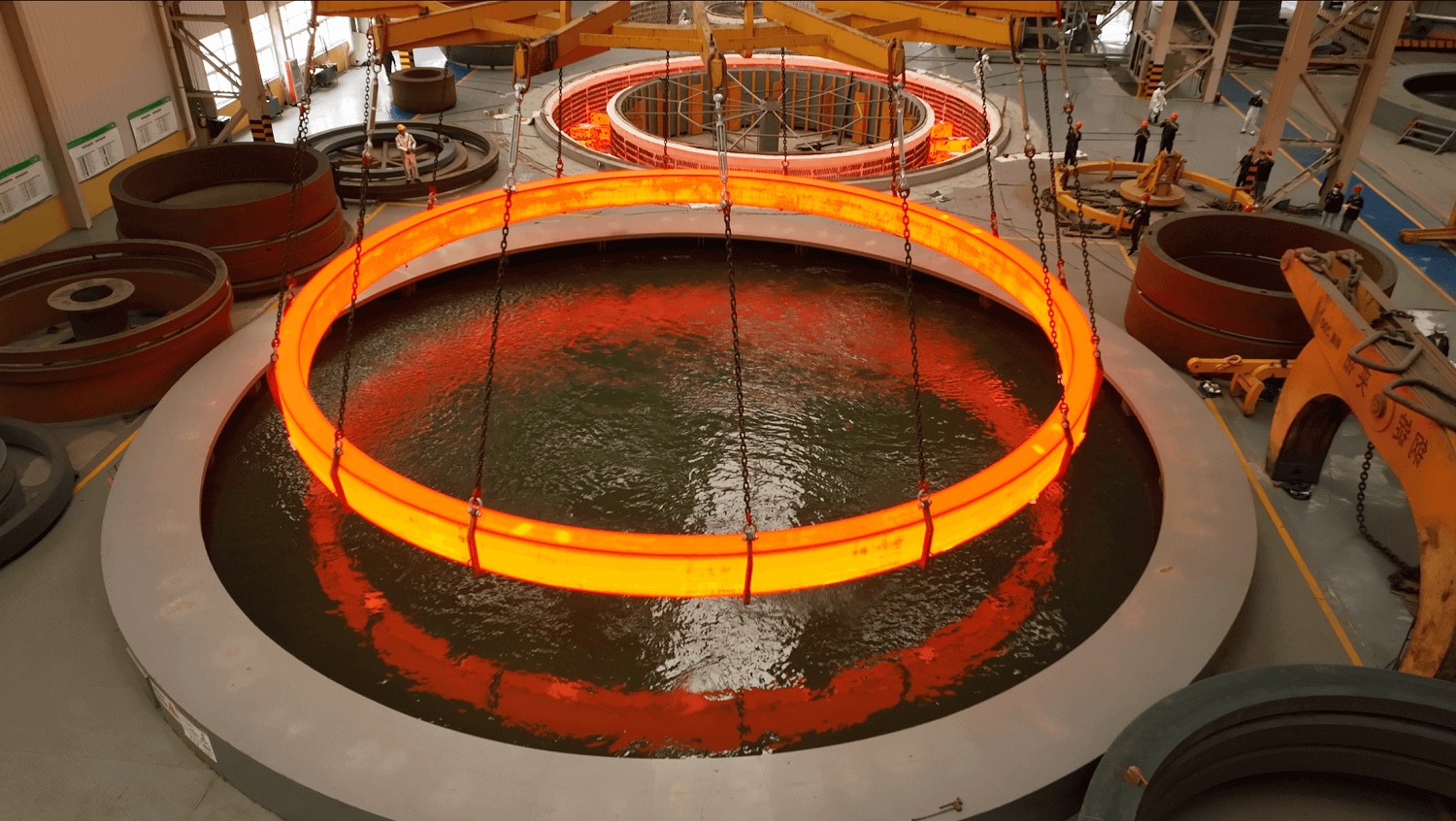
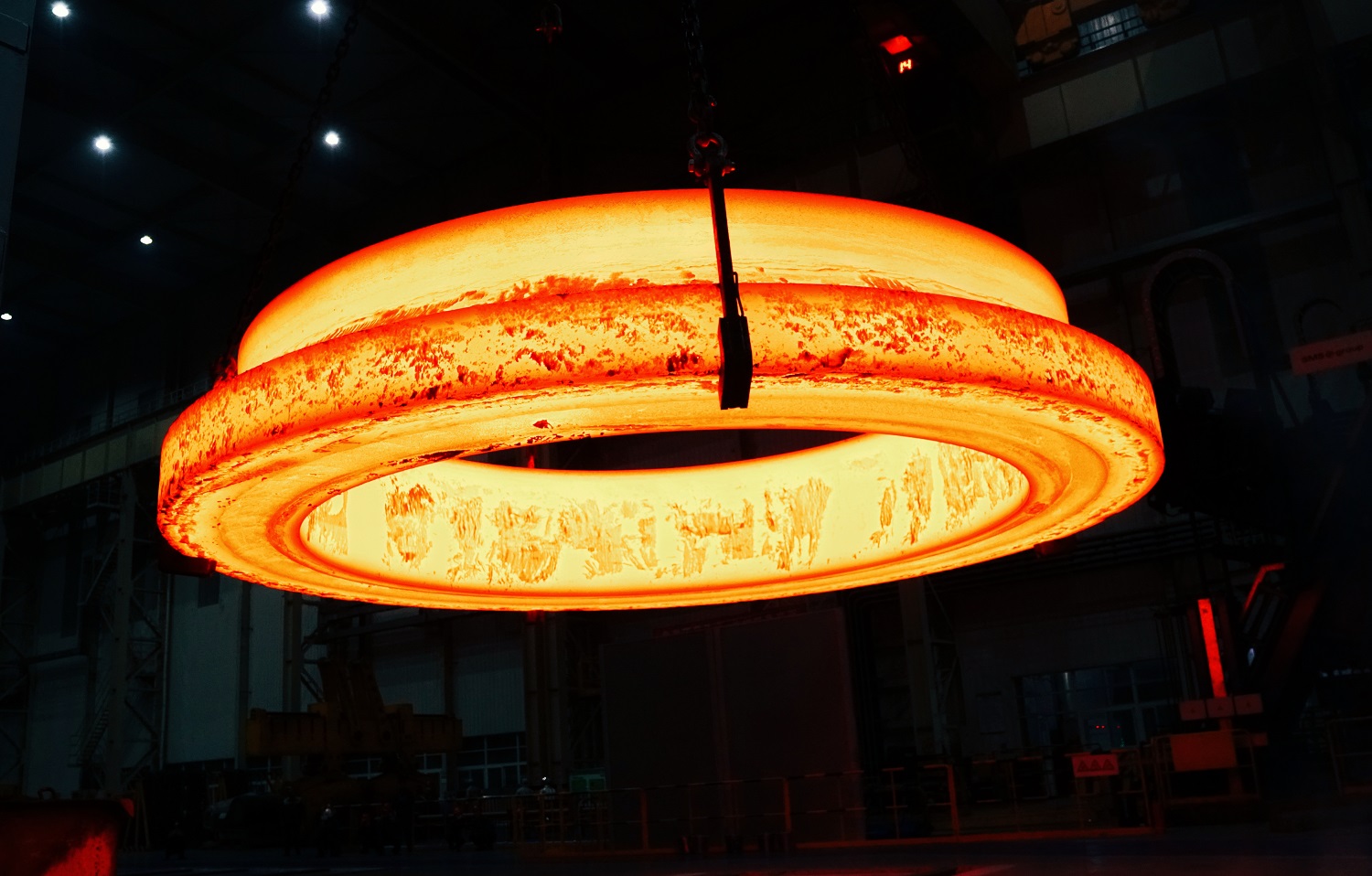
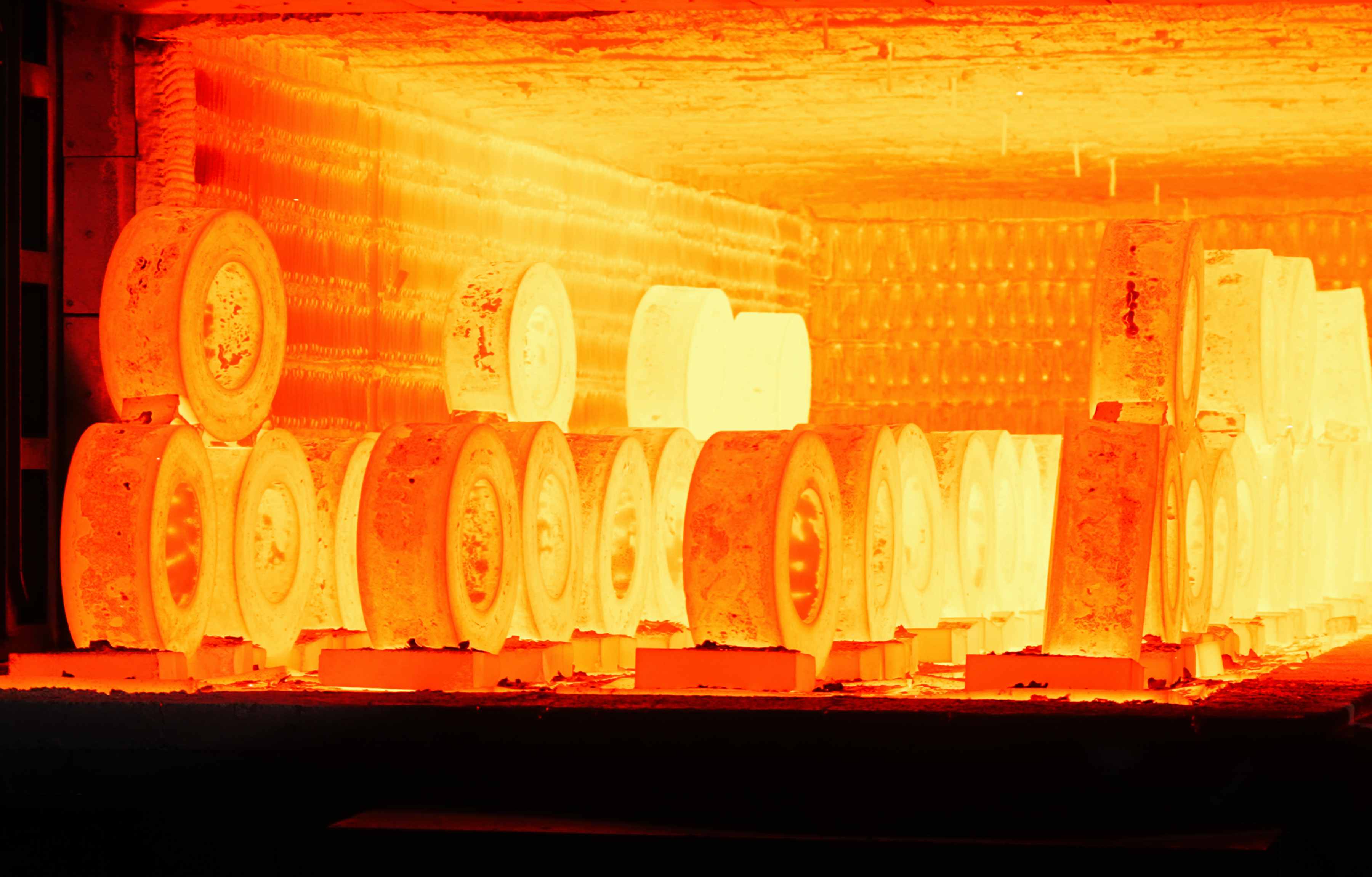
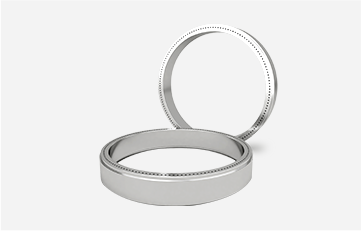
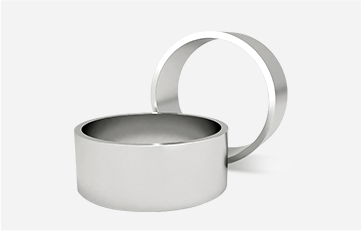
A quenched and tempered forged ring is a ring forging supplied after quenching and tempering. The QT designation identifies its heat-treatment condition; the steel grade, required mechanical properties, and finished dimensions are specified separately.
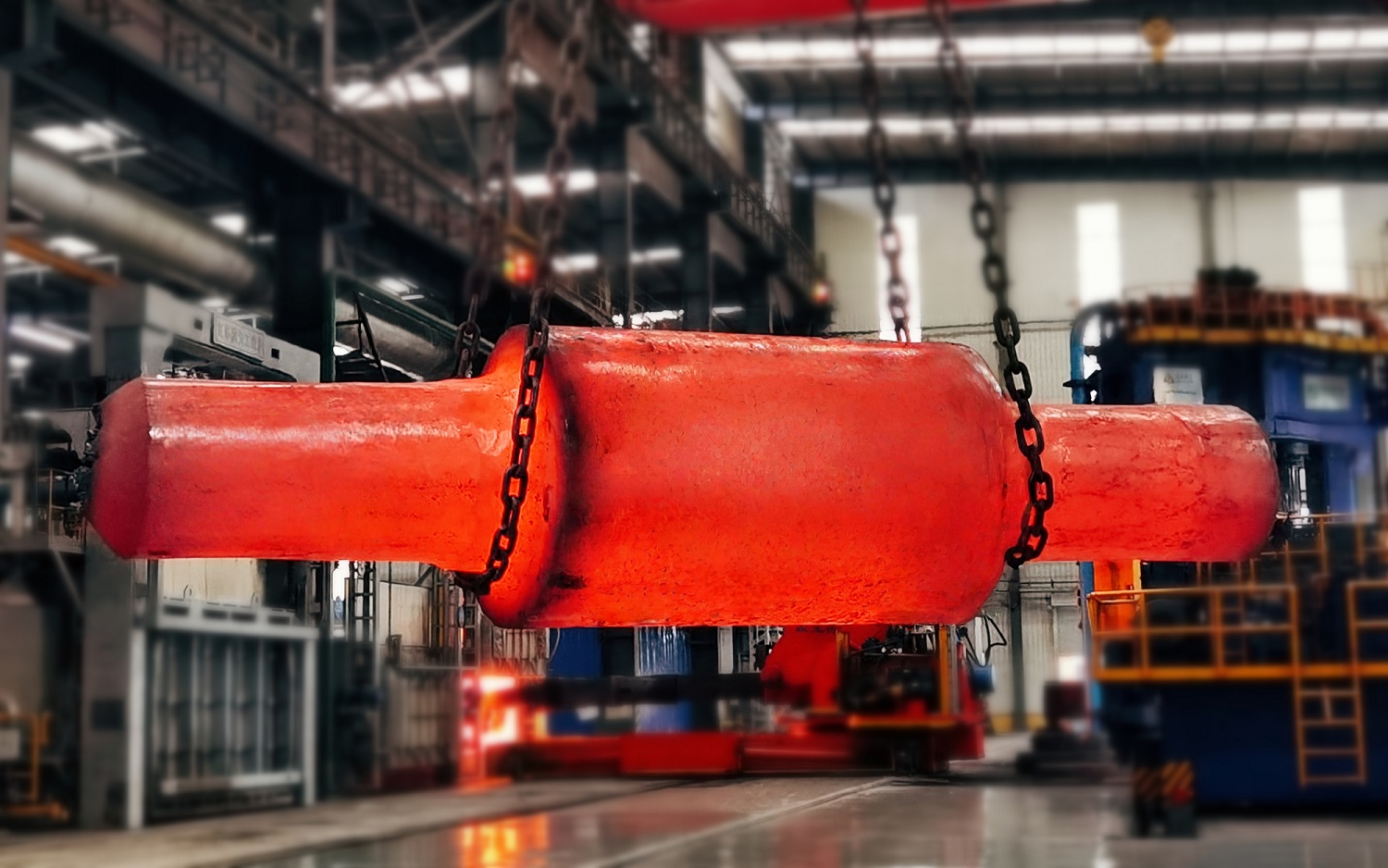
Heat treatment is one stage in the manufacture of the component. Ring forming establishes the circular geometry, thermal processing develops the required material condition, and machining produces the agreed dimensions and features. A finished ring depends on the coordination of these operations rather than on the QT designation alone.
Iraeta provides quenching and tempering alongside ring rolling and CNC machining. Its ring-forming capabilities cover rectangular cross-sections and complex profiles, allowing the manufacturing scope to be developed around the component drawing.

Seamless Ring Rolling and Quenching and Tempering
A ring can be both seamless rolled and quenched and tempered. The terms describe different manufacturing operations.
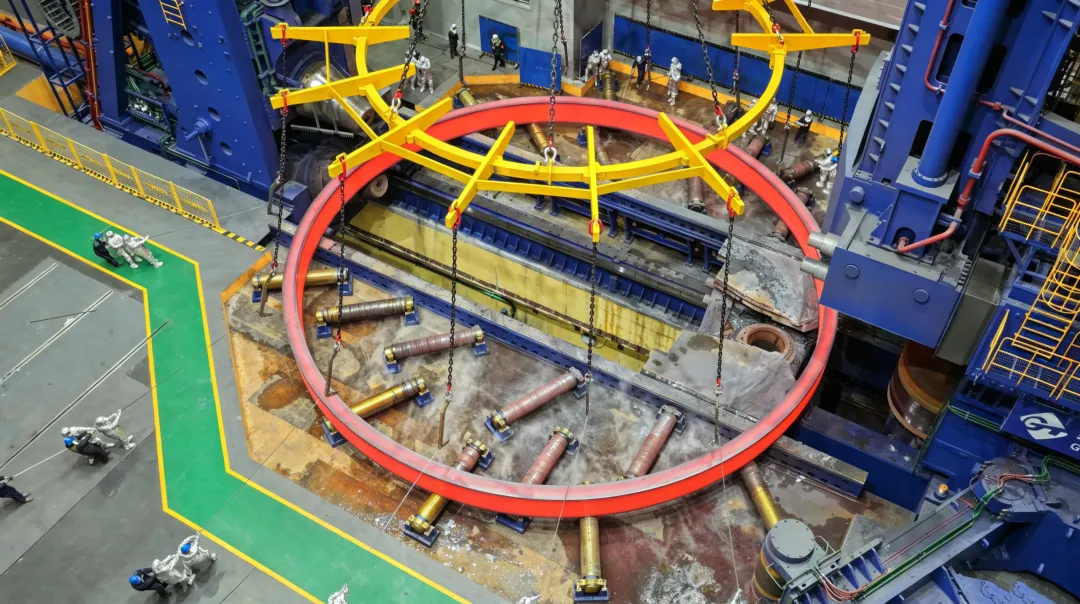
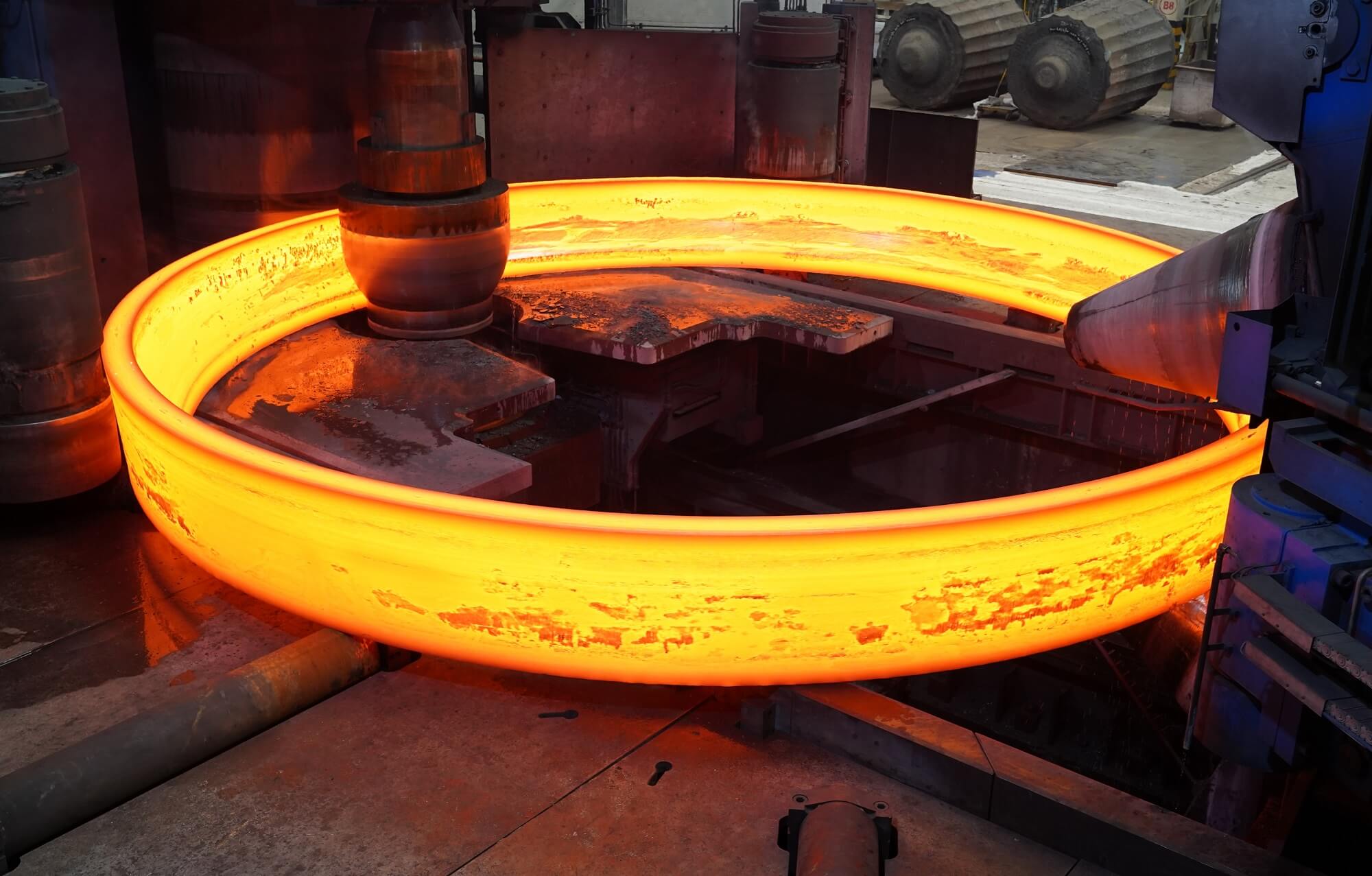
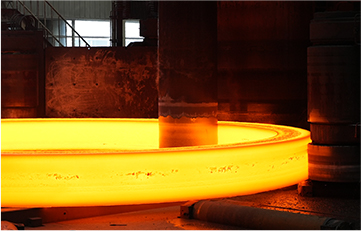
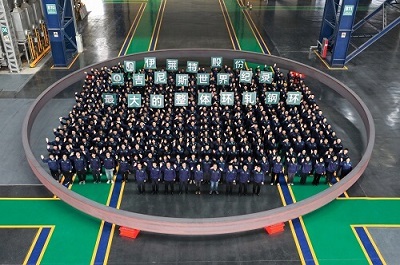
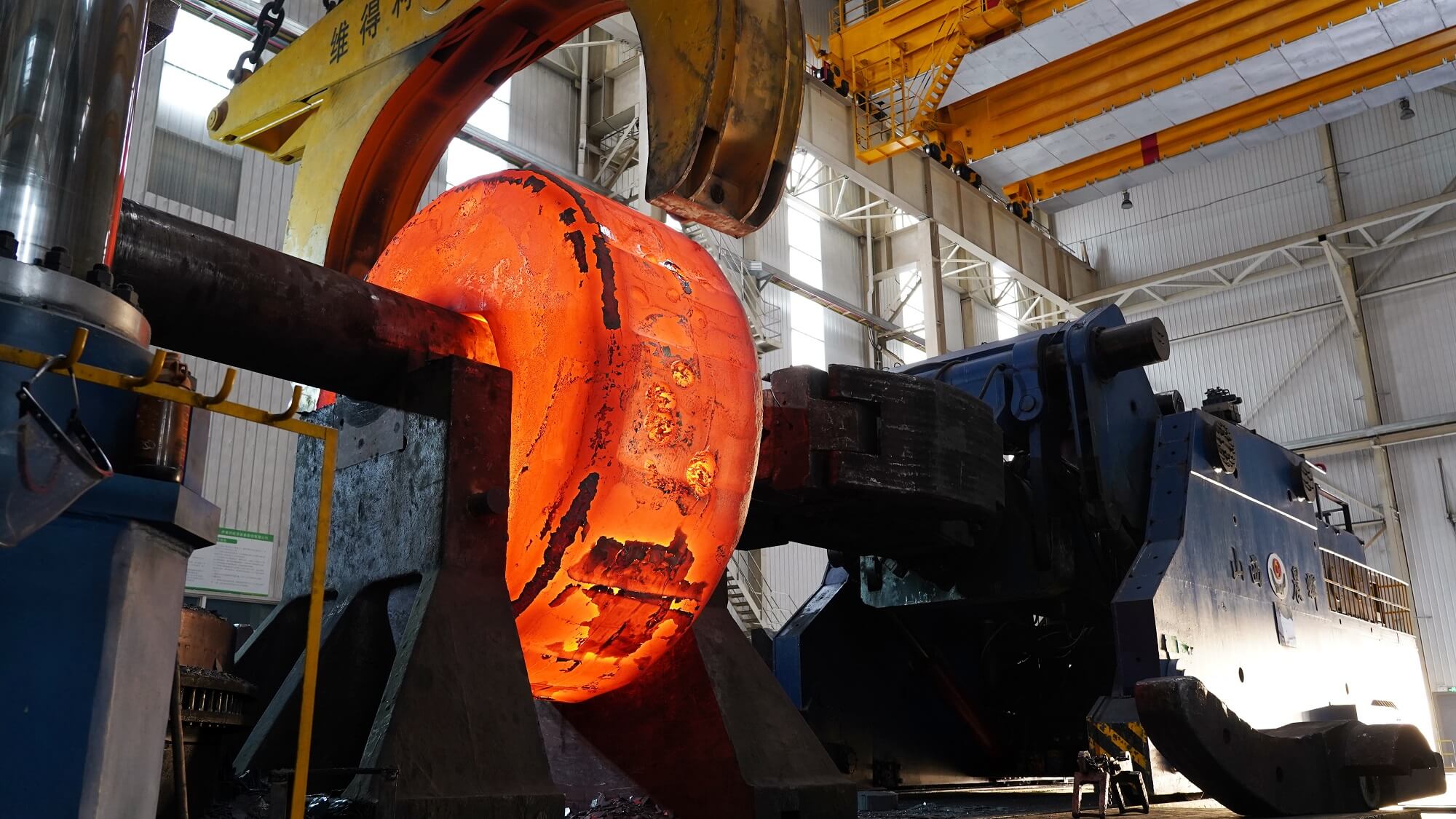
Seamless ring rolling begins with a solid billet. After heating, the billet is upset and pierced through the centre. The pierced preform is opened on a mandrel and transferred to the rolling mill. As the ring rotates, the rolls compress its wall, increasing the diameter and reducing the wall thickness.
The resulting ring is formed from one piece, without a circumferential weld joint. Near-net-shape rolling also brings the forging closer to its required geometry, reducing the stock left for subsequent machining compared with cutting a ring from a larger block.
Quenching and tempering establishes a thermal condition after forming. It does not replace the forming operation or identify the ring’s final machining state. “Seamless rolled ring, quenched and tempered, rough-machined” is therefore a more complete description than any one of those terms individually.
The custom ring forging range provides a product reference for ring-shaped components. For a quenched and tempered ring, the material specification and required delivery condition establish the thermal-processing requirement.
Mechanical Properties Depend on the Material Specification
Heat treatment influences strength, hardness, toughness, and wear resistance. Quenching and tempering is one of several thermal-processing options available for achieving a specified material condition.
The required result is expressed through the material specification and acceptance values. A QT designation does not establish a universal tensile strength, yield strength, hardness, or impact requirement.
For a particular ring, the steel grade and governing specification provide the material basis. Additional project requirements can then define the properties and examinations applicable to the component. Where a purchase specification includes several mechanical characteristics, each remains a separate acceptance requirement.
This distinction prevents a material description from being reduced to a single property. A hardness requirement, for example, does not by itself describe every mechanical characteristic specified for a ring. Likewise, stating that a ring is quenched and tempered does not identify the values against which it will be assessed.
Material and thermal condition must also remain consistent when a design changes. Substituting a different grade while retaining “QT” changes the material requirement. Retaining the original grade but changing the thermal condition changes the specified supply condition. Either proposal requires evaluation against the component’s engineering requirements.
Rectangular and Profiled Ring Sections
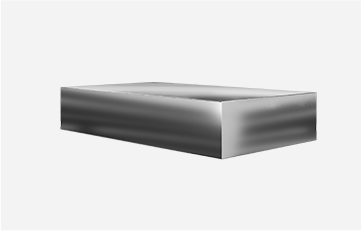
The ring section is part of the manufacturing definition. Outside diameter describes only the external envelope; inside diameter, axial height, wall thickness, and profile establish the actual shape.
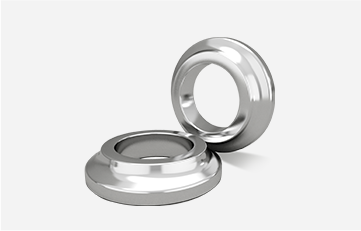
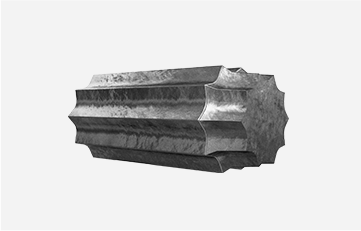
A rectangular-section ring can be described by its principal diameters and height. A profiled ring may include steps, recesses, and changes in section that require a complete drawing. These features distinguish the component from a plain ring of the same outside diameter.
Iraeta manufactures both rectangular-section and complex-profile ring forgings. Its ring rolling, heat-treatment, and machining services allow these operations to be considered within one supply scope.
The geometry at delivery may differ from the final component geometry. A forging blank retains stock for machining. A rough-machined ring has undergone specified dimensional preparation but still carries agreed allowances. A finished component includes the machining operations covered by its supply specification.
These differences matter when the equipment manufacturer provides a finished drawing but purchases an intermediate part. The quotation must identify the supplied geometry, rather than imply that every finished dimension and feature is included.
The section drawing therefore serves two purposes: it describes the component and establishes the relationship between the forging supplier’s work and any downstream operations.
Heat Treatment Within the Manufacturing Sequence
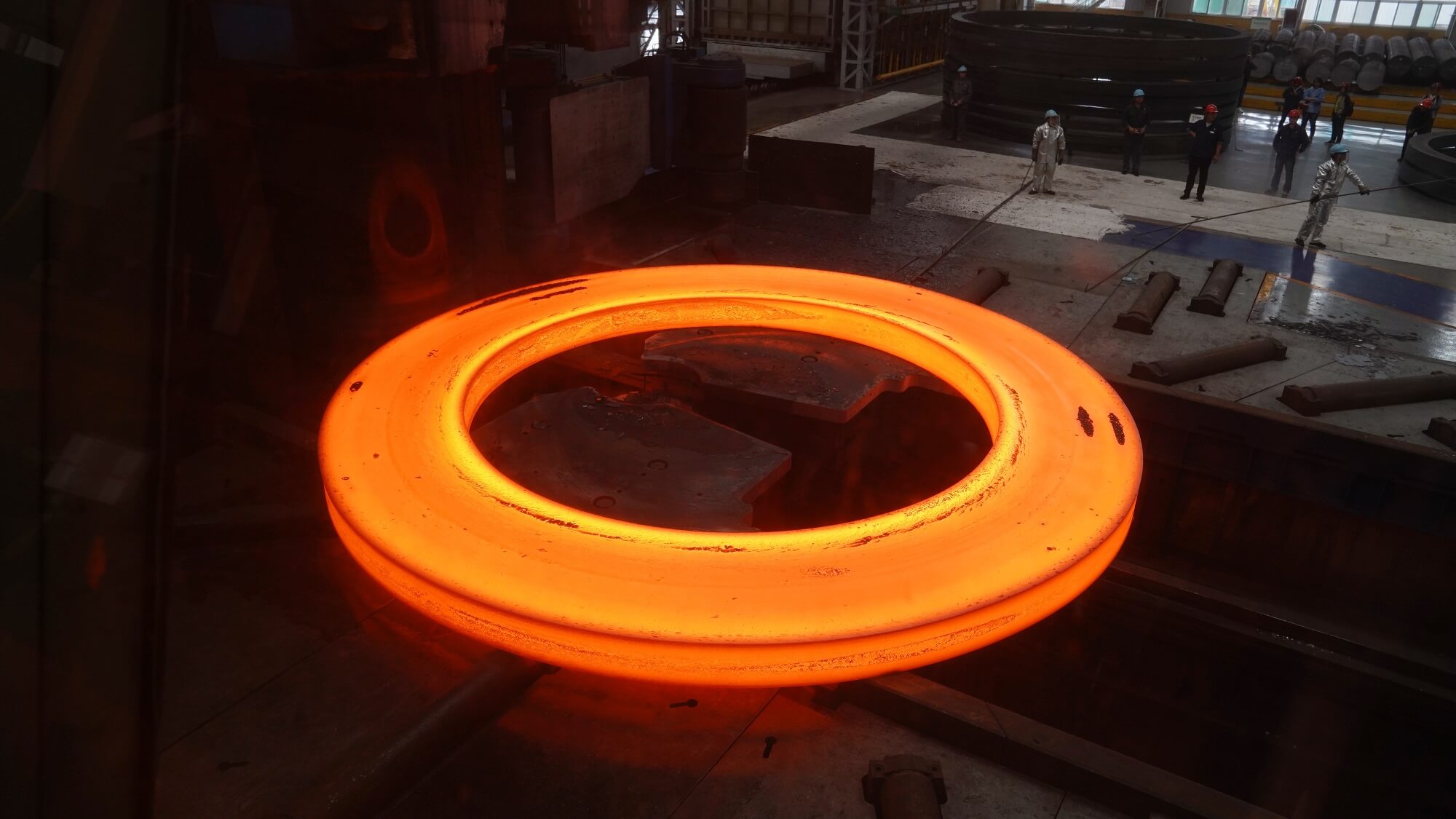
The general seamless-ring production sequence runs from billet preparation through upsetting, piercing, preform opening, and ring rolling, followed by heat treatment, machining, and inspection.
For a quenched and tempered ring, the production scope brings the required thermal condition into that sequence. The material specification, drawing, and delivery requirements establish the basis for the component-specific route.
The thermal-processing range includes quenching and tempering, normalizing, tempering, annealing, solution annealing, solution and precipitation hardening, stress relief, and other combinations.
These treatments are separately identified conditions. Their availability does not make one an automatic substitute for another. When the order specifies QT, a proposal for another condition represents a change to the technical requirement.
The same applies to processing and machining scope. A supplier may propose a route that differs from the buyer’s initial enquiry, but the accepted proposal must identify the condition and geometry of the delivered ring.
A single manufacturing scope can cover forming, thermal processing, and machining. Alternatively, the ring may pass to another company for further operations. In either arrangement, the delivery boundary establishes the work completed and the work remaining.
Machining After Forming and Thermal Processing
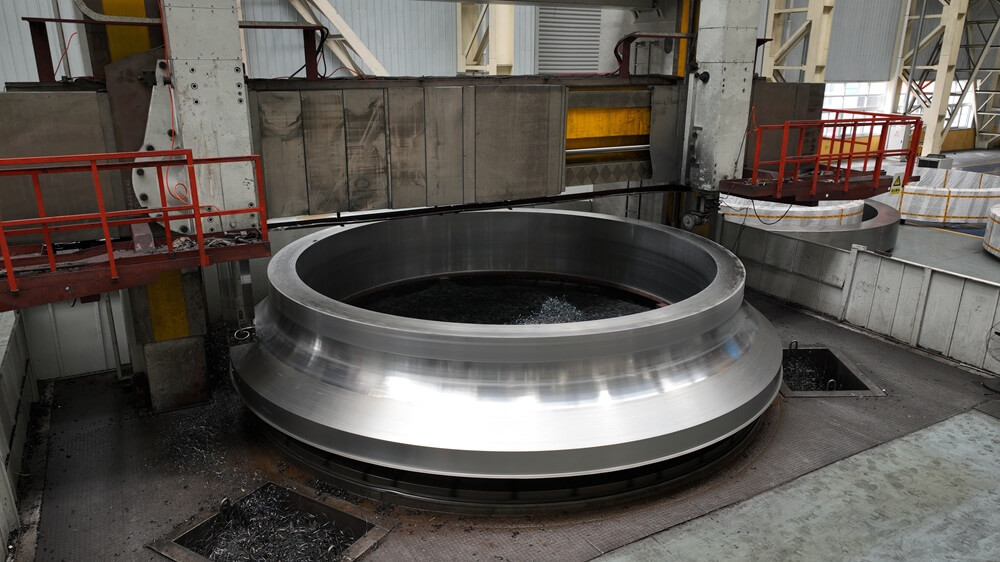
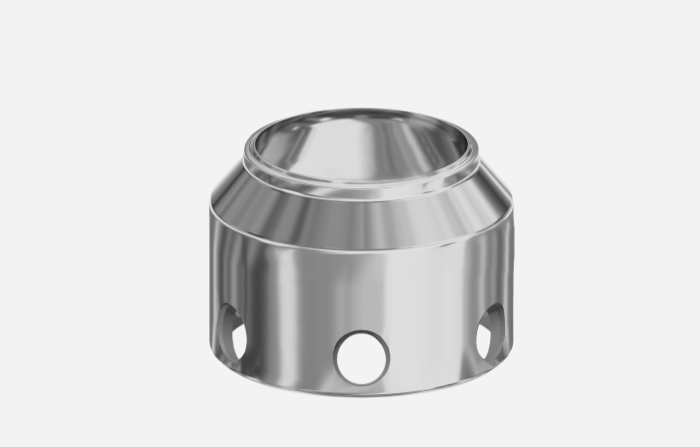
CNC machining converts the supplied forging geometry into the dimensions and features included in the order. Available operations include cutting, grinding, and drilling.
A quenched and tempered forged ring can therefore be supplied at different levels of completion.
For a heat-treated blank, the principal requirement is the agreed material condition and supply geometry. Subsequent machining remains outside that scope.
For a rough-machined ring, the quotation identifies the surfaces and features included, delivery dimensions, and remaining allowances. The buyer receives an intermediate component prepared for the next manufacturing stage.
For a finished ring, the scope extends to the drawing operations and tolerances expressly included in the agreement. A finished drawing alone does not establish that every operation has been quoted.
The practical distinction is delivery condition. It combines the ring’s thermal state with its dimensional state. “QT” answers the heat-treatment question; “rough-machined” or “finished” answers a different question about the component’s completion.
| Ring description | Thermal condition | Dimensional scope |
| QT forging blank | Quenched and tempered | Agreed blank dimensions with downstream machining remaining |
| QT rough-machined ring | Quenched and tempered | Defined machined surfaces and remaining allowances |
| QT finished component | Quenched and tempered | Included drawing features, dimensions, and tolerances |
These descriptions define possible supply boundaries rather than standard packages applicable to every ring.
Seamless Construction and Application Requirements
Seamless construction eliminates the circumferential weld joint associated with a ring fabricated by bending and joining plate or bar. Rolling also works the material around the ring, making the forming route relevant to components exposed to repeated loading.
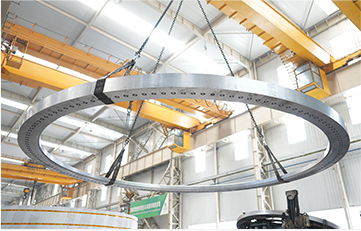
Such rings are used in bearing rings, gear rings, wind power flanges, kiln tyres, tunnel-boring equipment, and other heavy-duty assemblies. These applications do not impose identical material or heat-treatment requirements.
The seamless rolled ring manufacturing process also has limits. A low-load, non-rotating part may not require a rolled ring, while a very thick or unusual section may be better suited to an open-die forging route. Diameter, height, wall thickness, and load case remain relevant to that choice.
Quenching and tempering is therefore specified within the wider component design. It is not a reason to select a seamless rolled ring where another product form better suits the application, nor does seamless construction establish the correct thermal condition.
The forming route and heat treatment address different aspects of the part. Both must remain consistent with the intended component and its engineering requirements.
Final Dimensions and Acceptance Requirements
The supplied ring is assessed against its agreed material condition and geometry.
For a rough-machined component, dimensional acceptance applies to the specified intermediate dimensions and allowances. For a finished component, it applies to the included final drawing requirements. Keeping these stages distinct avoids applying finished-part dimensions to a ring that is intentionally supplied for further machining.
Mechanical testing and examinations follow the applicable material and purchase specifications. Where the order requires hardness, tensile, impact, or other results, the acceptance values and relevant conditions must be identified rather than inferred from “QT.”
A manufacturing proposal consequently brings together the steel grade, drawing revision, thermal condition, machining scope, and acceptance requirements. Recorded alternatives remain separate from confirmed requirements until approved.
This provides a consistent basis for production without extending the meaning of the QT designation beyond what it describes.
Integrated Supply of Quenched and Tempered Rings
Iraeta combines ring forming, thermal processing, and CNC machining within its manufacturing services. The scope can be developed around a rectangular or profiled ring and the required stage of completion, subject to the material and component review.
For a new quenched and tempered forged ring, the section drawing and material specification provide the starting point. Required properties, machining condition, quantity, and delivery schedule complete the basis for a technical proposal.
To discuss a component, contact the team with your ring drawing and QT requirements, or send the available enquiry package to ebiz@iraeta.com.


Recommended reading
Unlocking the Secrets of Forging: The Performance Code of Classic Processes
Must-Read for Ring Forging: Advantages and Applications of the Forge-Rolling Process
Open-Die Forging vs. Ring Rolling: Helping You Choose the Optimal Forging Process