













What Really Matters in Ring Forging Design?
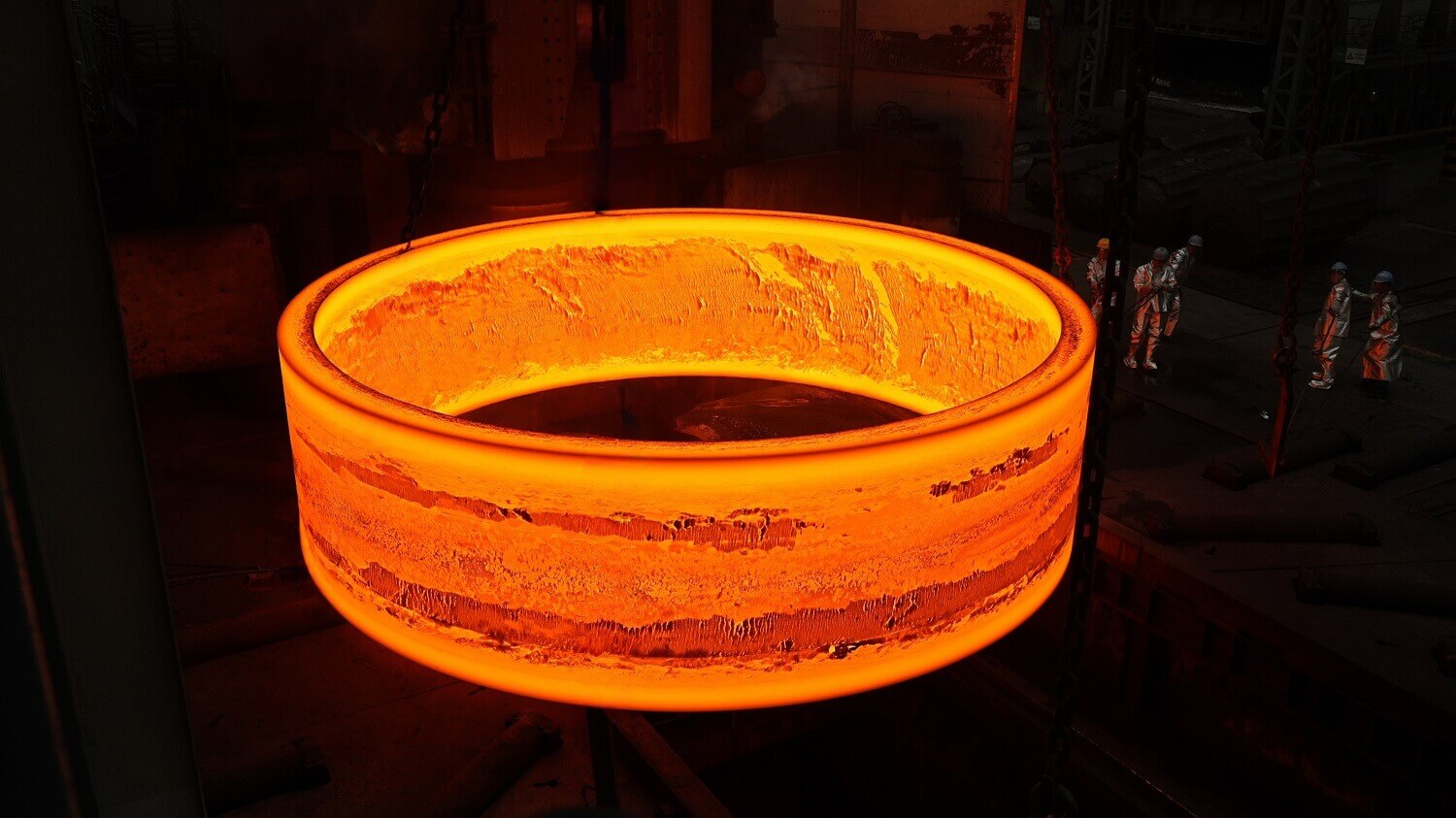
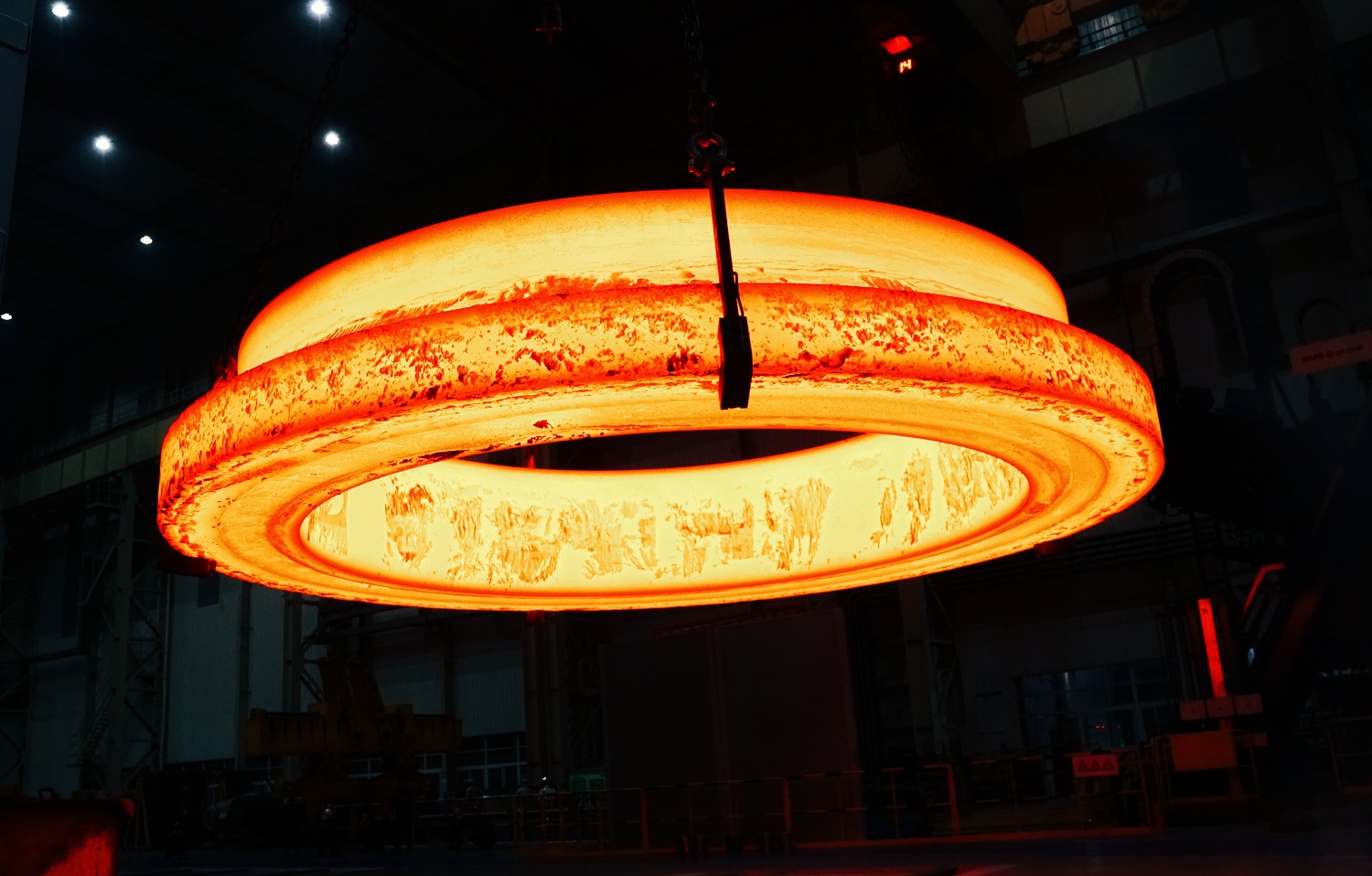
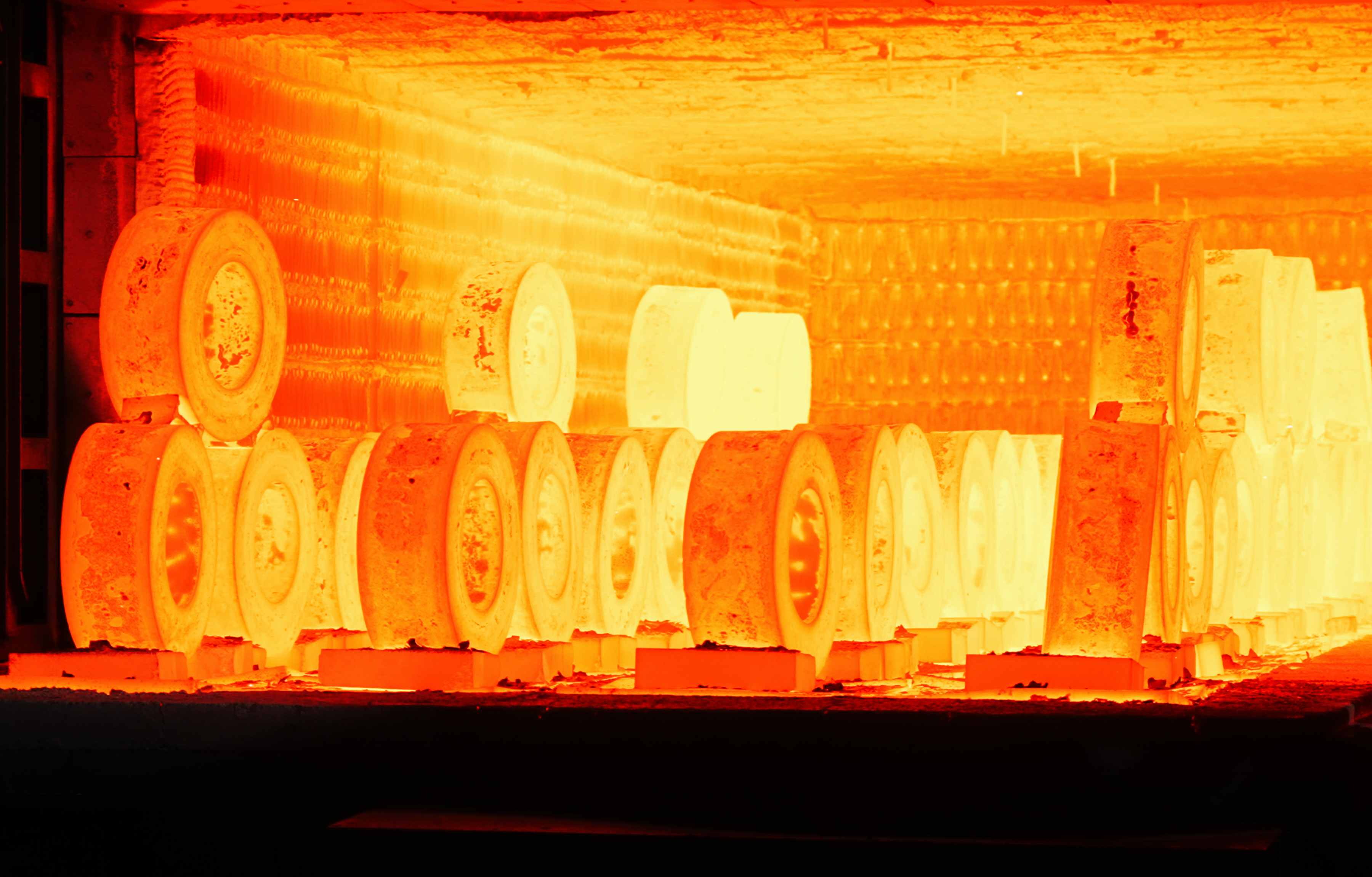
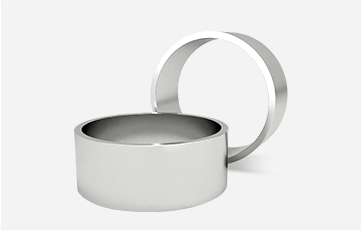
Forged rings are key parts in many heavy-duty machines and industrial equipment. Their role is a bit like the joints in the human body — not very noticeable, but carrying huge loads and keeping everything running safely. Whether a forged ring can handle high heat, heavy force, and years of use depends first on how it is designed.
Forged ring design may sound complex, but the core idea is simple:make sure it can be produced, make sure it works reliably, and make sure it is cost-effective.To do that, engineers must consider material, shape, process, equipment, and final quality — all at the same time.
A. Choose the Right Material
Different forged rings work in very different environments, so material selection is the first major decision. A ring that must handle high pressure needs a strong, tough alloy steel. Rings used in wet or corrosive conditions need corrosion-resistant materials. For applications where weight matters, aluminum or titanium alloys are good options.
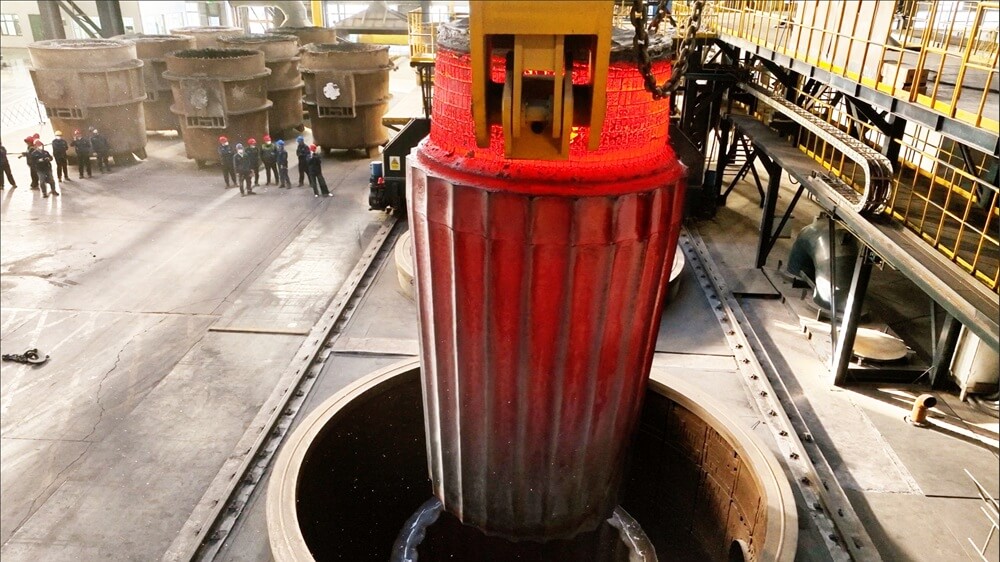
Besides the intended use, the “forgeability” of the material is just as important — it must have good plasticity (so it can be pressed and shaped without cracking), proper resistance to deformation (not so hard that it can’t be forged), and a suitable recrystallization temperature (so it can recover its properties after heating). Only with these qualities can the material go through the forging process smoothly and become a high-quality forged ring.
B. Design the Right Shape
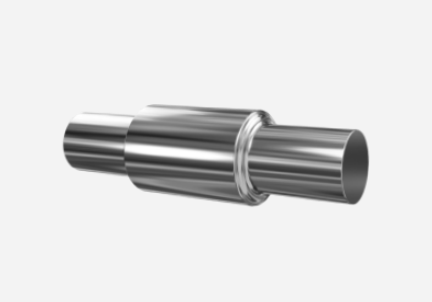
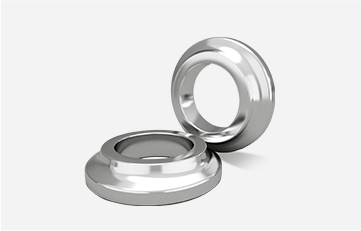
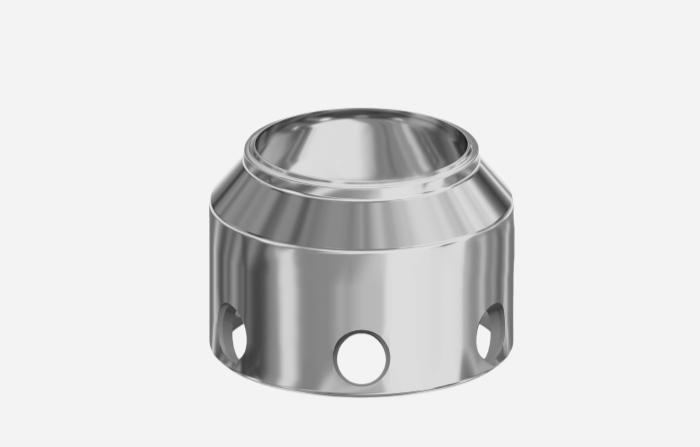
A forged ring may look simple from the outside, but details like dimensions, radii, steps, and transitions all matter. Poor structural design can make the forging process difficult and may create risks during use.
If the shape is too complicated, the metal may flow unevenly during forging, leading to defects. Sharp corners or sudden changes in thickness can create stress concentrations — the places where fatigue cracks appear first. Sometimes, simply rounding a corner or smoothing a step can greatly improve the ring’s strength and durability.
C. Set the Proper Forging Process
Choosing the right material and shape is only part of the job. The forging process also needs to match the design, or even the best idea on paper cannot be produced.
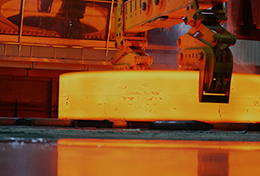
For example, the forging ratio — how much the metal is compressed and stretched — must be high enough to ensure proper deformation and good mechanical properties.
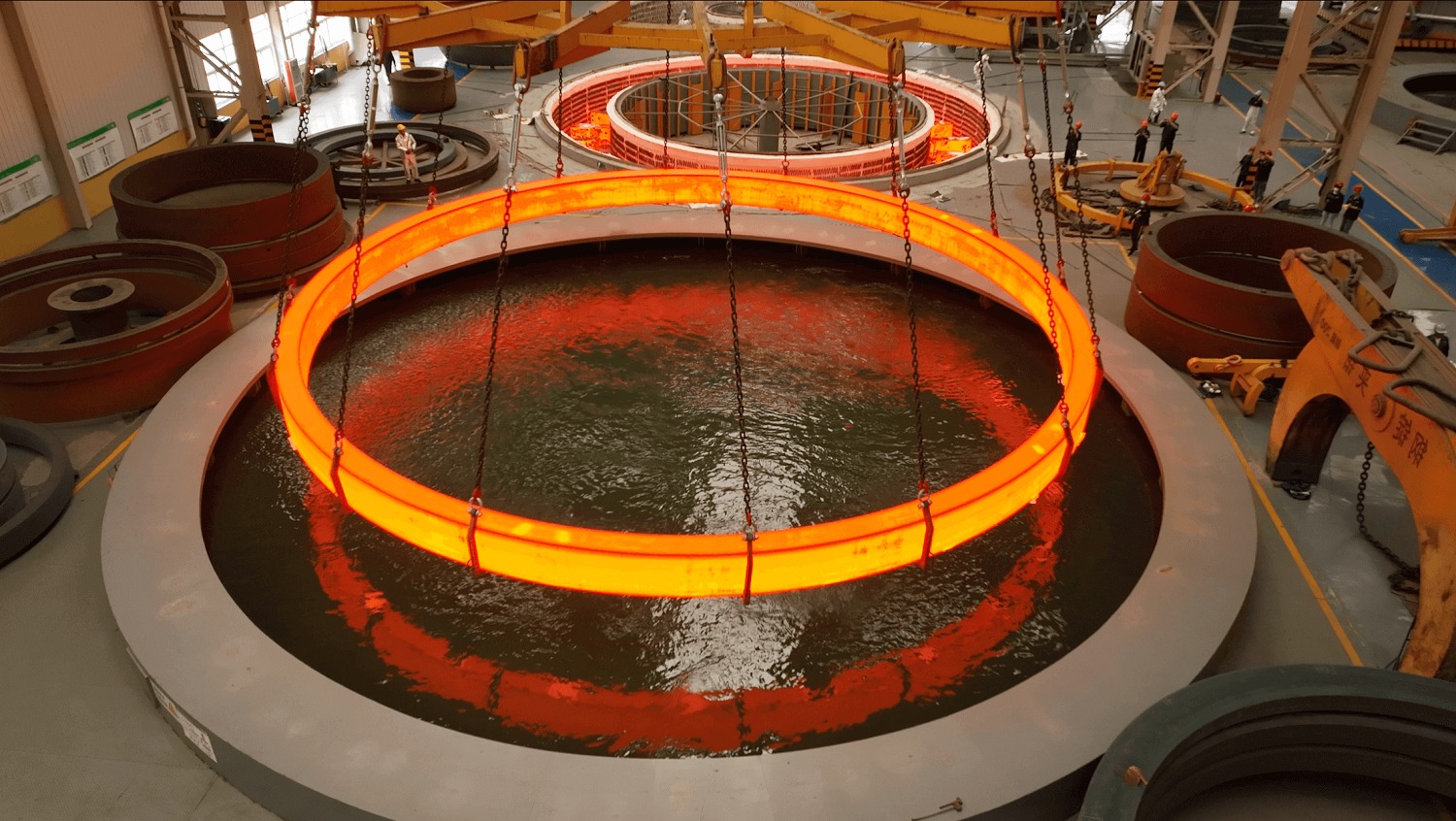
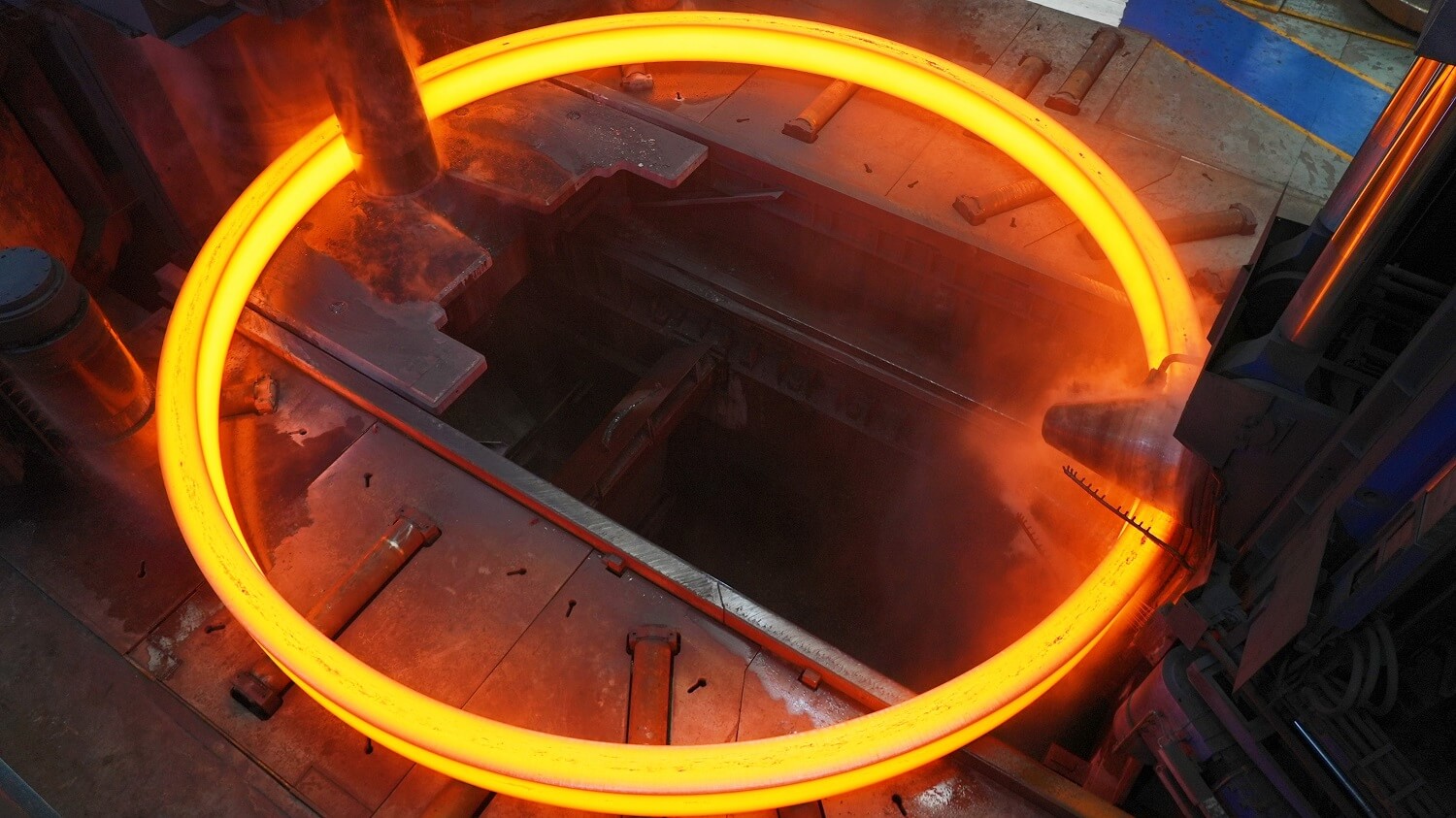
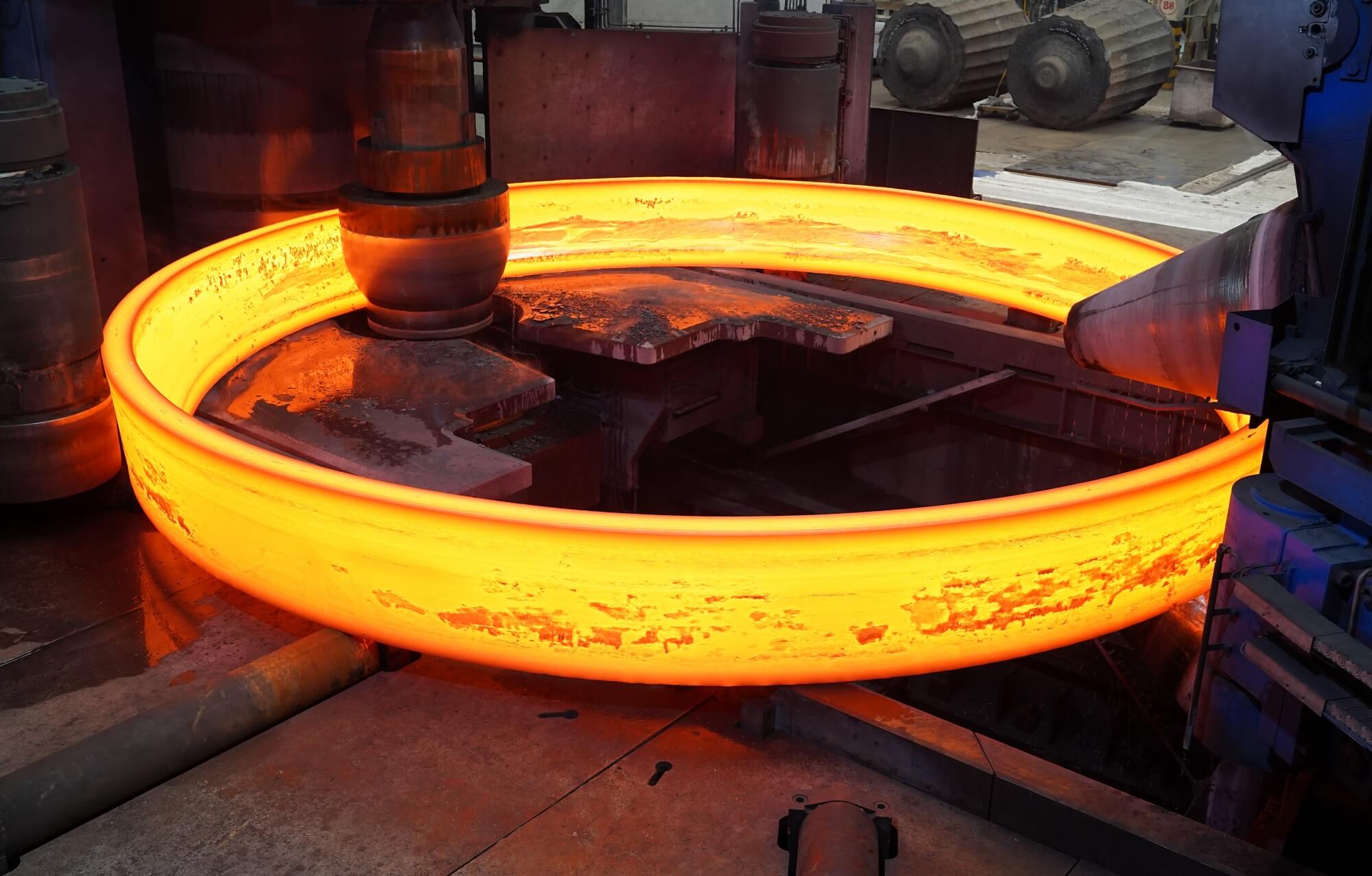
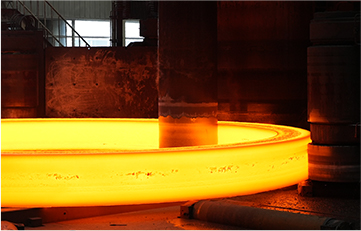
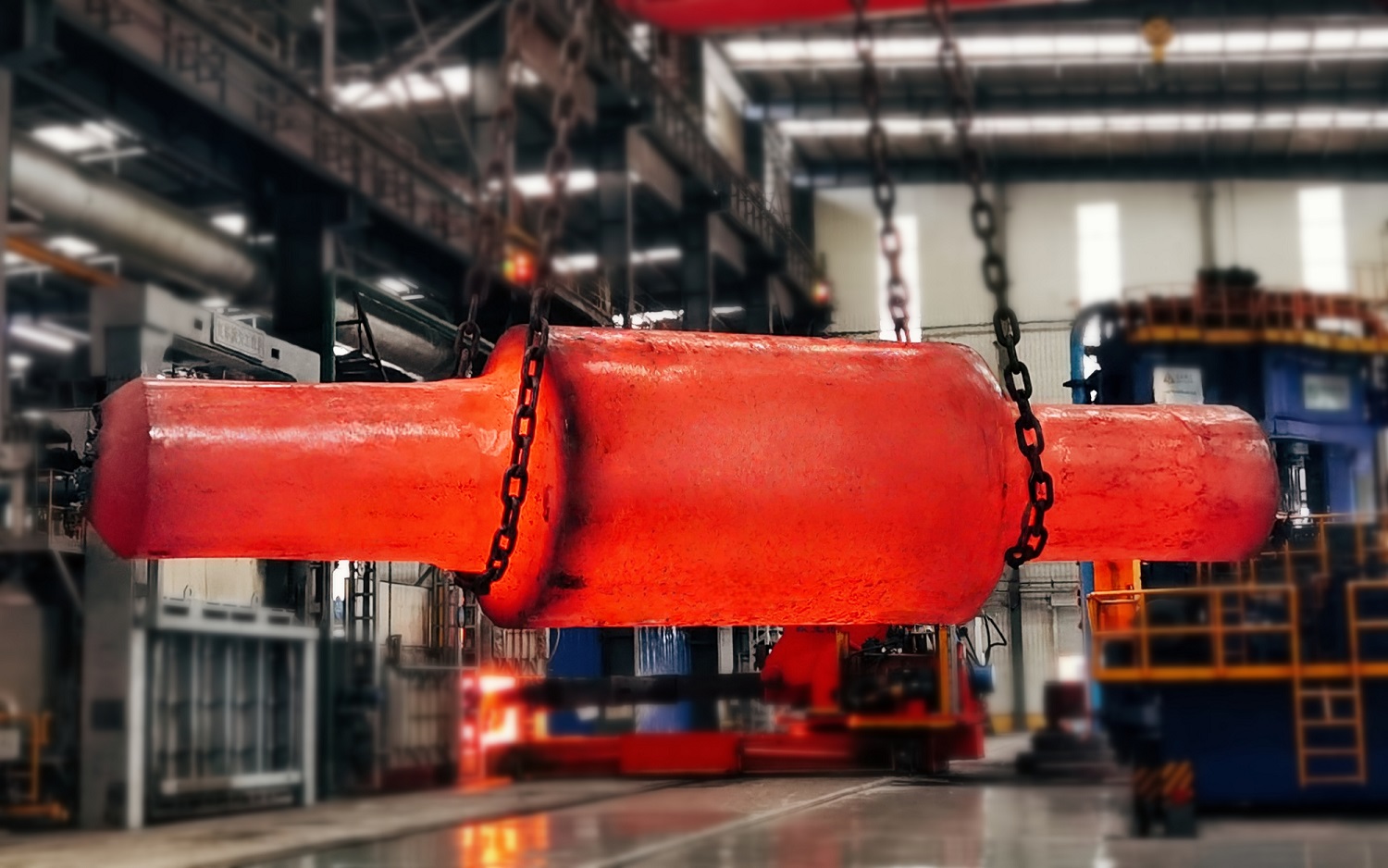
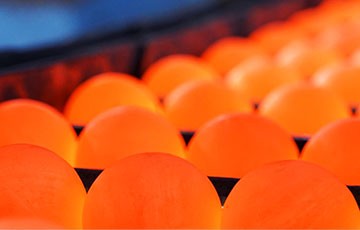
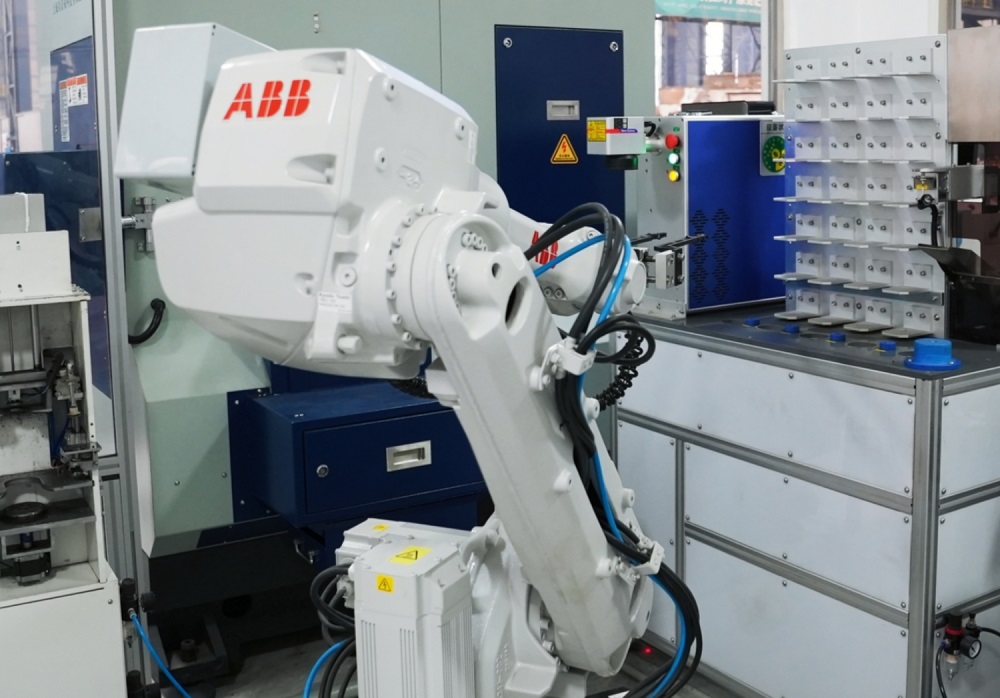
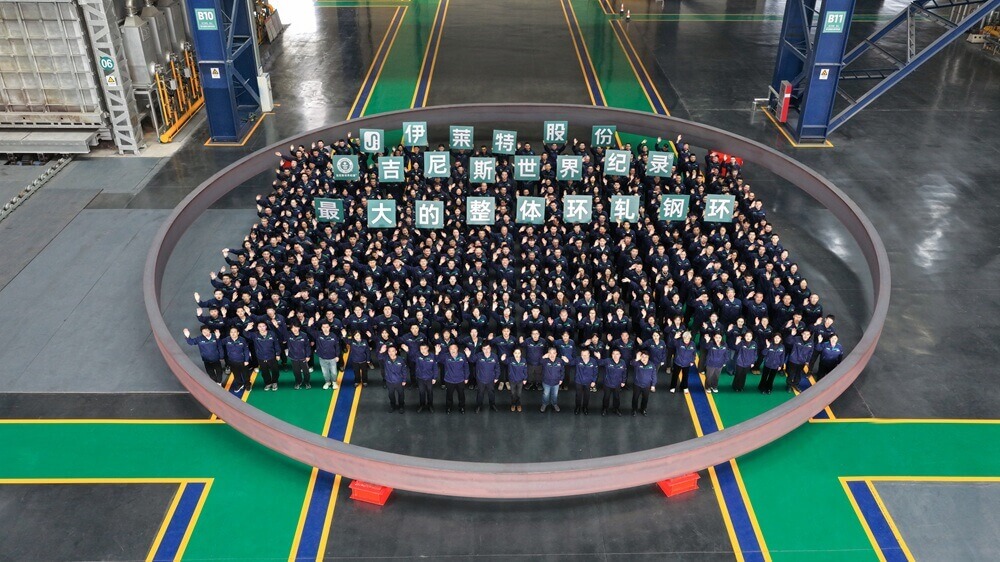
Equipment also matters. Simple small parts can be forged with an air hammer. Large or high-alloy rings may require a powerful press. Very large rings often need a ring-rolling mill to expand them step by step. If a design ignores equipment limits, it becomes nothing more than an “ideal drawing.”
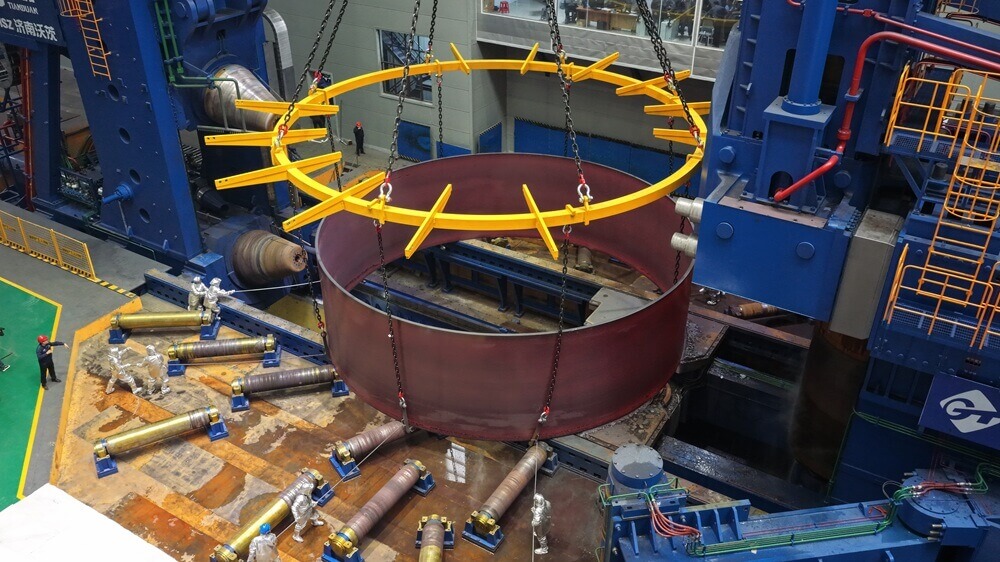
D. Get the Cost Right
A good design must be reliable, but it also needs to be economical. Material usage, machining allowance, and process planning all affect the final cost.
If the starting billet is too large, material is wasted. If it’s too small, there may not be enough allowance for machining, and any small mistake could ruin the part. A solid design always finds the balance — strong and stable performance without unnecessary cost.
E. Designing a Forged Ring Is Really About Thinking Ahead
Designing a forged ring is not just drawing a circle. It is more like predicting the future — how the ring will be used, what conditions it will face, and how it will be made. Behind every decision is a mindset focused on reliability.Those repeatedly checked dimensions and carefully adjusted details are what make heavy equipment stable and safe in the real world.
To understand forged ring design is to understand how modern industry works.


Recommended reading
Unlocking the Secrets of Forging: The Performance Code of Classic Processes
Must-Read for Ring Forging: Advantages and Applications of the Forge-Rolling Process
Open-Die Forging vs. Ring Rolling: Helping You Choose the Optimal Forging Process