













Large Scale Forged Ring: Products, Capabilities and Supplier Evaluation
Large ScaleForged Ring: A Supplier Evaluation Guide
Choosing a large scale forged ring supplier starts with the component you need: its application, geometry, material, machining requirements, and inspection criteria. Relevant production experience and a clearly defined scope of supply provide the basis for evaluating a quotation.
Iraeta supplies ring forgings for energy and heavy industrial equipment, with services covering raw material customization, forging, heat treatment, machining, inspection, and transportation.
Large Forged Rings Available from Iraeta
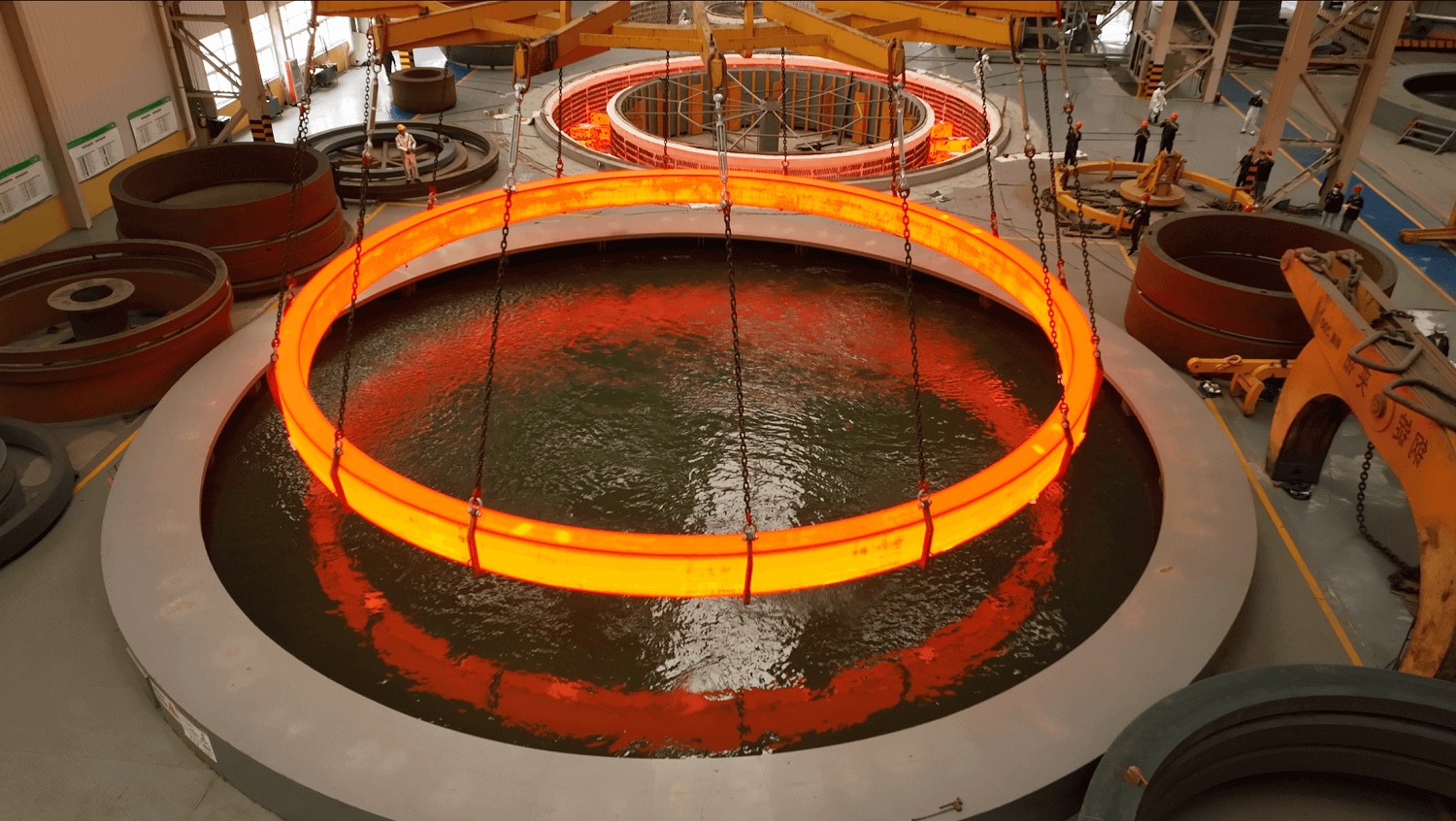
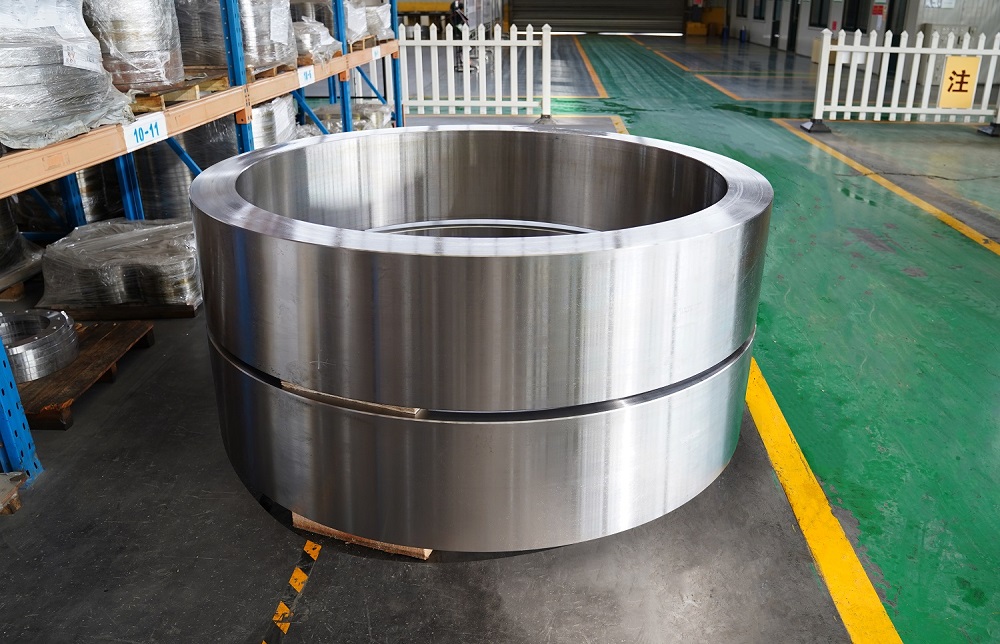
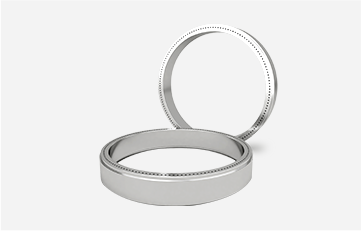
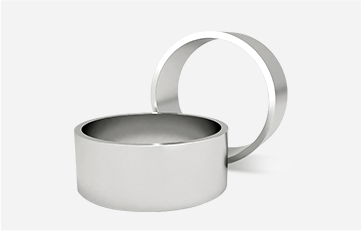
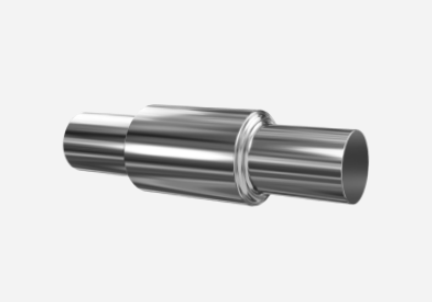
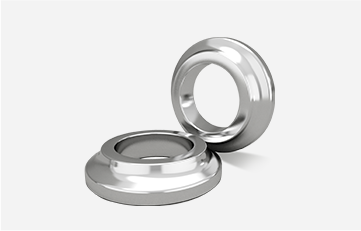
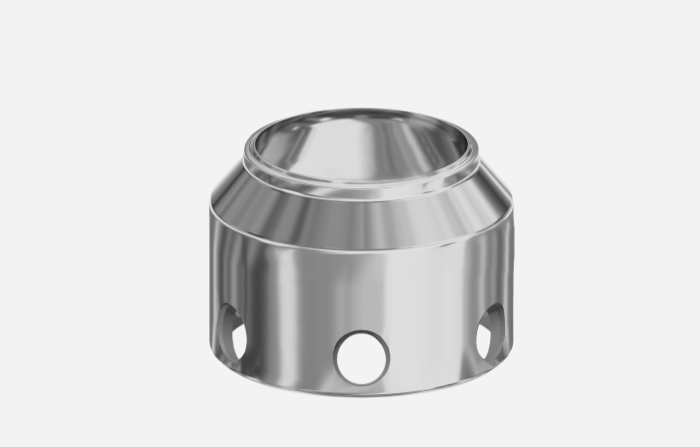
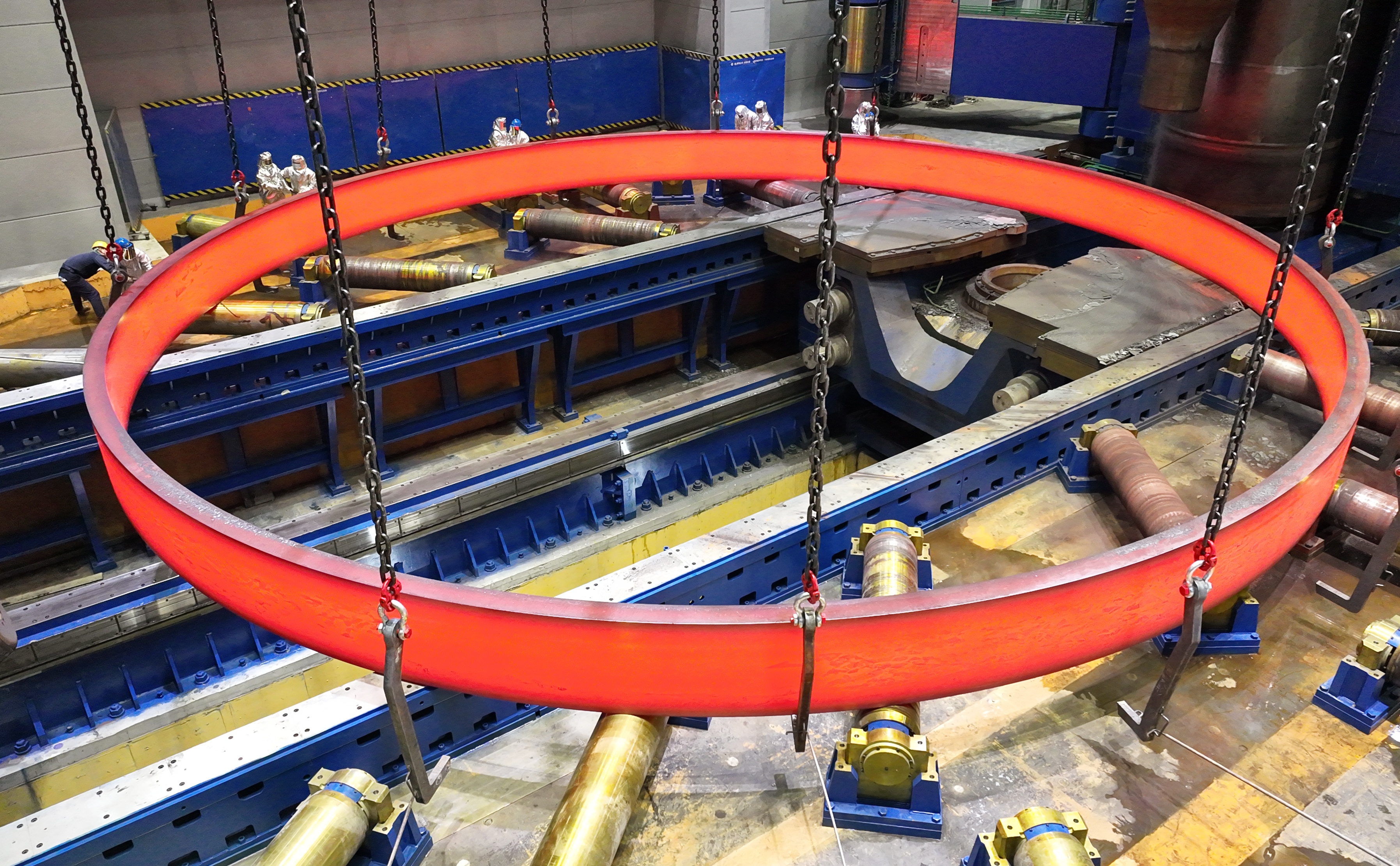
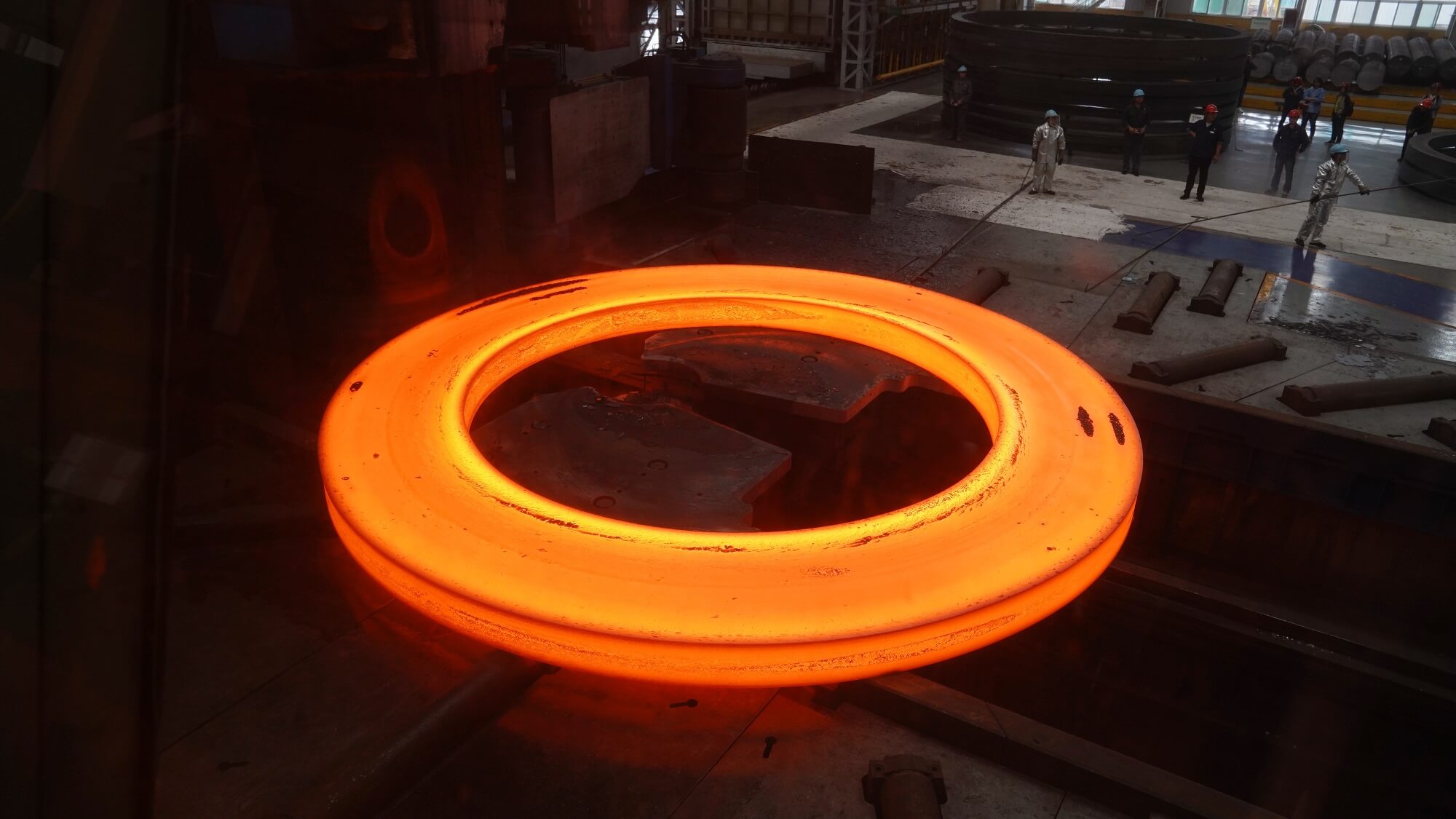
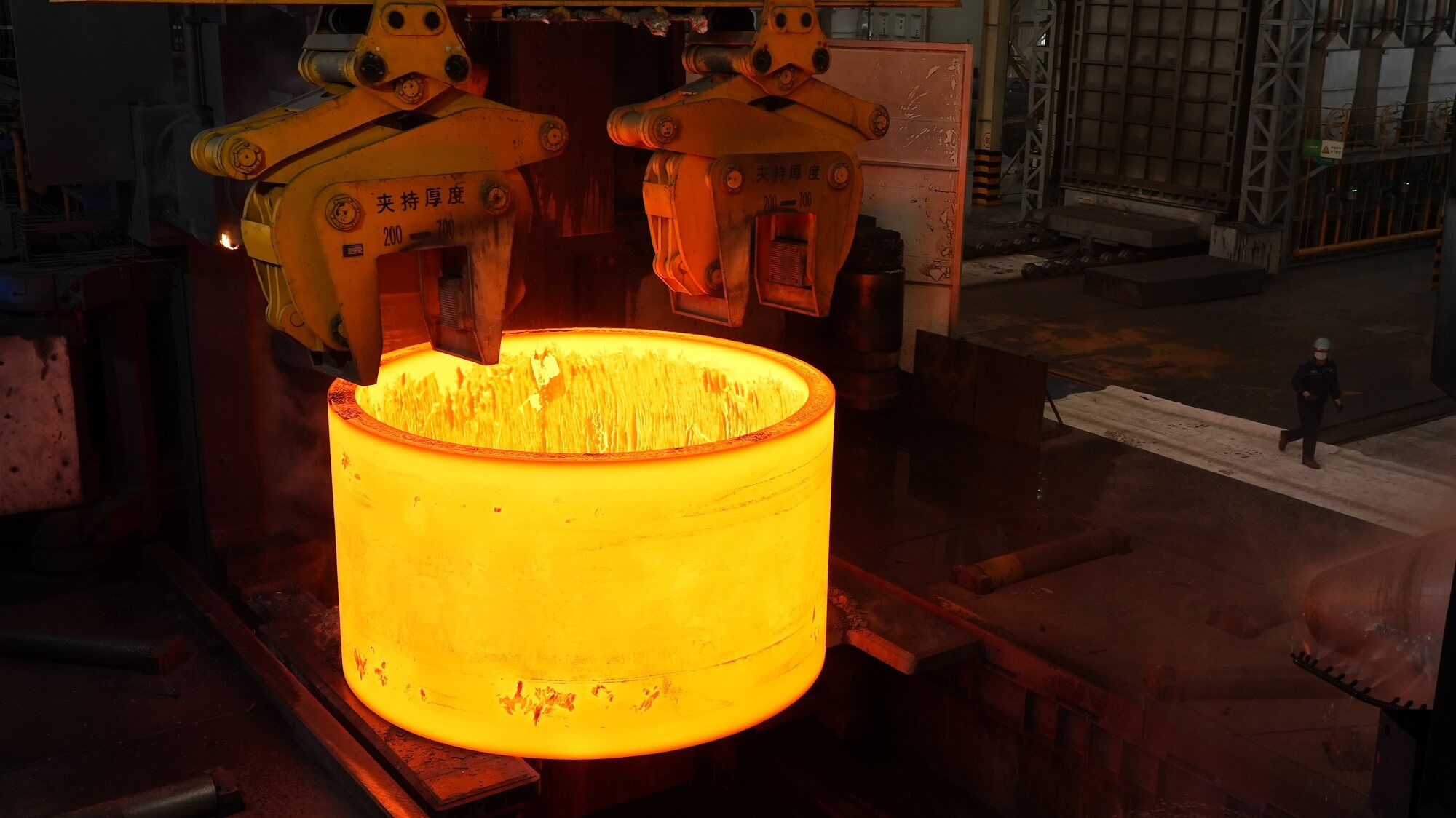
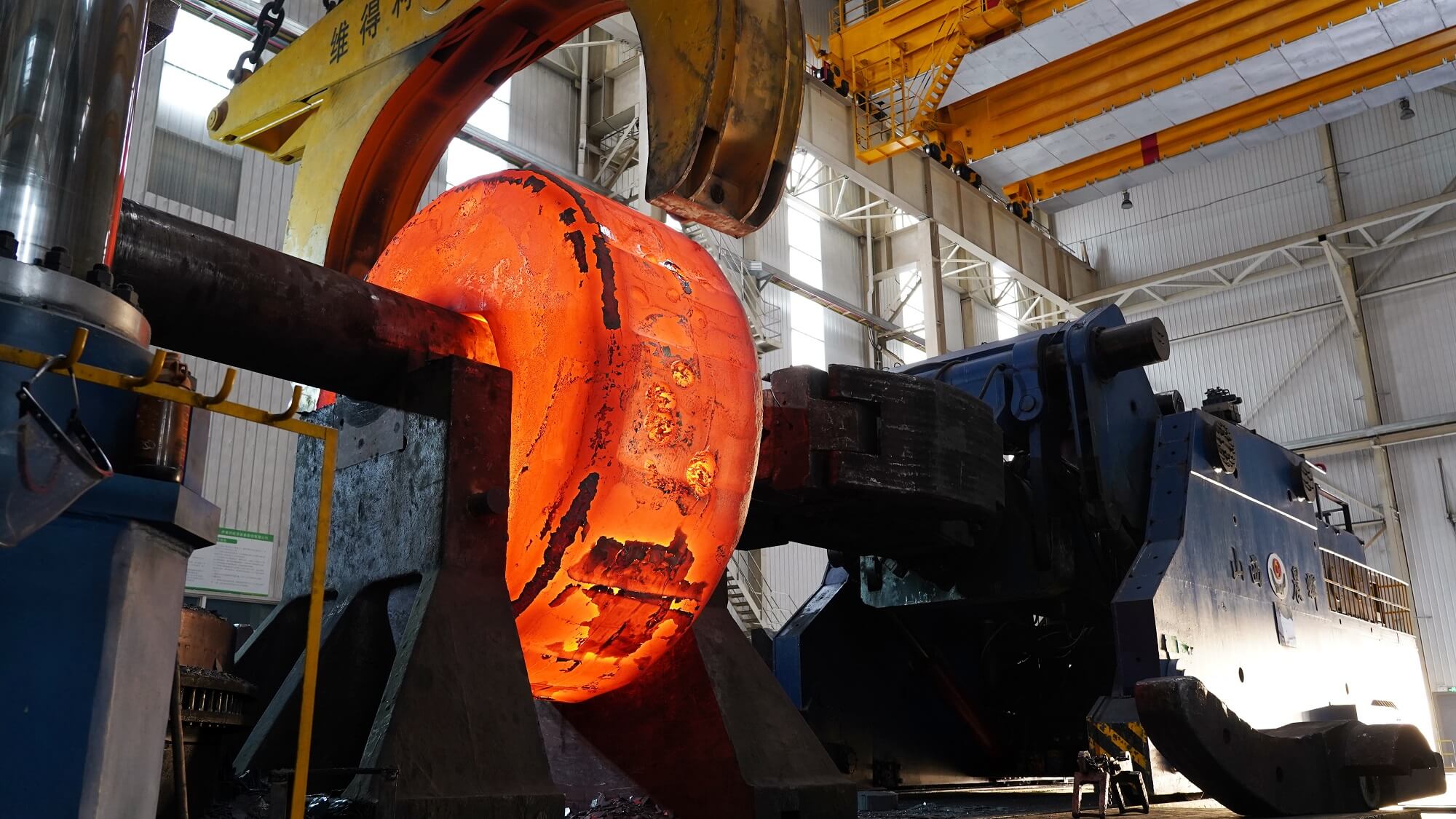
The product range includes bearing rings, gear rings, wind tower flanges, and rotary kiln riding rings. Applications span wind power, hydropower, nuclear power, offshore engineering, and large industrial equipment.
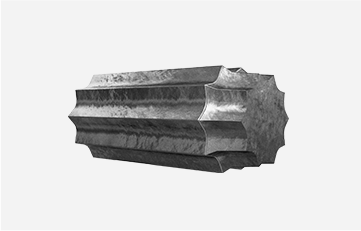
The custom ring forging range includes rectangular and profiled cross-sections. For a non-standard component, the drawing establishes the required outer diameter, inner diameter, axial height, and section geometry.
The technical review then addresses the material specification, heat treatment condition, machining scope, and inspection requirements. Assembly-critical surfaces and dimensions should be identified on the drawing so the proposal addresses the features that control fit and function.
For a design still in development, separating fixed dimensions from features open to adjustment gives the manufacturing review a clear focus.
Relevant Experience in Ultra-Large Seamless Rings
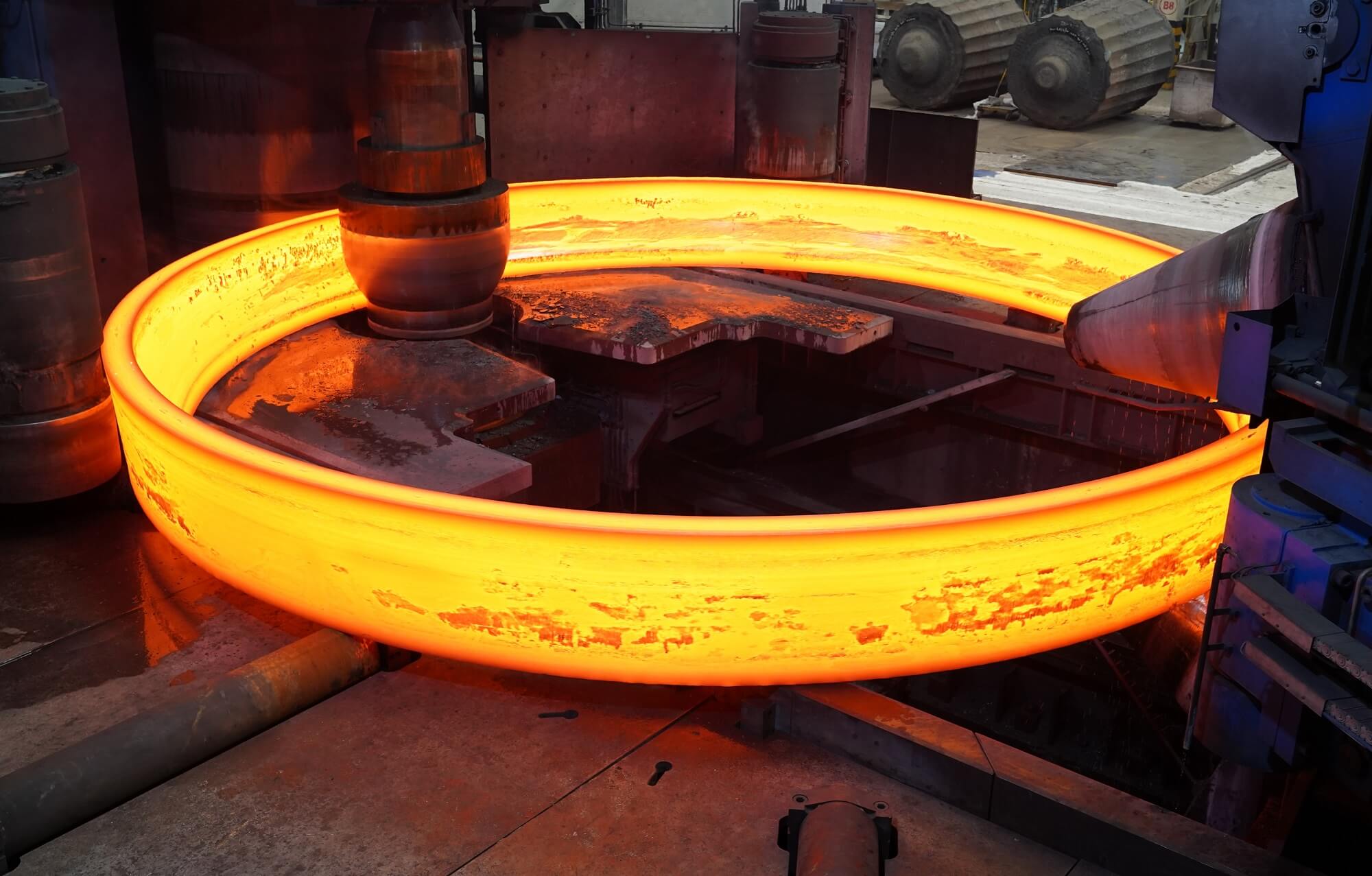
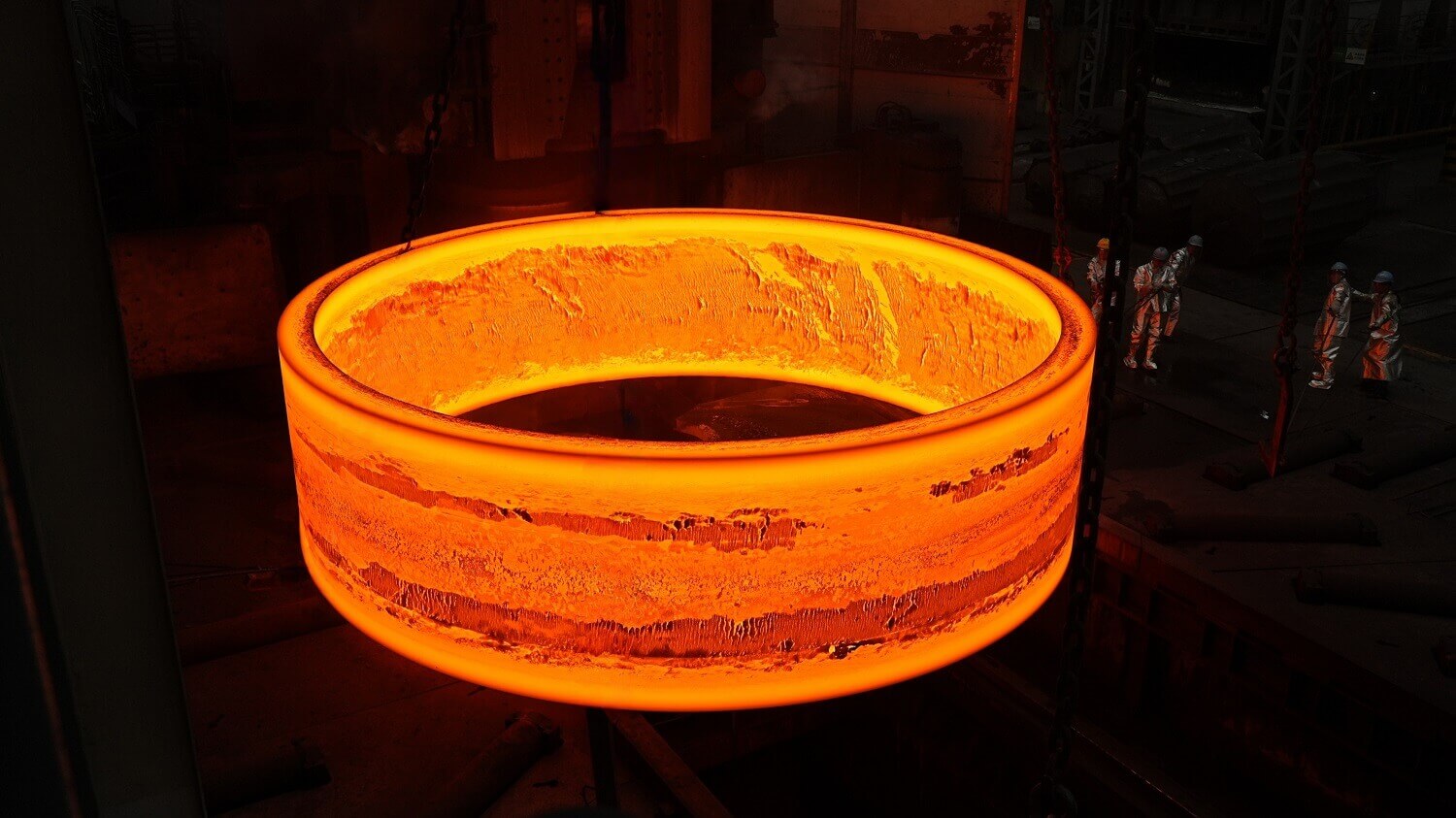
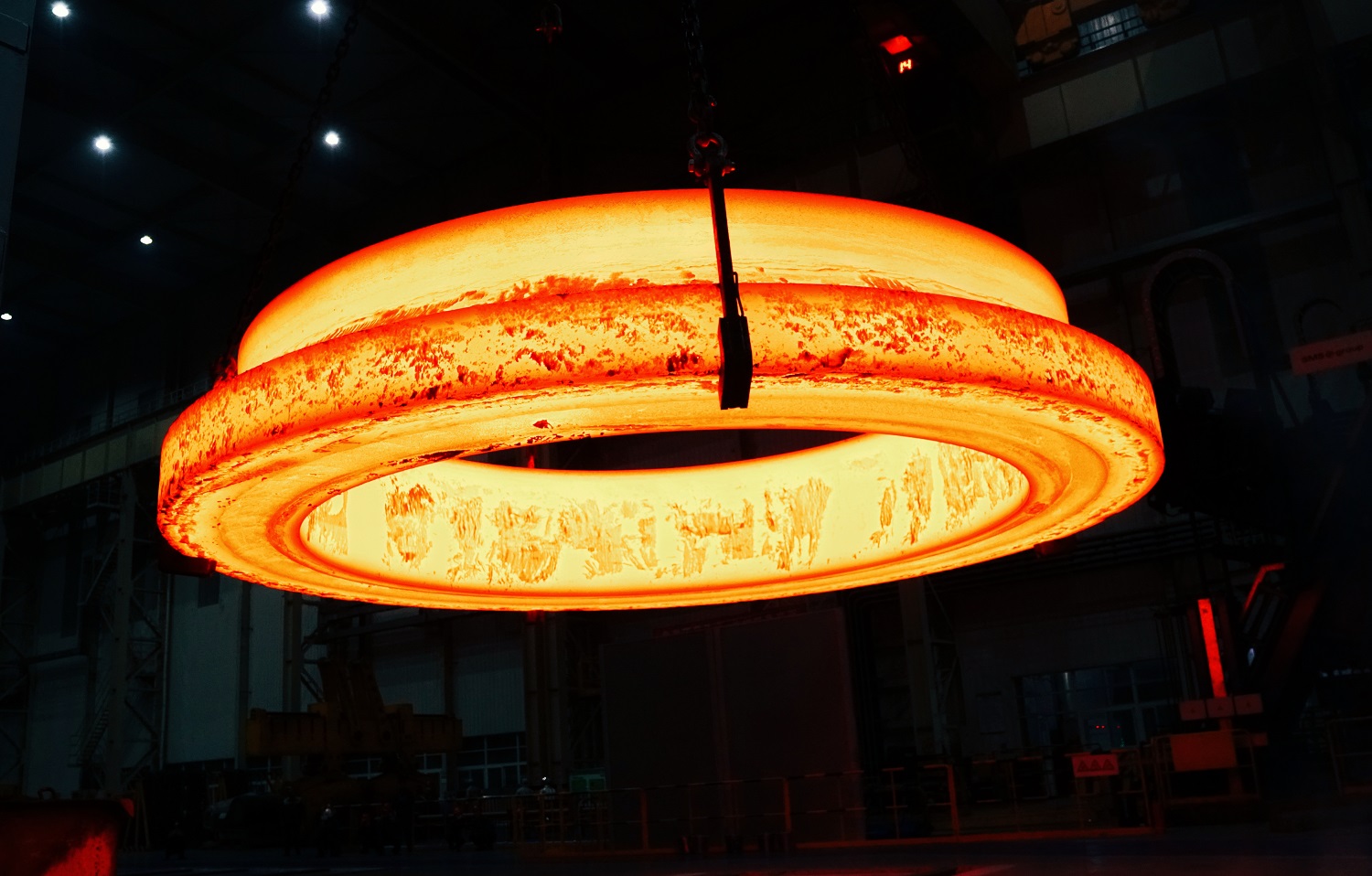
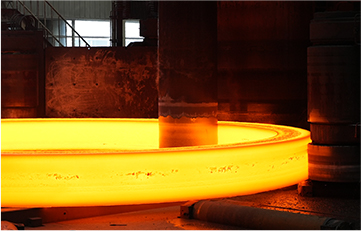
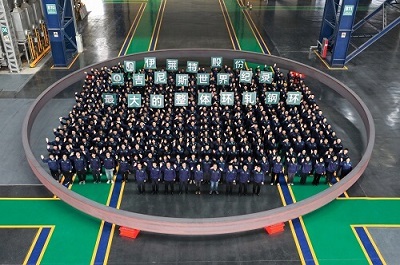
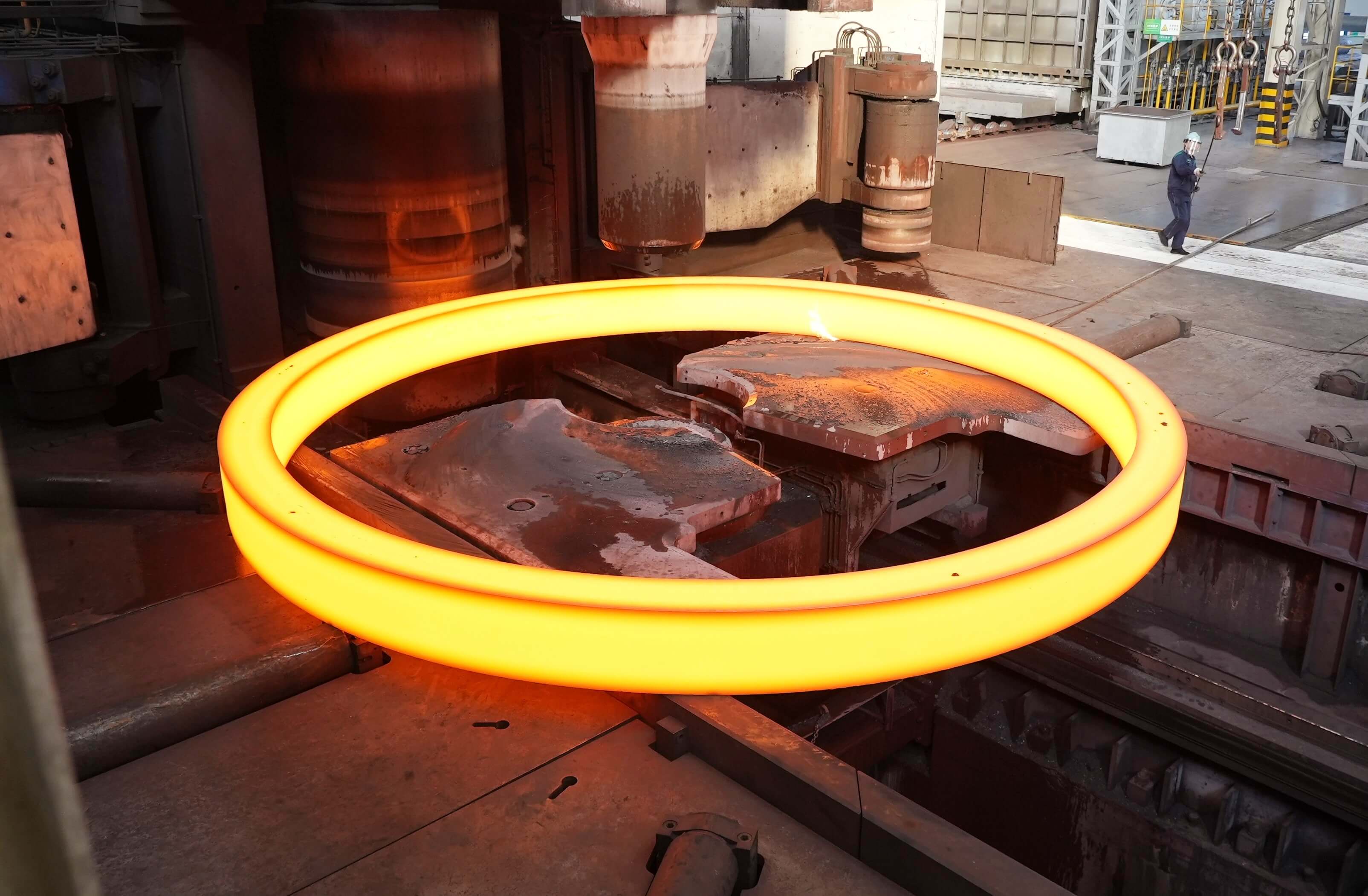
In January 2026, Iraeta presented two integrally seamless rolled rings. One had an outer diameter of 21.029 metres and a base material weight of 143 tonnes. The other measured 18.63 metres in outer diameter and used base material weighing 280 tonnes.
These two ultra-large seamless rolled ring examples demonstrate why diameter and starting material weight deserve separate attention: the smaller-diameter ring used the heavier base material.
For a new component, compare the production experience closest to its requirements. A similar ring section, material, or machining condition can provide a more relevant reference than diameter alone. The discussion should establish how that experience relates to the proposed manufacturing route and delivery condition.
Manufacturing Route and Scope of Supply
A complete proposal connects the material requirements with the operations included before delivery. Raw material supply, forging, heat treatment, machining, inspection, and transportation should form a defined scope rather than separate assumptions.

Material and Heat Treatment
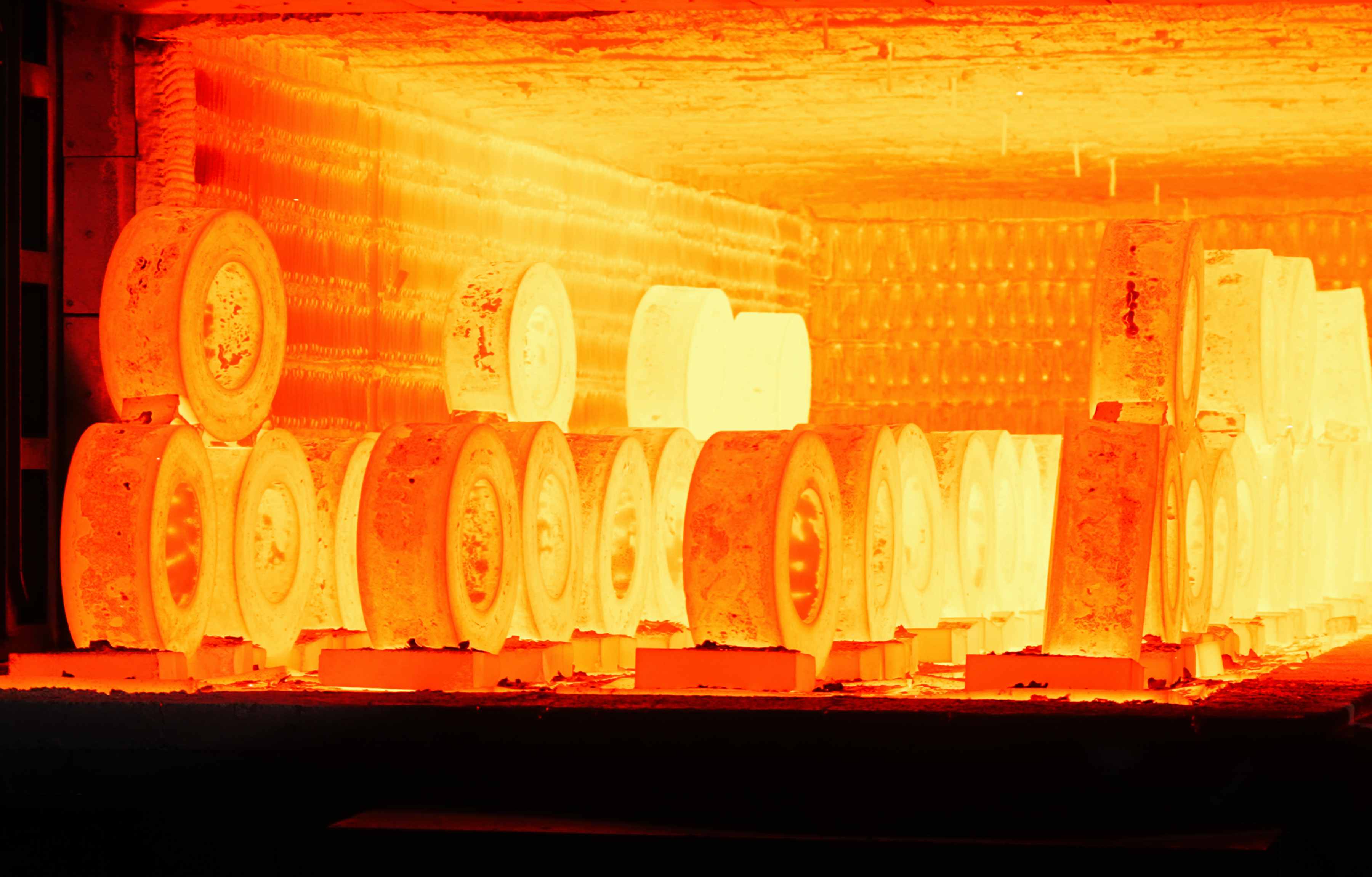
The material specification and required mechanical properties provide the starting point for selecting the heat treatment. Available processes include normalizing, tempering, quenching and tempering, annealing, solution treatment, ageing, and stress relief.
The proposal should identify the treatment included, the required material condition, and the properties to be verified. This gives engineering and quality teams a common reference for reviewing the manufacturing route and test requirements.
Machining and Delivery Condition
A forged blank, a rough-machined ring, and a ring machined to agreed drawing requirements represent different deliverables.
Define the surfaces and features to be completed before delivery, the dimensional tolerances to be met, and any machining that remains with the purchaser or another contractor. A marked-up drawing can make these responsibilities explicit, particularly when only selected surfaces are included.
The description “machined ring” should therefore be supported by a drawing reference and an agreed machining scope.
Transportation
Large-component delivery also requires a defined destination, transport scope, and schedule. These details allow the quotation to cover the component and the agreed delivery services together.
The enquiry should distinguish the requested delivery date from the supplier’s quoted lead time so procurement can assess the proposed schedule against the project requirement.
Inspection and Documentation
Inspection requirements should follow the material specification, drawing, and acceptance criteria.
Testing capabilities include metallographic examination, spectral analysis, and mechanical property testing. Nondestructive testing methods include ultrasonic, magnetic particle, penetrant, and visual testing.
The laboratory and nondestructive testing capabilities support material verification and component inspection. For the order, agree on the selected methods, examination coverage, acceptance criteria, and required reports.
The principal points include:
Mechanical property testing: required tests, acceptance values, and specimen arrangements.
Ultrasonic testing: applicable procedure, examination coverage, and acceptance criteria.
Surface examination: selected method, examination areas, and acceptance criteria.
Documentation: material records, test reports, inspection reports, and any purchaser or third-party involvement.
Including these requirements in the RFQ allows the associated inspection work and documents to be incorporated into the quotation.
Quality Certifications and Laboratory Accreditation
Iraeta holds ISO 9001 certification for quality management, alongside ISO 14001, ISO 45001, and ISO 50001 certifications for environmental, occupational health and safety, and energy management.
Its laboratory is CNAS-accredited to ISO/IEC 17025. Classification society approvals include ABS, BV, DNV, KR, RINA, NK, LR, and CCS.
Compare Quotations on the Same Technical Basis
Compare offers against the same drawing revision, material specification, machining condition, inspection requirements, and delivery terms.
| Quotation item | Details to compare |
| Drawing and material | Drawing revision, material grade, and applicable specification |
| Heat treatment | Required material condition and mechanical property requirements |
| Machining | Included surfaces and features, dimensional tolerances, and remaining machining |
| Inspection | Test methods, examination coverage, acceptance criteria, and reports |
| Certification | Required certificates and project-specific approvals |
| Delivery | Delivery location, transport responsibilities, and quoted lead time |
| Technical exceptions | Proposed alternatives, exclusions, and requirements awaiting agreement |
This comparison makes differences in scope visible alongside price. It also provides a record of the technical requirements to carry into the purchase order.
Prepare the Enquiry
A complete RFQ brings the essential project information together:
Latest drawing revision, including ring dimensions and cross-sectional geometry.
Material grade, specification, and required heat treatment condition.
Quantity and machining requirements.
Inspection methods, acceptance criteria, and required documentation.
Delivery destination and requested delivery date.
Add a brief description of the equipment and ring function. Include the associated material and inspection specifications so the supplier can address the complete scope of supply.
Discuss Your Ring Project
Submit your drawing and technical requirements through the Iraeta ring enquiry form to discuss manufacturing feasibility and the scope of supply. Include the material grade, quantity, required delivery condition, and destination to support a project-specific quotation.


Recommended reading
Unlocking the Secrets of Forging: The Performance Code of Classic Processes
Must-Read for Ring Forging: Advantages and Applications of the Forge-Rolling Process
Open-Die Forging vs. Ring Rolling: Helping You Choose the Optimal Forging Process