














Heat-Treated Seamless Rolled Ring: Temperature, Cooling and Distortion Control
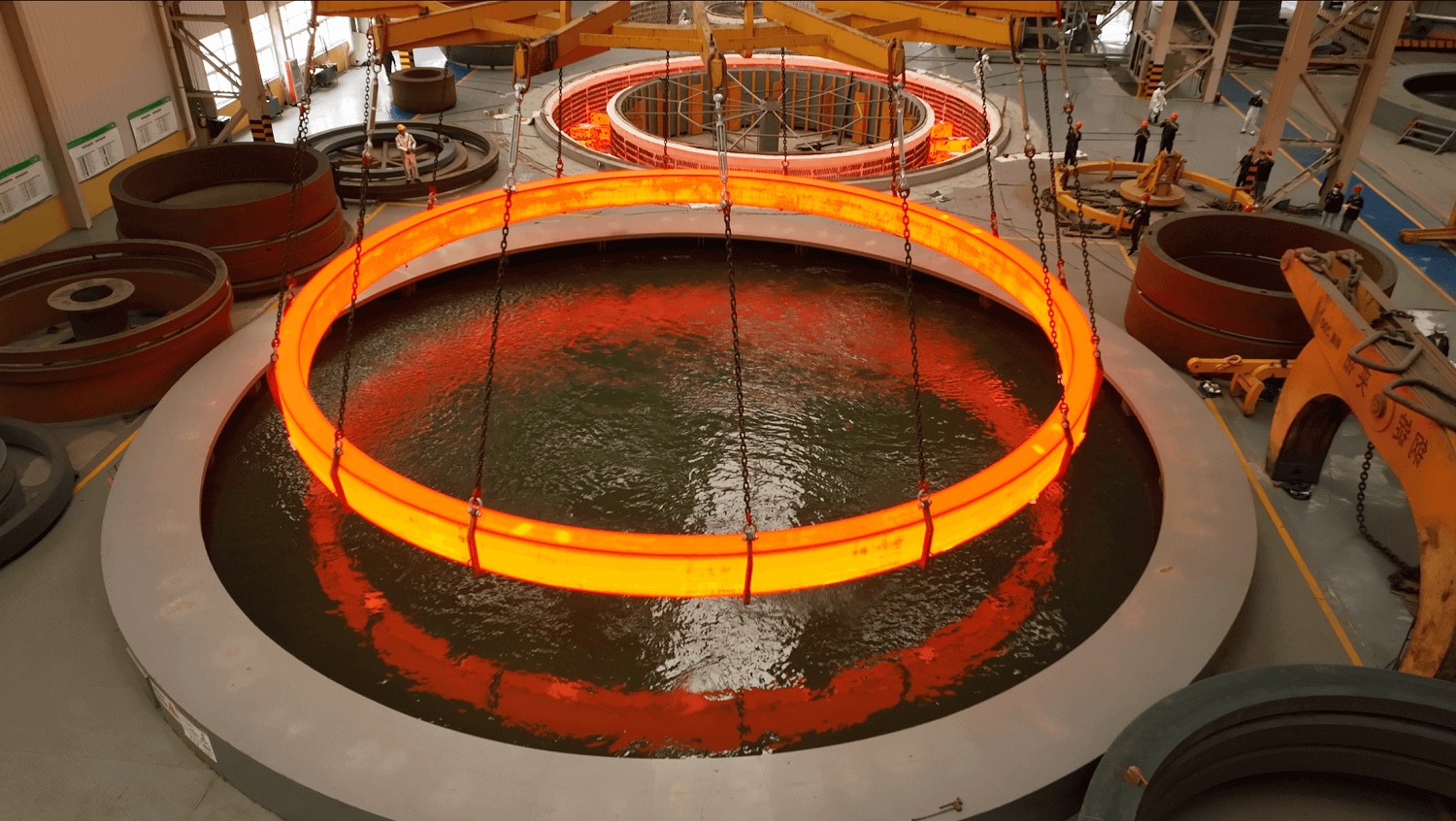
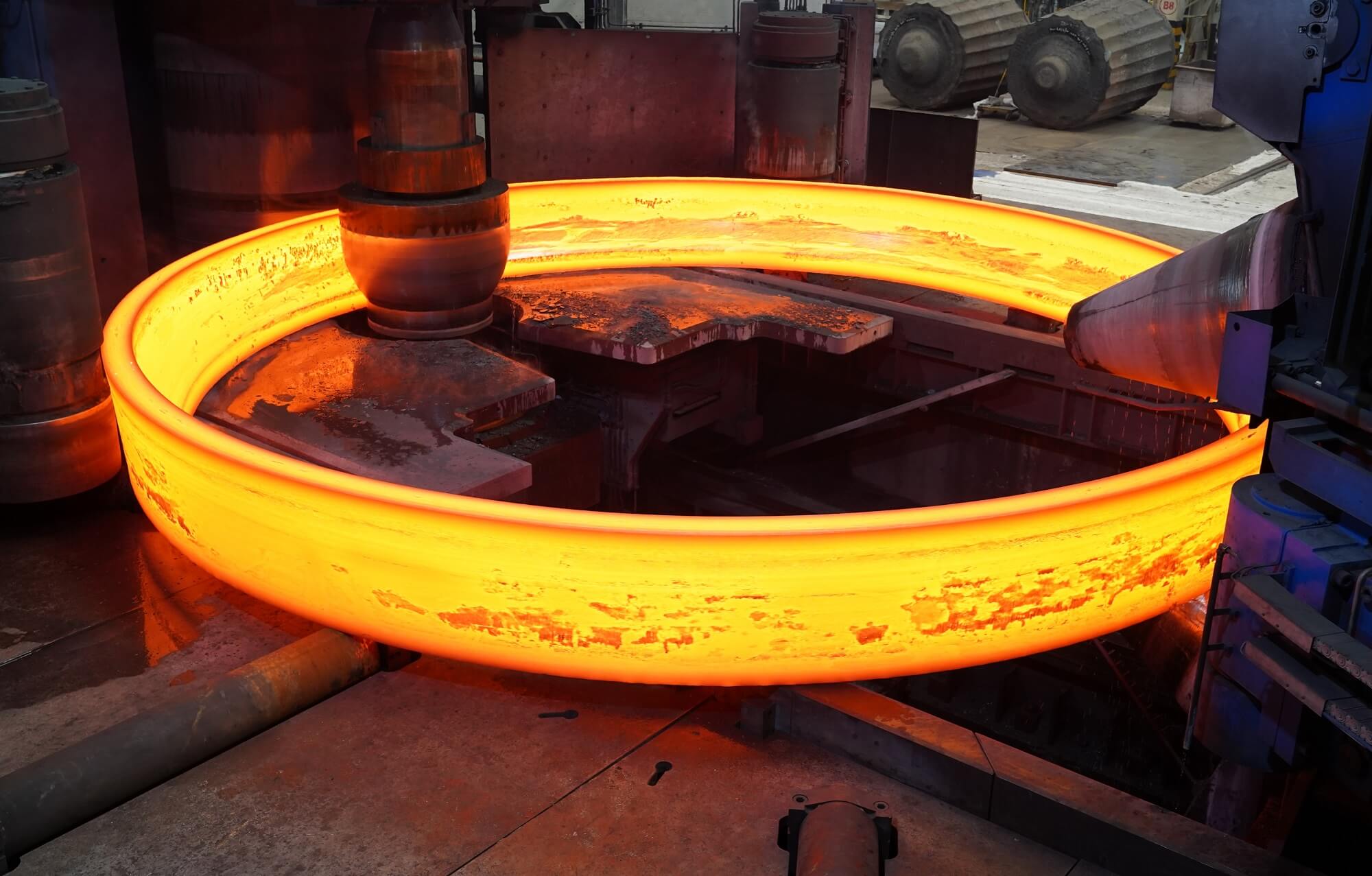
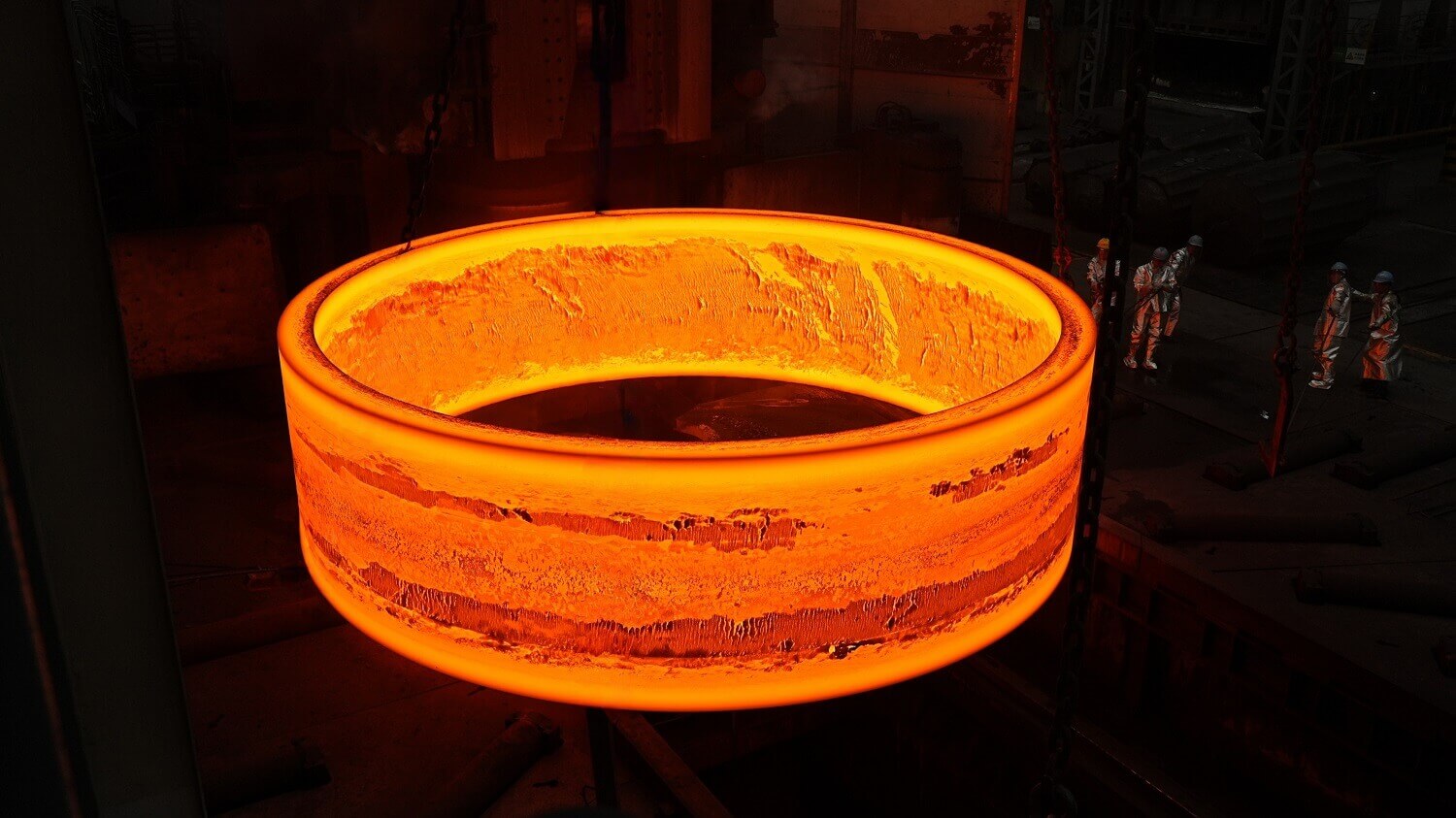
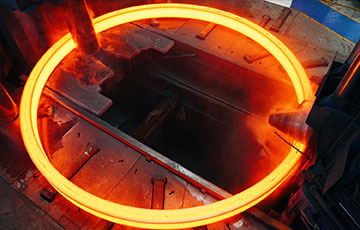
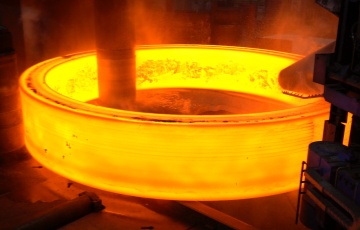
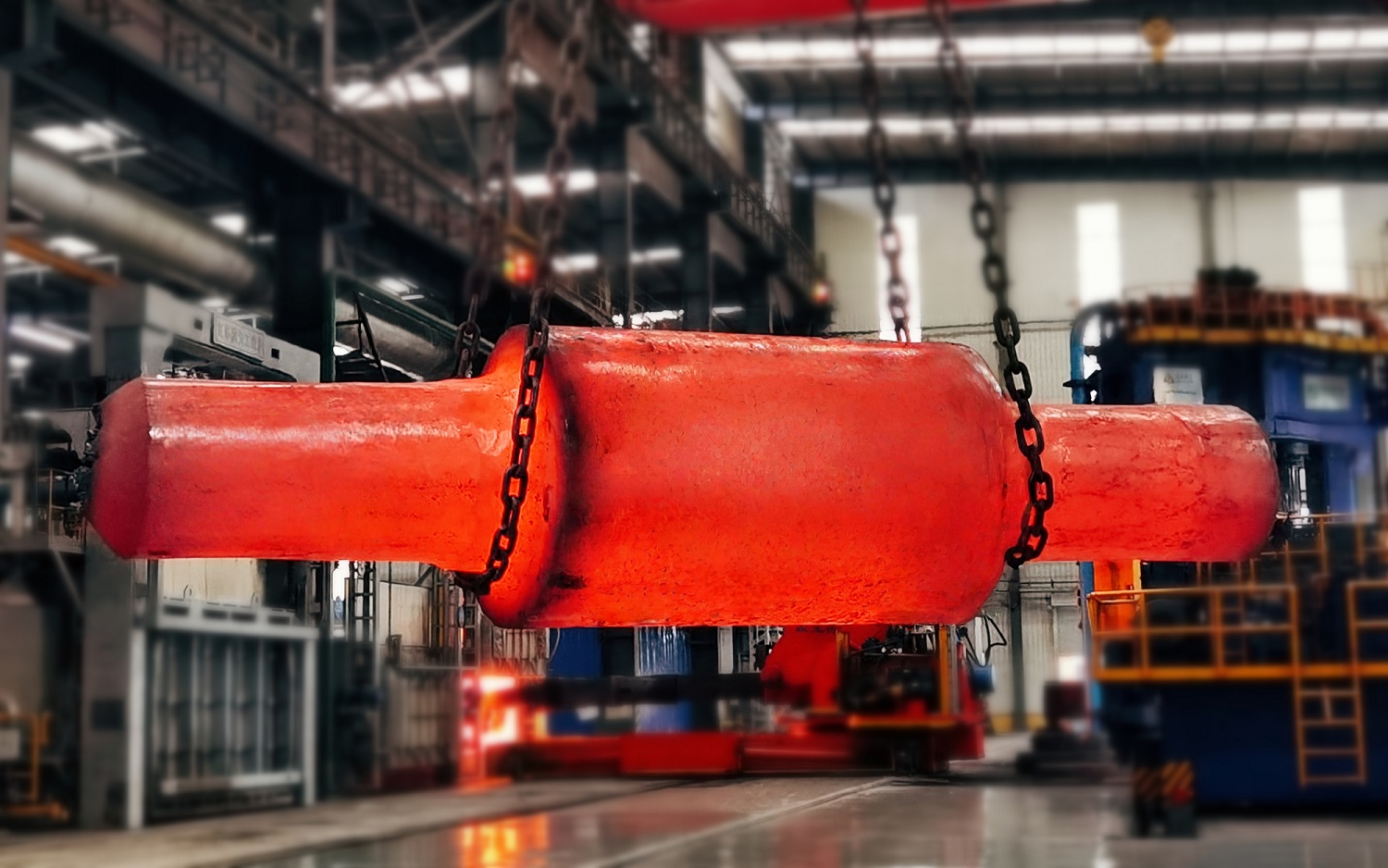
For the heat treatment of integral support rings, Iraeta developed a dedicated quench tank system and custom lifting fixtures. Precise furnace temperature control, zoned cooling-speed control, and symmetrical lifting were used to limit deformation during thermal processing.
A heat-treated seamless rolled ring requires coordinated heating, cooling, and handling alongside its specified material condition. On large components, the treatment arrangement extends from the furnace to the cooling equipment and the fixtures supporting the heated ring.
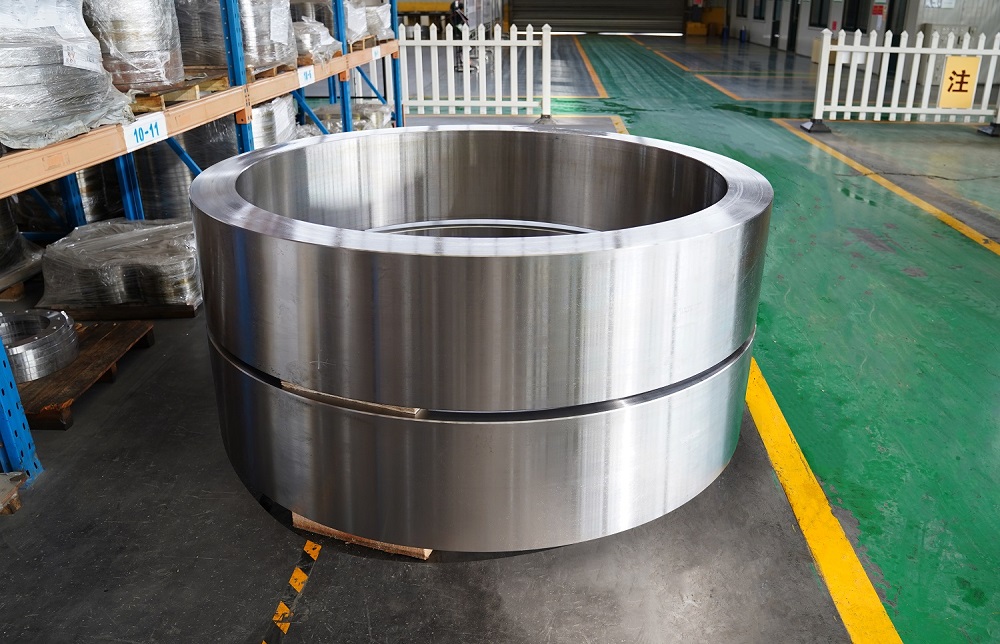
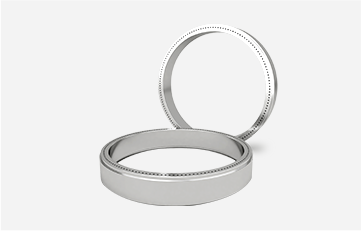
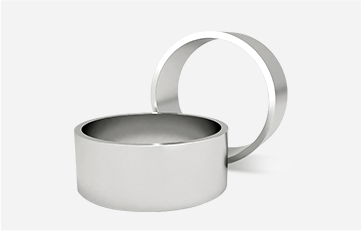
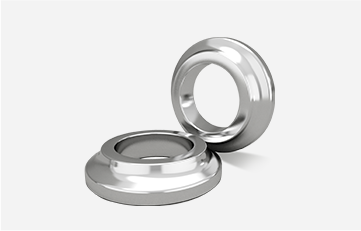
Our custom seamless rolled rings include rectangular-section and profiled components, supported by heat treatment and CNC machining.
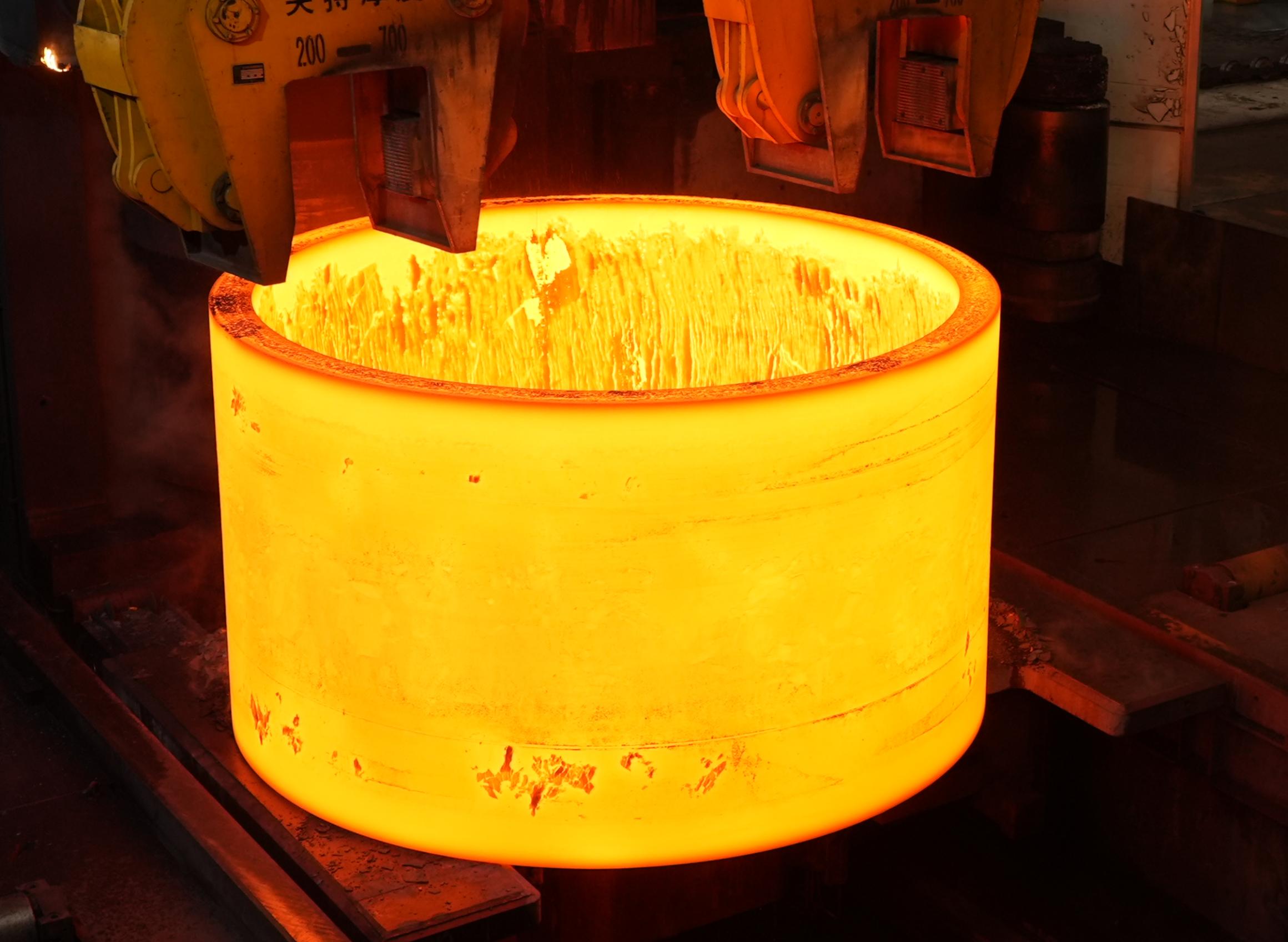
Thermal Processing of Integral Support Rings
In 2019 and 2022, we delivered four austenitic stainless steel integral forged rings for China’s fourth-generation nuclear program.
The manufacturing work included material preparation, one-piece ring rolling, and a dedicated heat treatment approach. Uneven temperature distribution during heating, soaking, and cooling was a central concern, together with deformation during handling.
The treatment plan addressed the complete ring through these stages. Furnace operation, cooling, and lifting were coordinated around the component’s dimensions and heated condition.
This project provides a specific example of large-ring thermal processing. Its measures were developed for the support rings rather than applied as a universal arrangement for every material and cross-section.
Maintaining Temperature Uniformity
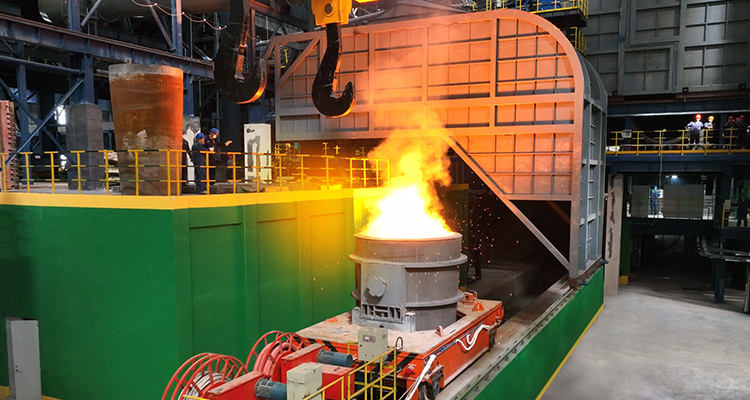
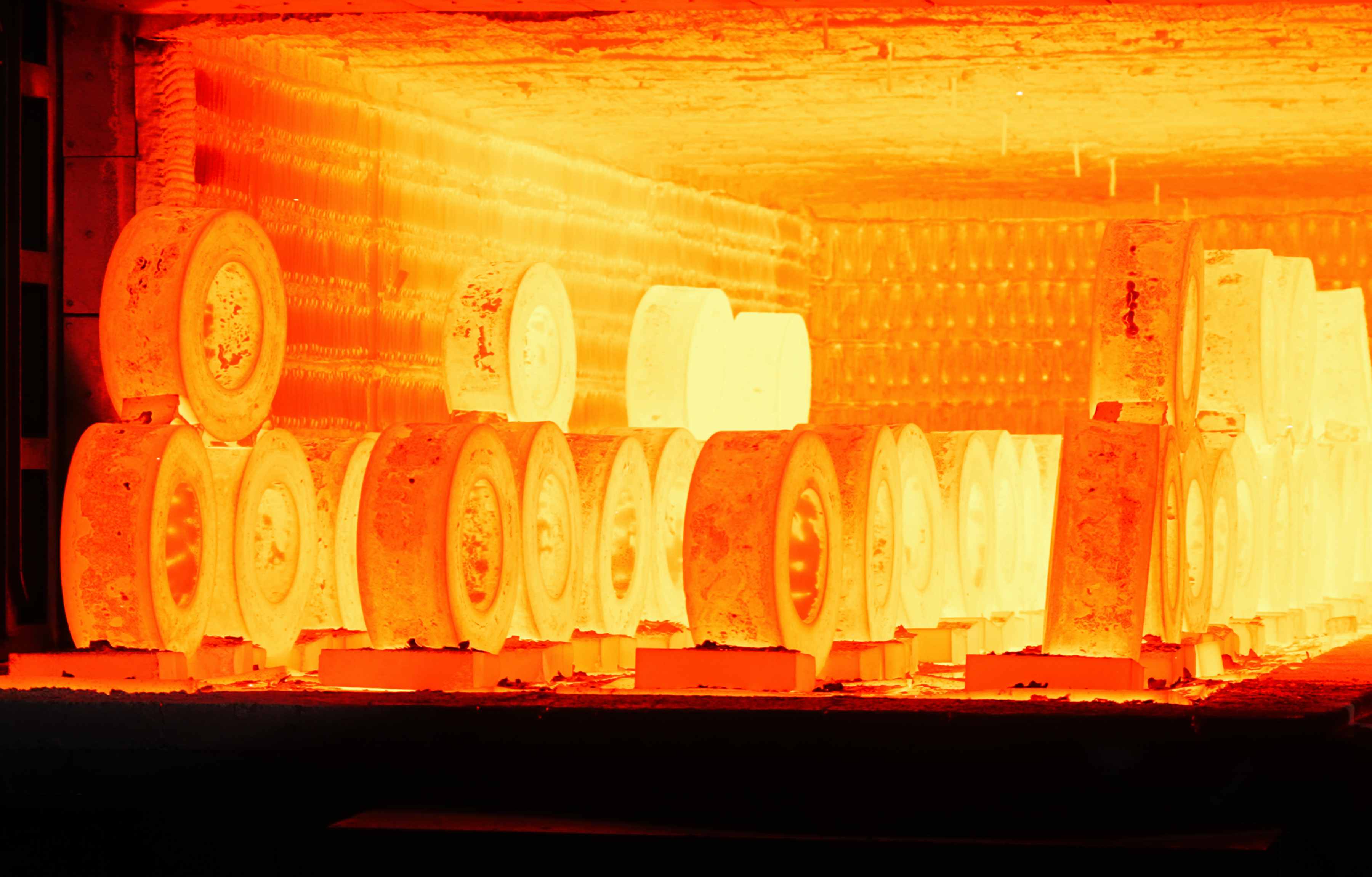
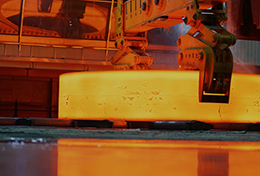
Precise furnace temperature control was used to maintain thermal uniformity across the integral rings.
The heating plan considered the complete annular form. Overall dimensions established the scale of the component, while the cross-section defined the section undergoing treatment.
Heating and soaking were coordinated with the required treatment condition before transfer into cooling. The manufacturing sequence also included the equipment needed to move the ring between stages.
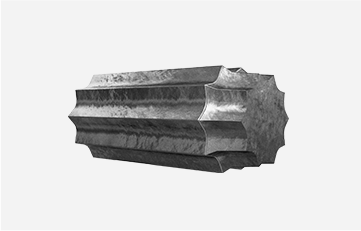
For profiled components, the complete section remains part of the thermal processing reference. Local changes in geometry are considered alongside the principal dimensions and material requirements.
The furnace arrangement is therefore reviewed with both the thermal cycle and the subsequent handling operation. The heated ring must pass into the next stage in the condition required by the agreed manufacturing plan.
Dedicated Quenching and Zoned Cooling
We developed a dedicated quench tank system for the integral support rings. Zoned cooling-speed control was applied to minimize internal temperature gradients.
The quenching arrangement accommodated the complete ring and formed part of the approach to controlling distortion during cooling.
Transfer into the tank, the cooling stage, and subsequent lifting were included in the same processing plan. The physical arrangement of the equipment was coordinated with the component and its handling requirements.
Our integral support ring manufacturing case describes the dedicated quenching system alongside the material preparation and one-piece forming processes used for the project.
For another ring design, the cooling arrangement follows its material, section geometry, and required treatment condition. Any proposed arrangement is reviewed against those component requirements.
Supporting the Ring During Lifting
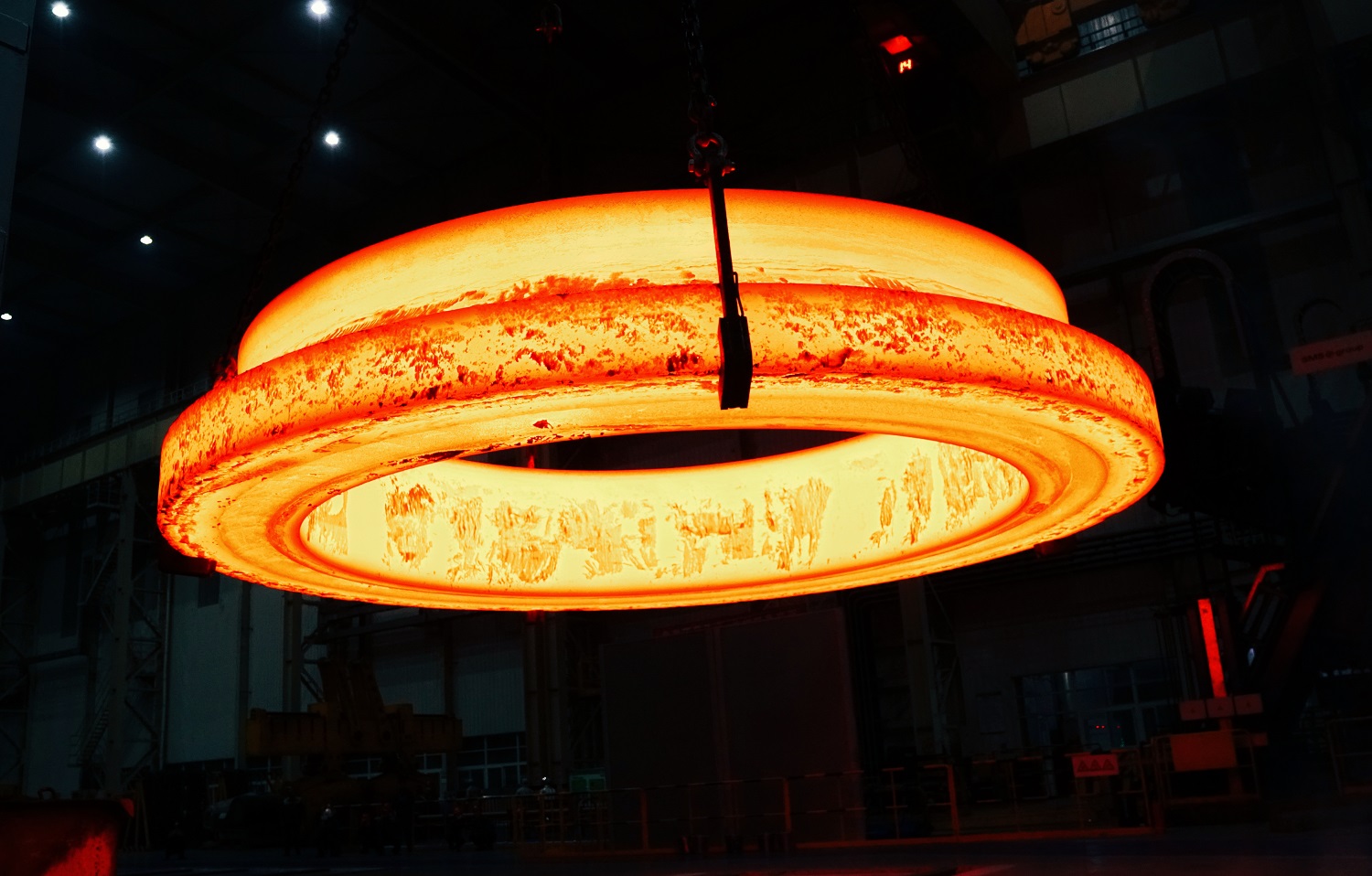
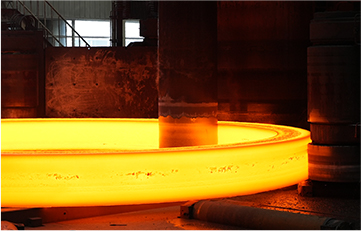
Custom lifting fixtures and symmetrical lifting tools were used to prevent deformation while the support rings were in a heated, softened condition.
Handling was an active part of distortion control. The fixtures supported the component during transfer and were coordinated with the furnace and cooling equipment.
The support-ring project combined three control areas:
| Processing area | Measure used |
| Heating | Precise furnace temperature control |
| Cooling | Dedicated quench tank and zoned cooling-speed control |
| Handling | Custom fixtures and symmetrical lifting |
For large-ring treatment planning, the handling reference includes the overall dimensions, complete cross-section, and component condition at the relevant stage.
It also identifies the lifting arrangement and transfer between processing equipment. Any requirements associated with subsequent operations remain included in the component-specific scope.
Heat Treatment Routes and Material Requirements
The treatment route begins with the material specification and required delivery condition.
Our ring heat treatment capabilities include normalizing, tempering, quenching and tempering, annealing, solution annealing, normalizing and tempering, solution and precipitation hardening, and stress relief.
The applicable process follows the component’s material and technical requirements. Combined treatments are included where specified and agreed.
The technical basis establishes:
The material specification.
Supplementary project requirements.
The required heat treatment condition.
Applicable acceptance criteria.
Required treatment records and test results.
Any proposed processing details requiring approval.
Where the route is still under development, proposed operations remain separate from approved requirements.
The ring drawing provides the geometric reference throughout this review. For profiled components, it includes the complete section. For rings requiring later machining, it also identifies the condition needed before that work begins.
Post-Treatment Machining and Verification
Thermal processing is coordinated with the machining required to complete the component.
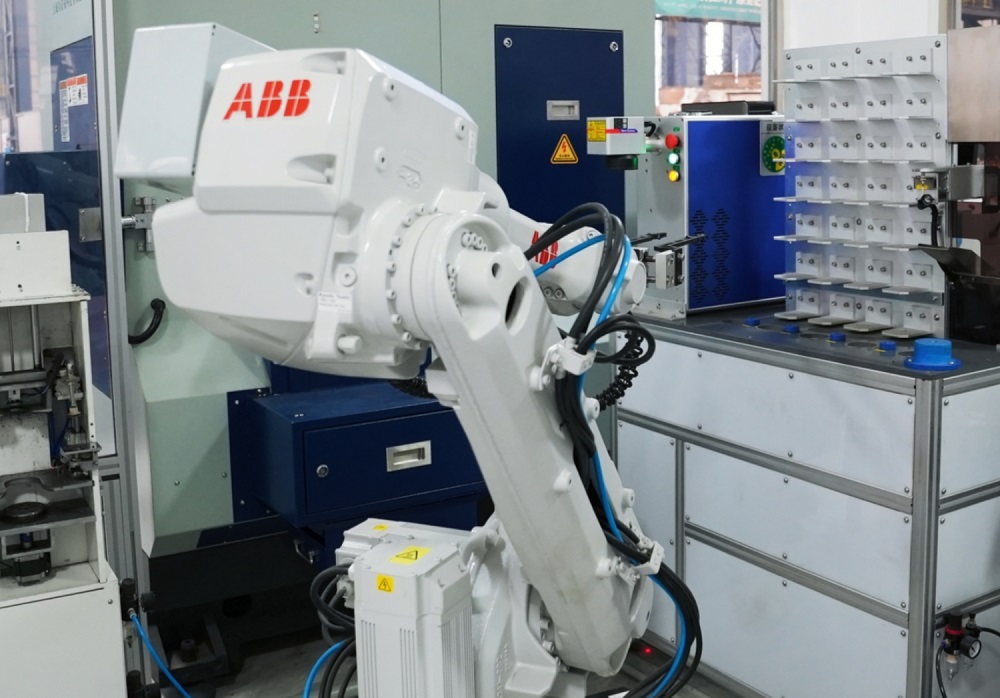
Our CNC-supported machining capabilities include cutting, grinding, and drilling. The included work follows the surfaces, profiles, and connection features specified for delivery.
A finished ring is assessed against its agreed final geometry. An intermediate component is assessed against the dimensions and material condition required before further processing.
Verification brings together the applicable material specification, treatment condition, dimensional requirements, and completed features.
The inspection scope identifies the required checks, acceptance criteria, reported results, and review stages. Purchaser or third-party participation is assigned where required.
Material documentation, heat treatment records, specified test results, and dimensional reports are listed as individual deliverables. Their submission stages are coordinated with production.
For partially finished components, inspection follows the delivered condition. Requirements applying only after subsequent processing remain distinct from acceptance of the completed manufacturing scope.
Drawing revisions and approved changes are reflected in the treatment, machining, and inspection references.
Discuss Your Ring’s Thermal Processing Requirements
Discuss your ring component with Iraeta to review its material condition, section geometry, heating and cooling requirements, and handling arrangements.
Contact our team with the component drawing and relevant technical requirements to explore a heat treatment and manufacturing approach for your seamless rolled ring.


Recommended reading
Unlocking the Secrets of Forging: The Performance Code of Classic Processes
Must-Read for Ring Forging: Advantages and Applications of the Forge-Rolling Process
Open-Die Forging vs. Ring Rolling: Helping You Choose the Optimal Forging Process