















Forged Ring Machining: Diameters, Faces, Profiles and Connection Features
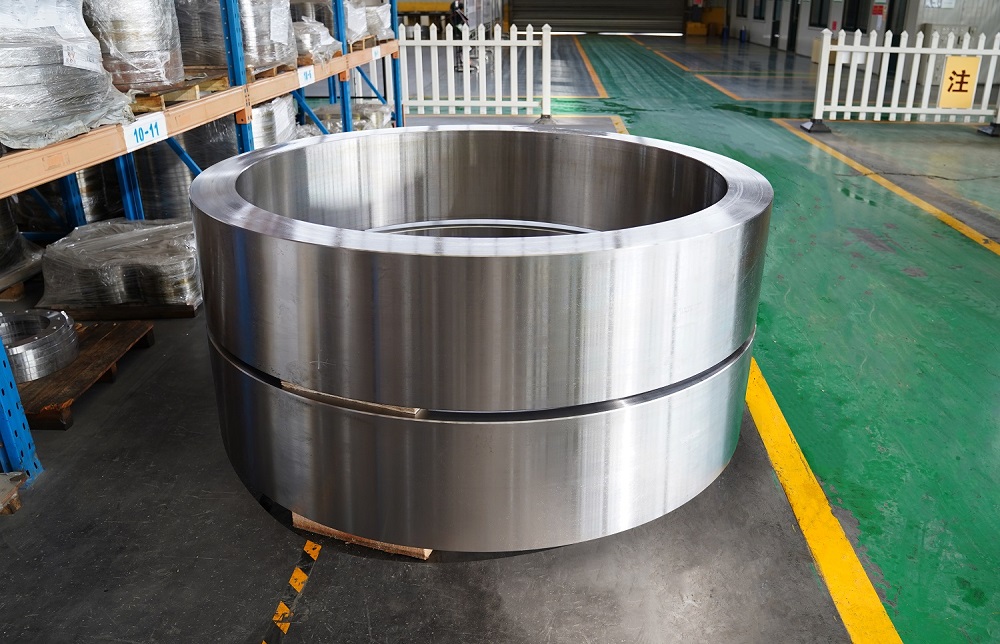
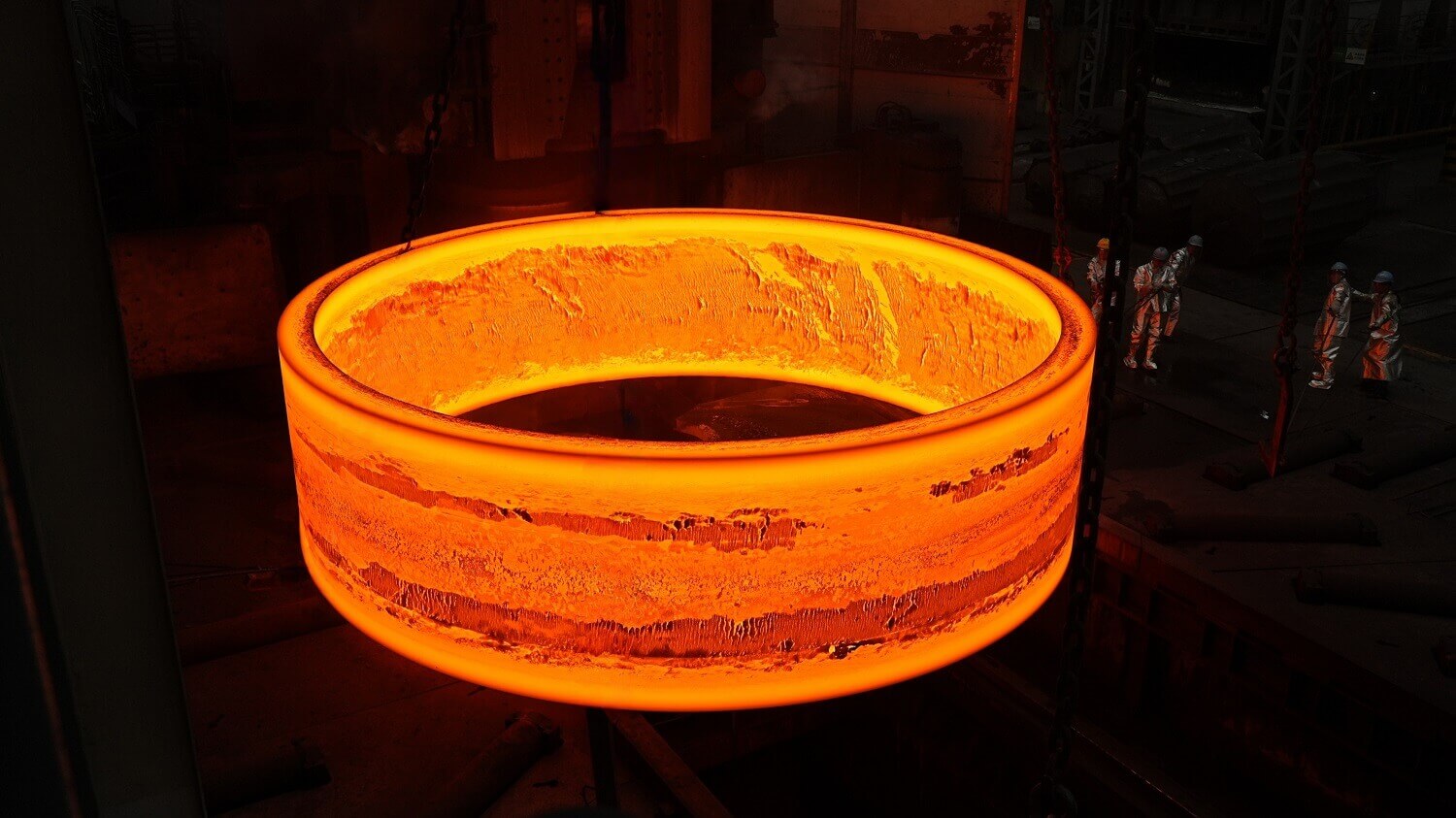
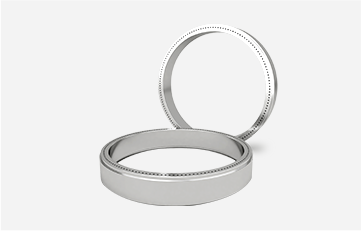
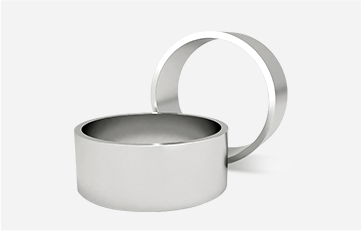
Forged ring machining completes the cylindrical surfaces, axial faces, stepped profiles, and connection features of a ring component. A rectangular section may require finished diameters and faces, while a profiled ring includes additional local geometry.
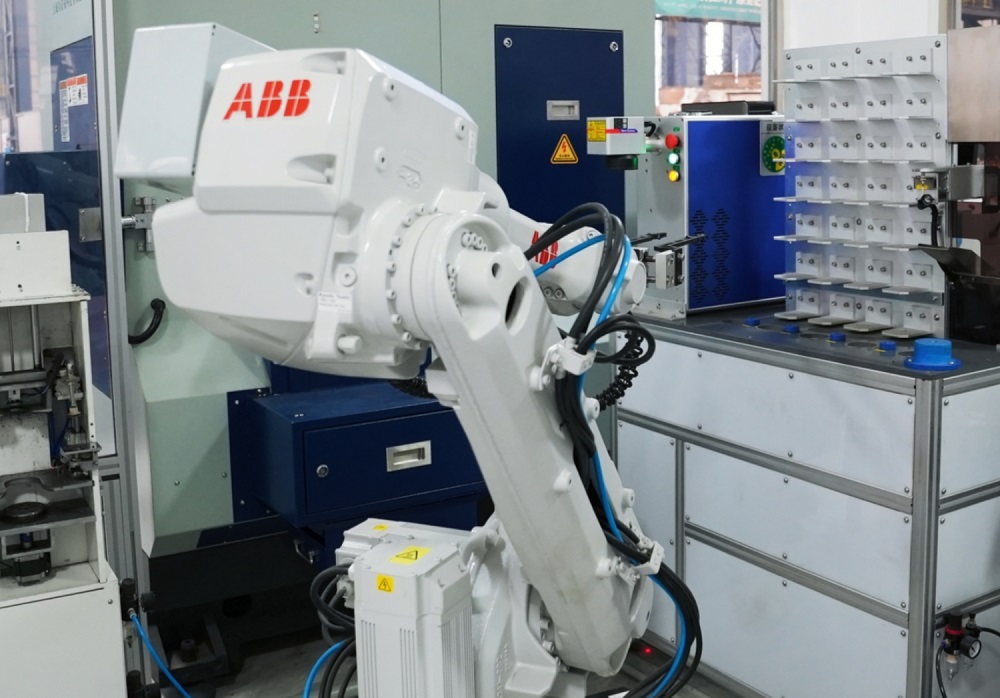
At Iraeta, CNC-supported cutting, grinding, and drilling are integrated with ring forming and heat treatment for drawing-specific components.
Our custom forged rings are reviewed around the surfaces to be completed, the required material condition, and the dimensions applying at delivery.
Internal and External Diameter Machining
Internal and external diameters form the main cylindrical surfaces of a ring. Machining completes these surfaces to the specified dimensions, tolerances, and surface requirements.
Continuous Cylindrical Surfaces
A continuous cylindrical surface requires a defined diameter and axial extent.
The component reference identifies the area to be machined and any local features interrupting the surface. Surfaces reserved for later processing remain marked separately.
Where the ring is delivered before final machining, the intermediate diameter is distinguished from the finished component dimension.
Stepped Diameters
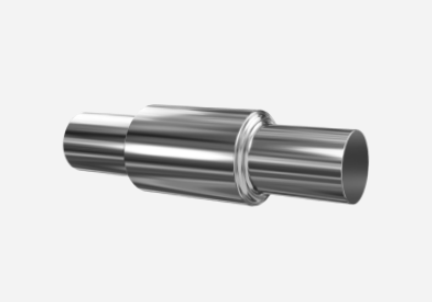
Stepped rings contain several diameters connected by local changes in section.
The complete profile establishes each diameter, its axial position, and the geometry between adjacent surfaces. Overall dimensions are accompanied by the local dimensions needed to define the section.
The machining scope identifies which steps are finished and which remain at an intermediate condition.
For components with both internal and external profile changes, the section drawing provides a common reference for the full ring geometry.
Axial Faces, Steps and Profiled Sections
Ring Faces and Axial Height
Axial machining completes the ring faces and required height.
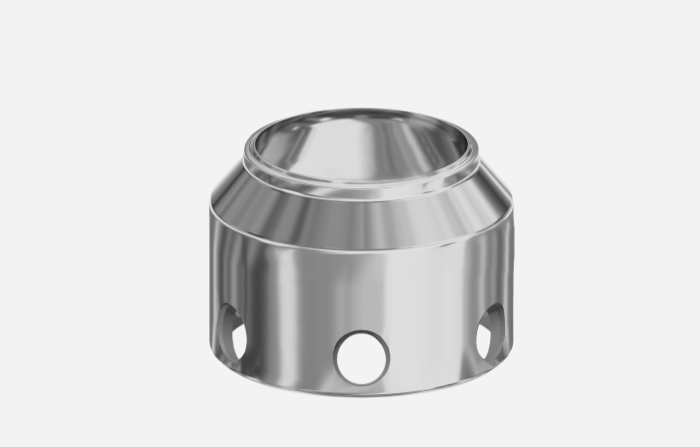
The geometry may include flat faces, stepped sections, recesses, or other drawing-defined features. Their dimensions and surface requirements form part of the machining scope.
The relevant component details include:
Overall axial height.
Dimensions of steps or recesses.
Finished face geometry.
Applicable surface requirements.
Areas remaining unfinished.
Where only selected faces are completed before delivery, the drawing identifies those surfaces and the dimensions applying to them.
Complete Cross-Sections
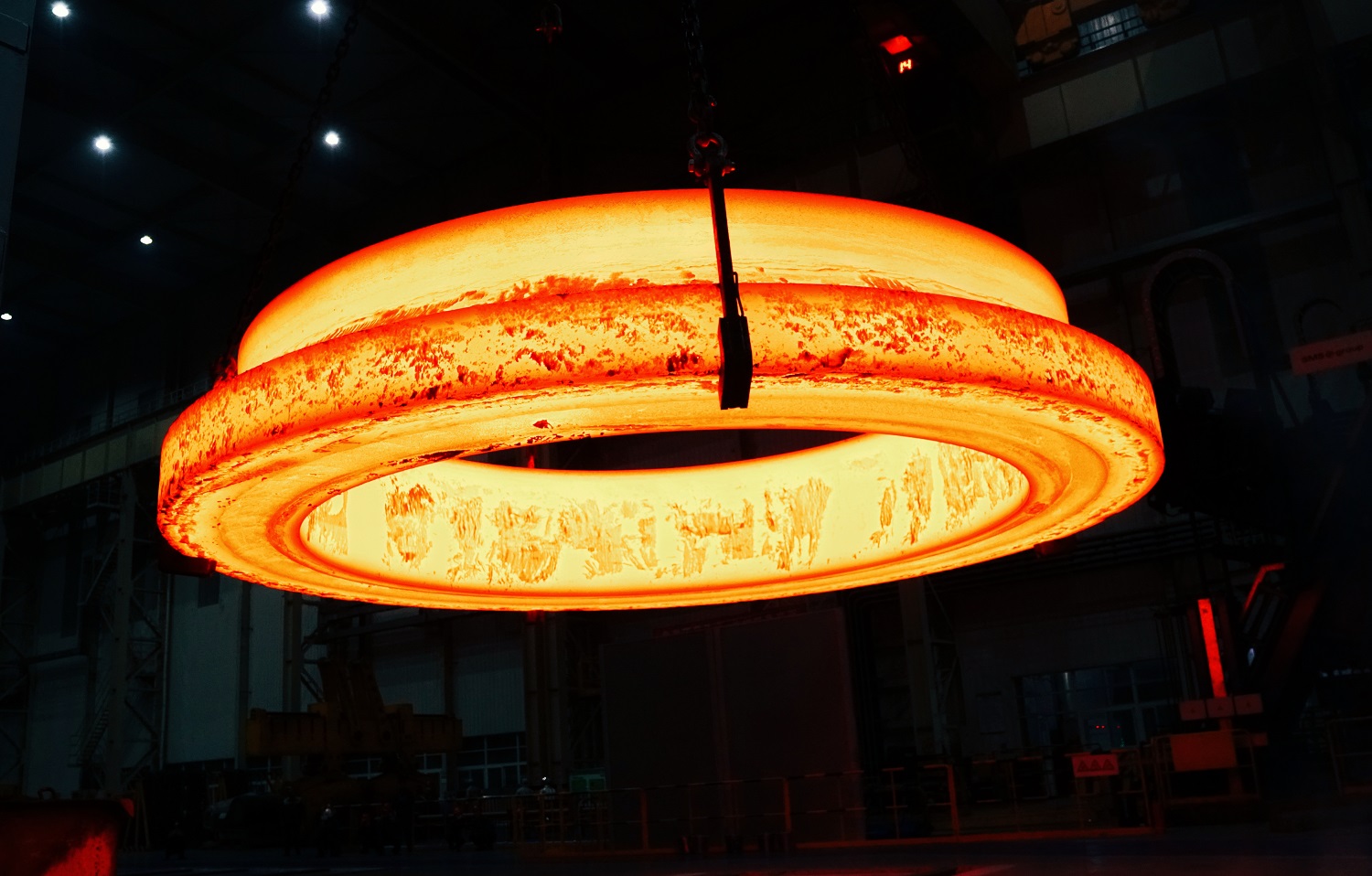
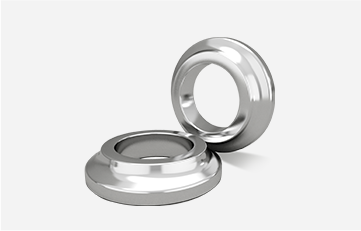
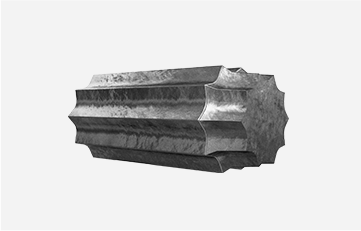
A profiled ring combines the main annular body with local section changes.
The complete section shows the relationship between the cylindrical surfaces, faces, steps, and interfaces. Each feature remains connected to the same component geometry rather than treated as an isolated dimension.
Our ring forming and CNC machining capabilities cover rectangular-section and complex-profile ring forgings.
For partially finished components, the section can show both completed surfaces and intermediate geometry. Any work performed later is identified alongside the required condition at shipment.
Holes and Connection Features
Drilling completes holes included in the agreed machining scope.
The drawing establishes their dimensions, locations, and applicable tolerances. Other connection features are incorporated according to the specified geometry and manufacturing requirements.
Where a final drawing includes work completed by several parties, an annotated version can identify the features included before delivery.
| Machined feature | Main requirements |
| Internal and external diameters | Dimensions, axial extent, and surface condition |
| Axial faces | Ring height, face geometry, and finish |
| Steps and profiles | Local dimensions and complete section |
| Holes | Size, location, and dimensional requirements |
| Connection interfaces | Geometry and finished condition |
| Unfinished areas | Intermediate dimensions and remaining work |
The same drawing revision applies to the main ring section and its local details. Approved changes are reflected in both manufacturing and inspection references.
Machining Stages and Material Condition
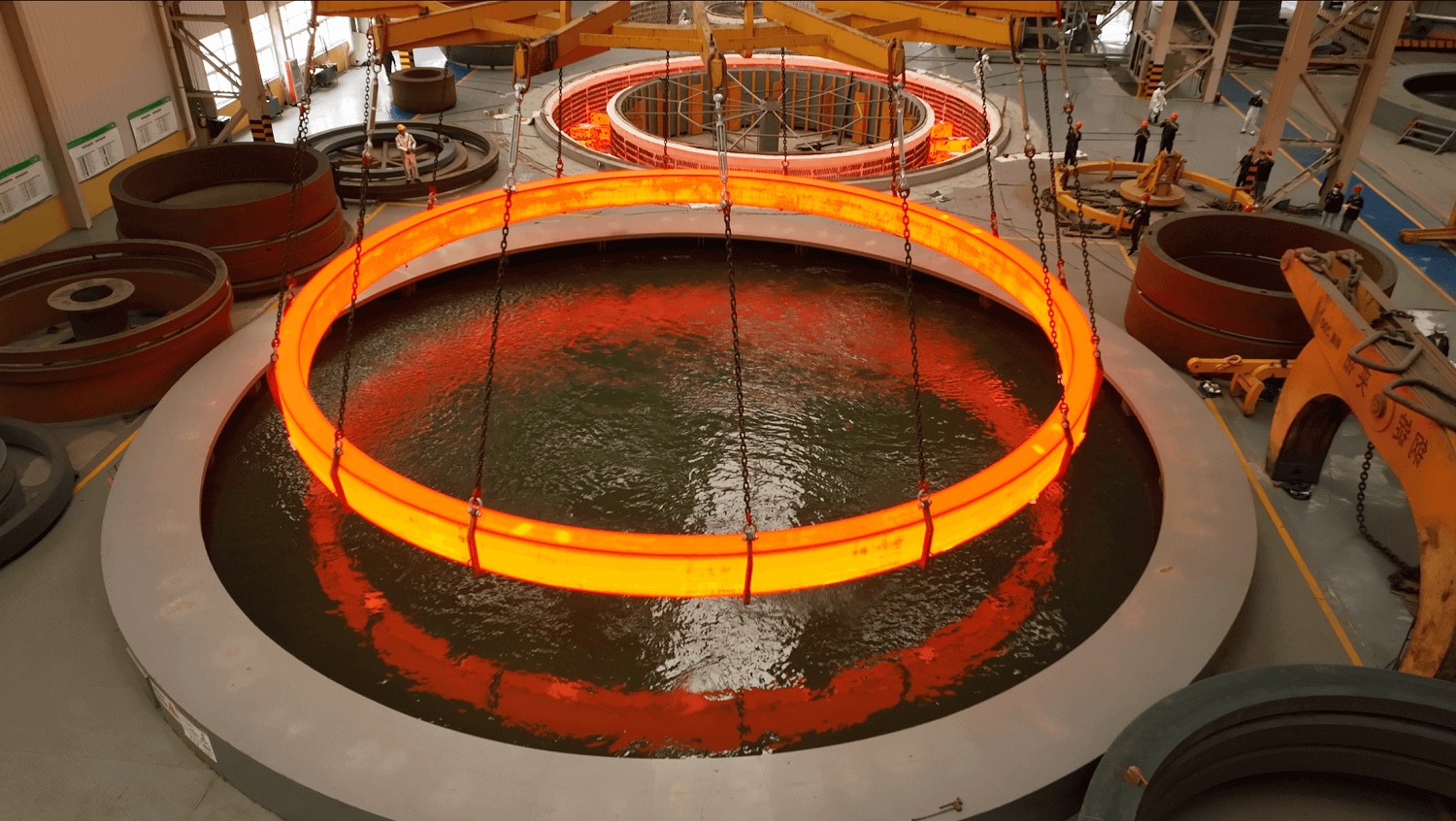
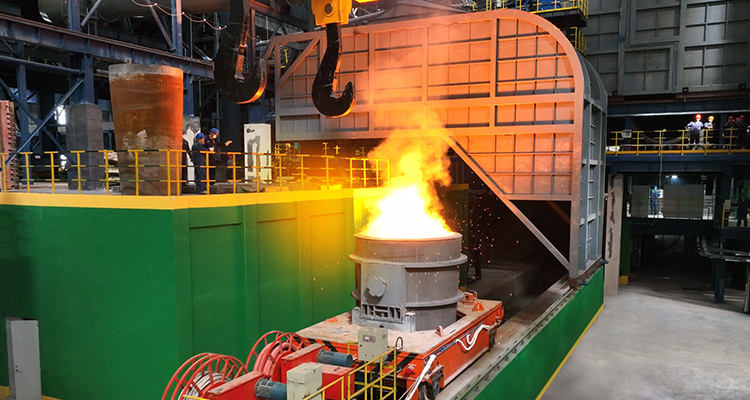
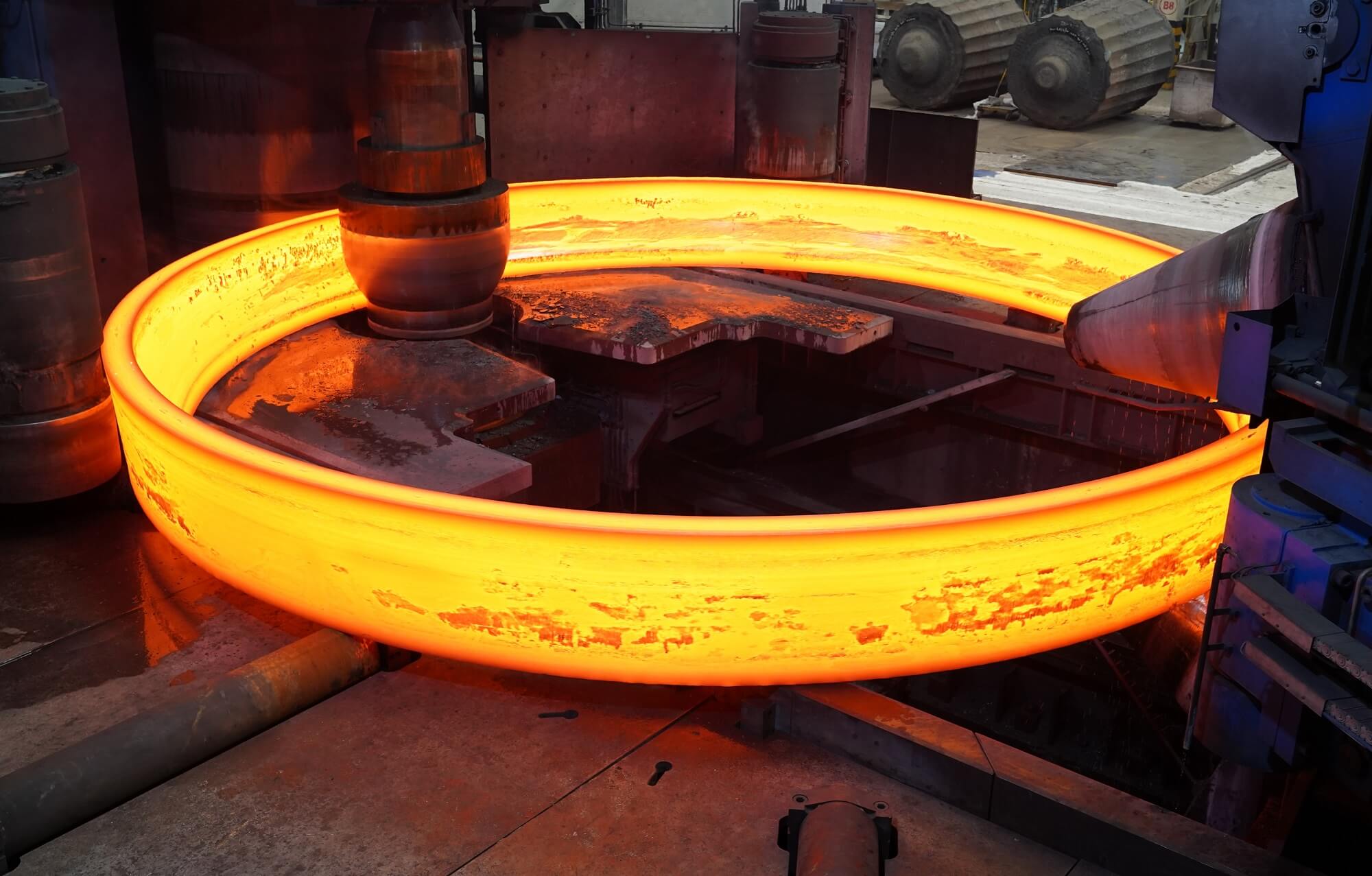
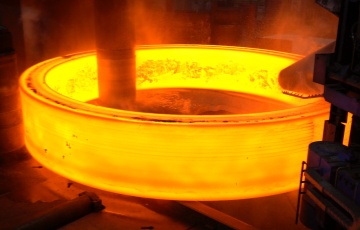
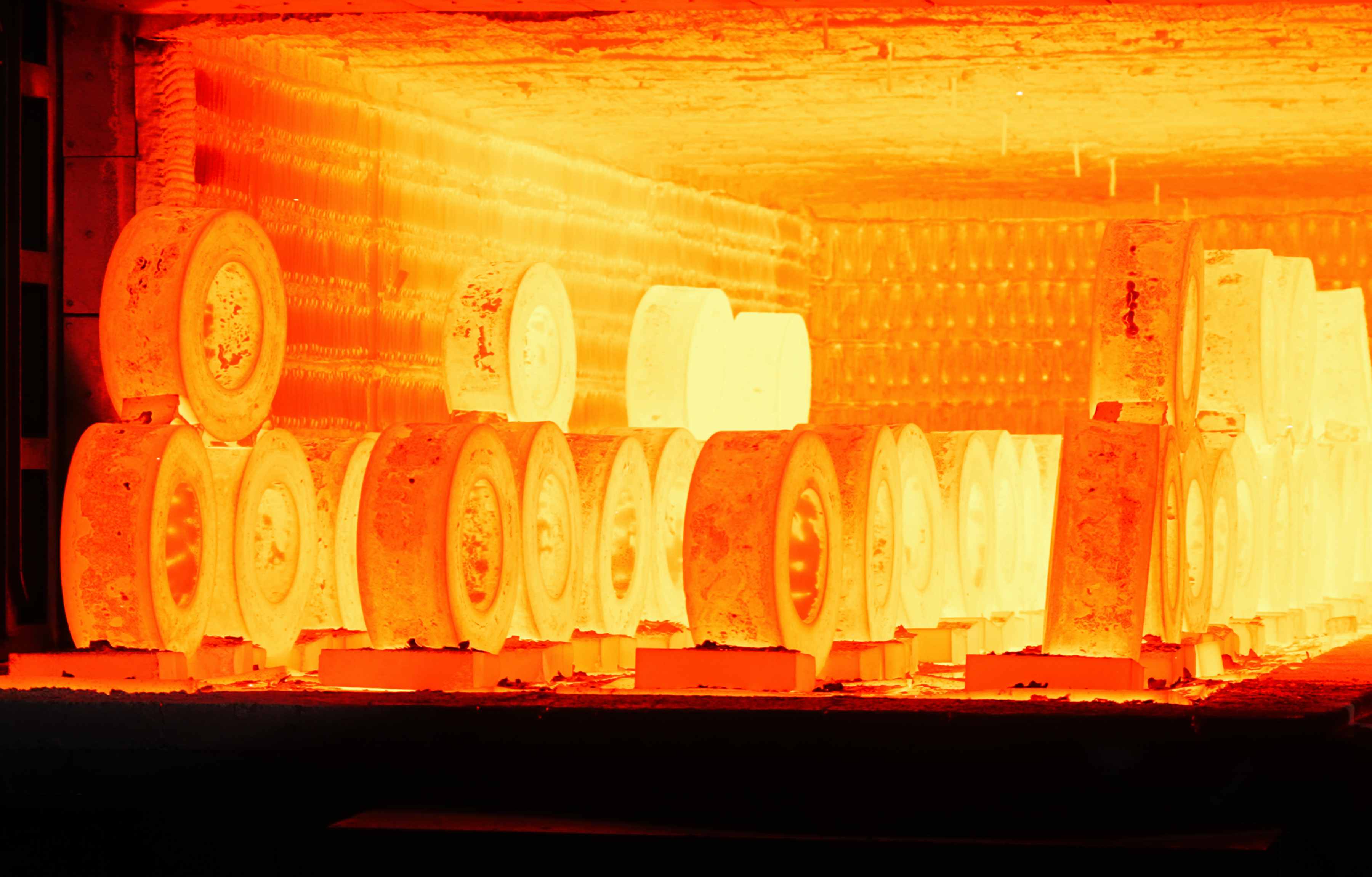
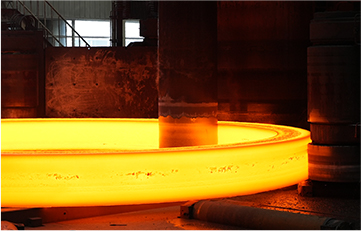
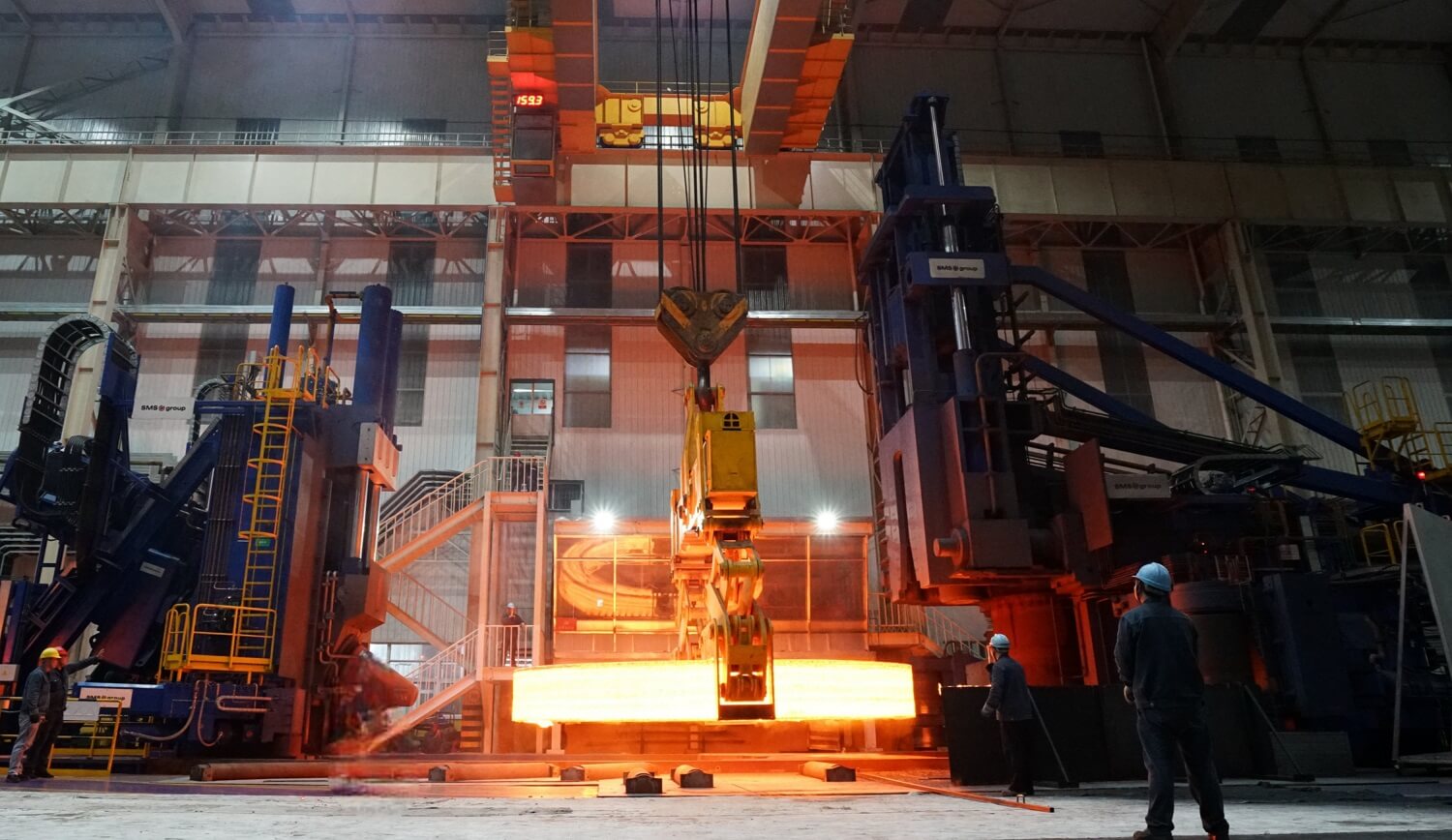
In seamless rolled ring manufacturing, a heated billet is pierced and rolled into an annular form before heat treatment and finish machining.
Near-net-shape rolling brings the ring closer to the final component geometry, reducing material removal compared with machining a ring from a larger block.
The machining plan connects the formed ring with the surfaces and features required at completion.
The material specification and heat treatment condition form part of that plan. They establish the required material state alongside the dimensions and surface requirements.
For a component requiring further processing, the scope identifies its condition before shipment and the work remaining afterward. For a finished ring, the material condition and final dimensions apply to the agreed delivery stage.
Where a review is required before a subsequent operation, the relevant activity and approval responsibility are included in the manufacturing sequence.
Partially Machined and Finished Rings
The amount of machining depends on the required delivery condition.
| Delivery condition | Completed work | Remaining work |
| Intermediate ring | Defined dimensions and selected surfaces | Identified subsequent processing |
| Partially finished component | Specified faces, profiles, or connection features | Marked unfinished areas and operations |
| Finished component | Agreed final geometry and included features | Explicit exclusions only |
For intermediate and partially finished rings, the component reference identifies completed diameters and faces, shipment dimensions, and any features reserved for later work.
A final component drawing can remain the design reference, with the intermediate scope shown separately.
Finished rings follow the agreed final geometry and included features. Any exclusions remain explicit, including work visible on the final drawing but completed elsewhere.
Alternative delivery conditions are described independently so that the extent of completed machining is clear for each option.
Dimensional Inspection
Dimensional inspection verifies the machined ring against its drawing and required delivery condition.
The checks cover the applicable internal and external diameters, axial height, profile geometry, and connection details. Surface requirements are assessed against the agreed specification.
The inspection scope identifies:
Characteristics requiring verification.
Results requiring documented reports.
Review and submission stages.
Purchaser or third-party participation where required.
Acceptance criteria for the delivered component.
For partially machined rings, inspection follows the intermediate geometry. For finished components, it follows the final dimensions and included features.
Required material records, treatment records, and dimensional reports are listed individually. Their submission stages are coordinated with the manufacturing sequence.
Discuss Your Ring Machining Details
Discuss your ring component with Iraeta to review the diameters, faces, profiles, and connection features requiring machining.
Contact our team with the current drawing and required component condition to explore the manufacturing and machining approach for your part.


Recommended reading
Unlocking the Secrets of Forging: The Performance Code of Classic Processes
Must-Read for Ring Forging: Advantages and Applications of the Forge-Rolling Process
Open-Die Forging vs. Ring Rolling: Helping You Choose the Optimal Forging Process