











Forged Ring for Power Generation: Applications and RFQ Requirements
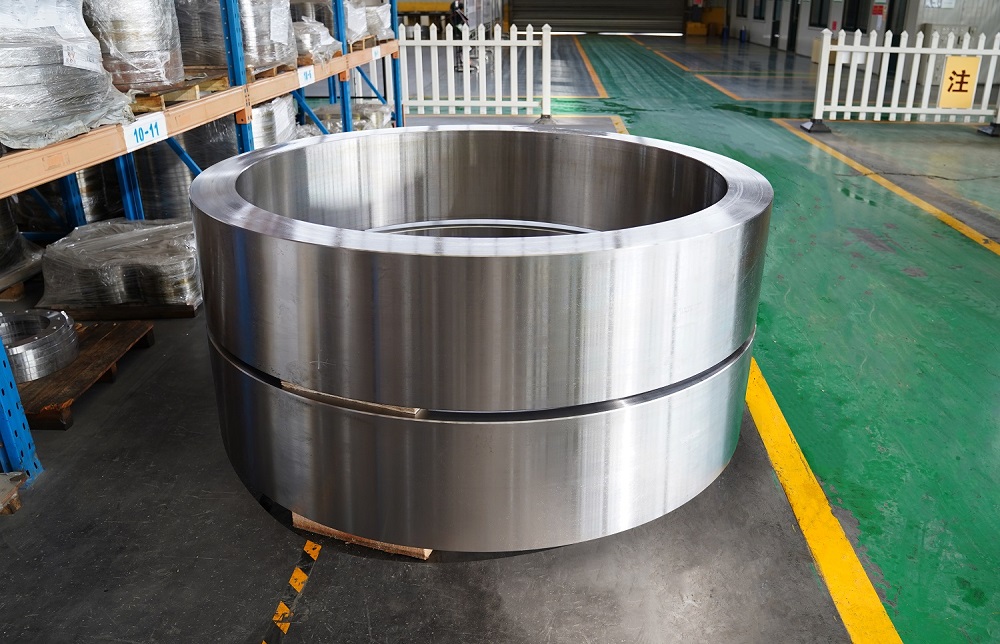
A forged ring for power generation may serve as a wind tower flange, a bearing or gear ring, a hydropower rotor yoke ring, or a nuclear reactor support ring. Its specification depends on the component’s function, geometry, material, and delivery condition—not on diameter alone.
An RFQ should identify the component, drawing revision, material specification, and required delivery condition. These details define the part to be manufactured and the operations included in the quotation.
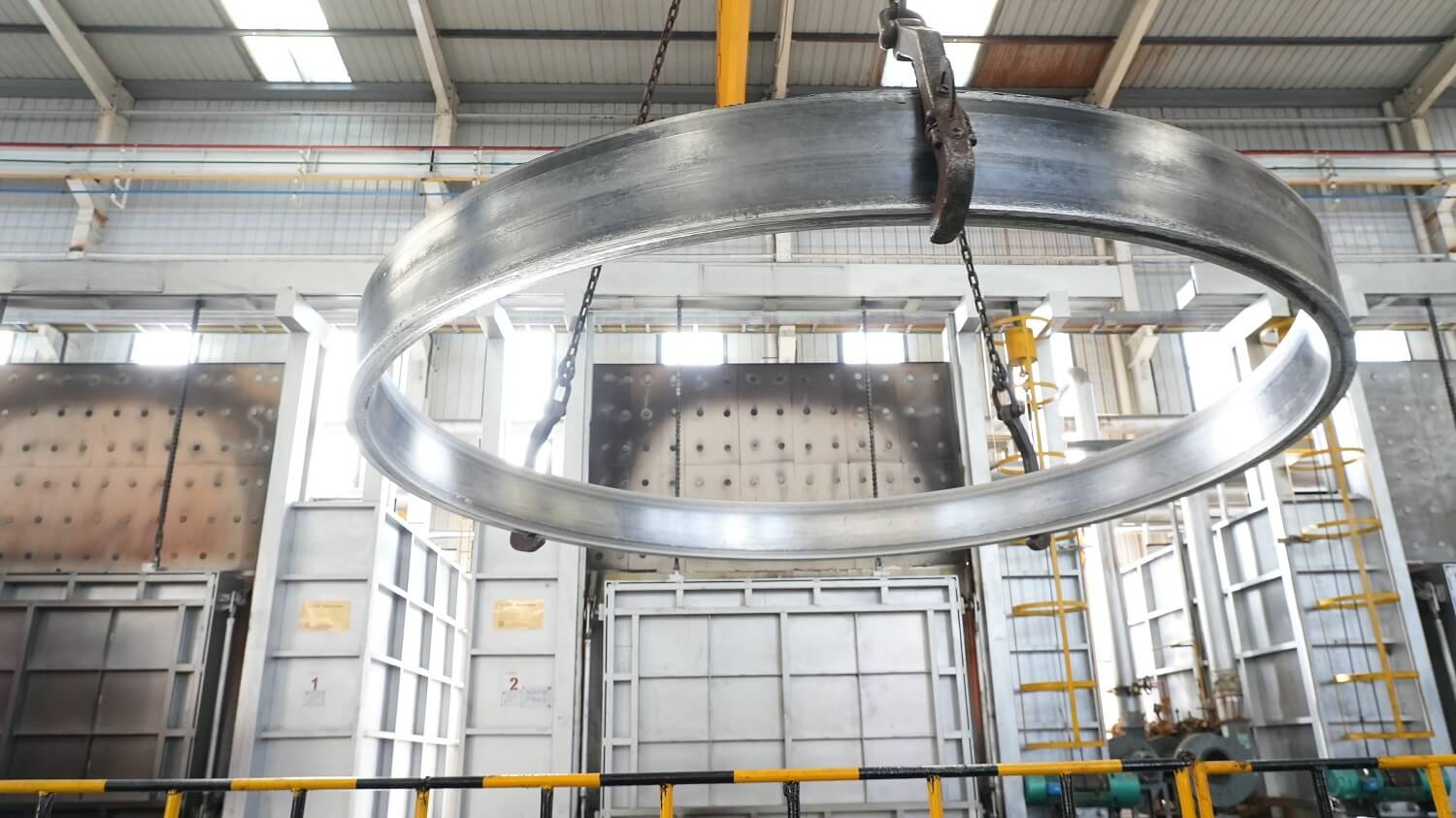
Applications of Forged Rings for Power Generation
Wind Power: Tower Flanges, Bearing Rings, and Gear Rings
Wind power uses ring forgings for tower flanges, bearing rings, and gear rings. Although these components share an annular form, they have different functions and purchasing requirements.
Hydropower: Rotor Yoke Rings and Related Large Forgings
Hydropower equipment requires rotor yoke rings, yoke discs, ring plates, and top-cover flanges, alongside other forgings such as mirror plates and central bodies.
Iraeta’s hydroelectric forging range uses radial-axial full rolling for ultra-large components. The continuous forming process supports the overall rigidity of magnetic yoke discs and their machining and installation accuracy—important considerations for pumped-storage generators that repeatedly start, stop, and switch between pumping and generating operation.
Nuclear Power: Reactor Support Rings and Flanges
The company’s nuclear power forging applications include reactor vessel support rings and reactor inner bottom flanges. Their requirements are defined by the equipment position and project specification.
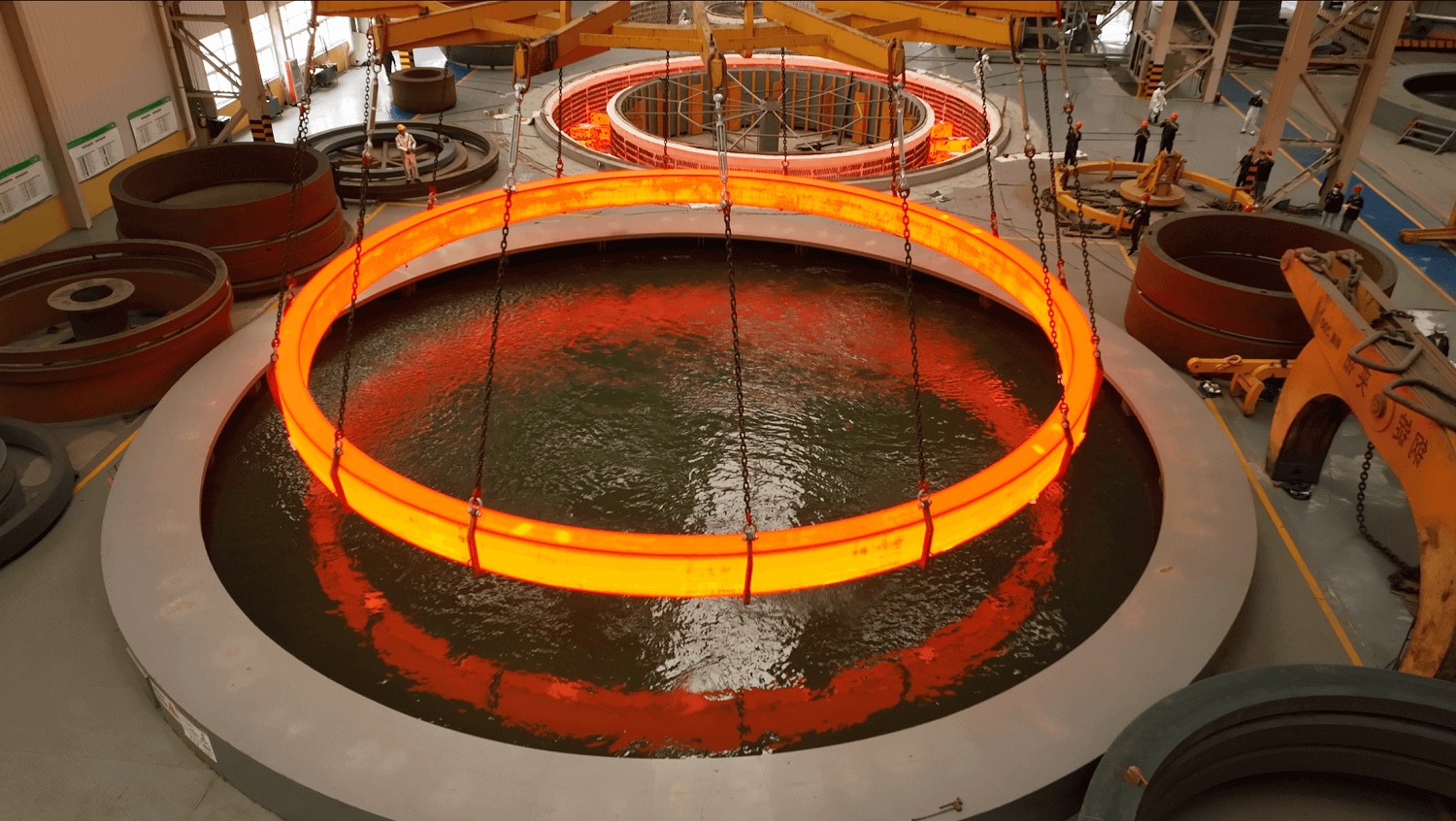
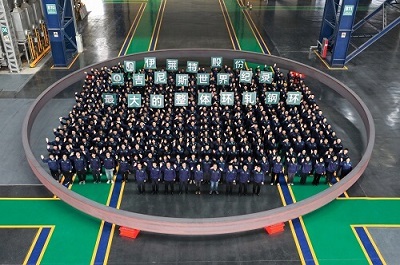
The 15.673-metre integral support ring project involved four austenitic stainless steel rings supplied for China’s fourth-generation nuclear programme in 2019 and 2022. Manufacturing these components required coordinated material preparation, ring rolling, heat treatment, and handling.

Define the Component and Supply Scope
Geometry: More Than Outside Diameter
A ring drawing brings together outside diameter, inside diameter, height, cross-sectional shape, and the features required in the supplied condition.
For components requiring further machining, the finished drawing defines the final part, while the forging drawing defines the geometry and dimensions to be supplied. The agreed scope identifies which features the forging manufacturer will produce and which remain for subsequent processing.
Material Specification
The material specification should identify the grade, applicable standard, heat-treatment condition, and required properties. Pending requirements and proposed alternatives can be recorded separately for technical approval.
Delivery Condition
Iraeta provides services covering raw-material customisation, forging, heat treatment, precision machining, inspection, and complex transport. An individual order can draw on those capabilities according to its required scope.
The delivery condition defines the handover point. A forging blank, a component with agreed machining, and a part supplied after specified inspection represent different deliverables. The quotation can identify the operations included, the condition at dispatch, and the records accompanying the component.
Manufacturing a 15.673-Metre Nuclear Support Ring
The nuclear support ring project introduced above linked starting-material preparation, integral ring forming, and heat treatment in a coordinated production sequence.

Preparing the Stainless Steel Billet
Iraeta worked with the team led by Academician Li Yiyi at the Institute of Metal Research, Chinese Academy of Sciences, on a metal build-up and additive-forming approach.
The billets were assembled in a vacuum environment and subjected to repeated high-temperature deformation to form a large billet. This route addressed the material-uniformity challenge associated with the unusually large component.
Rolling an Integral Ring
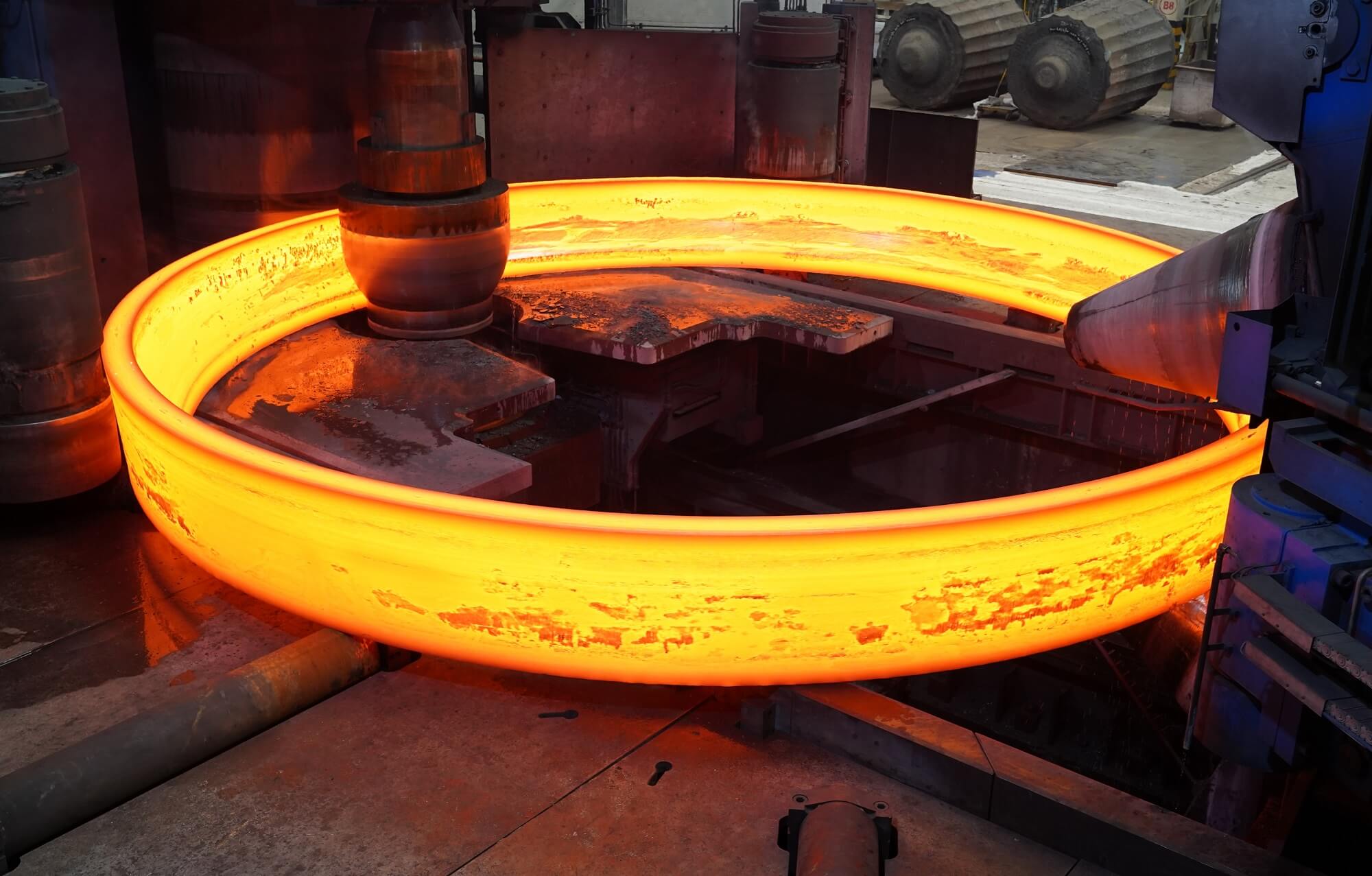
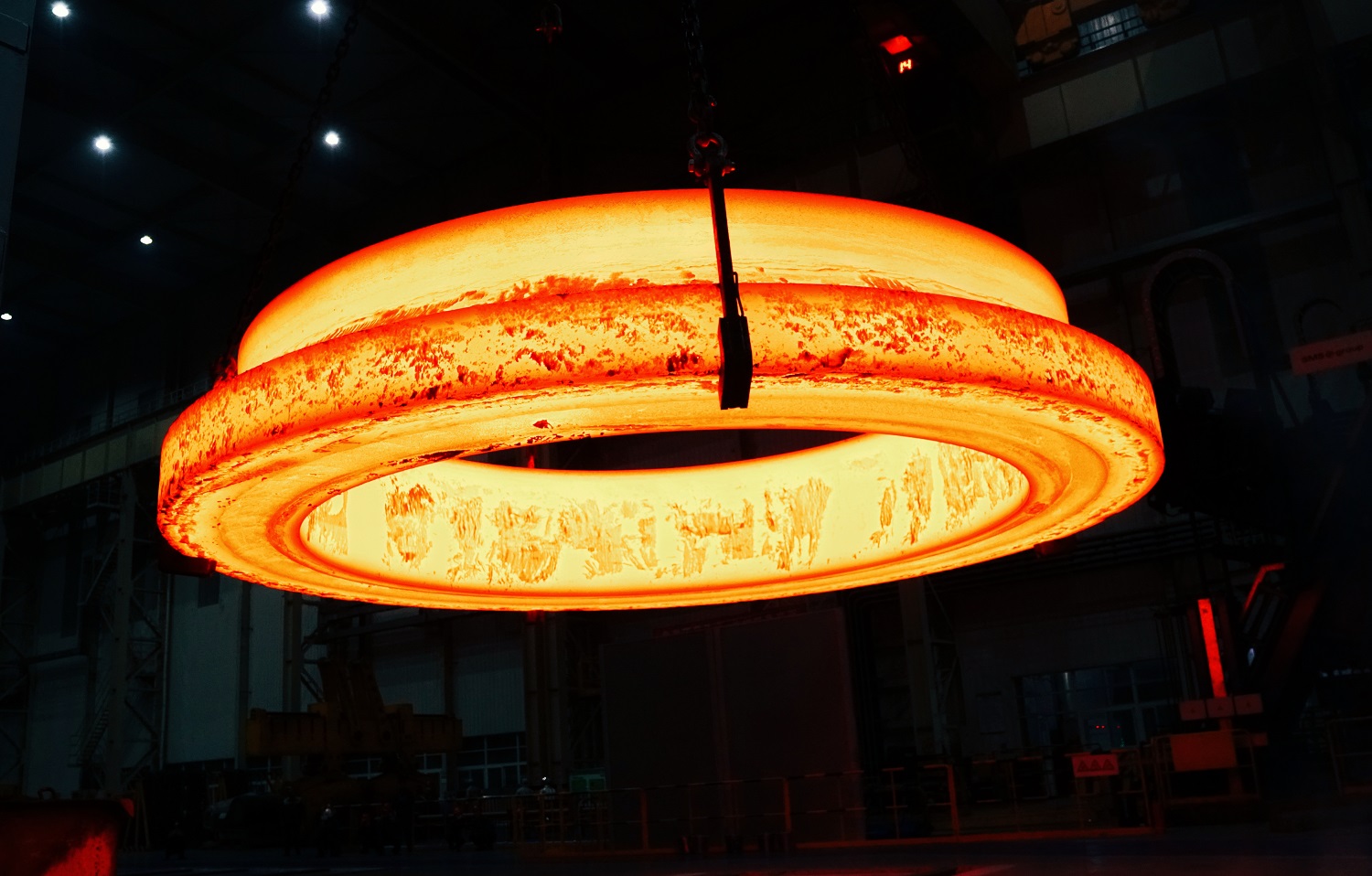
The forming stage used a 16-metre SMS ring-rolling machine and a near-net-forming approach. The resulting support ring measured 15.673 metres in diameter and had no circumferential assembly weld.
Coordinating Heat Treatment and Handling
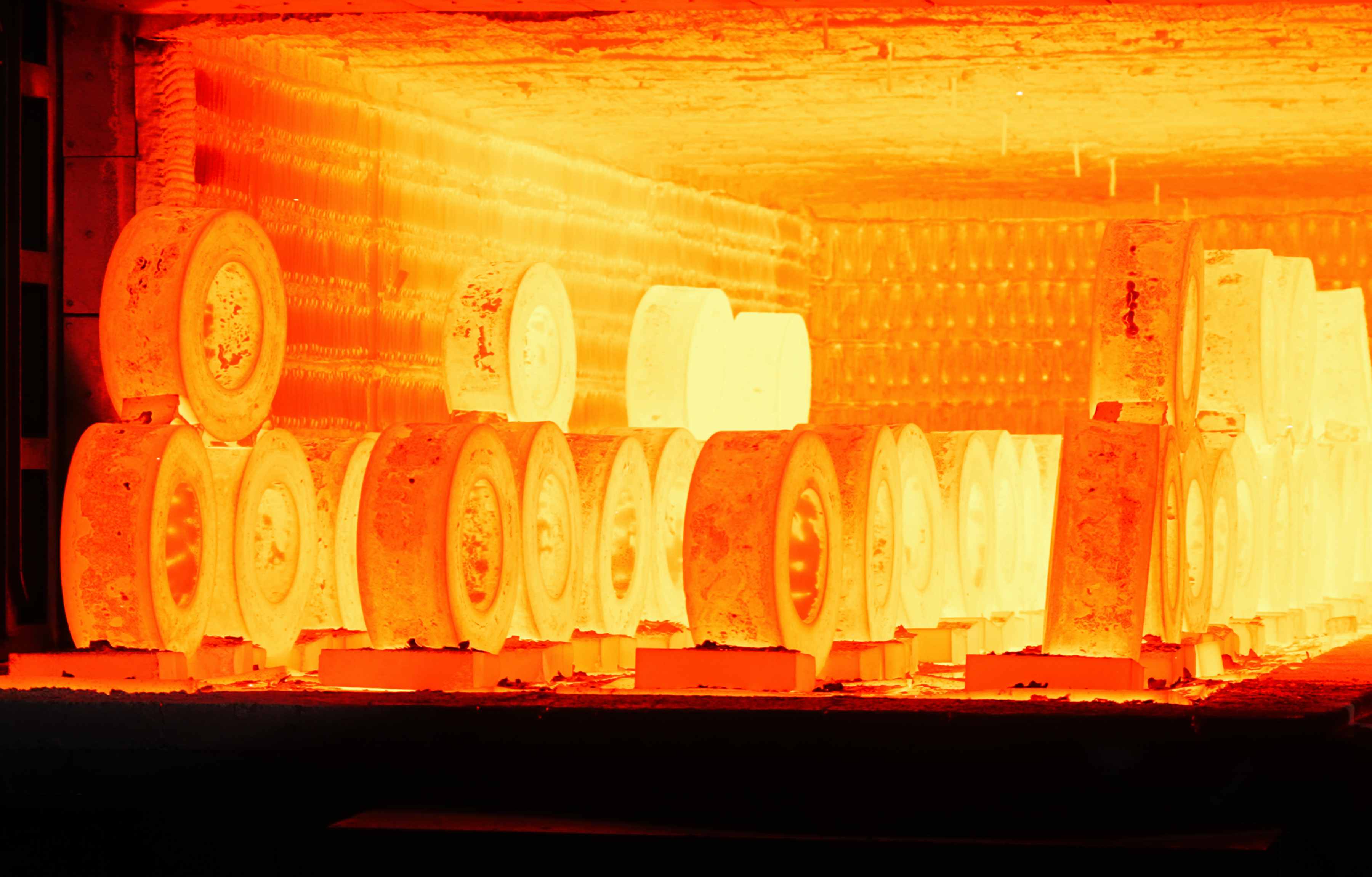
The project’s heat-treatment arrangements included a dedicated quench-tank system, controlled furnace temperature, zoned cooling-speed control, and symmetrical lifting fixtures. These measures addressed temperature differences and deformation during processing and handling.
Information to Include in a Forged Ring RFQ
Include the following information in your request for quotation.
| RFQ item | Information to provide |
| Application | Equipment type and component name |
| Drawing package | Drawing number, revision, section views, and available model files |
| Dimensions | Outside diameter, inside diameter, height, and relevant section details |
| Material | Grade, specification, required condition, and project-specific requirements |
| Quantity | Prototype, batch, or anticipated call-off quantity |
| Supply condition | Forging blank, agreed machining scope, or another defined delivery condition |
| Inspection | Required examinations, acceptance criteria, records, and approval stages |
| Schedule | Requested delivery date and expected release date for outstanding technical inputs |
| Destination | Delivery location and known transport or handling constraints |
| Open items | Pending specifications, proposed alternatives, and questions for technical review |
For multi-part enquiries, list each component separately and identify any specifications or drawings still awaiting release.
Discuss Your Power-Generation Ring Requirement
Wind flanges, hydropower rotor yoke rings, and nuclear support rings require different technical packages. A defined application, drawing, material requirement, and delivery condition provide a practical basis for assessing the work.
To discuss a forged ring for power generation, send Iraeta your drawings and project requirements, together with the quantity, delivery destination, and requested schedule.


Recommended reading
Unlocking the Secrets of Forging: The Performance Code of Classic Processes
Must-Read for Ring Forging: Advantages and Applications of the Forge-Rolling Process
Open-Die Forging vs. Ring Rolling: Helping You Choose the Optimal Forging Process