

















Forged Ring for Petrochemical Processing: Rings and Transition Components
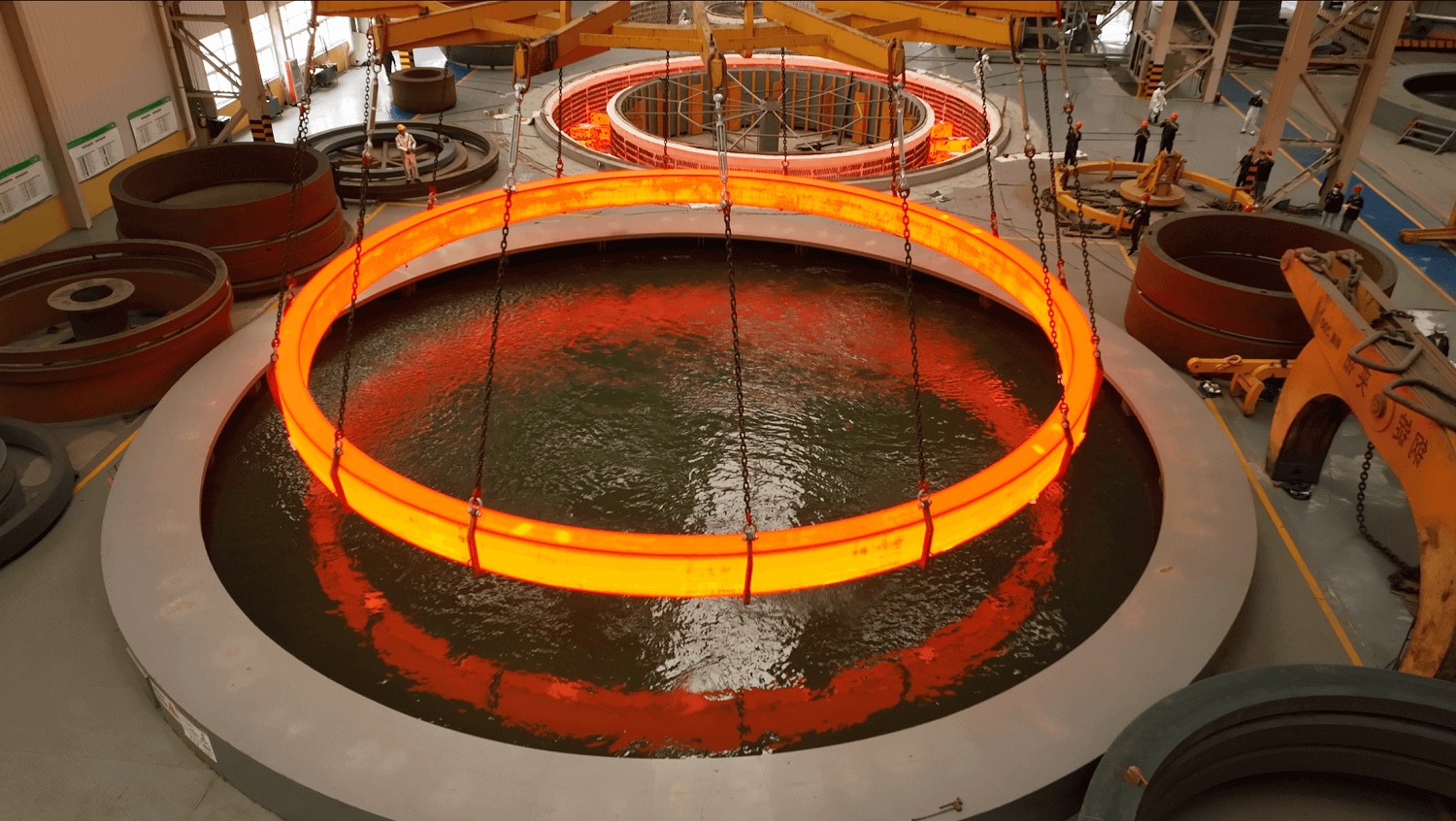
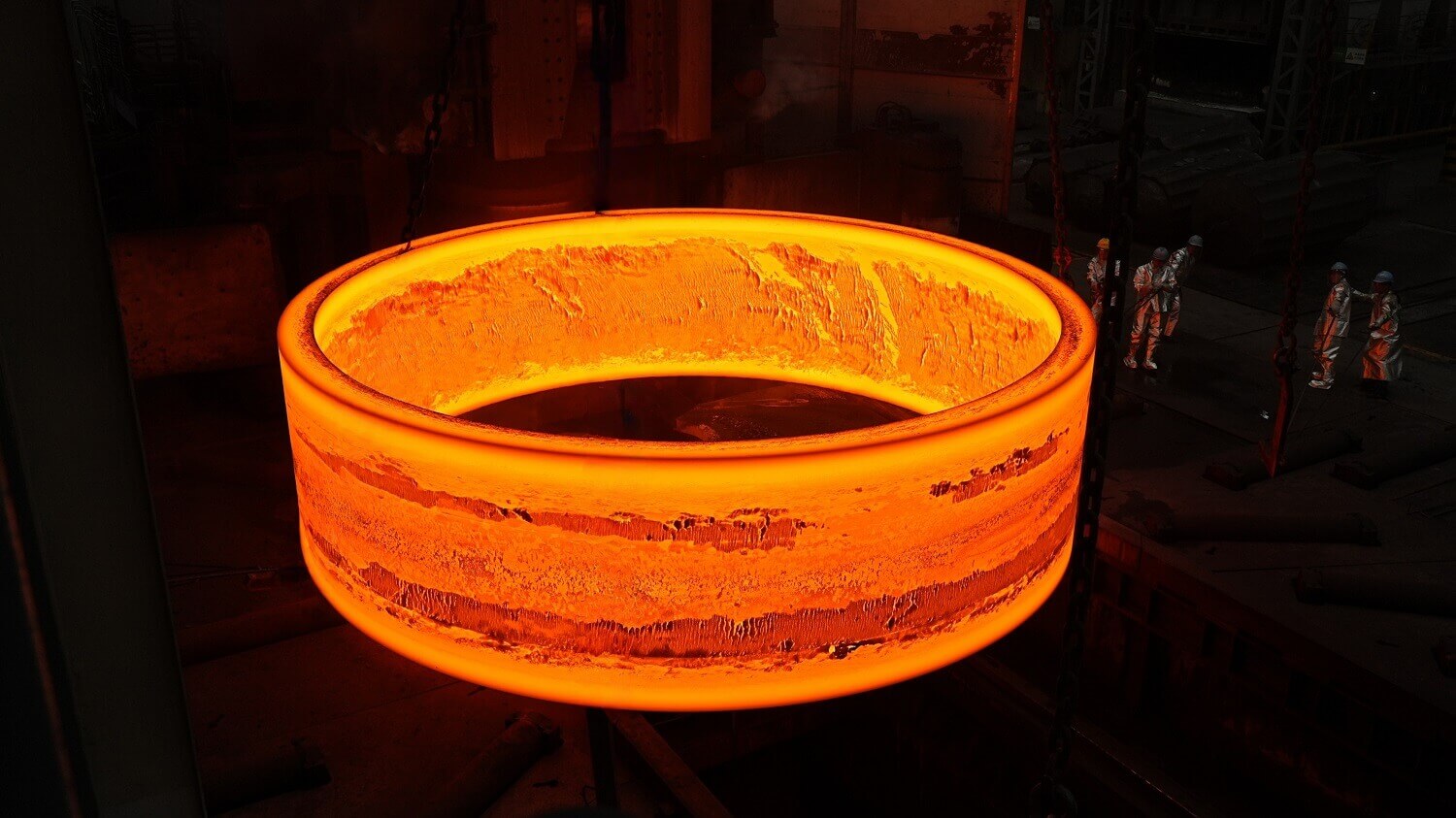
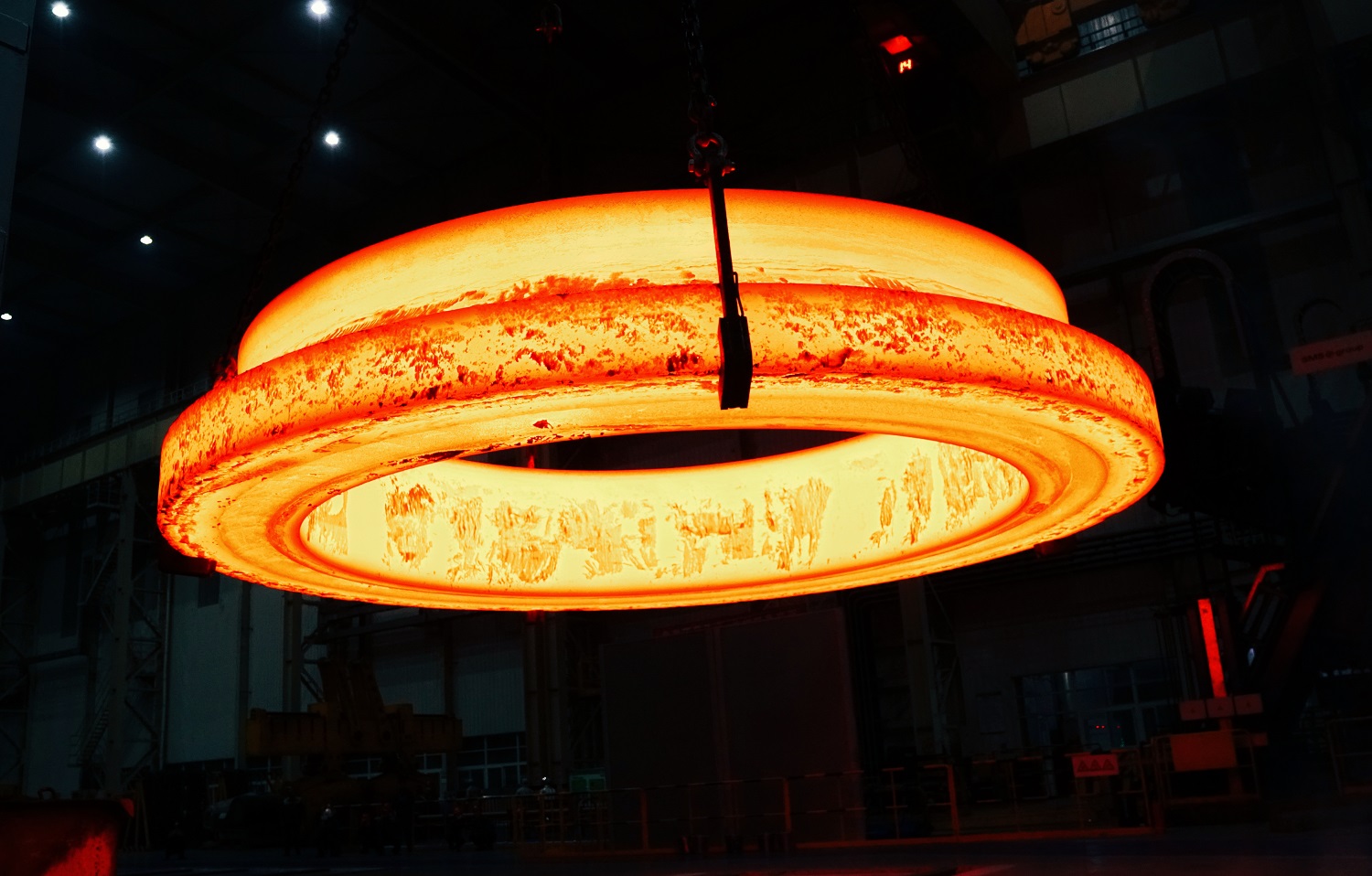
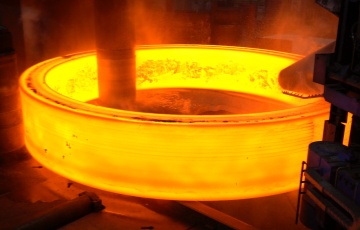
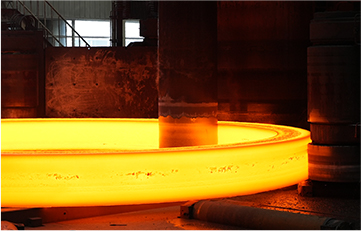
A forged ring for petrochemical processing can have a rectangular cross-section or a more complex profile connecting different parts of an equipment assembly. The component’s shape, material condition, and finished interfaces determine the manufacturing work required.
At Iraeta, we manufacture custom forged rings with rectangular and complex-profile cross-sections. Our oil and gas product range also includes shells, transition sections, valve bodies, and head forgings, supported by heat treatment and machining capabilities.
For petrochemical ring components, the manufacturing focus is the complete section: the main annular body, changes in geometry, and the surfaces connecting it to adjacent equipment.
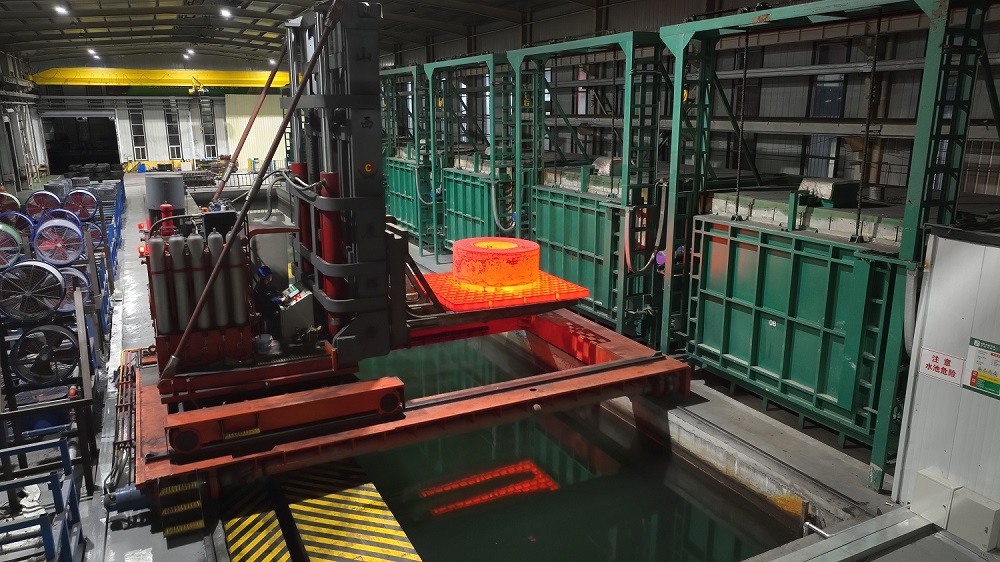
Rectangular and Profiled Ring Forms
Rectangular-Section Rings
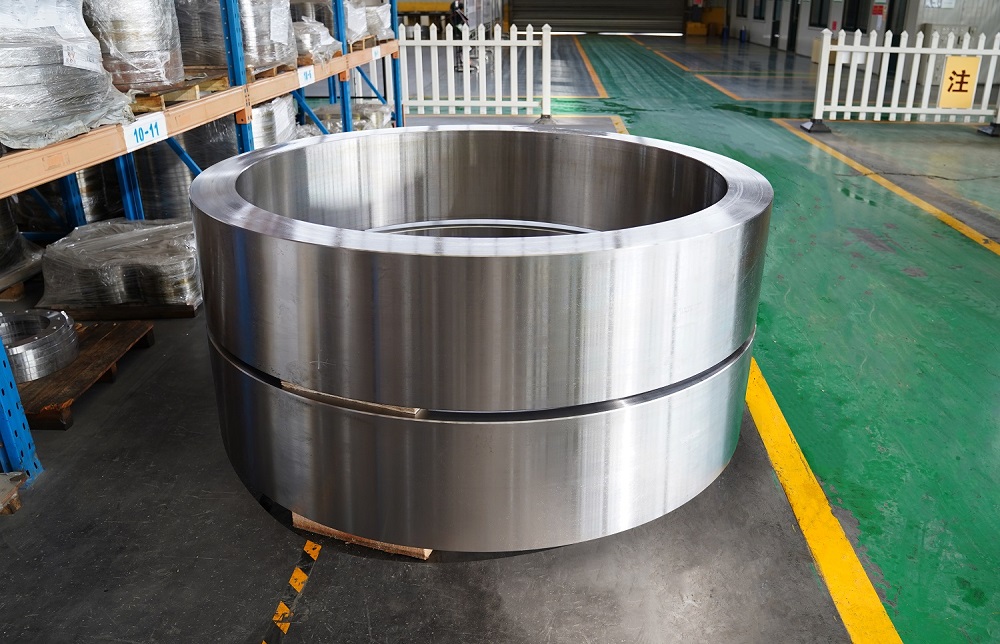
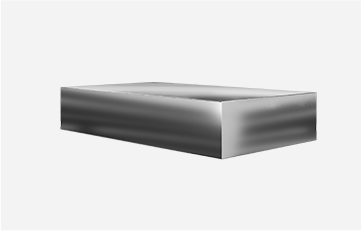
A rectangular-section ring is defined principally by its outside diameter, inside diameter, and axial height. These dimensions establish the main annular form.
The finished component may require machined cylindrical surfaces, axial faces, and additional drawing-defined details. The manufacturing scope identifies which surfaces are completed before delivery and which remain for subsequent processing.
The relationship between the ring form and finished geometry should be visible in the component drawing. Where an intermediate condition is required, its dimensions remain distinct from those applying to the final part.
Profiled Rings
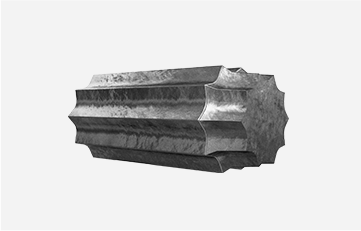
Profiled rings incorporate changes in thickness, steps, and other section features within the annular form.
Our ring rolling capabilities include both rectangular and complex-profile cross-sections. For a profiled component, the complete section establishes the shape to be formed and the features subsequently completed by machining.
Outside diameter and axial height describe the overall envelope, but the local geometry defines the component itself. Section drawings therefore include the dimensions connecting the main ring body with its steps, transitions, and interfaces.
| Ring form | Main geometric information | Finishing requirements |
| Rectangular-section ring | Outside diameter, inside diameter, axial height | Cylindrical surfaces and axial faces |
| Stepped ring | Main dimensions and local section changes | Stepped diameters, faces, and profiles |
| Application-specific profiled ring | Complete drawing-defined cross-section | Connection details and specified finished surfaces |
These forms are developed around the component design rather than treated as interchangeable standard products.
Coke Drum Transition Components
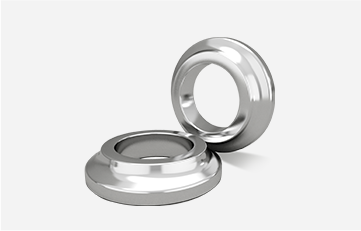
Our petrochemical product applications include coke drum Y-rings and transition components.
These components require a complete transition profile, including the geometry connecting adjacent equipment sections. Their manufacturing definition extends beyond the diameter of the ring.
The cross-section identifies the main body, local changes in shape, and the boundaries of the supplied forging. The finished requirements establish the connection surfaces and other features included in machining.
For a transition component, the technical reference brings together:
The complete section profile.
Principal and local dimensions.
Interfaces with adjoining equipment.
Required material and delivery condition.
Surfaces completed before delivery.
Applicable inspection requirements.
A final equipment drawing may contain details outside the individual forging. The component boundary separates the supplied part from adjacent sections and any work performed later.
An annotated section can show this boundary without changing the design reference. Finished surfaces, intermediate geometry, and excluded operations remain clearly identified.
Ring Components and Cylindrical Shell Sections
Ring components and cylindrical shell sections both have annular geometry, but their proportions and finished requirements differ.
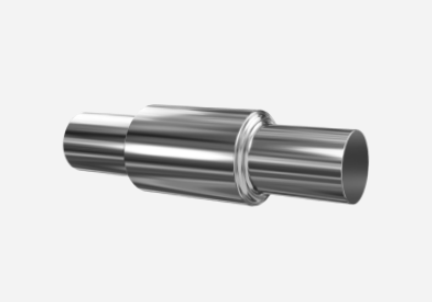
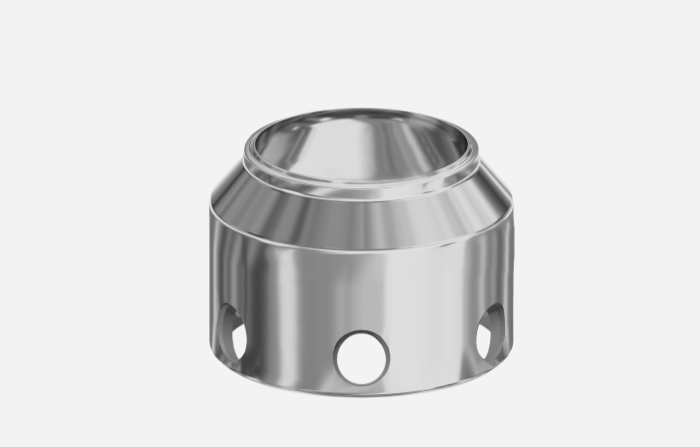
A shell section is defined by its cylindrical body, height, wall geometry, and end configuration. A ring or transition component is more closely described by its local cross-section and connection features.
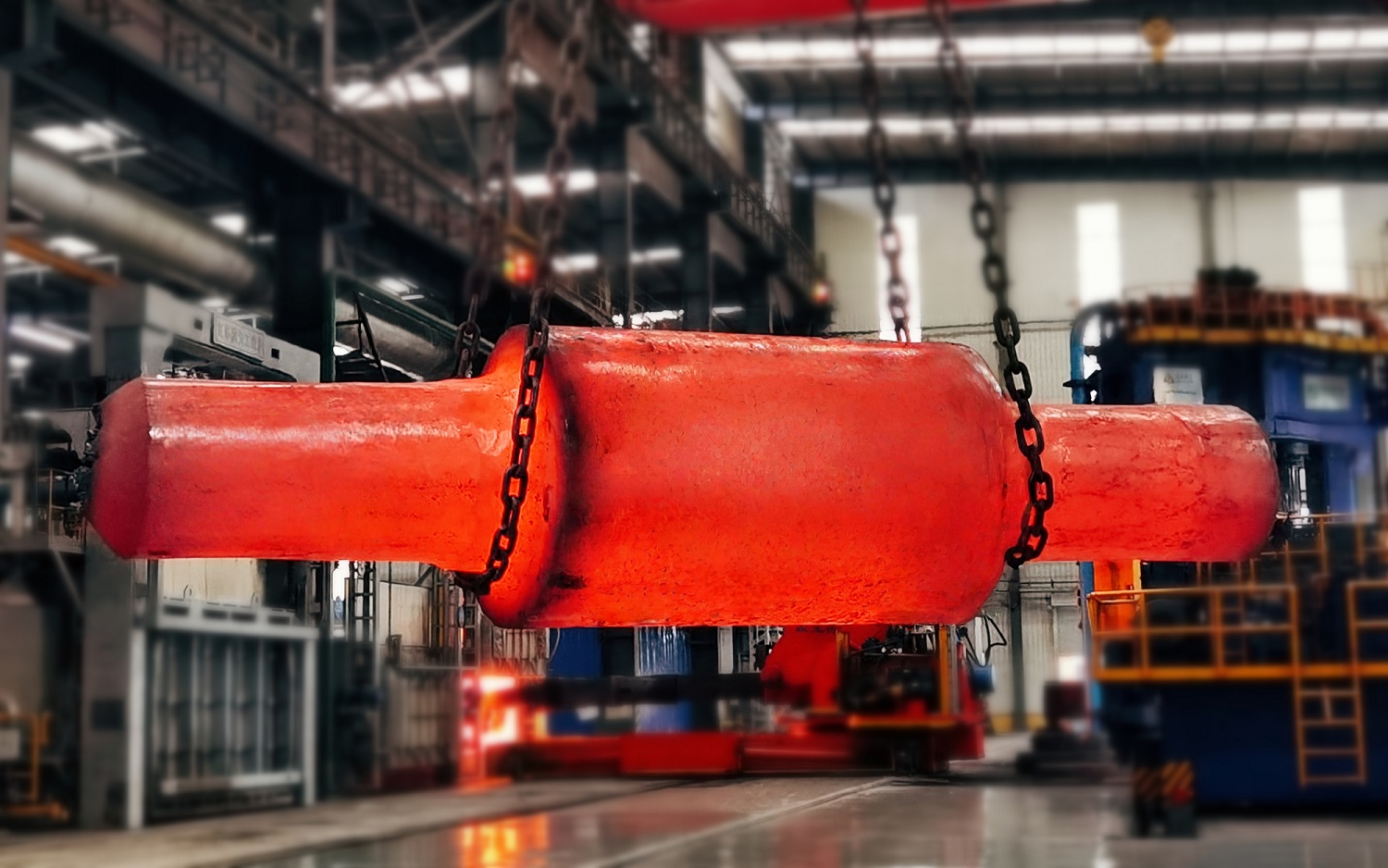
Our oil and gas forging applications include development work on homogeneous manufacturing and integrated, non-welded fabrication of cylindrical forgings for pressure vessels and evaporators. This work includes pressure-vessel cylinder test pieces.
For an equipment assembly containing several forged parts, each component retains its own geometry and manufacturing boundary. This keeps the ring, transition section, and shell requirements tied to the correct drawing.
Integrated Forming, Heat Treatment and Machining
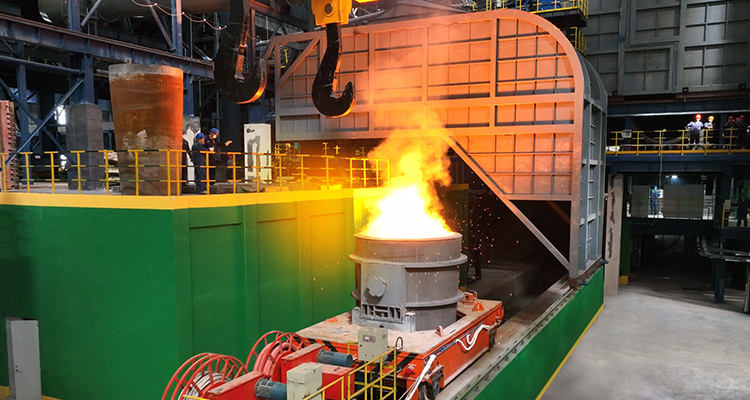
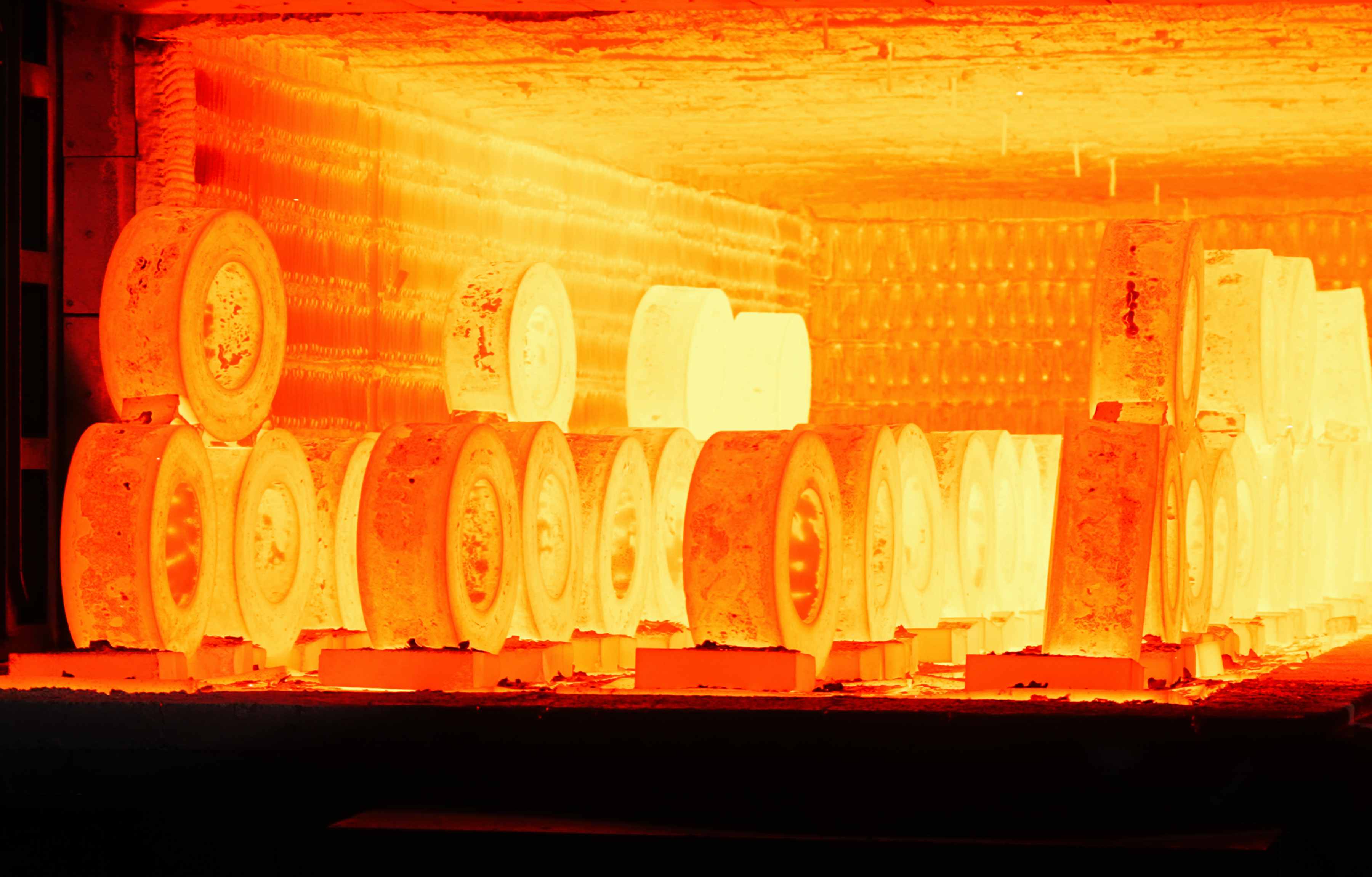
Our oil and gas manufacturing scope extends from material preparation through forging and rolling, heat treatment, machining, and inspection.
The route is organized around the part being manufactured. A rectangular ring, a profiled transition, and a cylindrical section do not share an identical geometric target.
Forming the Component Section
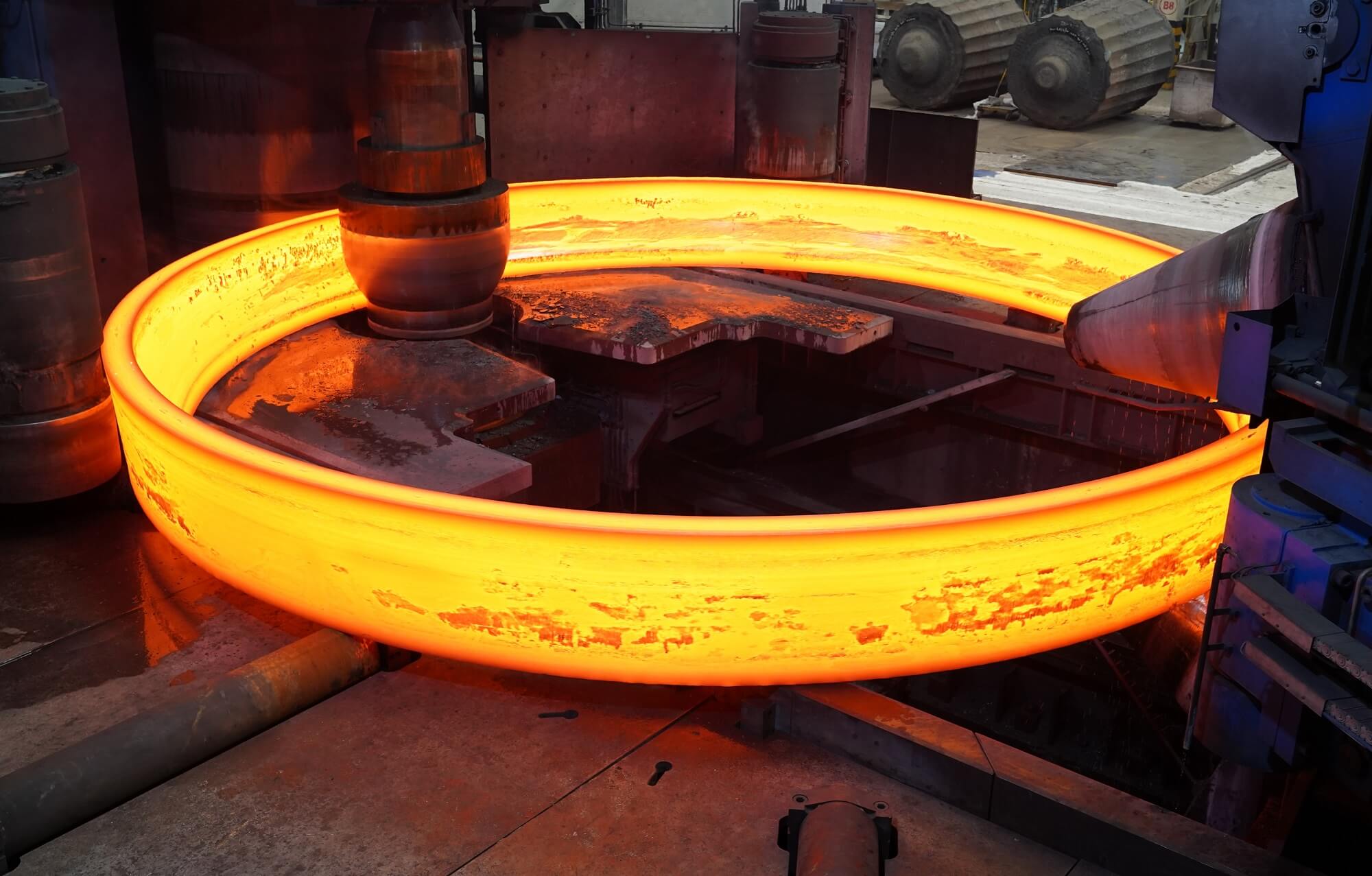
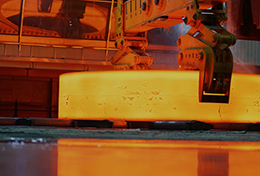
Ring forming establishes the main annular shape and cross-section.
For rectangular-section components, the principal dimensions define the basic form. For profiled rings, local section details are included in the manufacturing reference alongside the overall dimensions.
The complete drawing also identifies features requiring machining rather than leaving them to be inferred from the product name.
Establishing the Required Material Condition
The material specification and delivery condition form part of the same technical basis.
Heat treatment requirements are considered with the component geometry and subsequent machining. The manufacturing scope identifies the agreed treatment condition and the acceptance requirements applying to it.
Supplementary project requirements remain attached to the individual component rather than assumed from the general petrochemical application.
Completing the Finished Geometry
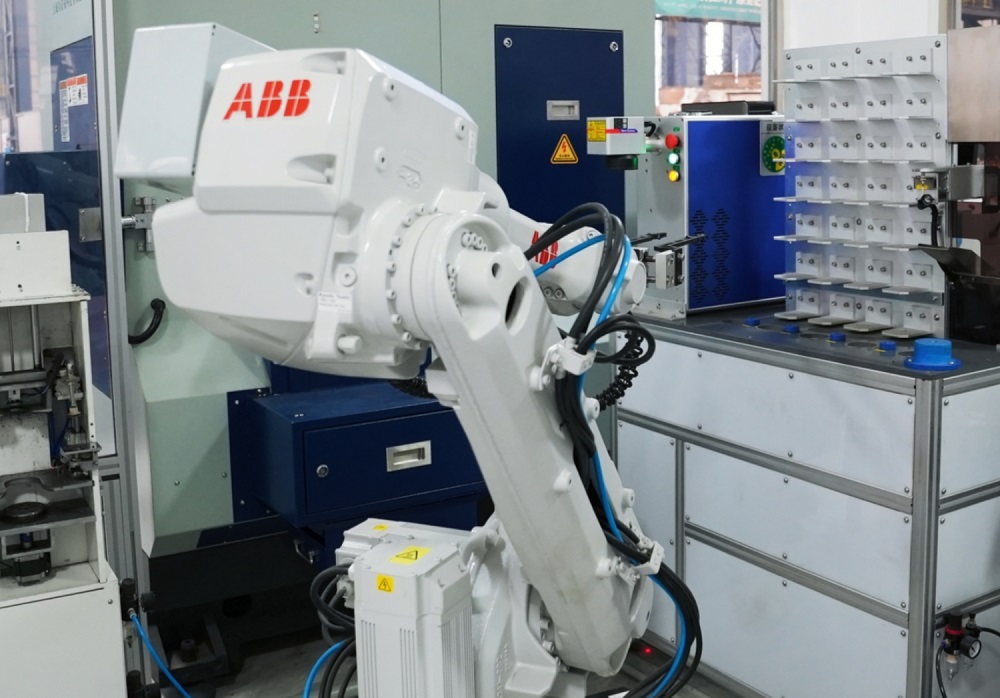
Our ring forming, heat treatment and machining capabilities include CNC-supported cutting, grinding, and drilling.
The included operations complete the surfaces and features specified for delivery. These may include internal and external diameters, axial faces, stepped profiles, holes, and connection details.
For components requiring further processing, the completed work and remaining operations are identified separately.
Finished Interfaces and Inspection
The finished interfaces connect the forging with the surrounding equipment. Their dimensions and surface requirements follow the component drawing.
Inspection is aligned with the work completed before delivery. The scope covers the applicable material condition, main geometry, local profiles, and machined features.
| Component area | Verification reference |
| Main ring body | Principal dimensions and section geometry |
| Transition profile | Local dimensions and complete cross-section |
| Machined interfaces | Finished dimensions and surface requirements |
| Material condition | Specification and agreed treatment requirements |
| Intermediate surfaces | Defined delivery geometry |
Required material records, treatment records, and dimensional reports are identified as specific deliverables. Any purchaser or third-party review is assigned to the relevant manufacturing stage.
Drawing changes are tracked against the applicable revision so that production and inspection use the same component reference.
Discuss Your Petrochemical Component
Iraeta supports technical discussions around rectangular rings, profiled transition components, and finished equipment interfaces.
Contact our team with your component drawing to review its section geometry, connection details, and manufacturing requirements.


Recommended reading
Unlocking the Secrets of Forging: The Performance Code of Classic Processes
Must-Read for Ring Forging: Advantages and Applications of the Forge-Rolling Process
Open-Die Forging vs. Ring Rolling: Helping You Choose the Optimal Forging Process