














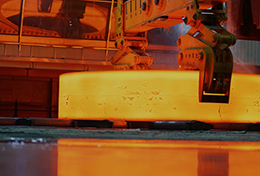


Seamless Rolled Rings for Hydropower: Section Geometry, Forming and Machining
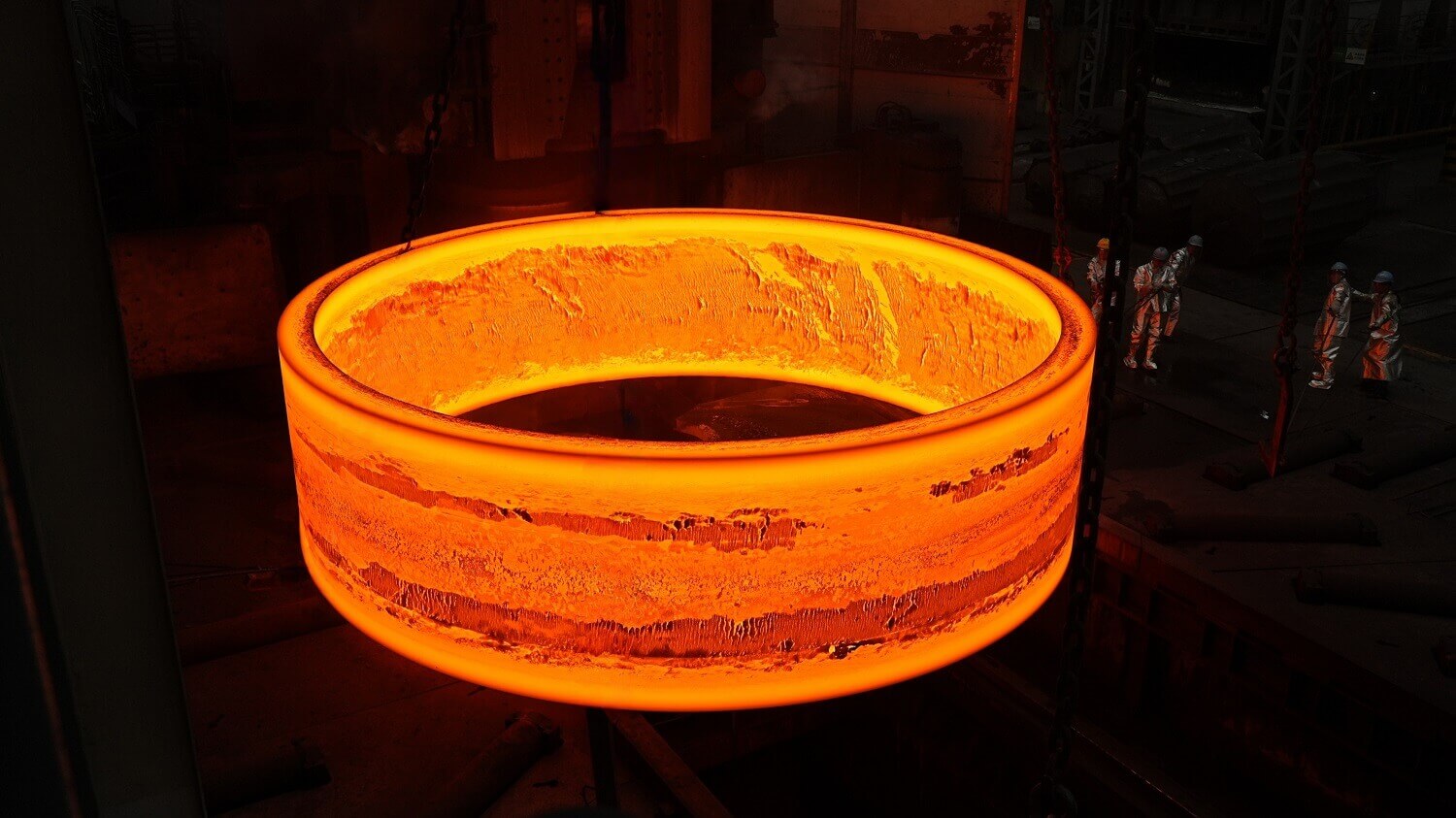
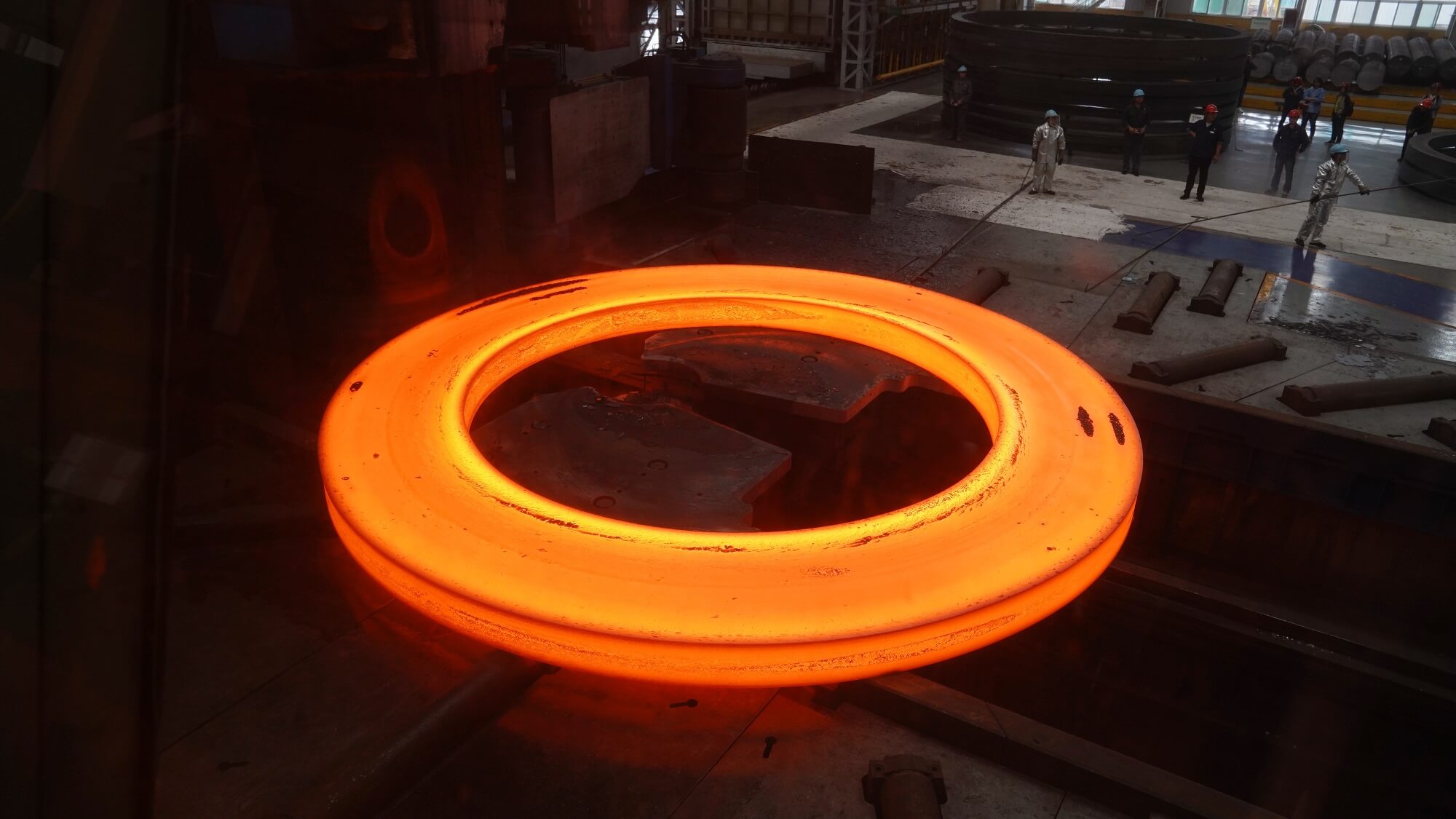
Hydropower equipment contains large ring components such as magnetic yoke rings, stator rings, stay rings, bottom rings, and top-cover flanges. Their manufacture depends on more than overall diameter. The cross-section, profile transitions, and machined interfaces define the shape to be produced and the operations required to complete it.
For an integral ring design, the finished drawing and intermediate forging geometry describe different stages of the same component. Forming establishes the circular section. Subsequent machining develops the specified surfaces and features.
The relationship between these two geometries is central to understanding seamless ring manufacture: what can be approached through forming, what material remains, and how the finished component emerges from the intermediate ring.

Begin with the Section Geometry
Outside diameter, inside diameter, and height establish the ring’s overall envelope. The cross-section shows how material is distributed within it.
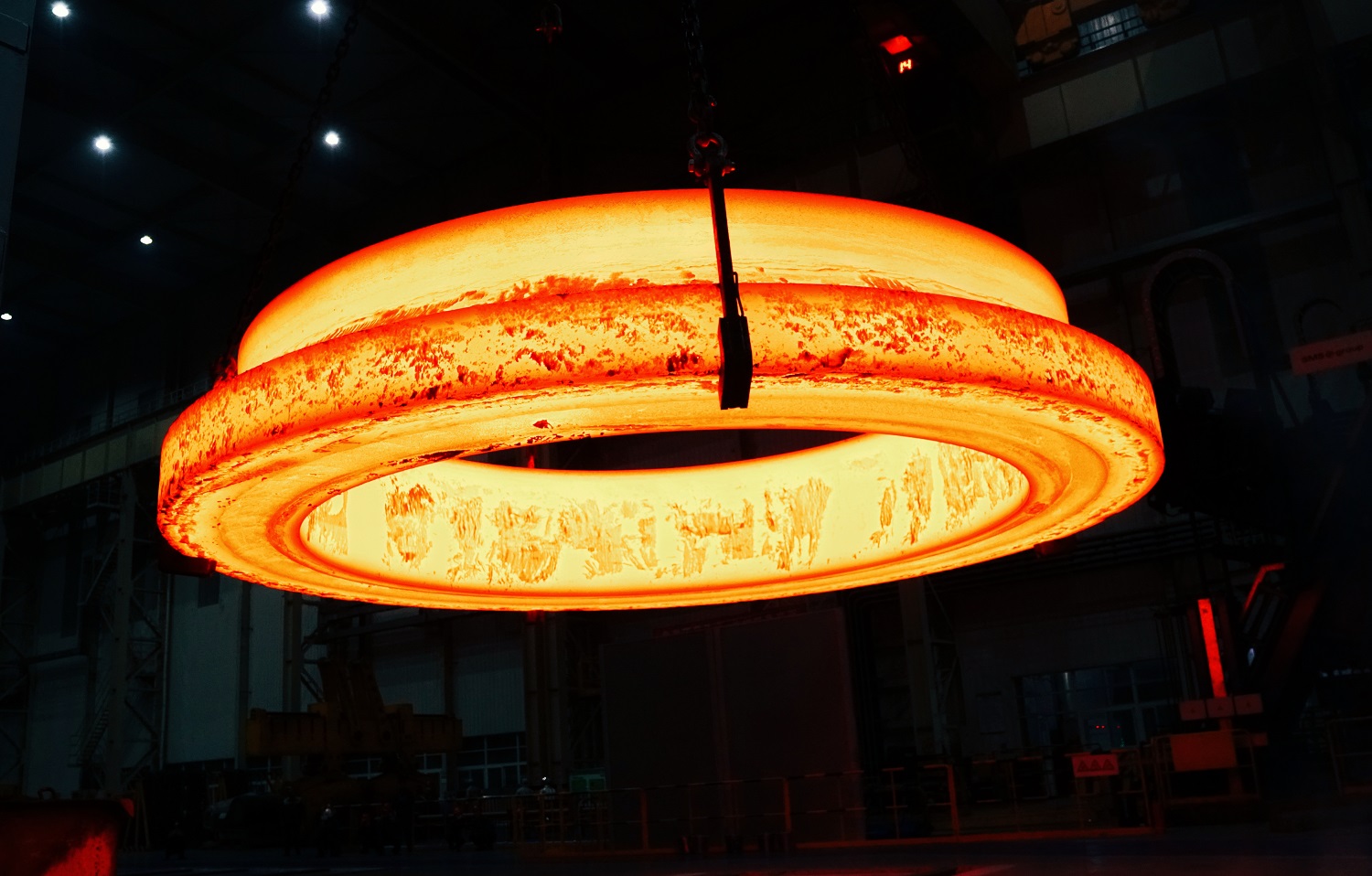
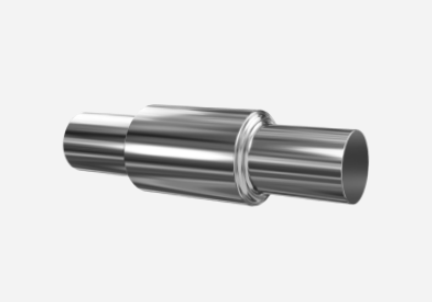
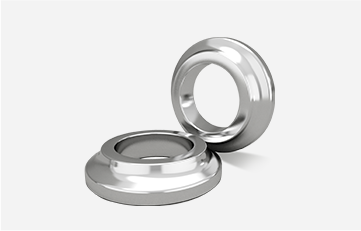
A uniform annular section, a stepped profile, and a flange-shaped section present different geometries even when their outside diameters are similar. Wall thickness, shoulders, recesses, and profile transitions provide the additional information needed for manufacture.
Within the hydropower ring-component range, individual products retain their own drawings and component identities. A stay ring, stator ring, and top-cover flange are not interchangeable descriptions of one section.
The finished drawing defines the completed component. The intermediate forging drawing defines the geometry required before the remaining operations take place.
Keeping these drawings distinct makes the manufacturing sequence visible. It identifies where the forged profile approaches the final shape and where material remains for machining.
Integral Forming and the Required Profile
An integral ring design differs from a construction assembled from separate welded segments. The forming assessment addresses the complete circular component and its section.
Iraeta’s engineering services include the development of seamless forged components intended to reduce or eliminate welds found in conventional constructions. The relevance of this approach is assessed against the individual component rather than assumed for every hydropower product.
Customised Tooling and Profile Development
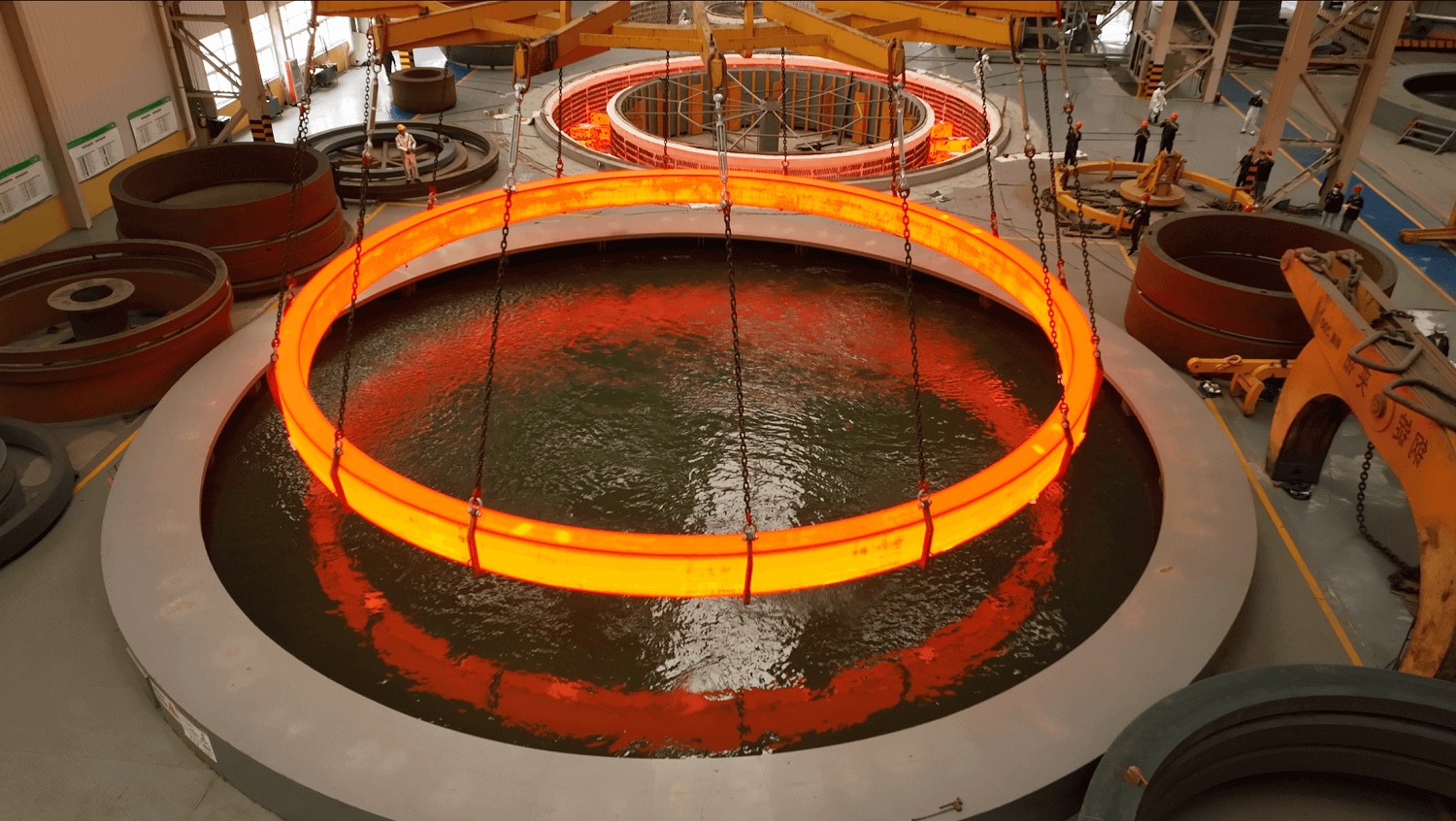
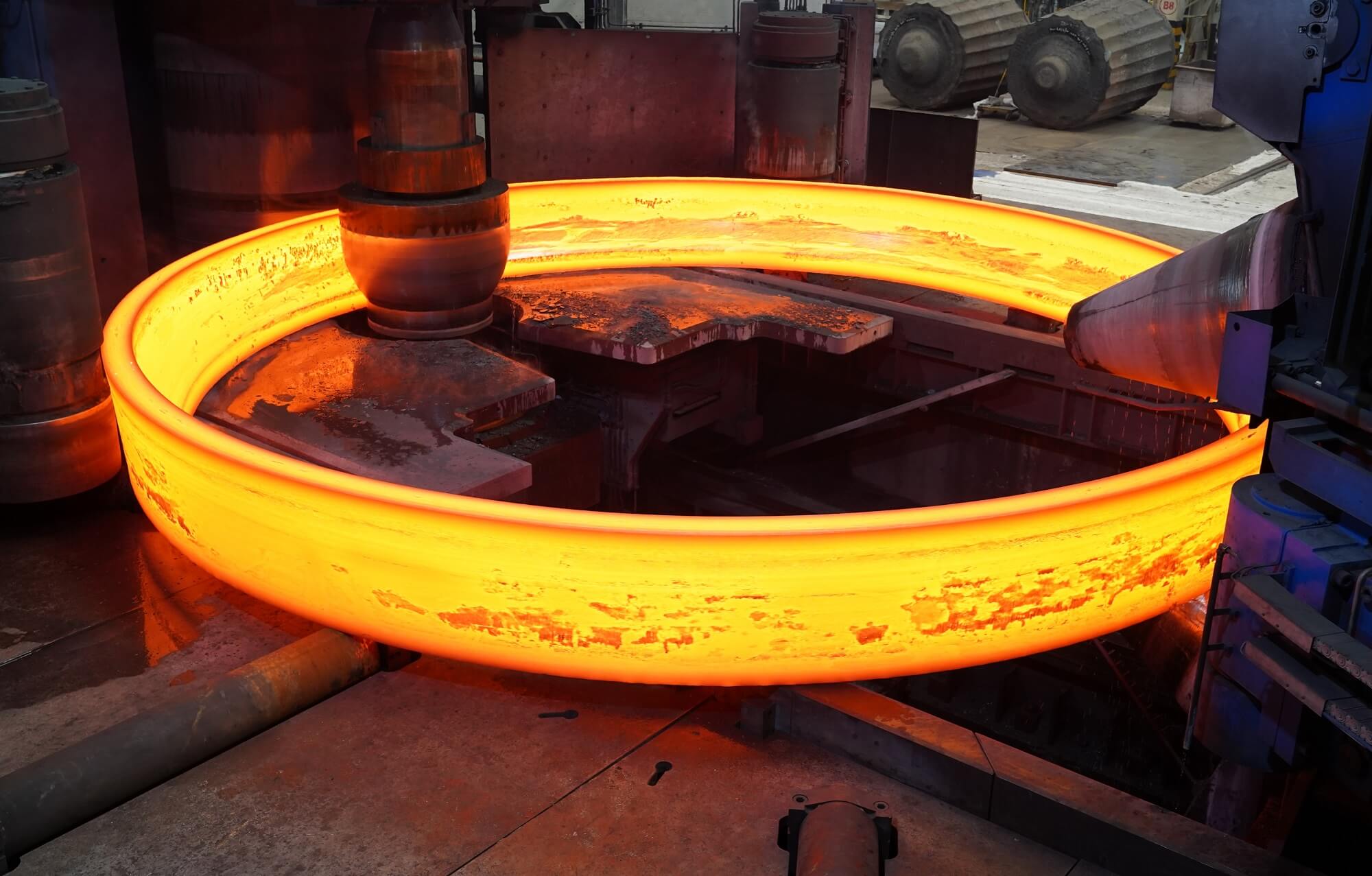
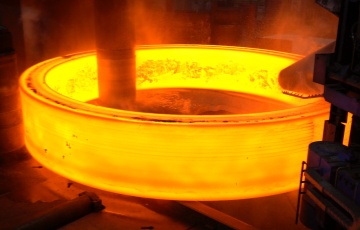
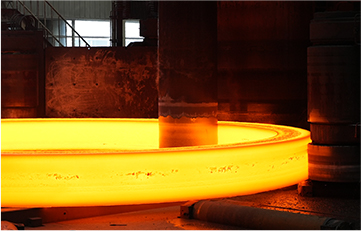
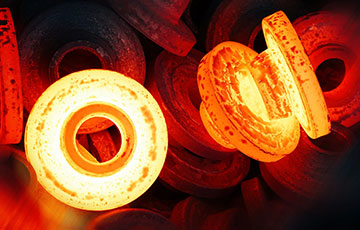
Customised tooling and radial–axial rolling can bring a forging closer to the required dimensions and shape. Reduced material consumption is one objective identified for this process-development work.
A closer relationship between the formed and finished profiles changes the amount and distribution of material remaining for machining. The focus is therefore not simply on producing a circular blank, but on establishing a useful intermediate section.
The extent of profile formation remains component-specific. Section dimensions, transitions, material requirements, and subsequent operations all belong within the engineering review.
Not every finished feature needs to be reproduced during forming. The intermediate geometry must instead provide a defined basis for completing the part.
Radial–Axial Rolling Within Hydropower Manufacture

Radial–axial full rolling is used within Iraeta’s ultra-large hydropower-forging range. The published process description includes magnetic yoke discs and relates continuous forming to overall rigidity and machining and installation accuracy.
This is a specific manufacturing reference within the broader hydropower sector. A magnetic yoke disc remains a separate product from a magnetic yoke ring, turbine bottom ring, or stay ring.
The hydroelectric-forging capabilities provide process information for large components without establishing one universal route for every ring geometry.
For an individual ring, the manufacturing proposal connects the required section with the applicable forming operations. The complete drawing and material requirements remain the basis for that assessment.
Machining Allowances Define the Intermediate Ring
Machining allowances connect the formed section with the final component geometry. They identify the material remaining for subsequent operations.
For a profiled ring, the position of that material matters as much as the overall quantity. Material retained around a shoulder or flange face relates to a defined feature in the finished section.
An intermediate drawing distinguishes:
Dimensions applicable at the current stage.
Surfaces already machined.
Material remaining for later operations.
Features completed during subsequent processing.
This definition is especially important when forming and final machining take place at different facilities. “Rough-machined” describes a stage, but it does not replace the dimensional information needed for the next operation.
The controlled intermediate geometry provides a technical interface between manufacturers. It shows what has been produced and what remains to be achieved.
From Formed Section to Machined Interfaces
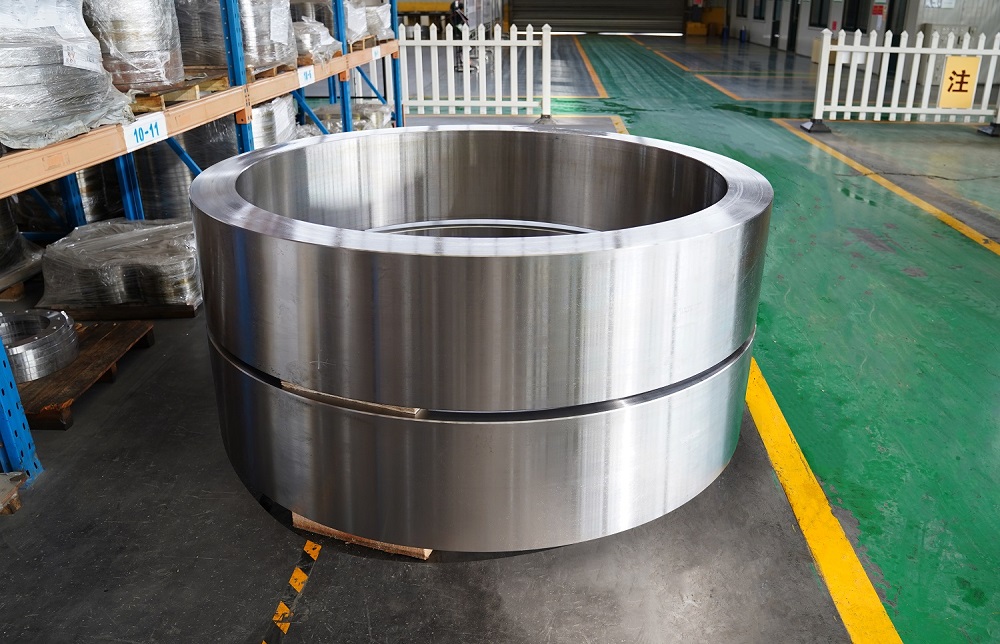
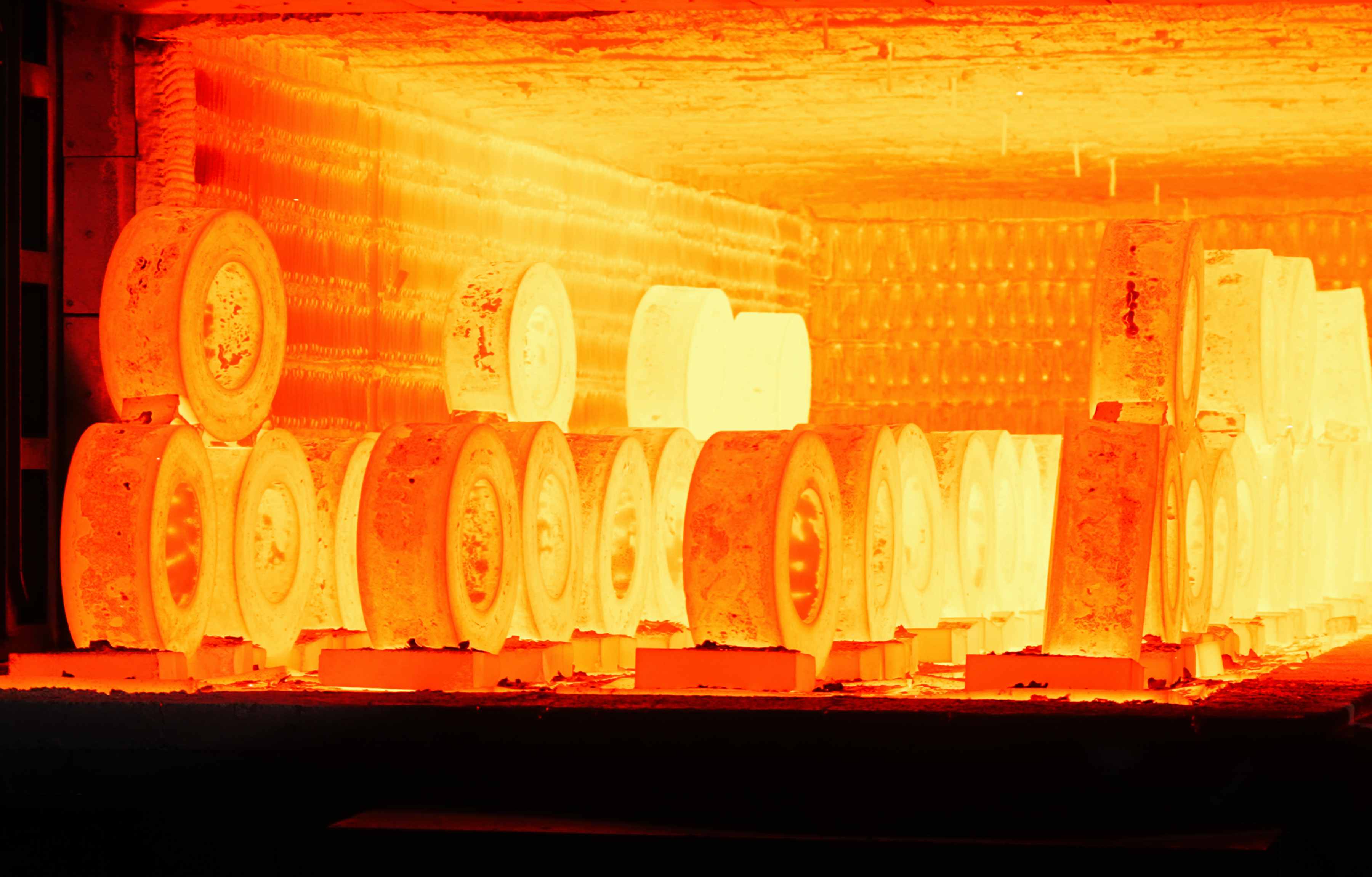
A forging blank, rough-machined ring, and finished component represent different points along the manufacturing route.
The forging establishes the starting section. Rough machining completes specified surfaces or features while retaining material for further work. Final machining produces the dimensions and features included in the component requirements.
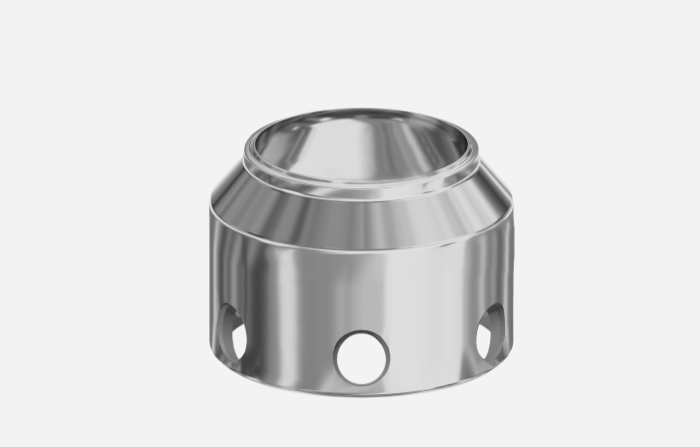
The drawing preserves the relationship between these stages. Flange faces, shoulders, openings, and other specified features remain identifiable as the component progresses.
Through forming and engineering collaboration, section geometry, tooling, and subsequent processing can be reviewed together. The result is a coordinated route rather than an isolated forming operation followed by undefined downstream work.
This approach also gives each manufacturing stage a clear output: a ring with specified dimensions, completed features, and an identified amount of remaining work.
Material Condition Through the Manufacturing Sequence
The section drawing defines geometry; the material specification defines the steel requirements. Both accompany the component through process development.
Heat treatment establishes the required material condition within that sequence. Iraeta’s services include normalizing, annealing, quenching and tempering, and stress-relieving annealing.
The relevant route follows the specified material and component requirements. It is not established solely by the application name or the fact that the product has an integral circular form.
The condition at an intermediate stage also needs to remain distinguishable from the finished geometry. A ring can be described accurately only when its material condition and processing progress are both clear.
Verifying Each Manufacturing Stage
An intermediate ring and a finished component may have different dimensional requirements because further machining remains. Inspection therefore refers to the drawing applicable at the relevant stage.
Material examinations address their specified characteristics, while dimensional inspection addresses the geometry achieved. The resulting records contribute different information about the same component.
This staged definition supports a clear transition from forming through machining. Each operation begins from an identified geometry and condition rather than a broad description of a large hydropower ring.
Conclusion
Seamless ring manufacture connects the finished section with an intermediate geometry that supports subsequent processing. Integral forming establishes the circular component, profile development distributes material around the section, and machining produces the specified interfaces.
Iraeta’s hydropower product references and radial–axial rolling capabilities provide routes to explore this manufacturing sequence. Engineers can examine the relevant component categories, review the forming approach, or discuss a ring section drawing with the technical team, focusing on profile formation, intermediate dimensions, machining allowances, and the required material condition.


Recommended reading
Unlocking the Secrets of Forging: The Performance Code of Classic Processes
Must-Read for Ring Forging: Advantages and Applications of the Forge-Rolling Process
Open-Die Forging vs. Ring Rolling: Helping You Choose the Optimal Forging Process