












Forged Grinding Media: How to Plan and Evaluate a Mill Trial
A forged grinding media trial needs a defined objective, a baseline from the current ball charge, traceable trial batches and consistent operating records. The trial should show whether the candidate balls meet the plant’s performance requirements under comparable operating conditions.
Agree on the ball specification, replacement plan, evaluation criteria and data collection responsibilities before loading the first batch. Keep the mixed-charge period separate from the final evaluation period so the results can be reviewed on a clearly documented basis.
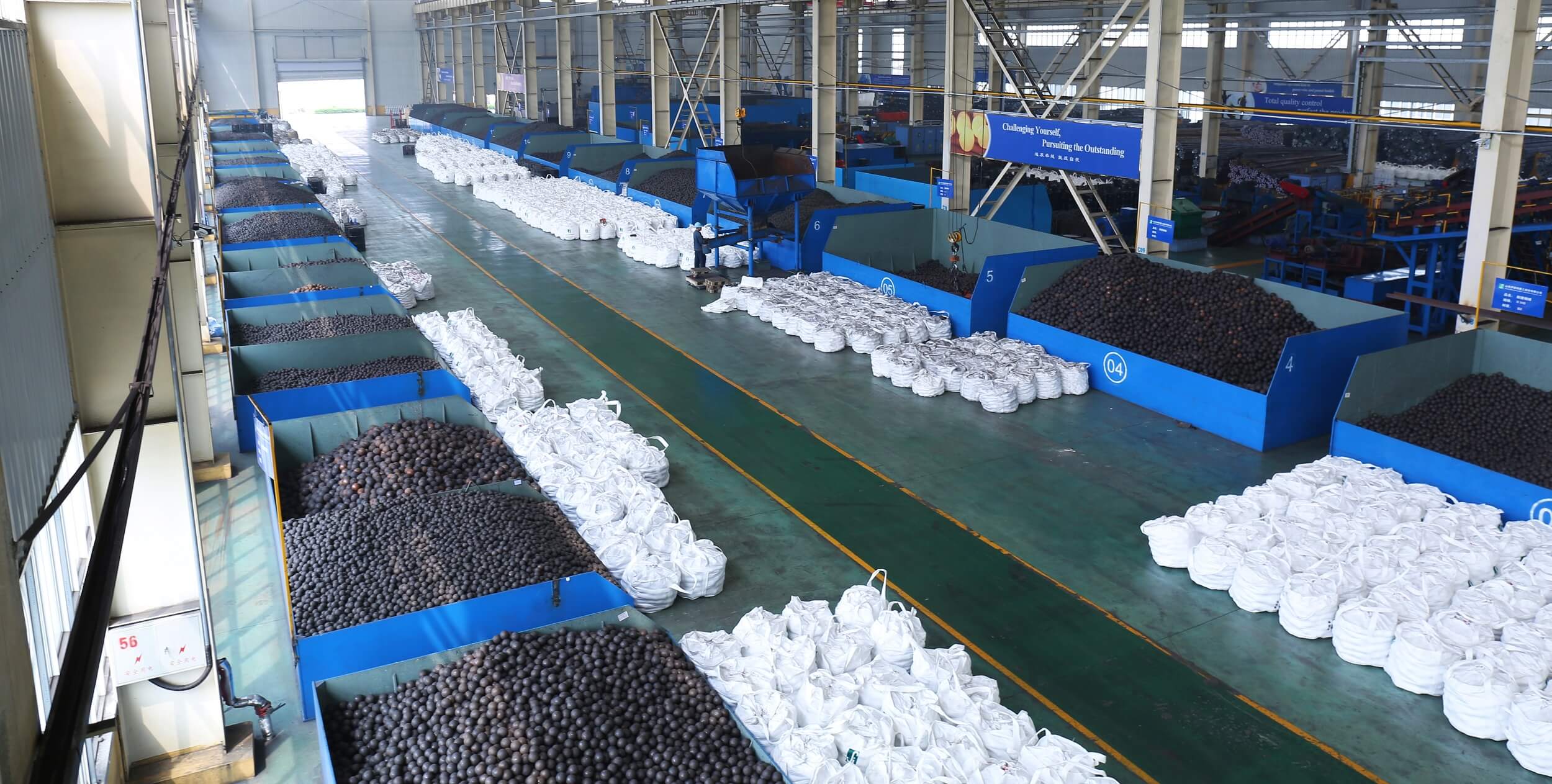
1.Set the Forged Grinding Media Trial Objective
Define the performance requirement being evaluated, such as media consumption or recurring ball breakage. Record the current issue and the result the plant expects from the trial.
Set the acceptance criteria before loading the trial balls. Include the target for the selected performance measure, the required throughput and the acceptable product grind size. Specify the records and measurement methods that will be used to assess each criterion.
Confirm the ball diameter, material grade, trial quantity and delivery schedule with the supplier. Record any planned changes from the current ball specification so they remain visible during the review.
Use the Iraeta grinding ball specifications to discuss the trial product, then include the agreed specification and acceptance criteria in the trial record.
2.Establish the Baseline
Record the mill’s performance with the current grinding balls before introducing the trial batch. Use a defined operating period and collect the following information:
Current ball type, nominal diameter and recorded material grade.
Kilograms of balls loaded and loading dates.
Tonnes of ore processed and mill operating hours.
Throughput and product grind size.
Ore source or blend.
Breakage observations, where relevant to the trial objective.
Keep the loading and production records aligned to the same dates. Include any shutdowns, ore changes or charge adjustments within that period.
Check that the baseline contains the information needed to assess the criteria set in Step 1. Resolve missing entries before the trial begins, and use the completed record as the template for trial data collection. Retain the same units, reporting intervals and measurement methods.
3.Verify the Batches and Track the Replacement Period
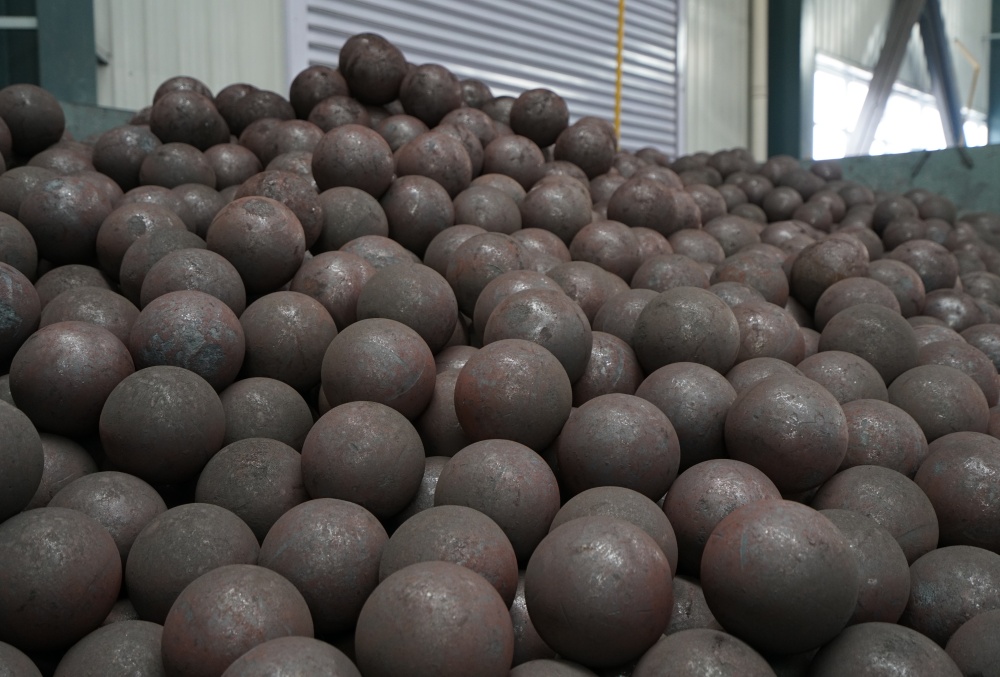
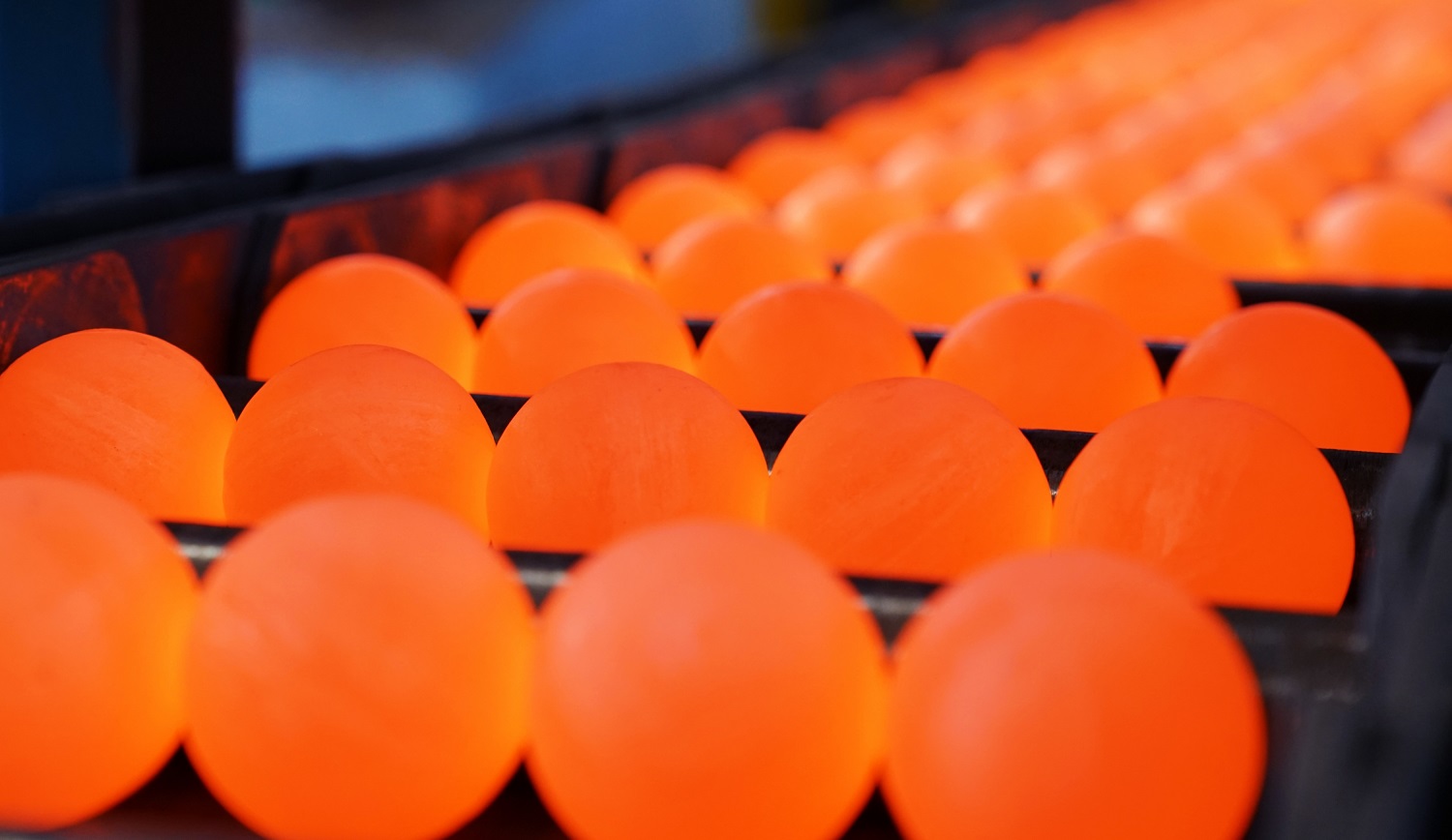
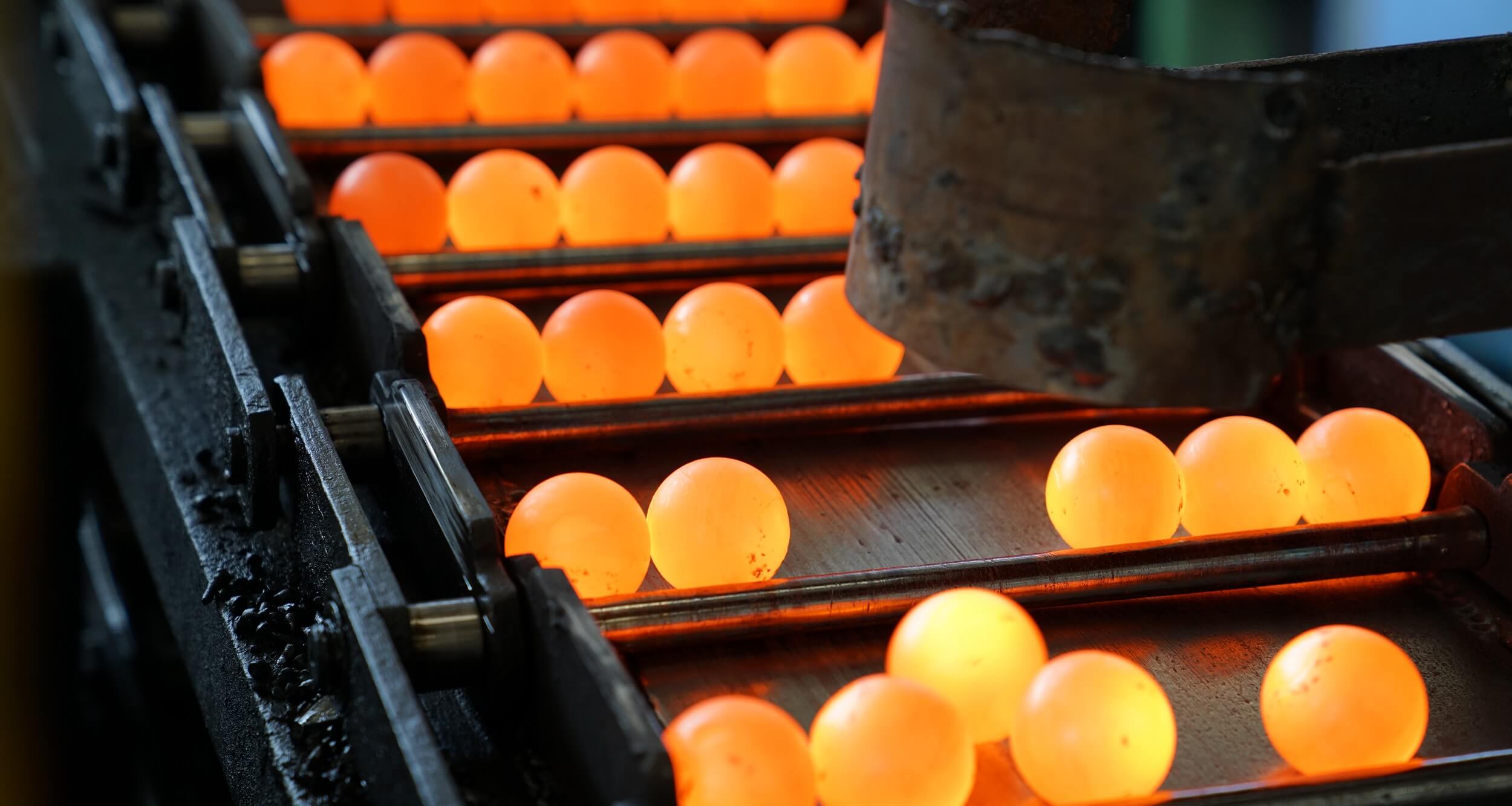
Check the delivered forged grinding balls against the agreed diameter, material grade and quantity. Match each lot ID to its delivery documents and required batch test results before loading.
Confirm the specification and batch-document requirements before the order is released. Where certification is required, verify the certificate holder, applicable brand and product, manufacturing site, validity and scope. Do not apply certification from another brand, site or product line to the trial balls.
For a trial introduced through routine top-ups, prepare a replacement plan using the existing ball charge, normal daily additions and planned trial-ball additions. Use these records to estimate the replacement period and schedule inspections during the changeover. The estimate supports planning; confirmation of the changeover also requires inspection findings.
Log each addition by date, quantity and lot ID, keeping current and trial balls separate in the records. During planned inspections, check for remaining old-charge balls using an identification method agreed with the plant, such as visual inspection or chemical analysis of samples where suitable.
Keep the mixed-charge period separate from the period used for the final performance comparison. Record the inspection findings and the agreed basis for starting the evaluation period, rather than using the first trial-ball loading date as its start.
| Trial record | Details to enter |
| Batch verification | Diameter, grade, quantity, lot IDs and document references |
| Replacement plan | Existing charge, normal additions, planned trial additions and estimated replacement period |
| Loading log | Date, kilograms and lot ID for each addition |
| Replacement checks | Inspection dates, identification method and findings |
| Evaluation period | Start date and documented basis for selection |
| Operating conditions | Ore changes, shutdowns and charge adjustments |
Continue collecting the baseline production and inspection data throughout both periods. Agree on the inspection schedule, recording responsibilities and access to the data before the trial begins.
4.Review the Trial Results
Use the baseline and the documented evaluation period for the main comparison. Retain the replacement-period records as supporting information, clearly separated from the final evaluation results.
Check both periods for differences in ore feed, shutdowns and charge adjustments. Identify affected intervals and record how they were treated in the comparison. Apply the same treatment to equivalent events in the baseline and trial.
Compare the selected performance measure against its target, then check throughput and product grind size against the agreed limits. For a breakage-focused trial, review the inspection findings collected using the same method in both periods.
5.Confirm the Next Step
Where the agreed criteria are met, record the tested ball specification, batch references and evaluation results for the move into regular purchasing. Carry the approved specification and required batch documentation into subsequent orders.
Where a result is inconclusive, define what the repeat trial needs to resolve. Address the identified gap—such as incomplete loading records, an uncertain replacement period or a change in ore conditions—before testing again.
Where a criterion is not met, document the shortfall and review it with the supplier before arranging further testing. Keep the final decision with the trial records so subsequent orders or trials refer to the same findings.
6.Discuss Your Forged Grinding Media Trial
A well-planned trial connects a clear objective with baseline data, traceable batches and a documented evaluation period. Consistent records give the plant a practical basis for assessing the tested specification and planning the next purchase.
Send Iraeta your mill type, current ball diameter and grade, proposed trial quantity and performance targets. Include any required batch documents and product-specific certification requirements so these can be addressed before ordering.
Contact Iraeta to discuss your forged grinding media trial, or email ebiz@iraeta.com with your requirements to start the specification and quotation discussion.


Recommended reading
Unlocking the Secrets of Forging: The Performance Code of Classic Processes
Must-Read for Ring Forging: Advantages and Applications of the Forge-Rolling Process
Open-Die Forging vs. Ring Rolling: Helping You Choose the Optimal Forging Process