











Rolled Ring Forging: Process, Materials, Advantages and Applications
Bearing rings, gear rings, tower flanges, and kiln tyres share a circular shape, but they perform different functions. Some support rotating equipment, some transfer loads through structural connections, and others carry the weight of heavy machinery. Rolled ring forging forms these components from a single workpiece, producing a seamless ring with a cross-section tailored to its function. Material selection, heat treatment, and machining complete the component for its intended service.
A.What Is Rolled Ring Forging?
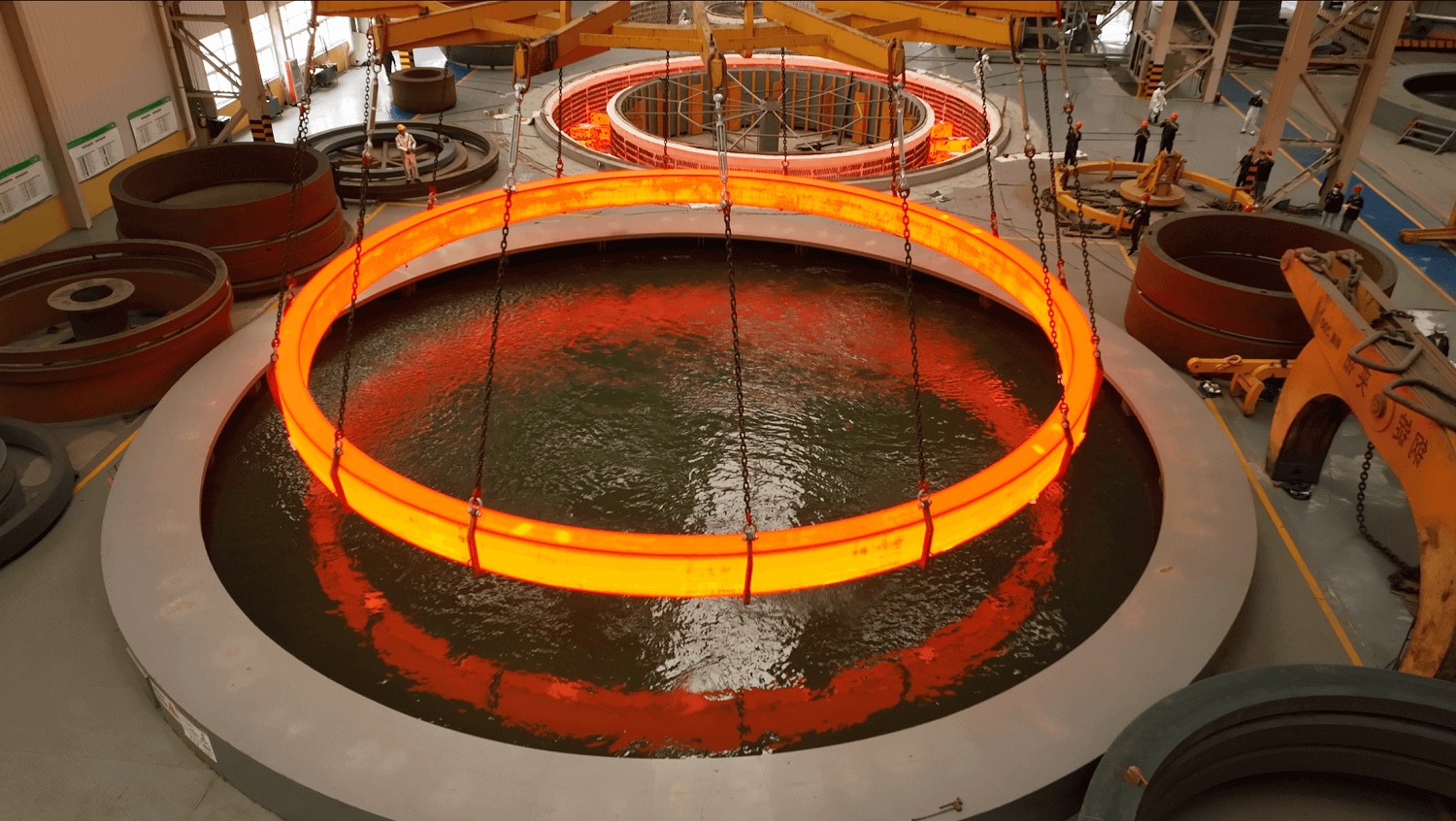
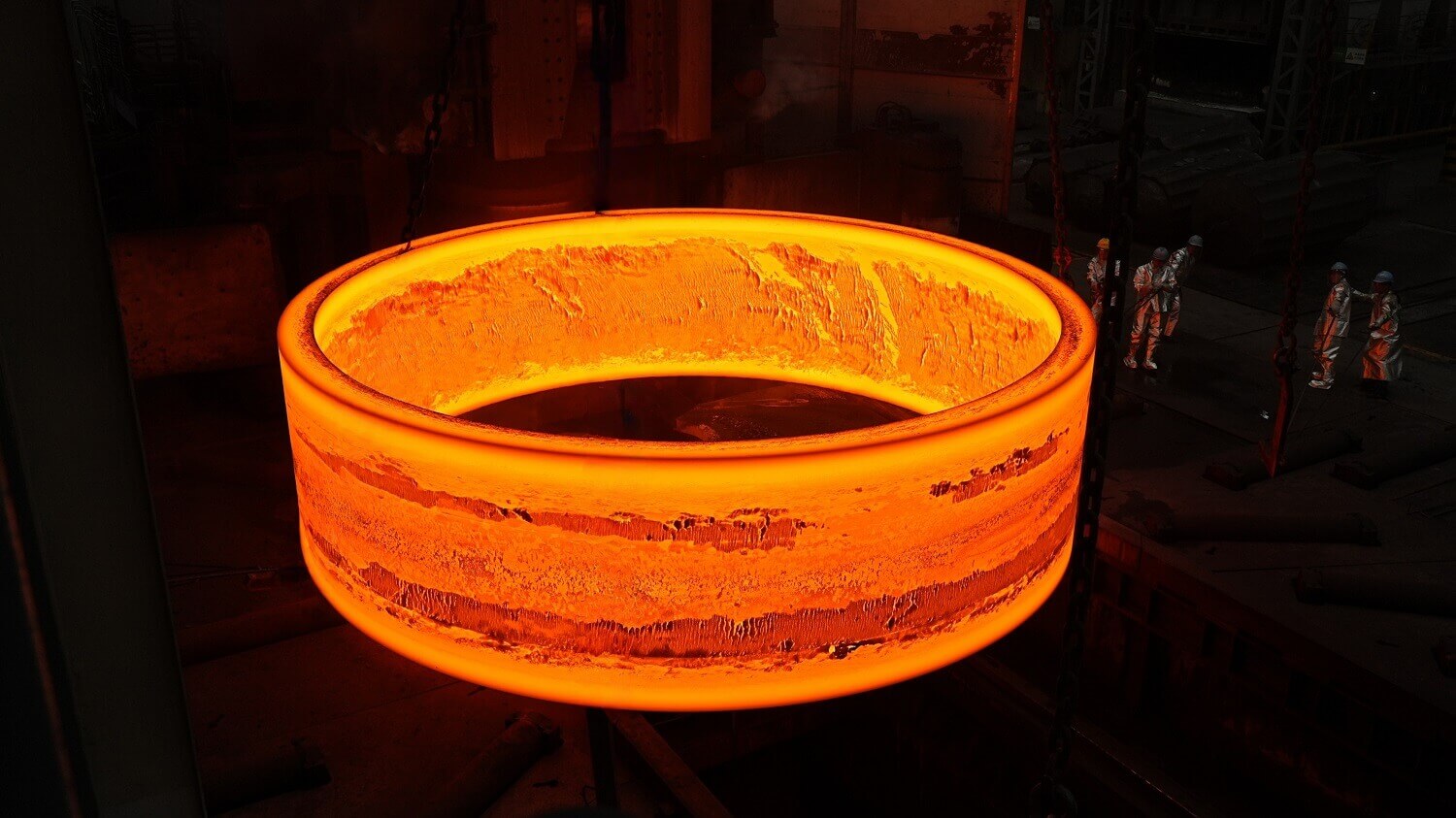
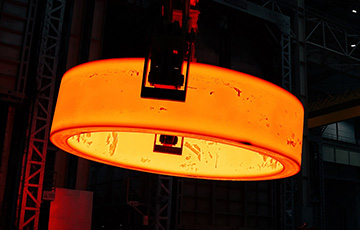
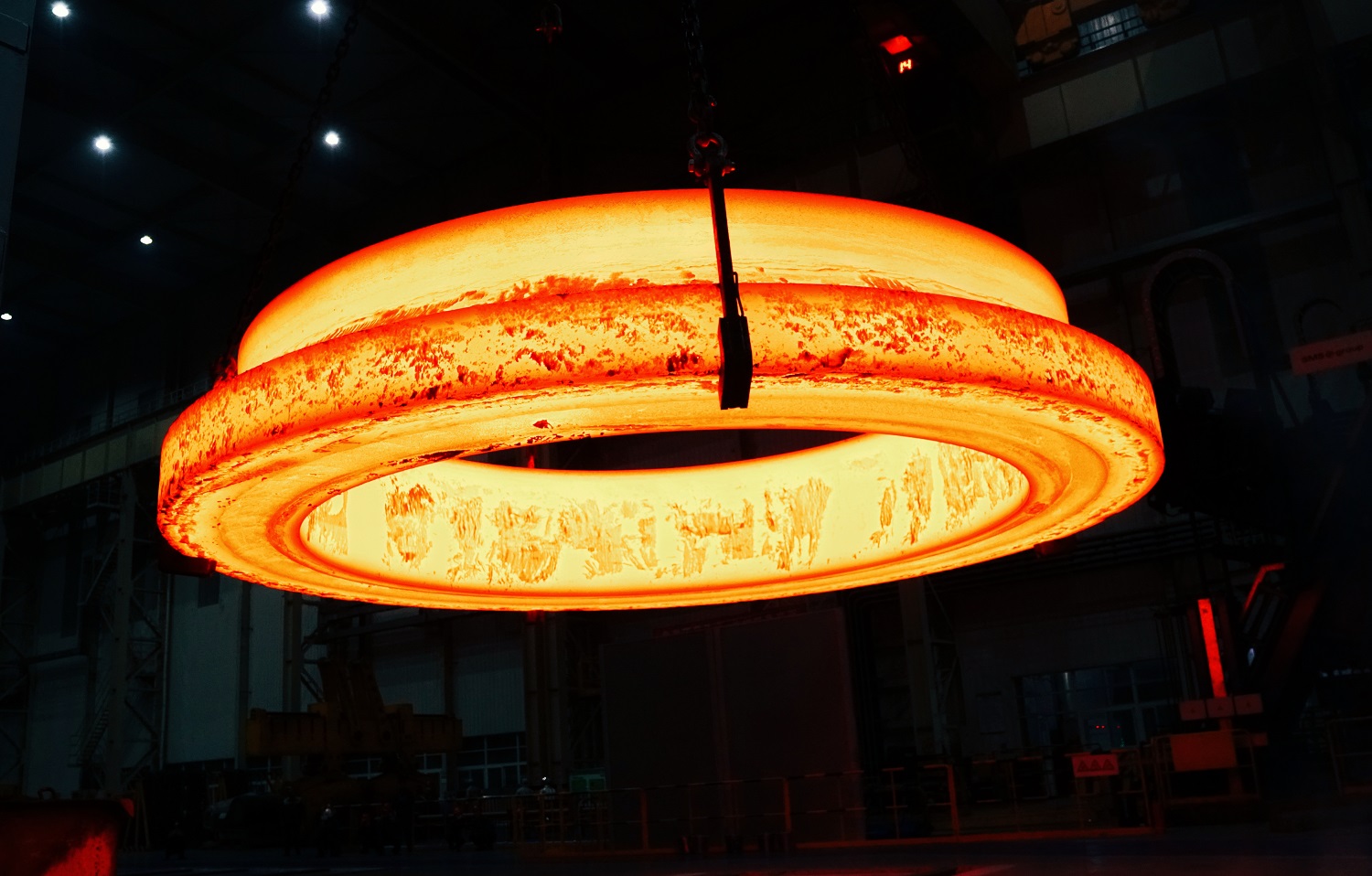
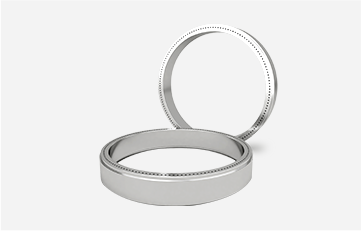
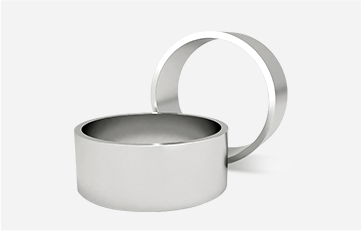
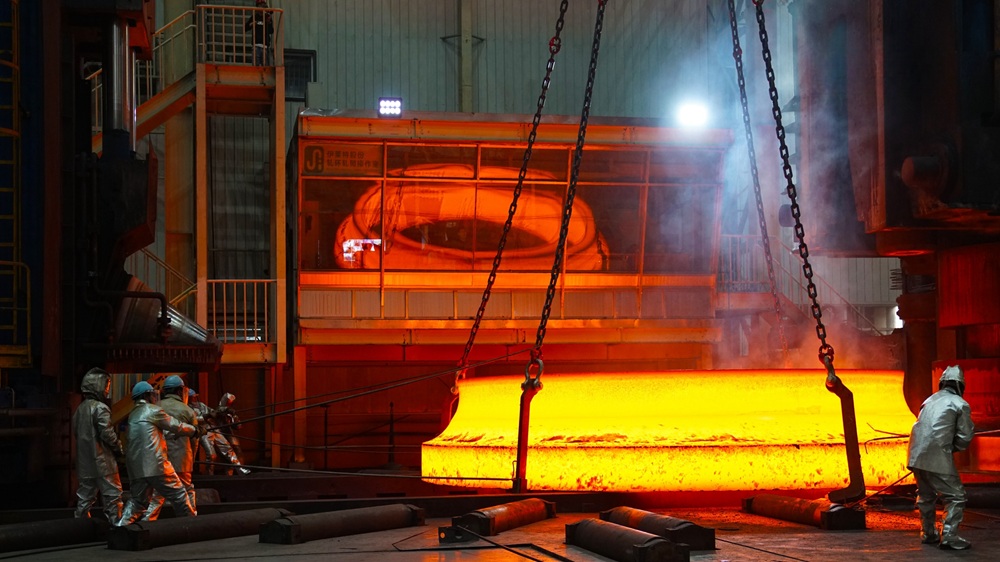
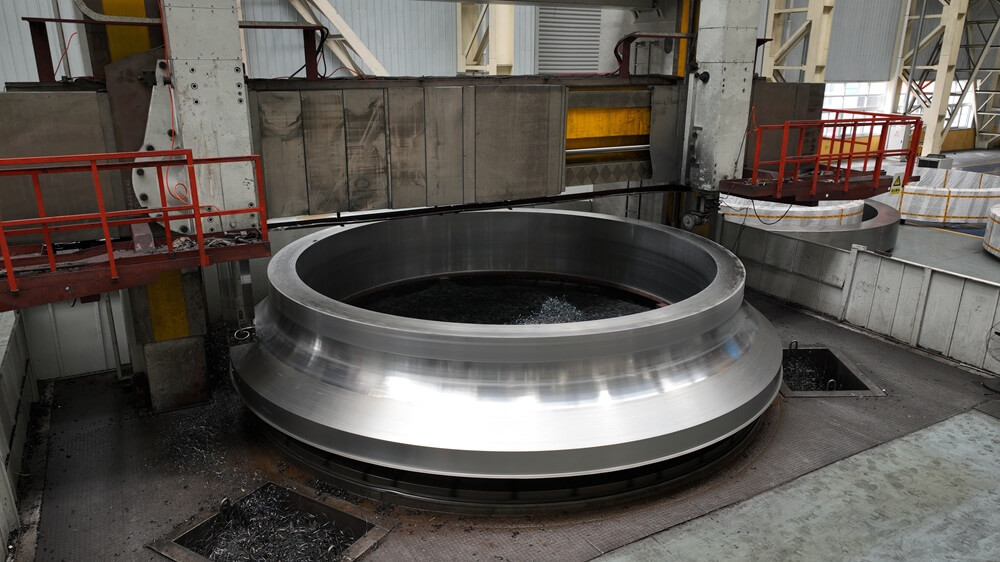
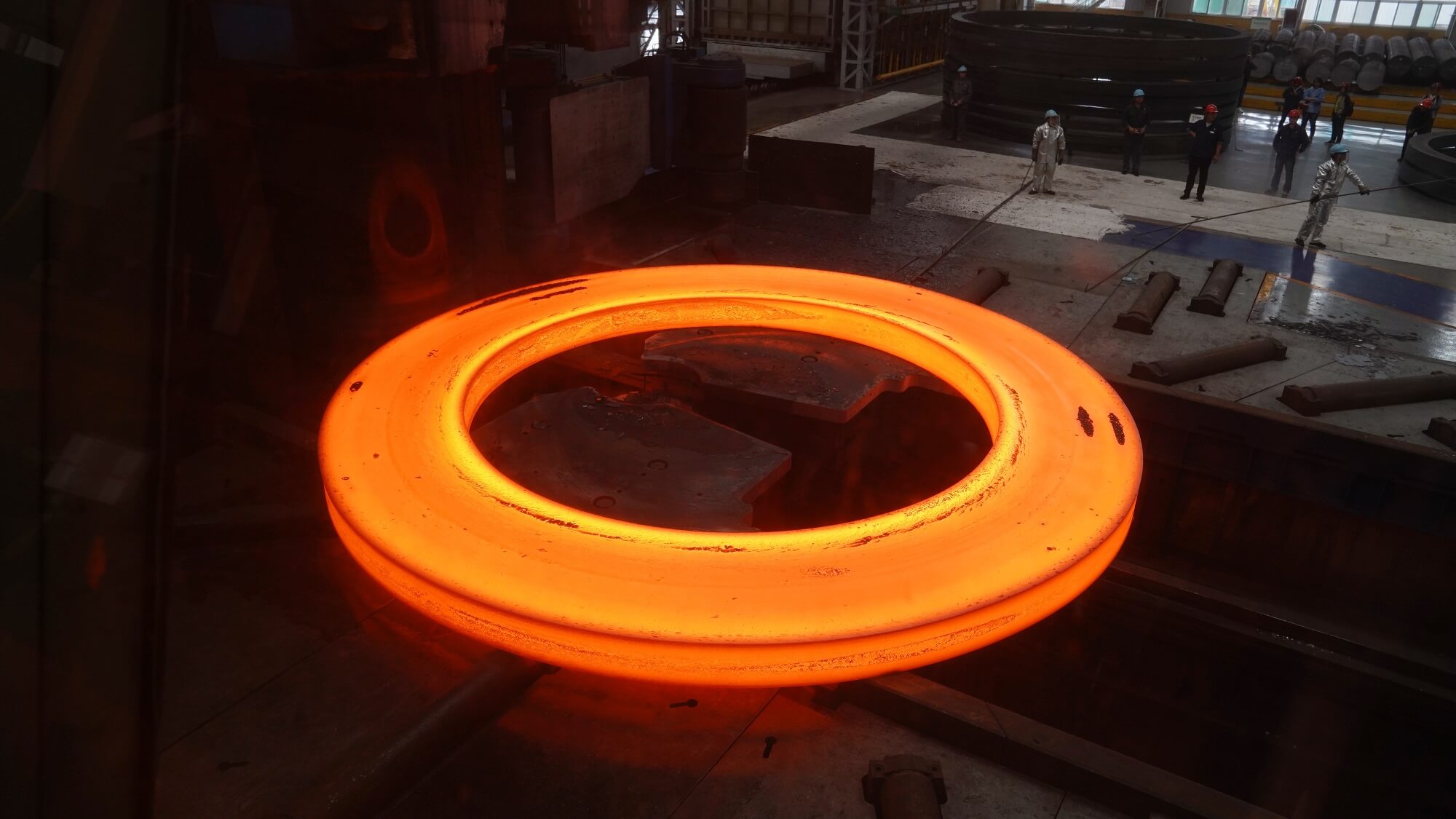
Rolled ring forging is a metal-forming process that turns a pierced billet into a seamless ring through controlled compression. Rolling reduces the wall thickness and increases the diameter, creating a continuous annular body from a single workpiece. In radial-axial ring rolling, the process also controls the height between the ring’s end faces.
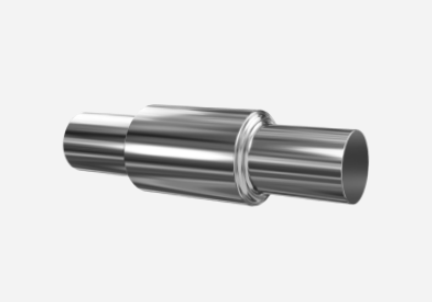
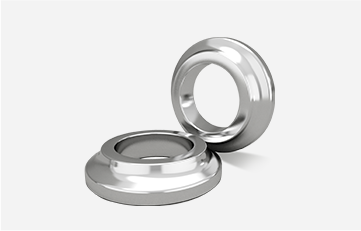
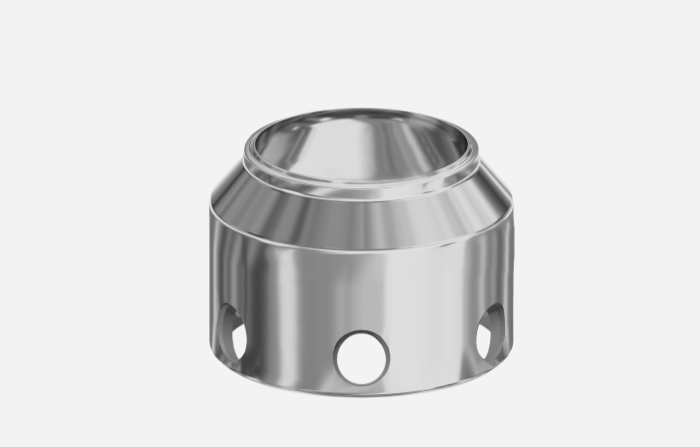
The resulting ring can have a rectangular or profiled cross-section. Rectangular sections are defined by outside diameter, inside diameter, and axial height. Profiled sections incorporate features such as shoulders, steps, or changes in thickness, with selected surfaces subsequently completed by machining.
A custom seamless rolled ring provides the starting geometry for bearing rings, structural flanges, gear rings, and other annular components. The material, cross-section, and subsequent processing are specified for the finished part.
B.How Rolled Ring Forgings Are Made
Material Preparation and Heating
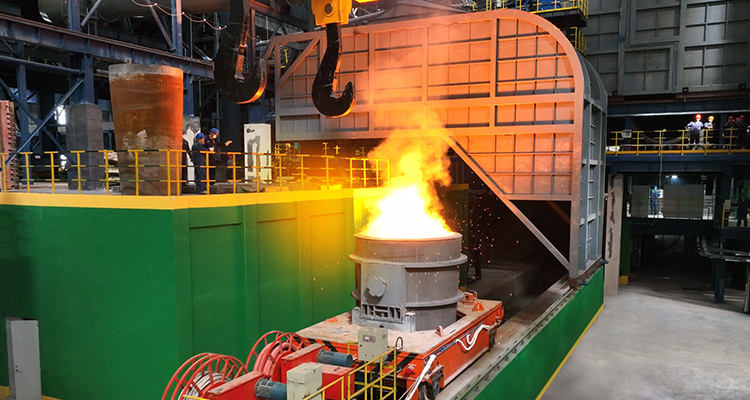
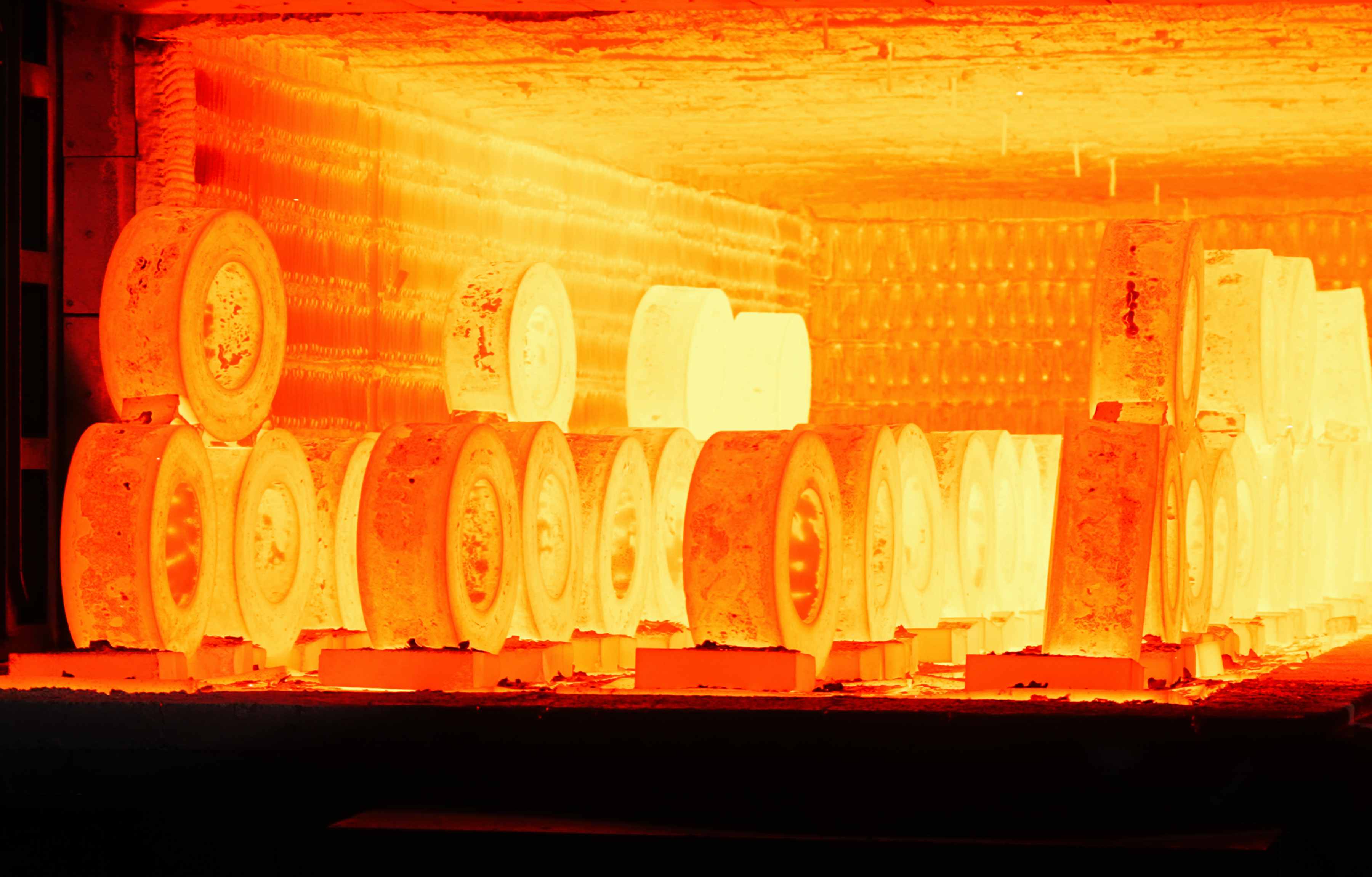
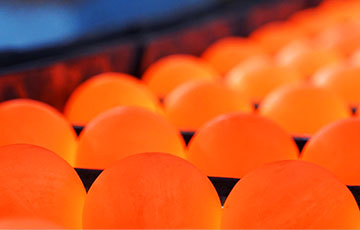
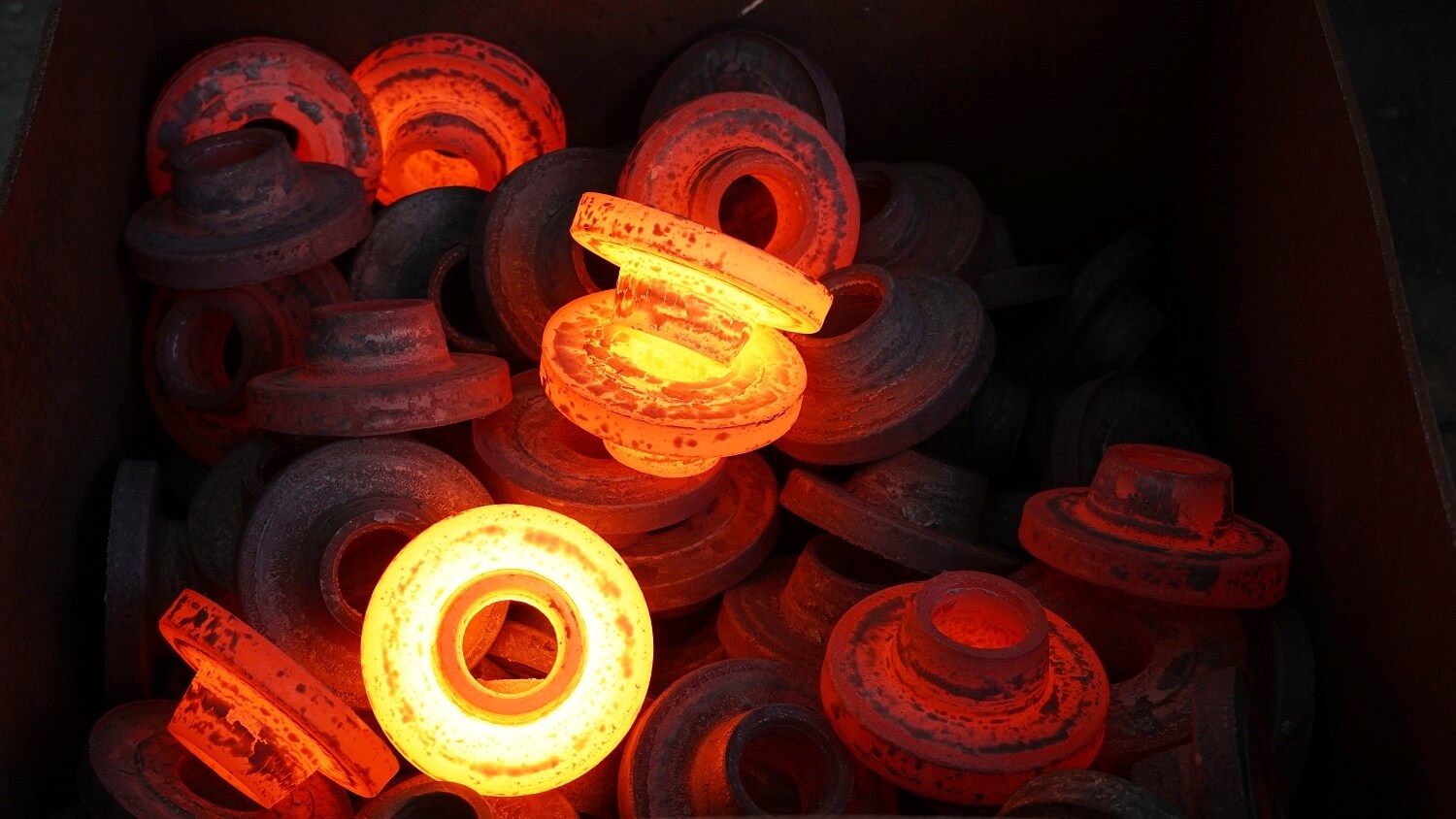
Production starts with material selected to meet the component specification. The workpiece is heated for forging and rolling, preparing it for the deformation needed to produce the ring. Material selection and heating form the starting point for the subsequent upsetting, piercing, and rolling operations.
Upsetting and Piercing
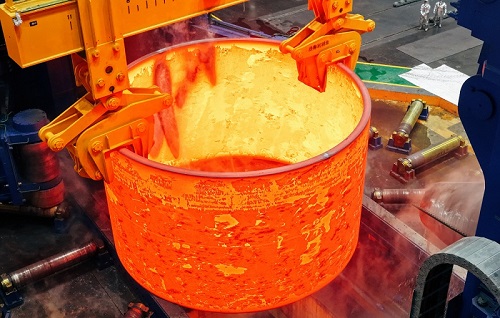
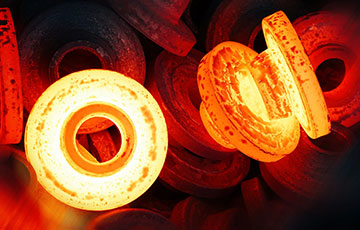
Upsetting changes the billet’s proportions before piercing creates the central opening. The resulting thick-walled preform provides the continuous annular workpiece that expands during rolling. At this stage, the workpiece has the basic ring shape required for the rolling operation.
Radial-Axial Ring Rolling
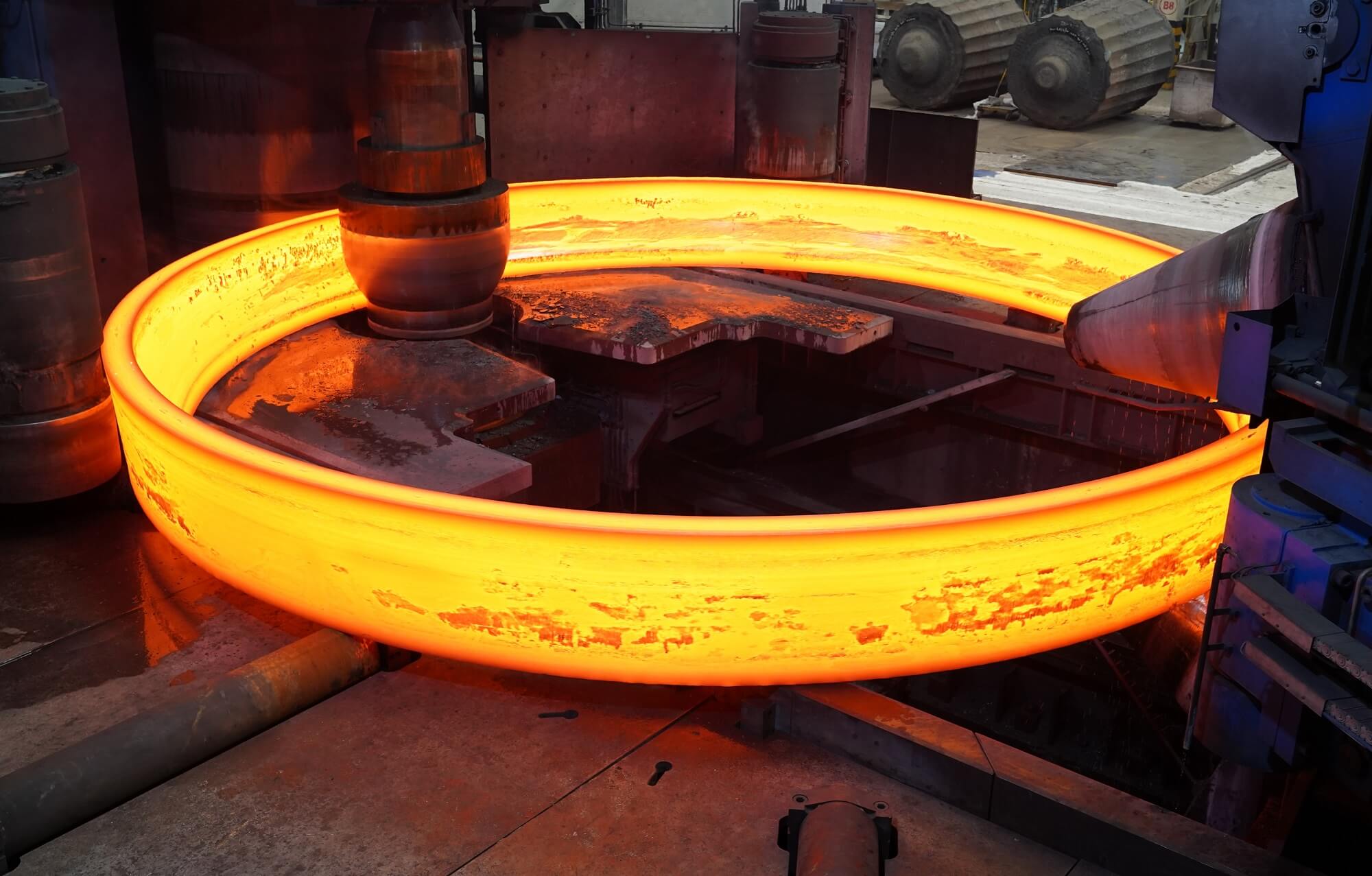
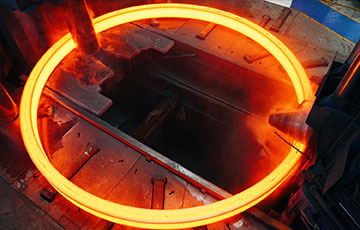
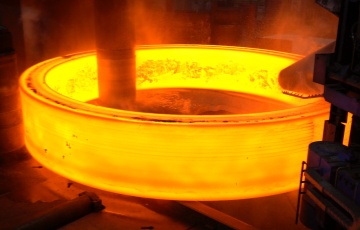
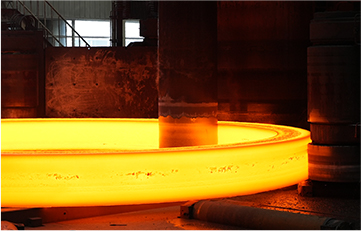
Radial rolling compresses the wall as the ring’s diameter increases. Axial rolling acts on the end faces to control height. Together, these actions establish the ring’s diameter, wall thickness, and axial height. For a profiled ring, the forming plan also establishes the local geometry incorporated into the rolled blank.
Heat Treatment
Heat treatment develops the material condition specified for the component. The heat-treatment sequence is selected to suit the material and required properties. For large rings, thermal processing and machining are coordinated within the production route, with rough machining sometimes performed between heat-treatment stages.
Machining and Inspection
Machining completes designated bores, end faces, shoulders, and connection features. Inspection assesses the component against the agreed requirements, including dimensions, material properties, and examination records. Iraeta provides services covering material preparation, forging, heat treatment, machining, inspection, and delivery.
C.Materials Used for Rolled Ring Forging
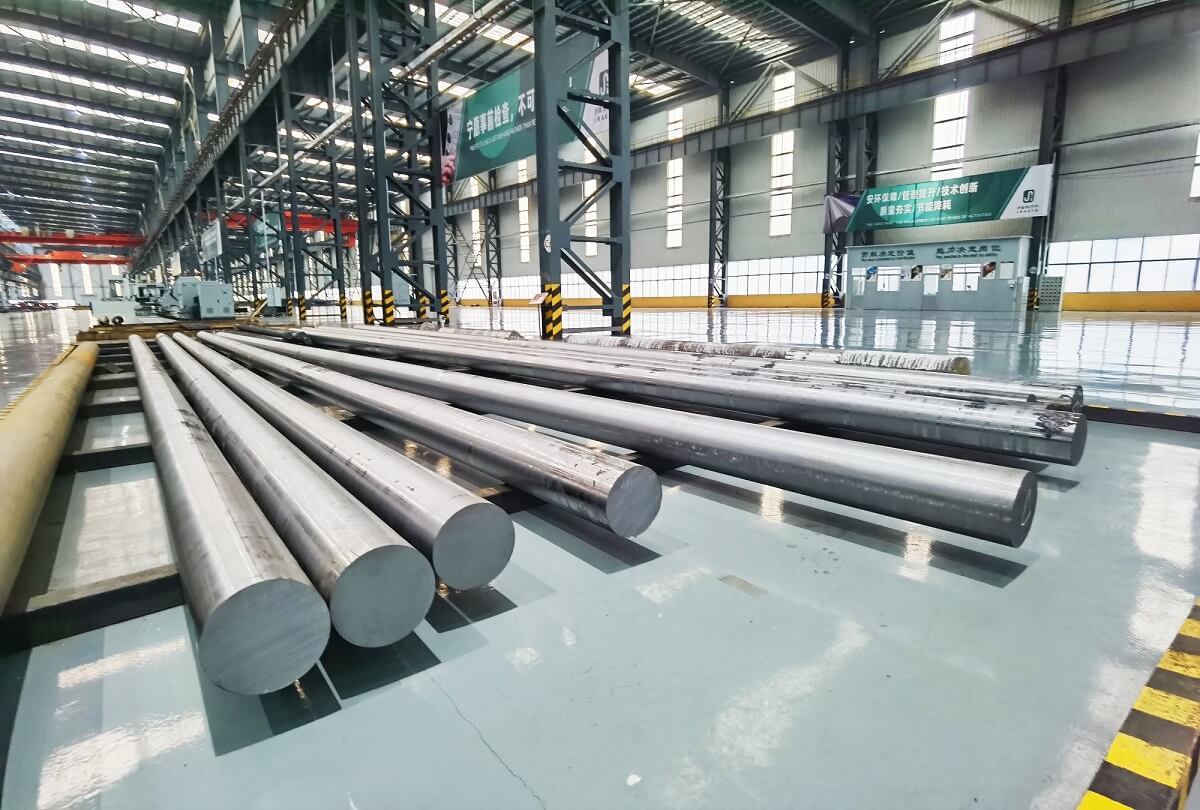
Material choice connects the manufacturing process to the component’s operating environment. Load, temperature, moisture, and corrosion exposure all influence selection, together with the material’s suitability for forming and heat treatment. The selected grade and processing condition establish the material requirements for the finished ring.
Carbon Steel
Carbon steel is a common forging material, with the grade and processing route selected to achieve the specified properties. Its composition and subsequent treatment are considered together when defining the requirements for a ring component.
Alloy Steel
Alloy steel contains additions such as chromium, nickel, molybdenum, or vanadium to develop particular properties. These additions help develop the combination of strength, hardness, and toughness required for the application. For power-generation rings, the material specification, heat-treatment condition, and required mechanical properties form a connected set of requirements.
Stainless Steel
Stainless steel is considered where corrosion resistance or elevated-temperature performance is important. Iraeta has also used austenitic stainless steel for an integral nuclear support ring. The stainless steel grade and processing condition are selected to suit the component’s service requirements.
Aluminium and Titanium Alloys
Aluminium and titanium alloys are material options for weight-sensitive designs. Selection depends on the component geometry, operating environment, and forming requirements. The material and manufacturing route are reviewed together for the intended application.
D.Advantages of the Ring Rolling Process
A Continuous, Seamless Annular Body
The ring is formed from one workpiece, producing a continuous circumference without a welded joint between separate segments. This integral structure is a defining feature of seamless rolled rings used in structural, rotating, and load-bearing equipment.
Circumferential Metal Flow
Ring rolling develops metal flow around the circumference. This directional structure contributes to fatigue performance and load-bearing capability in components exposed to repeated loading. Material preparation and heat treatment also contribute to the finished ring’s mechanical properties.
Controlled Cross-Section Formation
Radial-axial rolling controls wall thickness and height as the diameter grows. Rectangular and profiled sections allow the rolled blank to reflect the required component geometry. Forming establishes the principal section, while machining completes the specified surfaces and local features.
Large One-Piece Components
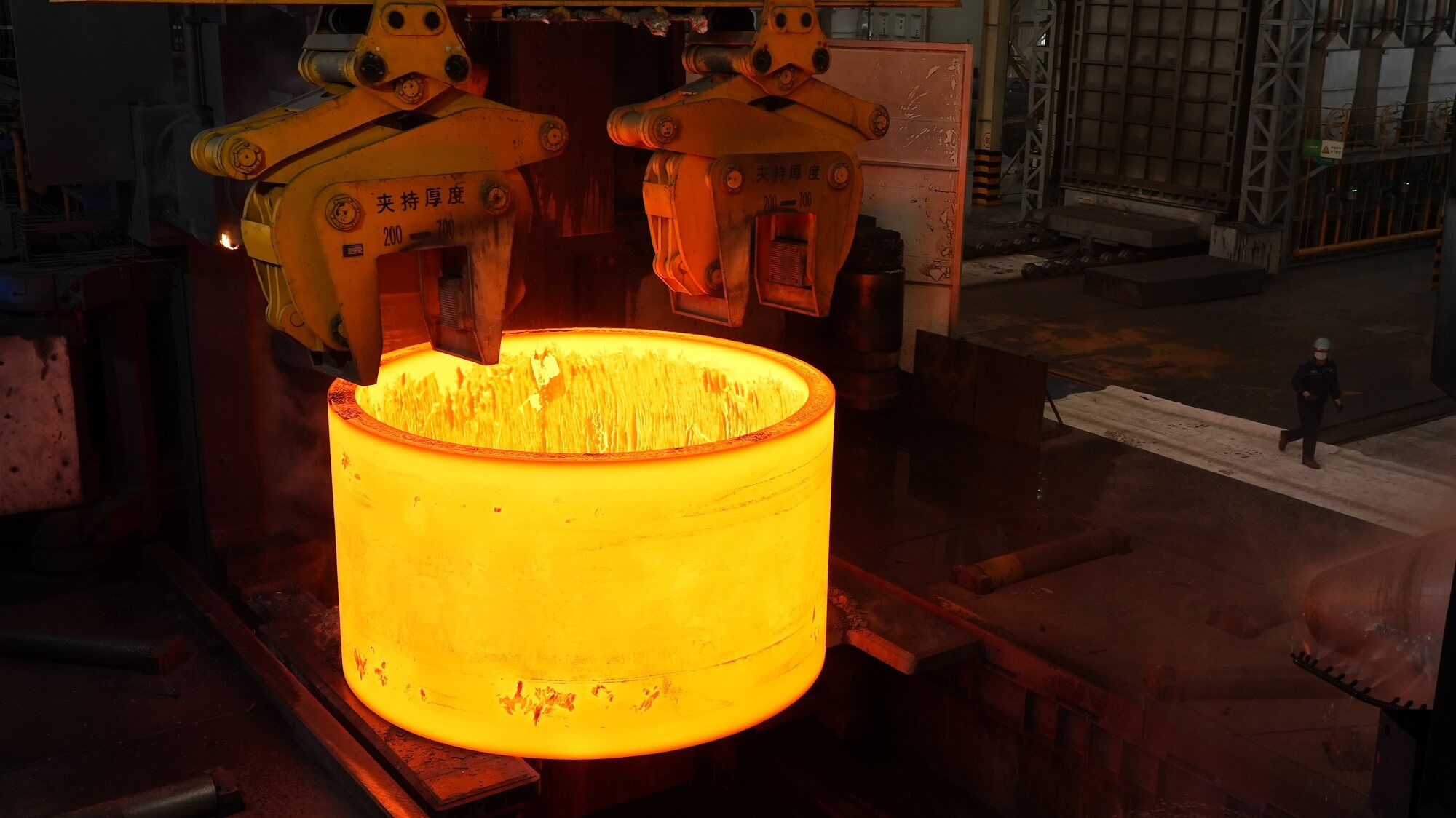
Ring rolling produces large one-piece annular components with controlled cross-sections. This capability supports the manufacture of substantial structural and rotating parts for heavy equipment, including large bearing rings, flanges, and kiln tyres.
E.Rolled Ring Forging vs. Other Forging Methods
Forging processes can be described by the tooling used, the way force is applied, or the forming temperature. The comparison below highlights these different characteristics and their manufacturing roles.
| Method | How the metal is shaped | Main manufacturing focus |
| Rolled ring forging | A pierced preform is compressed and expanded through rolling. | Seamless annular components with controlled diameters and cross-sections. |
| Open-die forging | The workpiece is progressively shaped between tools that leave it partly exposed. | Large or custom components requiring flexibility in geometry. |
| Impression-die forging | The workpiece is shaped within dies containing the required impression. | Defined component shapes produced through dedicated tooling. |
| Cold forging | Metal is formed at room or relatively low temperatures. | Components requiring close dimensional control and suitable surface quality. |
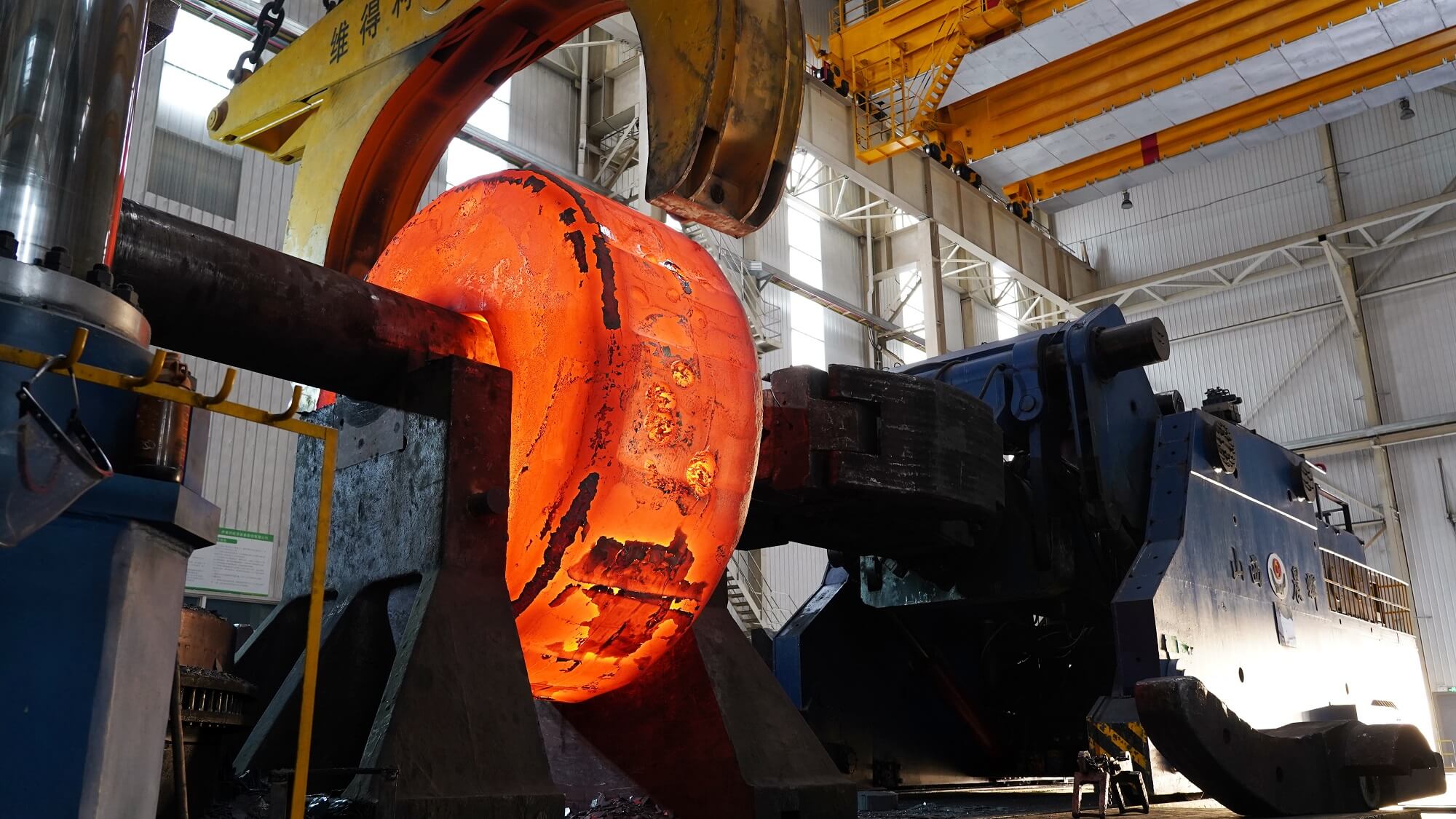
Open-die forging and ring rolling can be combined within the same manufacturing route. Open-die forging prepares and deforms the billet before ring rolling develops the annular section. Iraeta describes this combined forge-rolling route as a way to connect forging deformation with the dimensional control of radial-axial rolling. The comparison of open-die forging and ring rolling explains their complementary roles in ring manufacture.
F.Applications Across Energy and Heavy Industry
Wind Power
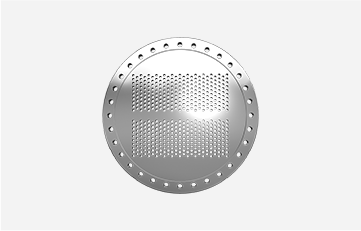
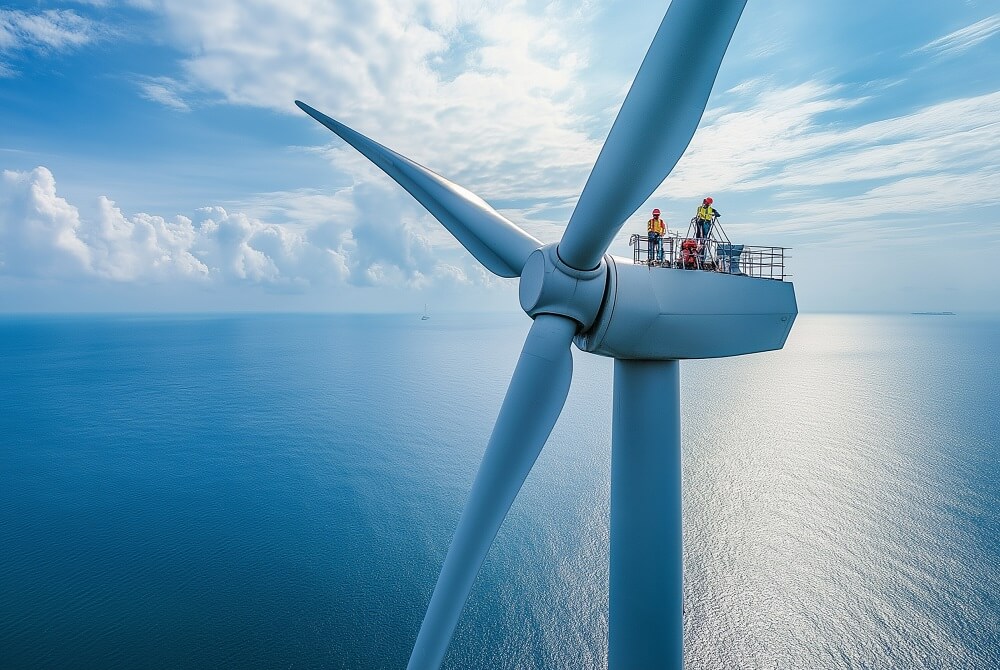
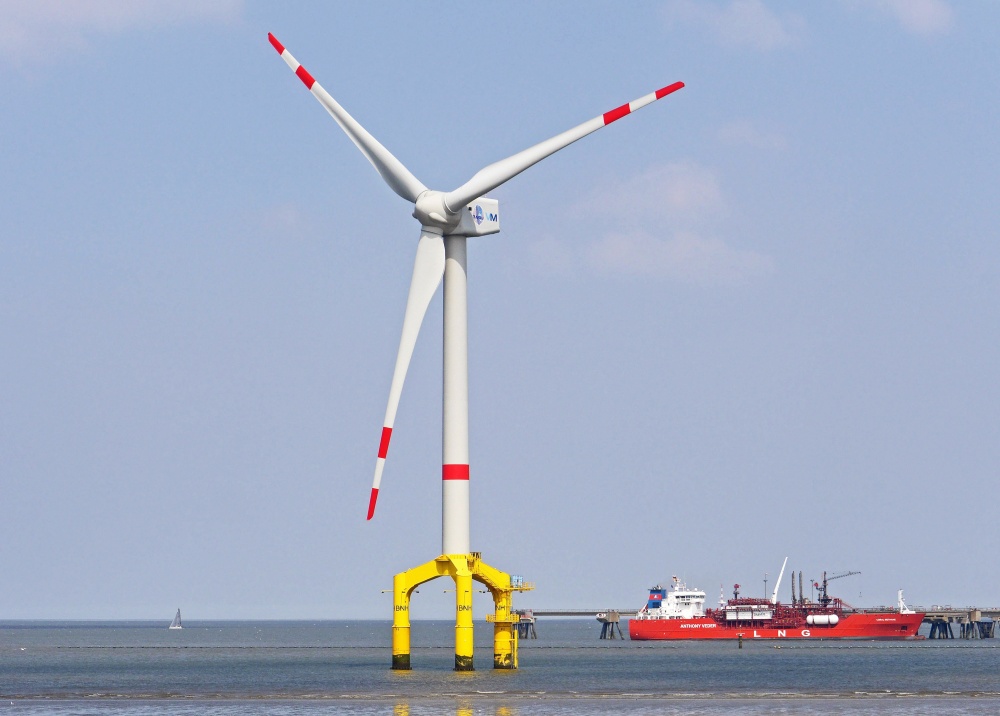
Wind equipment uses tower flanges, pile flange rings, yaw and pitch bearing forgings, and gearbox forgings. These components provide structural connections, support controlled rotation, and transmit power. Their shared annular form supports different functions within the turbine and its supporting equipment.
Hydropower
Hydropower applications include rotor yoke rings, stator rings, ring plates, and top-cover flanges. Each component has specific dimensional and material requirements. Ring forming establishes the annular body, while machining completes its interfaces and local features.
Nuclear Power
Nuclear applications include reactor support rings and reactor inner bottom flanges. Material, manufacturing, examination, and documentation requirements are defined for each component. The ring’s geometry and material condition are developed around the specified role within the equipment.
Large Bearings and Marine Equipment
Large bearing and slewing systems use ring-shaped components in construction machinery, tunnel-boring equipment, and specialised vessels. Marine applications also include structural and connecting rings for offshore equipment. The ring geometry is designed around the loads and interfaces of the assembly.
Cement and Rotary Equipment
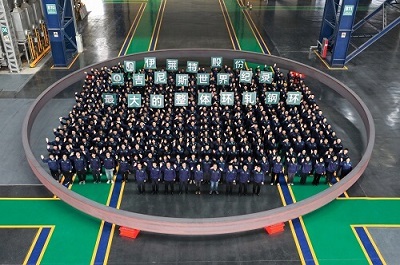
Kiln tyres support the rotation of large rotary equipment. In a documented project, Iraeta manufactured a forged ring measuring 7.6 m in diameter and 1.5 m in height using a billet weighing 170 tonnes. The manufacturing route combined forging, radial-axial rolling, heat treatment, machining, and testing for service in a cement rotary kiln.
G.Discuss Your Ring Forging Requirements
Rolled ring forging combines a seamless annular structure with controlled deformation and flexible cross-section design. Material selection, forming, heat treatment, and machining work together to produce a ring suited to its geometry and operating requirements.
To discuss a new component, visit the Iraeta contact or contact the team by email at ebiz@iraeta.com. Following the initial discussion, share your drawing, material specification, and required delivery condition so the team can review the forming and machining scope for your application.
H.Frequently Asked Questions
1.Is ring rolling the same as ring forging?
Ring forging is a broader description of producing ring-shaped components through forging. Ring rolling is a specific operation that expands a prepared ring preform and controls its section. A forged-and-rolled manufacturing route combines billet preparation by forging with annular shaping by rolling.
2.Can rolled ring forgings have stepped or profiled sections?
Yes. Rolled rings can incorporate steps, shoulders, and variations in thickness. The manufacturing plan defines the geometry established during rolling and the surfaces completed by machining. A full cross-sectional drawing provides the basis for reviewing these features together.
3.Are rolled rings supplied fully machined?
Delivery options include forging blanks, rough-machined rings, and rings machined to the agreed drawing. The order defines the surfaces completed before shipment and those reserved for subsequent work. This allows the ring to be supplied at the stage needed by the purchaser’s manufacturing sequence.
4.What information is needed for an initial discussion?
The application, approximate dimensions, material requirement, and preferred delivery condition provide a useful starting point. A detailed review then uses the drawing revision, full cross-section, machining scope, and inspection requirements. Identifying downstream machining helps define the required condition at handover.


Recommended reading
Unlocking the Secrets of Forging: The Performance Code of Classic Processes
Must-Read for Ring Forging: Advantages and Applications of the Forge-Rolling Process
Open-Die Forging vs. Ring Rolling: Helping You Choose the Optimal Forging Process