










Forged Grinding Steel Ball Selection Guide: Specs, Quality Checks and RFQ Details
To choose a forged grinding steel ball, compare five items: ball diameter, material grade, impact toughness, breakage rate and batch-to-batch consistency. Then ask your supplier to back each one with test records and certificates. At Iraeta, our grinding balls are made in 20–160 mm sizes, in six material grades, with impact toughness of ≥15 J/cm² and a breakage rate of ≤0.5%. This guide explains how to read those numbers, which quality risks to control and what to include in a quote request.

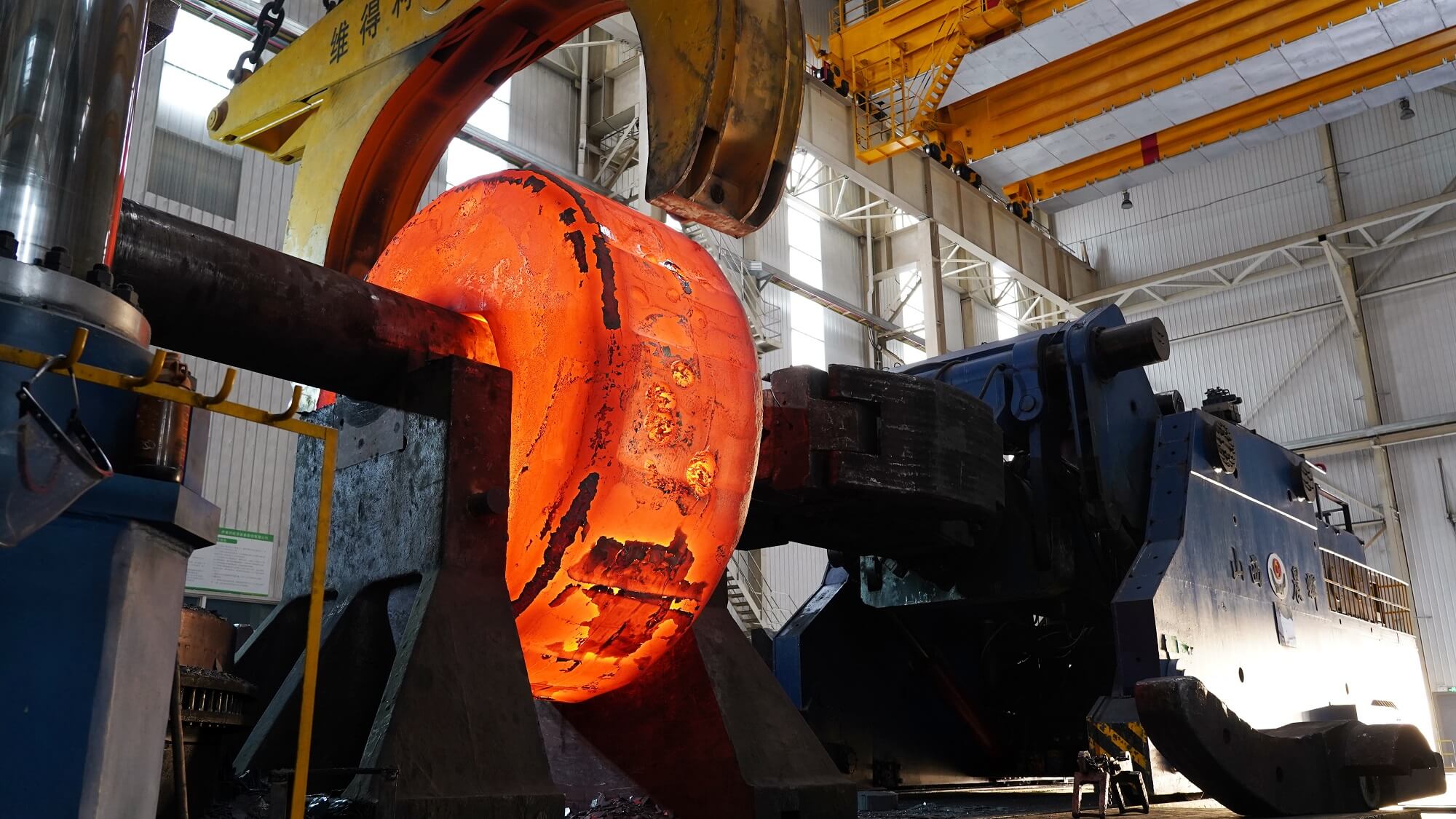
How Forged Grinding Balls Are Made
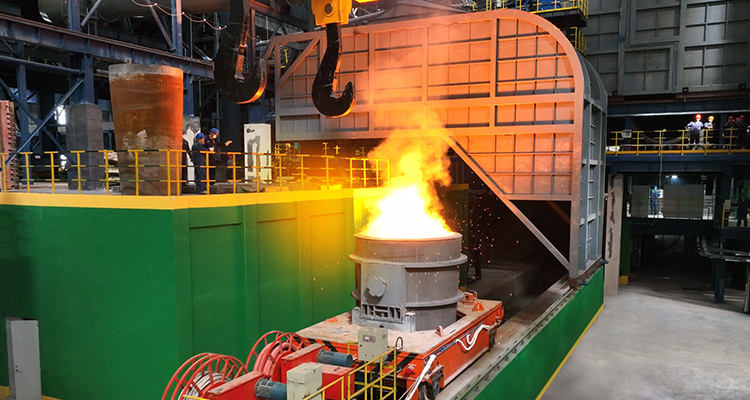
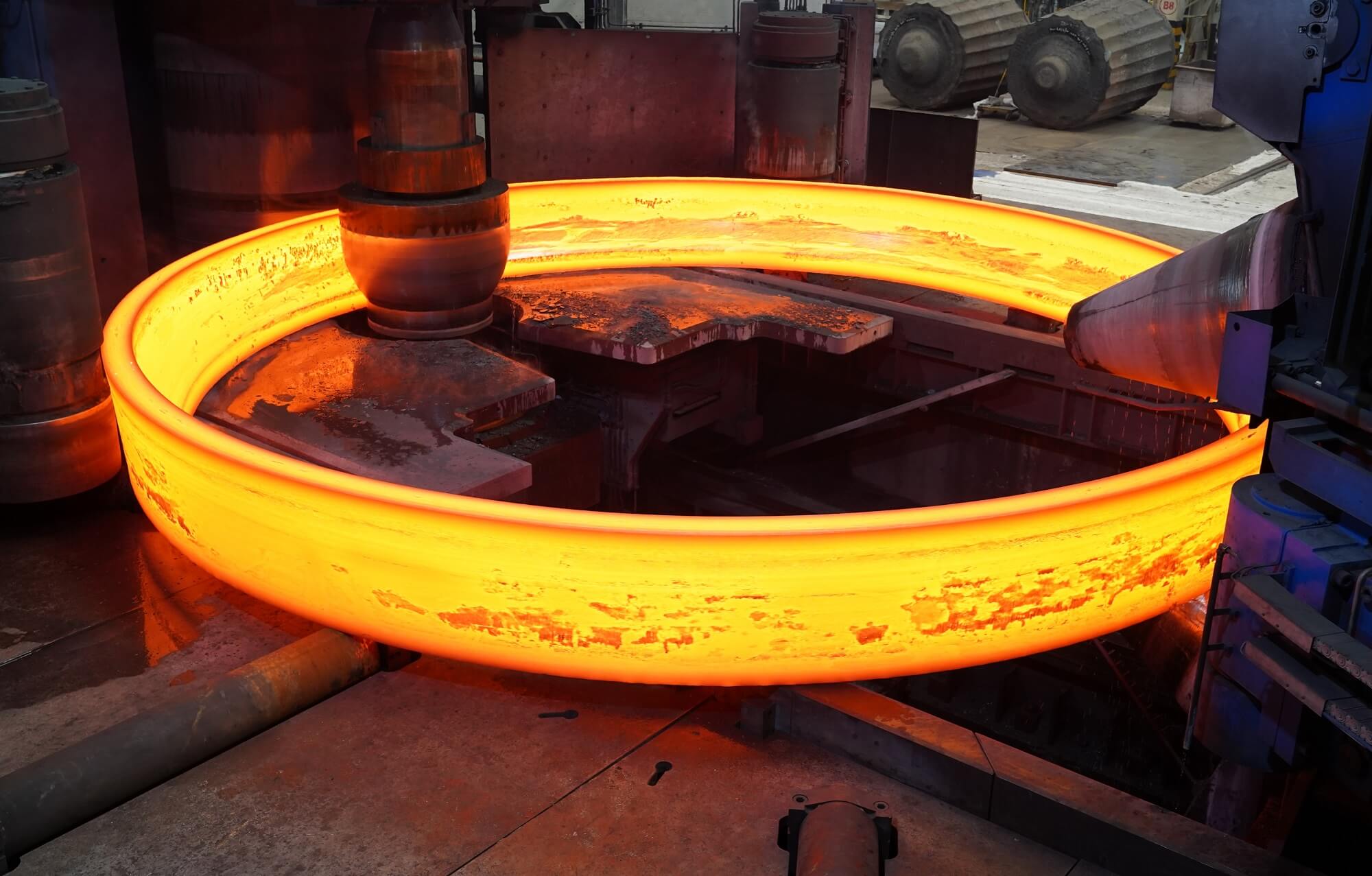
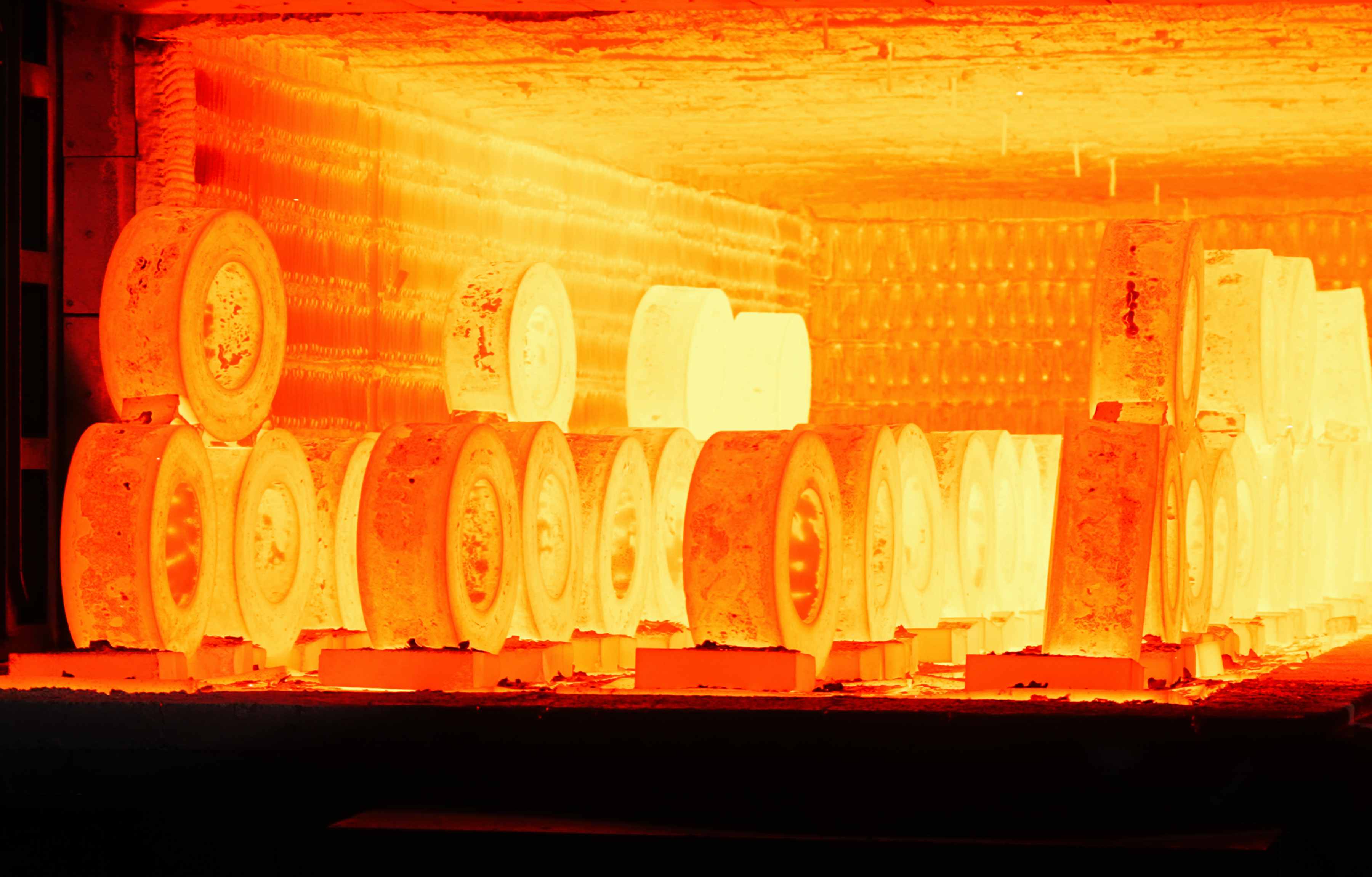
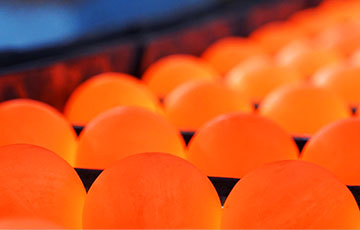
A forged grinding steel ball is formed from steel under compressive force at high temperature, then heat treated to set its hardness and toughness. In a ball mill or SAG mill, the balls fall and collide with ore thousands of times per shift. The ball must resist surface wear without cracking, chipping or breaking apart.
Two stages decide most of the outcome: forming and heat treatment. Forming sets the dimensions and the ball's internal structure. Heat treatment sets how hard the ball is and how evenly that hardness runs through it. A ball that is hard on the surface but soft at the core wears unevenly. A ball that is hard throughout but brittle breaks early.
Iraeta runs 15 computer-controlled production lines for grinding media. Less manual intervention and fewer process transitions keep our product consistent from batch to batch. That matters in mining, because grinding efficiency depends on stable media behavior.
Specifications to Compare Before You Request Quotes
The table below lists the parameters for our grinding balls and their specifications and explains what each one tells you.
| Parameter | Why it matters | Our specification |
| Diameter | Match to mill type, diameter and feed size. Larger balls suit SAG and primary mills; smaller balls suit regrind. | 20–160 mm |
| Material grade | Determines wear and toughness behavior | YLT®GNM-U401, U402, U403, US300, US301, US302 |
| Impact toughness | Indicates resistance to cracking under impact | ≥15 J/cm² |
| breakage rate | Lower breakage means fewer fragments, less liner damage and a near-zero risk of unplanned mill stoppages. | ≤0.5% |
A figure only compares across suppliers when the test method is the same. Ask every supplier for the specimen, the test conditions and the sampling frequency behind each number. Hardness and chemical composition also depend on grade and duty, so put your targets in the RFQ and our team will confirm the matching grade.
Why Heat Treatment Affects Hardness Uniformity

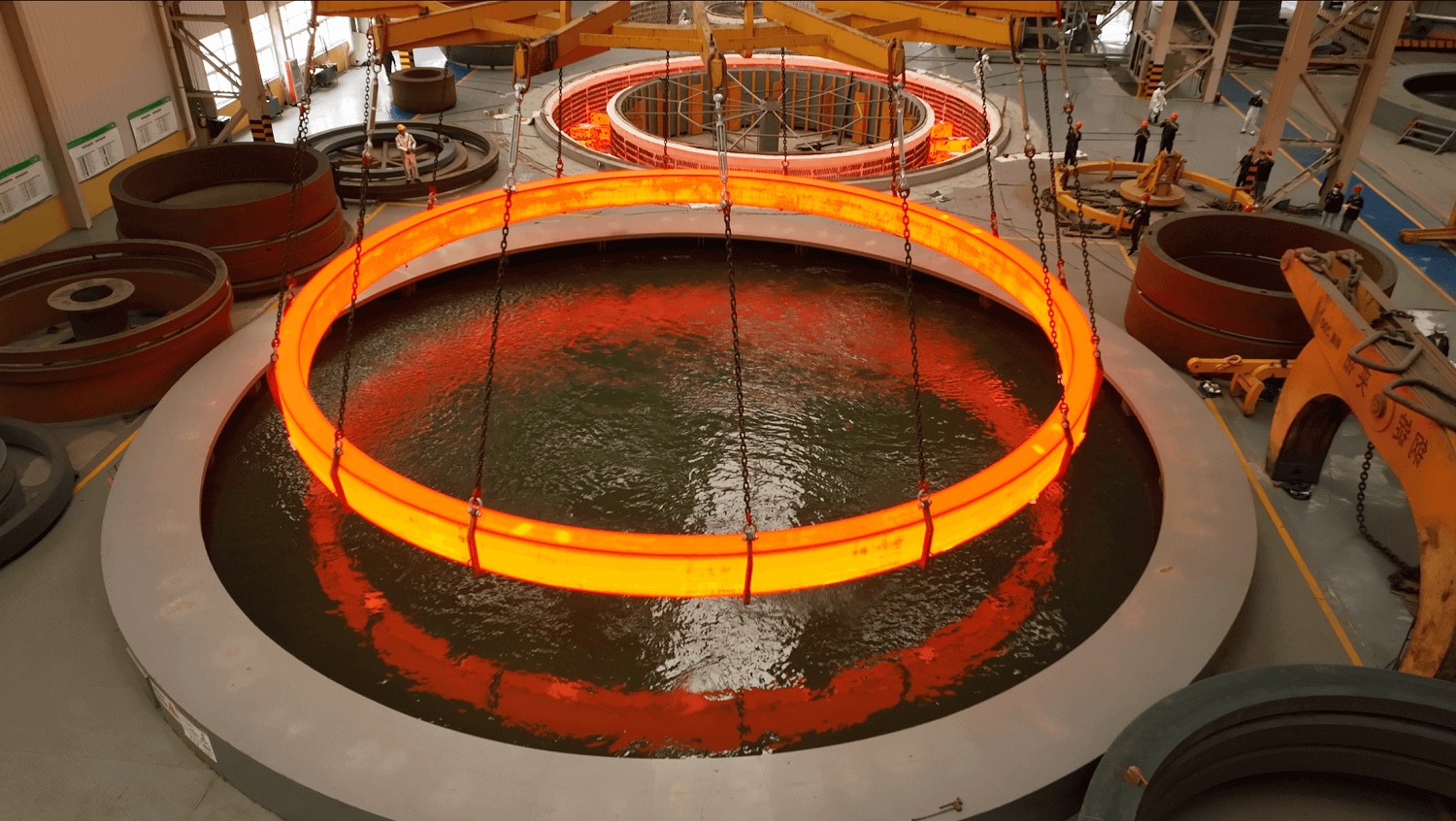
Heat treatment is where two balls of the same size and steel type end up performing differently. Iraeta combines Spanish heat treatment technology with our own development work in a composite process: multiple quenching stages, controlled quenching liquid temperature and continuous tempering. The aim is uniform hardness through the ball and better overall wear resistance.
The reason to care is practical. Quenching speed depends on liquid temperature, so a bath that drifts during a shift can change hardness from one batch to the next. Tempering then relieves internal stress, which lowers the chance of cracking in service. When you review any supplier, ask whether quench temperature and tempering are controlled and recorded for each batch.
Quality Risks and How to Control Them
Most grinding media complaints come from a short list of problems. The table maps each one to a control point you can check.
| Risk | What you see in the mill | Control point to ask about |
| Batch variation | Wear rate and mill power draw change between deliveries | Automated production, per-batch records |
| Uneven hardness | Balls deform or flatten before wearing evenly | Quench and temper control, core hardness checks |
| Brittleness | Broken ball fragments in the discharge | Impact toughness and breakage rate testing |
| Size deviation | Poor charge distribution, uneven grinding | Dimensional inspection per lot |
| Mixed grades | Unexpected wear in one mill compartment | Grade marking, packing and traceability |
Our 360-degree dynamic monitoring software oversees each stage on the 15 lines, so production data stays traceable.
Ball performance also depends on the duty. Operations in metal mining vary by ore hardness, mill diameter, speed and liner profile. A grade that works in one mill may not suit another, so share your operating data when you ask for a recommendation.
Selection Steps by Decision Order
Work through these steps in order. Each one narrows the options before you ask for prices.
Define the mill duty. Record mill type, diameter, speed, ore hardness and your current ball top-size.
Set the size range. Choose from 20–160 mm based on your current charge and feed size.
Shortlist grades. We offer six grades. Send us your duty data and we will recommend one.
Set acceptance criteria. Fix minimum impact toughness, maximum breakage rate and required hardness, each with a test method.
Run a trial. Compare wear per tonne of ore processed against your current media over a defined period.
Check consistency. Request records from at least two production batches.
Customized materials are available. We set up an Advanced Materials Industry Research Institute with the Institute of Metal Research, Chinese Academy of Sciences, to develop wear-resistant materials to customer requirements. Whether a custom grade pays off depends on trial results, so confirm minimum order quantity and lead time first.
Supplier Checks and an RFQ Checklist

Certificates
Verify the supplier's relevant management-system certifications and any product-specific approvals or compliance documents required for your application. Ask for copies and check the issuing body, the scope wording and the expiry date.
Delivery
Delivery reliability affects mill uptime. For export orders, confirm the loading port, the shipment time from order confirmation and the packing method before you place the order. Ask how the supplier handles sea and rail transport, and who is responsible for each step.
RFQ checklist
Copy this list into your quote request:
Mill type, diameter, length and speed
Ore type and hardness
Ball diameter and quantity per size, in tons
Required grade, or a request for our recommendation
Acceptance criteria: impact toughness, breakage rate and hardness, with test method
Batch records and certificate copies required with each shipment
Packing method and destination port
Target delivery date
Trial order size, if you want to test first
Next Step for a Forged Grinding Steel Ball Order
A forged grinding steel ball should be judged on measured results, not on descriptions. Start with your mill data, set your acceptance criteria and ask for batch records. When you are ready, send your RFQ to ebiz@iraeta.com, or review the full range of forged grinding balls from Iraeta, including sizes from 20 to 160 mm.
Author: iraeta


Recommended reading
Unlocking the Secrets of Forging: The Performance Code of Classic Processes
Must-Read for Ring Forging: Advantages and Applications of the Forge-Rolling Process
Open-Die Forging vs. Ring Rolling: Helping You Choose the Optimal Forging Process