
















Project-Specific Seamless Rolled Ring: From Design Requirements to Manufacture
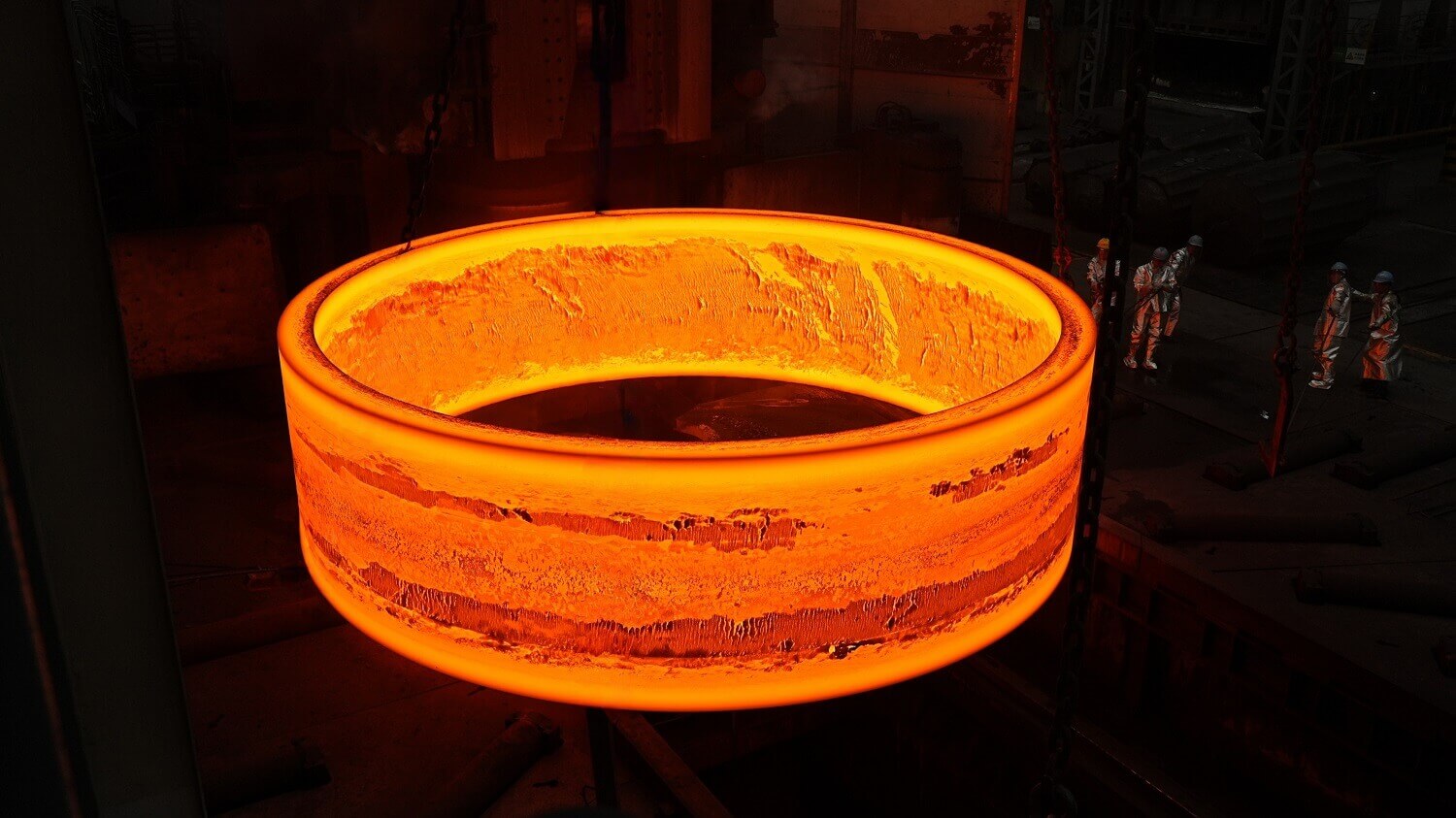
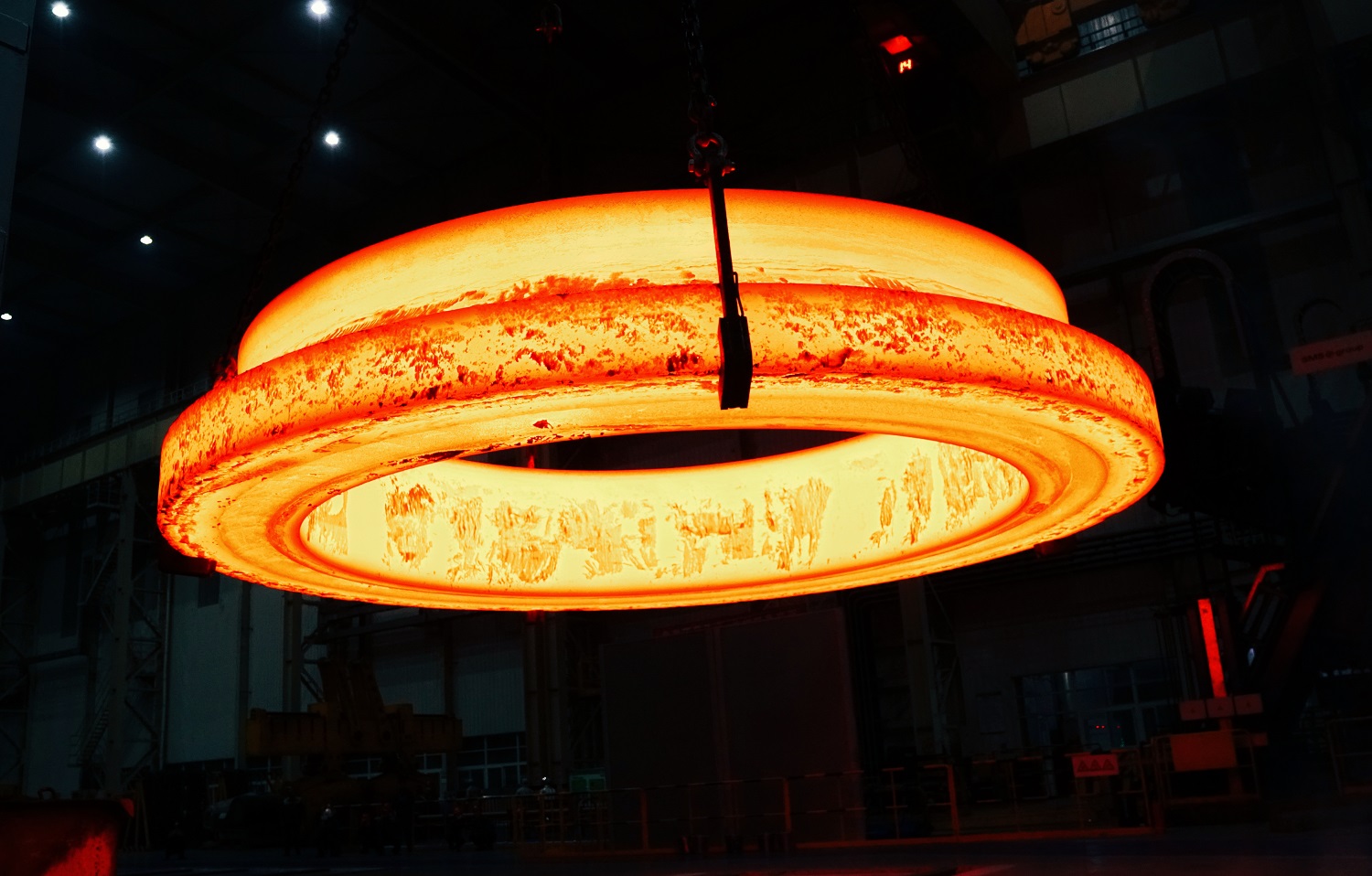
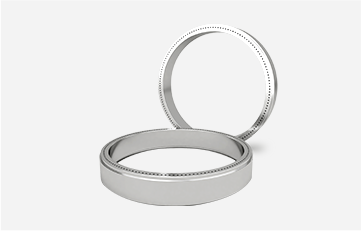
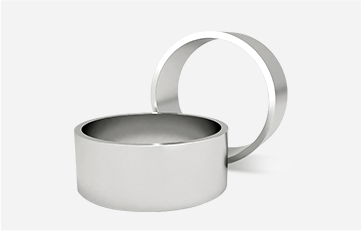
A project-specific seamless rolled ring is manufactured around a defined component rather than selected solely by diameter and material grade. Its cross-section, material condition, machined features and delivery stage are developed together so that the ring fits the equipment design and the work planned before assembly.
At Iraeta, rectangular-section and complex-profile ring forgings can be combined with heat treatment and CNC-supported machining. The engineering task is to translate the component drawing into a clear manufacturing scope: what will be formed, which surfaces will be completed and what condition the ring must reach before delivery.

1.Start with the Component, Not the Manufacturing Limit
A project usually begins with a requirement inside a larger machine or structure. The ring has a particular position, connects with other components and must arrive in a condition suitable for the next operation.
These relationships explain why two rings with similar overall dimensions may require different manufacturing arrangements. One may need finished cylindrical surfaces and axial faces. Another may include stepped diameters, recesses or connection holes. A third may leave selected areas unfinished because another manufacturer will complete them later.
For a project-specific ring forging, overall dimensions establish the envelope, but the complete component definition establishes the work.
The design discussion should therefore begin with the ring’s interfaces and required condition at the next stage. A finished assembly drawing may show where the component belongs, while a section drawing explains the geometry that must be produced. Both are useful, but they answer different questions.
Starting this way also keeps manufacturing capability in context. Equipment capacity matters when assessing whether the component can be made. It does not replace the component requirements that determine how it should be made.
2.The Cross-Section Connects the Design Decisions
A ring section brings the main cylindrical surfaces, axial faces and local features into one view. It shows how the dimensions relate to each other rather than leaving them as separate values.
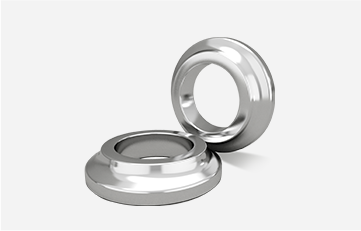
For a rectangular-section ring, the geometry may be comparatively straightforward. For a profiled component, the section also needs to define changes in diameter, steps, recesses and the surfaces between them. Overall diameter and height alone do not describe these details.

3.When the ring has several diameters
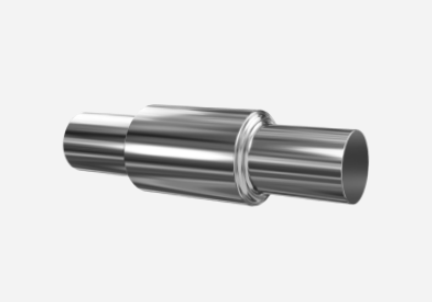
A stepped ring contains multiple cylindrical surfaces at different axial positions. Each diameter needs to remain connected to the relevant height, step and adjacent surface.
This relationship matters during manufacturing review. Completing one cylindrical surface does not establish the entire profile. The drawing must show where that surface begins and ends and how it connects with the next part of the section.
Where both internal and external diameters change, a common section reference becomes especially useful. It allows the whole profile to be reviewed as one component rather than as a collection of independently specified features.
4.When local details affect the delivery scope
A final drawing may include recesses, holes and interfaces that are not all completed by the same manufacturer. The geometry remains part of the design, but its presence on the drawing does not automatically define who supplies it.
An annotated version can identify the work included before delivery while retaining the final drawing as the design reference. This is particularly useful when selected features will be completed by a bearing manufacturer, equipment builder or another machining supplier.
The result is a more useful design-to-manufacturing reference: it describes both the component and the portion of work being ordered.
5.Decide What Belongs in the Formed Shape
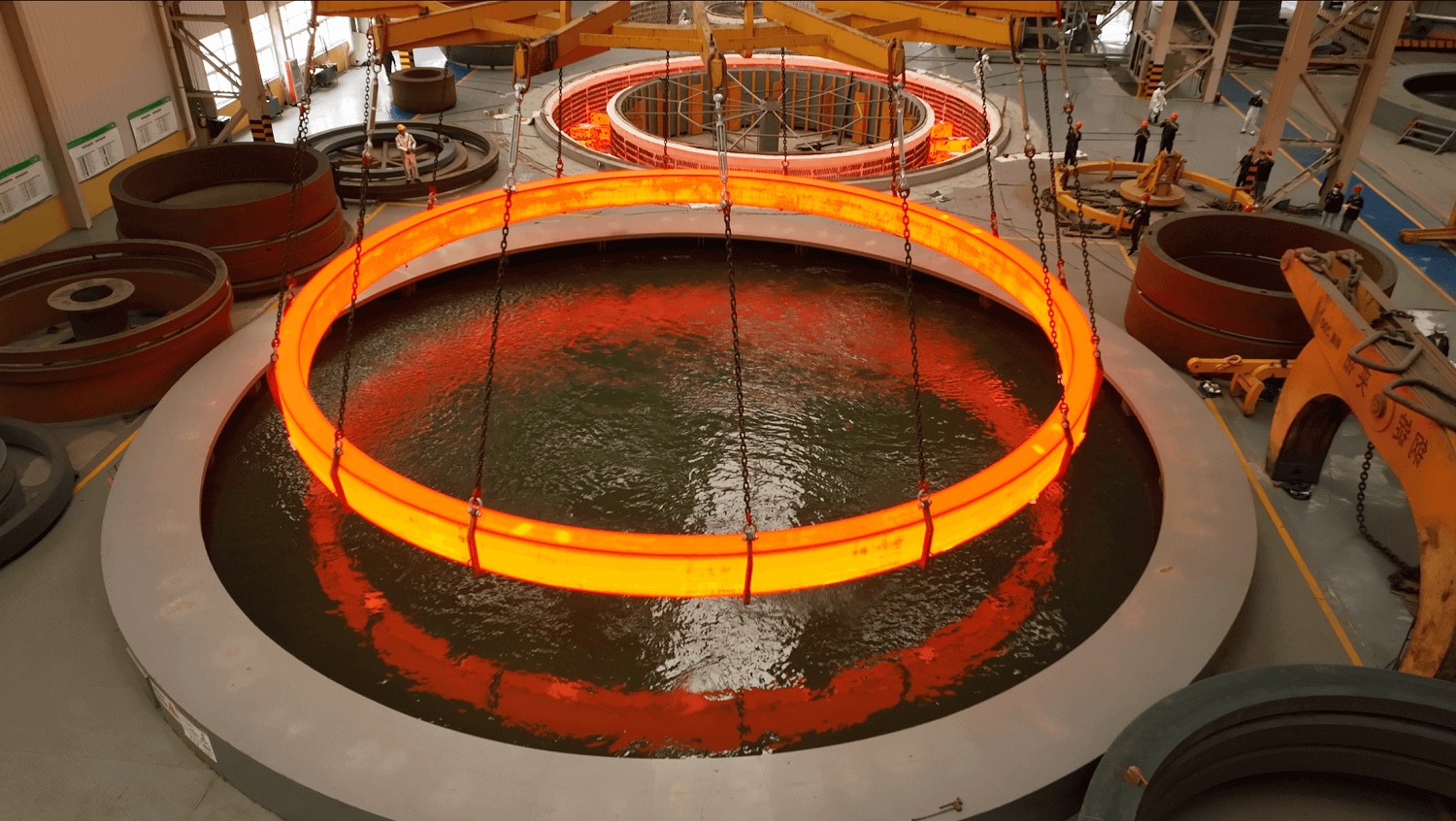
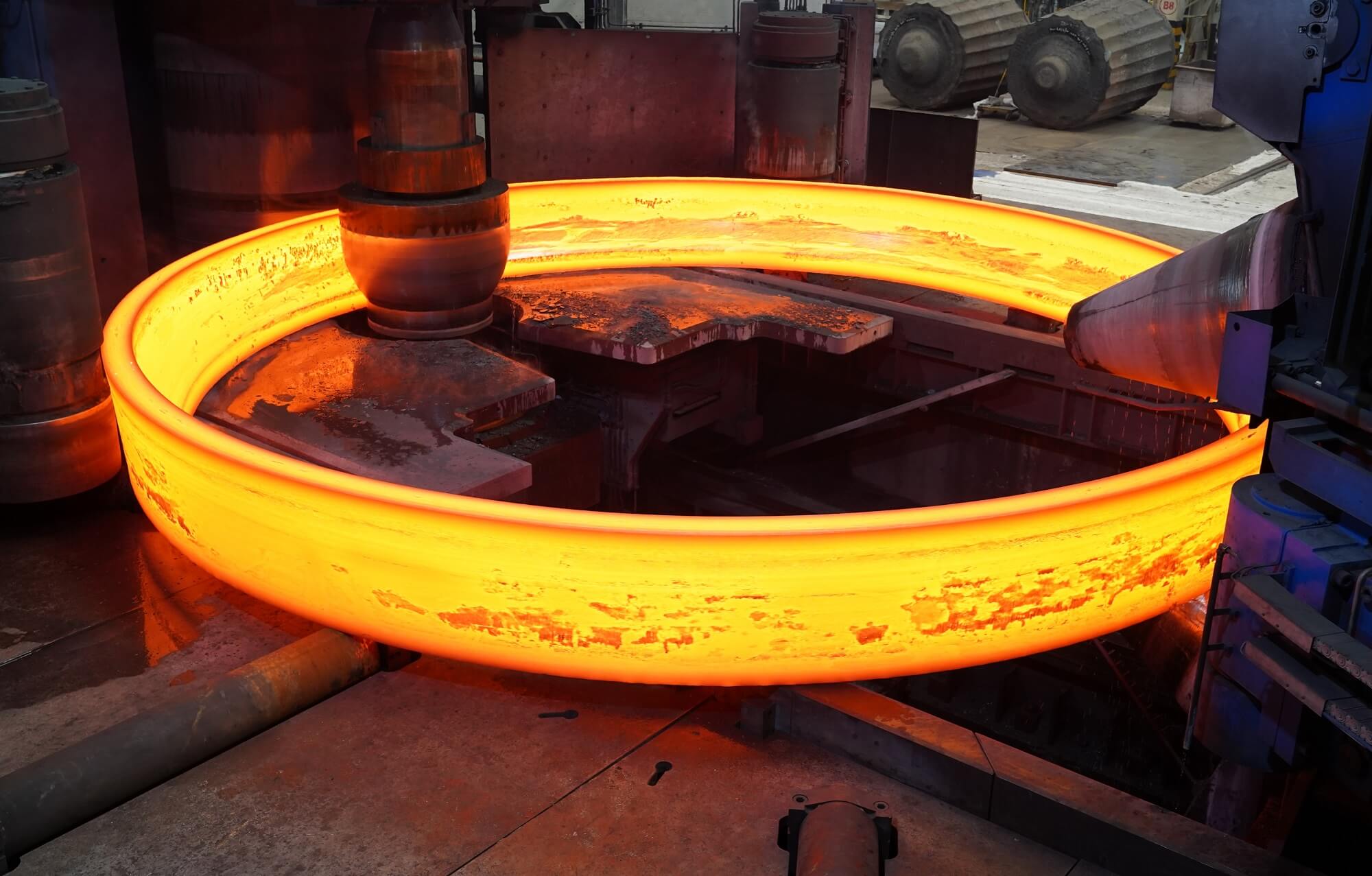
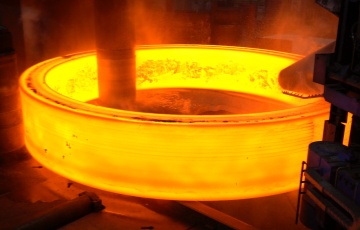
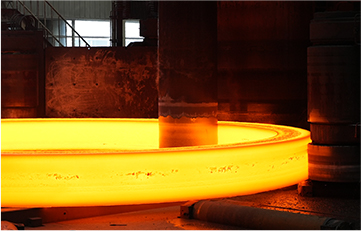
A project-specific ring is not necessarily rolled to its complete final geometry. Forming establishes the main annular body, while machining completes the specified surfaces and features.
Near-net-shape ring rolling brings the forging closer to the intended component geometry, reducing material removal compared with machining a ring from a larger block. The machining plan then connects that formed shape with the details required at completion.
The design review consequently needs to distinguish between the shape being formed and the shape being delivered. These may be close, but they are not automatically identical.
A profiled forging can incorporate changes in section, while CNC machining completes drawing-defined features. The appropriate division depends on the actual component rather than a general preference for either more forming or more machining.
Iraeta’s rectangular and complex-profile ring manufacturing capabilities provide options for this discussion. The purpose is to establish a suitable manufacturing approach for the section, not to add complexity to the forging simply because a more elaborate profile is possible.
For the designer, the useful question is which geometry needs to exist at each stage. That makes the transition from rolled ring to component explicit.
6.Material Condition Belongs in the Design Definition

Geometry describes the shape of the ring. The material specification and heat-treatment condition describe another essential part of the component being ordered.
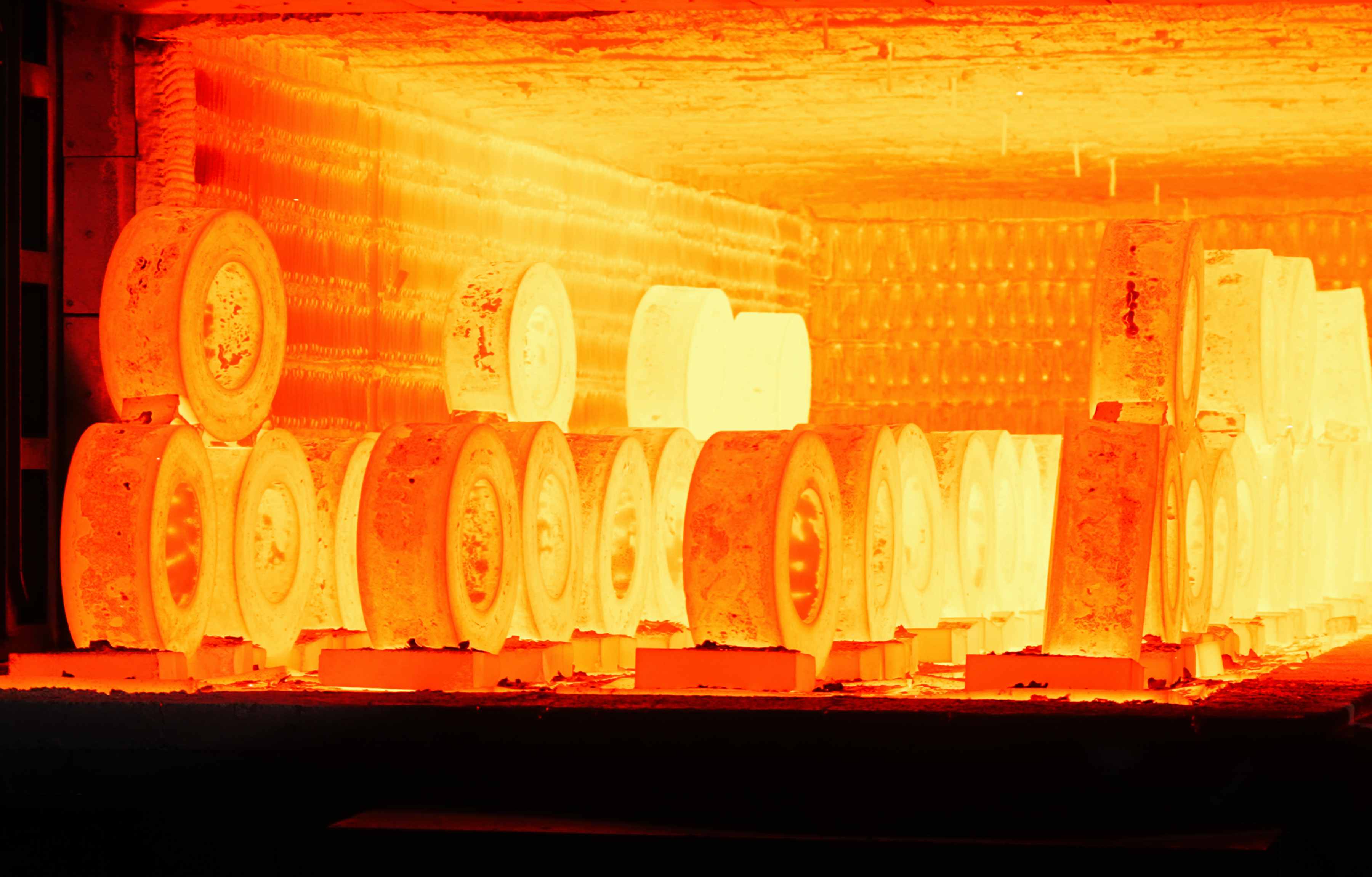
Available thermal processes include normalizing, annealing, quenching and tempering, solution annealing, solution treatment with aging, stress relief and other combinations. These are different processing options, selected in relation to the material and its requirements rather than applied as one universal sequence.
For a project-specific ring, the required material condition needs to remain connected with the manufacturing and machining plan. A drawing that fully defines the geometry but leaves the delivery condition unresolved is still missing part of the component definition.
This becomes particularly important when the ring will undergo further processing elsewhere. The project needs to distinguish the condition required before shipment from any condition intended after subsequent work.
For a finished component, the agreed material condition and final dimensions apply at the defined delivery stage. For an intermediate component, the scope identifies the state in which the ring will leave the manufacturer and the work still to follow.
This is not a separate materials discussion added after the geometry has been settled. It is part of deciding what the supplier is actually delivering.
7.Choose the Delivery Stage Around the Next Operation
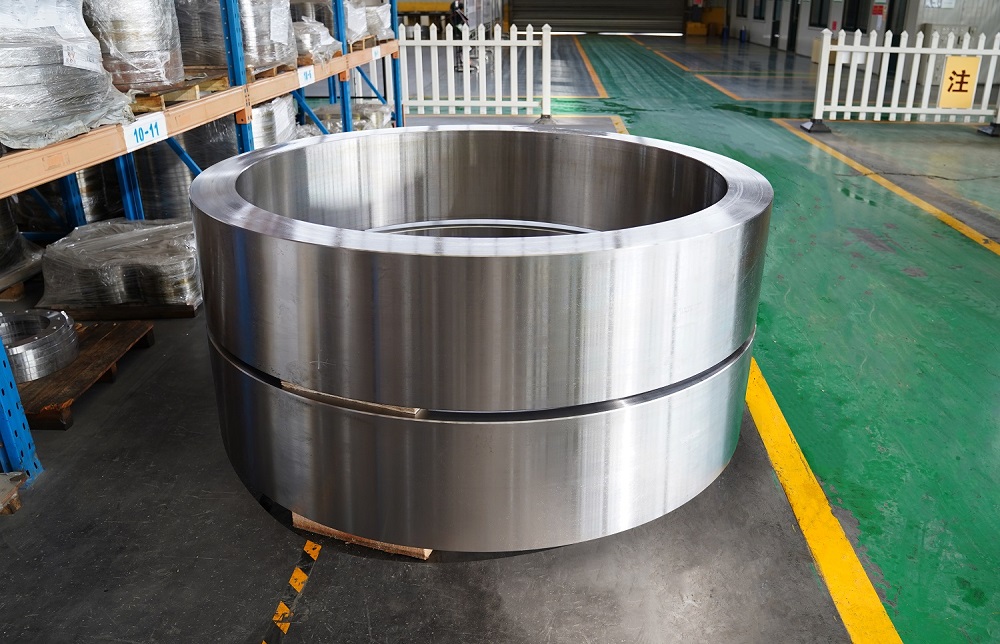
“Custom ring” does not necessarily mean “finished component.” A project may require an intermediate ring, a partially finished component or a ring with the agreed final geometry.
The appropriate choice depends on the manufacturing arrangement beyond the forging supplier. Where another party will complete selected features, the delivery scope should support that next operation without implying that the full component is already finished.
| Delivery arrangement | What the component reference needs to establish |
| Intermediate ring | Shipment dimensions, completed surfaces and subsequent processing |
| Partially finished component | Finished faces or profiles, marked unfinished areas and remaining features |
| Finished component | Agreed final geometry, included features and any explicit exclusions |
These arrangements should be described independently when more than one option is under consideration. A partially machined option and a finished option may share the same final drawing, but they do not represent the same scope of supply.
For example, a stepped ring may have its main cylindrical surfaces completed while connection holes remain for later work. The design reference still includes those holes; the manufacturing scope identifies that they are excluded before shipment.
Such an illustration does not require a separate product design. It requires a clear distinction between the final component and the condition being supplied.
8.Make the Machining Interfaces Explicit
Machining connects the ring’s main body with its assembly features. Internal and external diameters, axial faces, steps, recesses and holes each need sufficient definition for the work included in the order.
The machining scope for ring diameters, faces and connection features should identify dimensions, locations, applicable tolerances and surface requirements. Areas reserved for later processing should remain distinguishable from completed surfaces.
The interface between suppliers deserves particular attention. A feature shown on the final drawing may be finished elsewhere, but the ring still needs a defined condition when it changes hands.
For partially finished rings, the section can show completed geometry and intermediate geometry together. This gives the next manufacturer a reference for what has been supplied and what remains to be done.
The same principle applies to connection features. If holes are included, their size, location and dimensional requirements belong in the machining definition. If they are excluded, that exclusion should be visible rather than inferred from a short description such as “rough-machined ring.”
Clear interfaces reduce the amount of interpretation needed between design intent and the actual component received.
9.Keep Changes Connected Across the Project
Project-specific components can develop through drawing revisions. A local detail may change while the overall ring dimensions remain the same, yet that change can still affect machining and inspection.
The main section and local details should therefore use the same drawing revision. Approved changes need to be reflected in the manufacturing and inspection references, not only in the design file.
This is especially relevant when the final drawing and an annotated supply-scope drawing are used together. Both need to describe the same approved component, even though one shows the full design and the other identifies the work included before shipment.
A useful change review asks whether the revision affects:
The section or local geometry.
The surfaces and features being completed.
The required material or delivery condition.
The dimensions applying at shipment.
A review required before the next operation.
Where approval is needed before subsequent processing, the activity and responsible party should be included in the manufacturing sequence.
The objective is not to add a separate approval layer to every detail. It is to keep consequential decisions visible at the point where they affect the work.
10.Use Delivery Geometry as the Final Handoff

The final manufacturing handoff should describe the ring as supplied. For an intermediate component, that means its intermediate dimensions and completed features. For a finished ring, it means the agreed final dimensions and included geometry.
Inspection follows that same distinction. It should verify the ordered delivery condition rather than assess an unfinished ring as though all later work had already been completed.
This closes the connection between design and manufacture. The component definition establishes the intended geometry and condition; the supply scope establishes the work included; the delivery reference identifies what has been completed.
For the project team, the practical benefit is a ring that enters the next operation with fewer unresolved assumptions. The component does not need to be fully finished to be clearly defined.
11.Resolve the Design Interface Before It Becomes a Production Question
A project-specific seamless rolled ring is successful when its shape, material condition and delivery scope support the equipment design and the manufacturing work around it. Customization is not simply a matter of changing dimensions. It is the coordination of decisions that determine what the ring will be when it leaves one operation and enters the next.
Where a section, machining split or delivery stage is still being developed, that unresolved detail can be the most useful starting point for a technical discussion. Iraeta can review the design and manufacturing interface for your ring, helping connect the component requirements with a clearly defined scope before production begins.


Recommended reading
Unlocking the Secrets of Forging: The Performance Code of Classic Processes
Must-Read for Ring Forging: Advantages and Applications of the Forge-Rolling Process
Open-Die Forging vs. Ring Rolling: Helping You Choose the Optimal Forging Process