














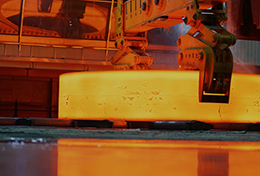


Hollow Ring Forging Manufacturer: Forming, Heat Treatment and Machining
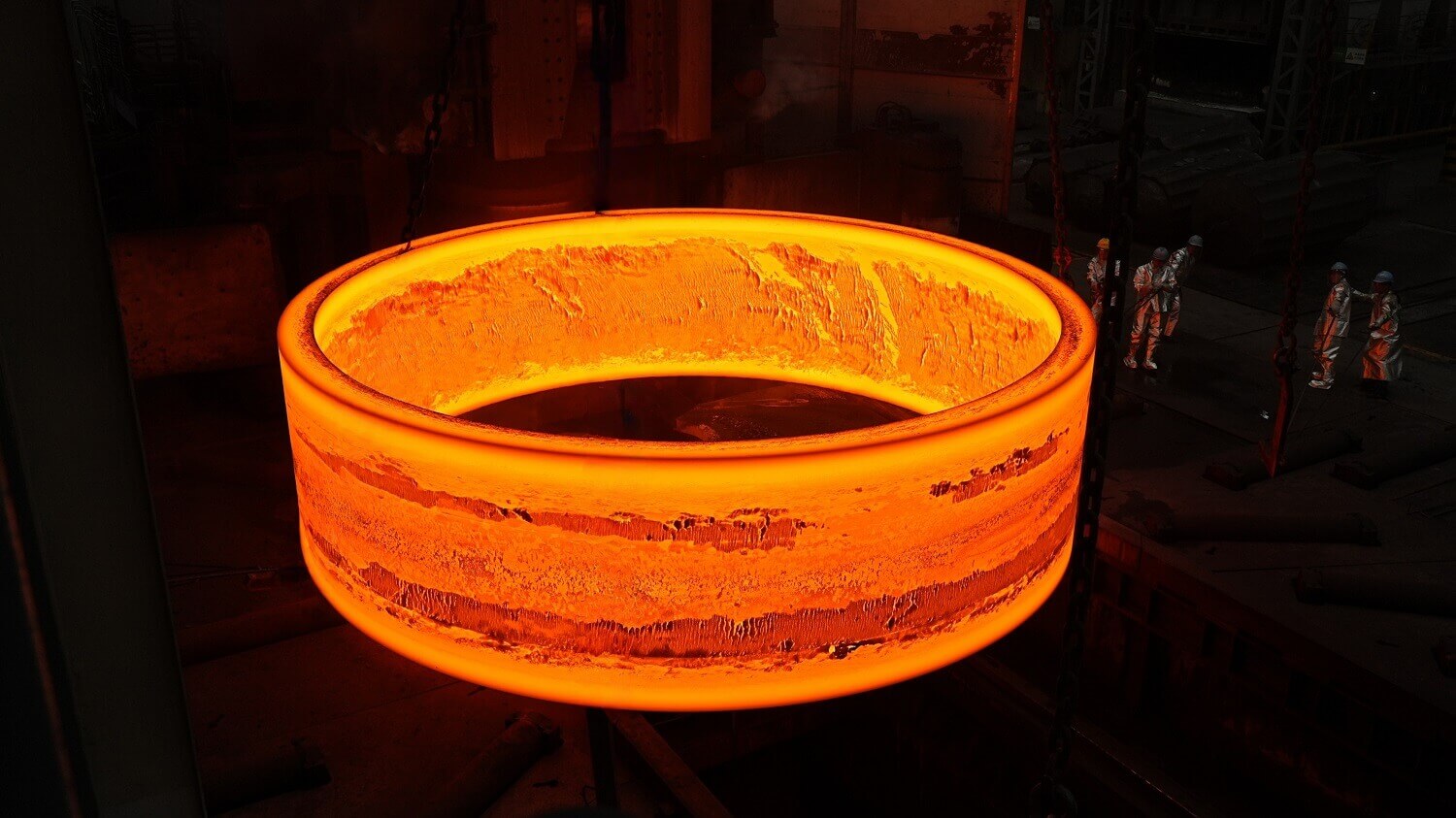
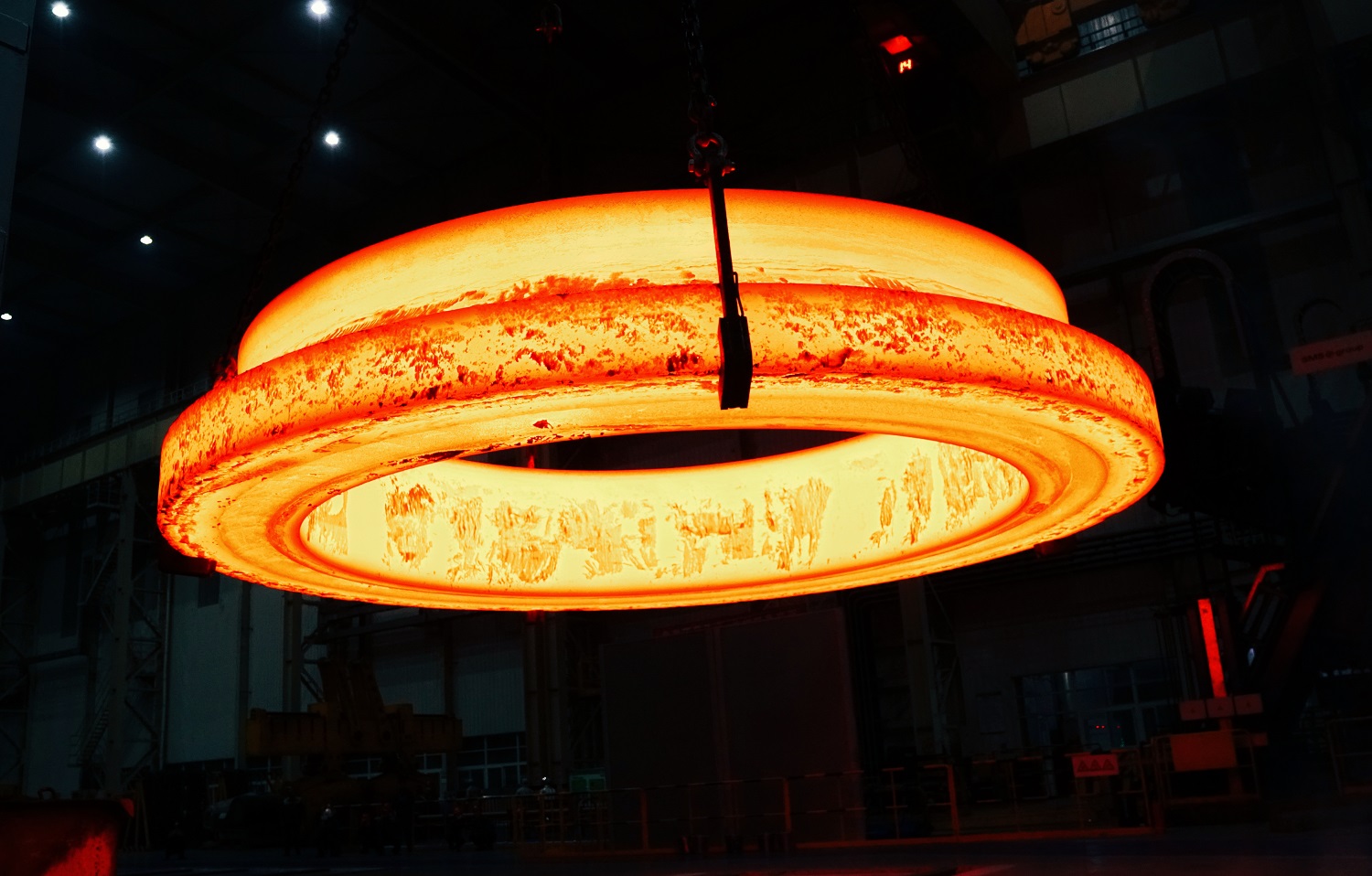
A hollow ring forging manufacturer produces ring-shaped components by forming metal around a central opening, then carrying out the heat treatment, machining and inspection required for the intended part. For large industrial components, one manufacturing route combines free forging with radial-axial ring rolling: forging prepares the billet, while rolling develops the ring geometry. Iraeta uses this route for ring forgings and forged-and-rolled shells, supported by material production, thermal processing and machining capabilities.
The finished component may be a bearing ring, gear ring, structural flange or cylindrical shell section. These products share a hollow geometry, but their cross-sections, material requirements and delivery conditions differ. Manufacturing therefore involves more than achieving an outside diameter. The relationship between the material, ring section and downstream operations determines how the component progresses from billet to usable part.

1.What Does a Hollow Ring Forging Manufacturer Produce?
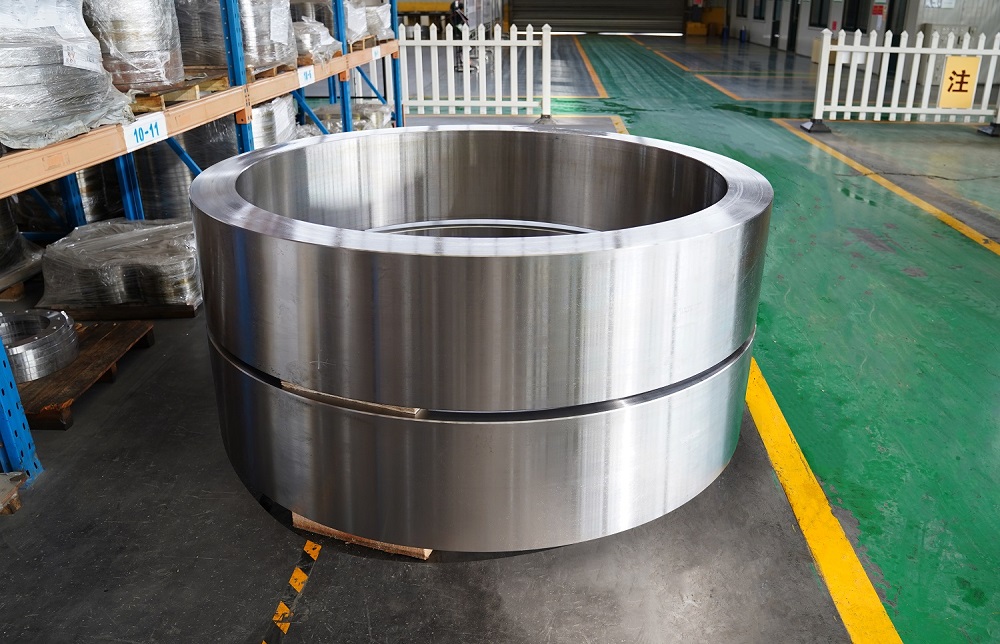
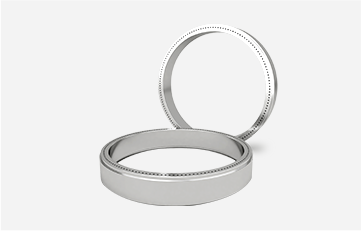
Hollow ring forgings include components with rectangular cross-sections as well as rings with more complex profiles. Some remain relatively low in axial height; others extend into tall cylindrical sections. The product geometry must be described through the outside diameter, inside diameter or wall thickness, axial height and any changes in section.
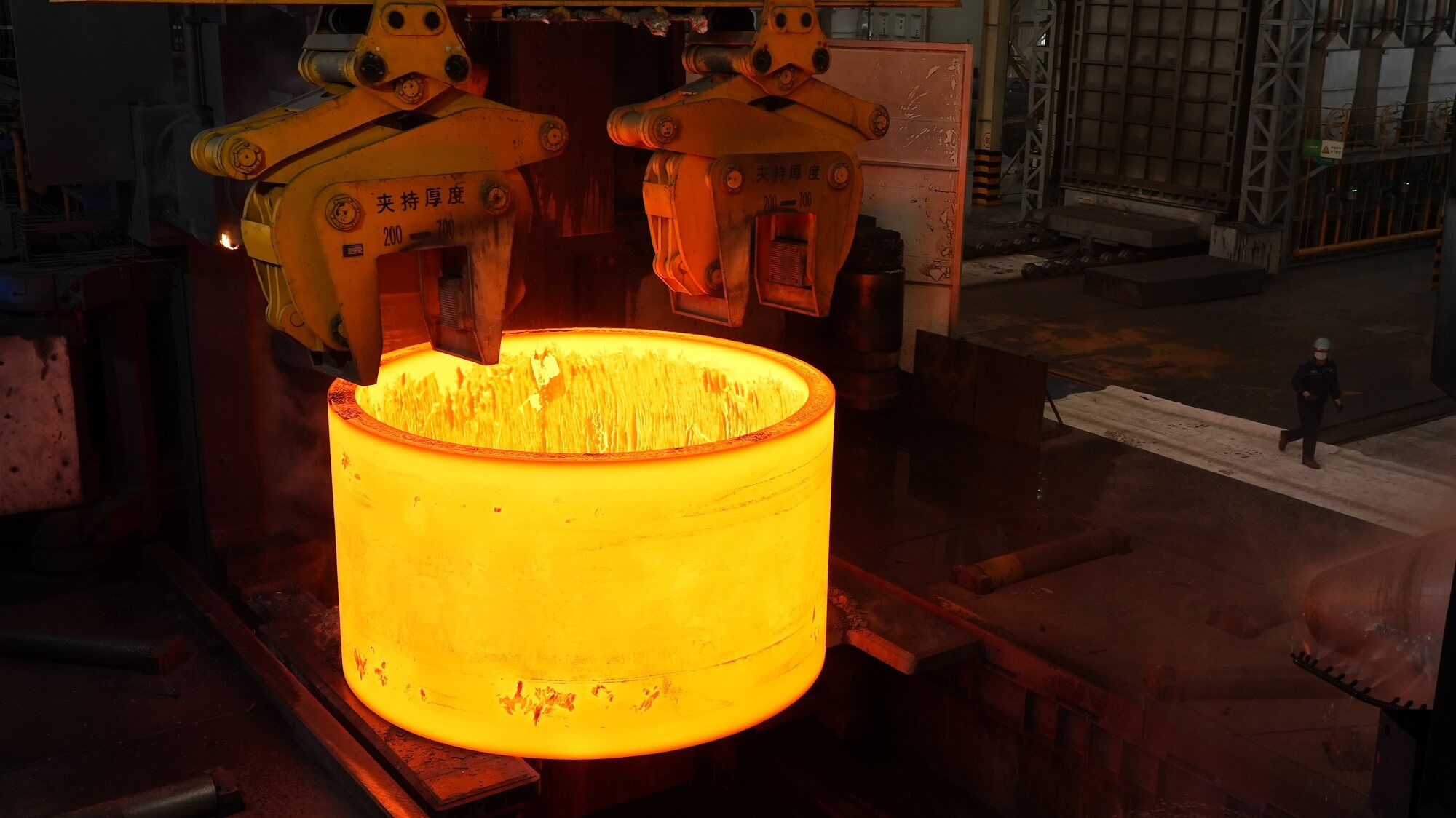
Iraeta’s custom ring forgings include rectangular and profiled sections for industrial applications. The manufacturing scope also extends to tall forged-and-rolled shells. This provides different product forms within a connected manufacturing route rather than treating every hollow component as the same type of ring.
Applications include bearing and slewing rings, gear rings, wind power flanges, nuclear support rings, hydropower components and petrochemical shell sections. Each has a different relationship between geometry and service requirements. A bearing ring is not specified in the same way as a pressure-vessel shell, even when both begin as hollow forgings.
The useful starting point is consequently the component itself: what it does, what geometry it needs and what condition it must reach before entering the next manufacturing or assembly operation.
2.From Billet to Ring: How the Forming Route Works
Free forging prepares the starting shape
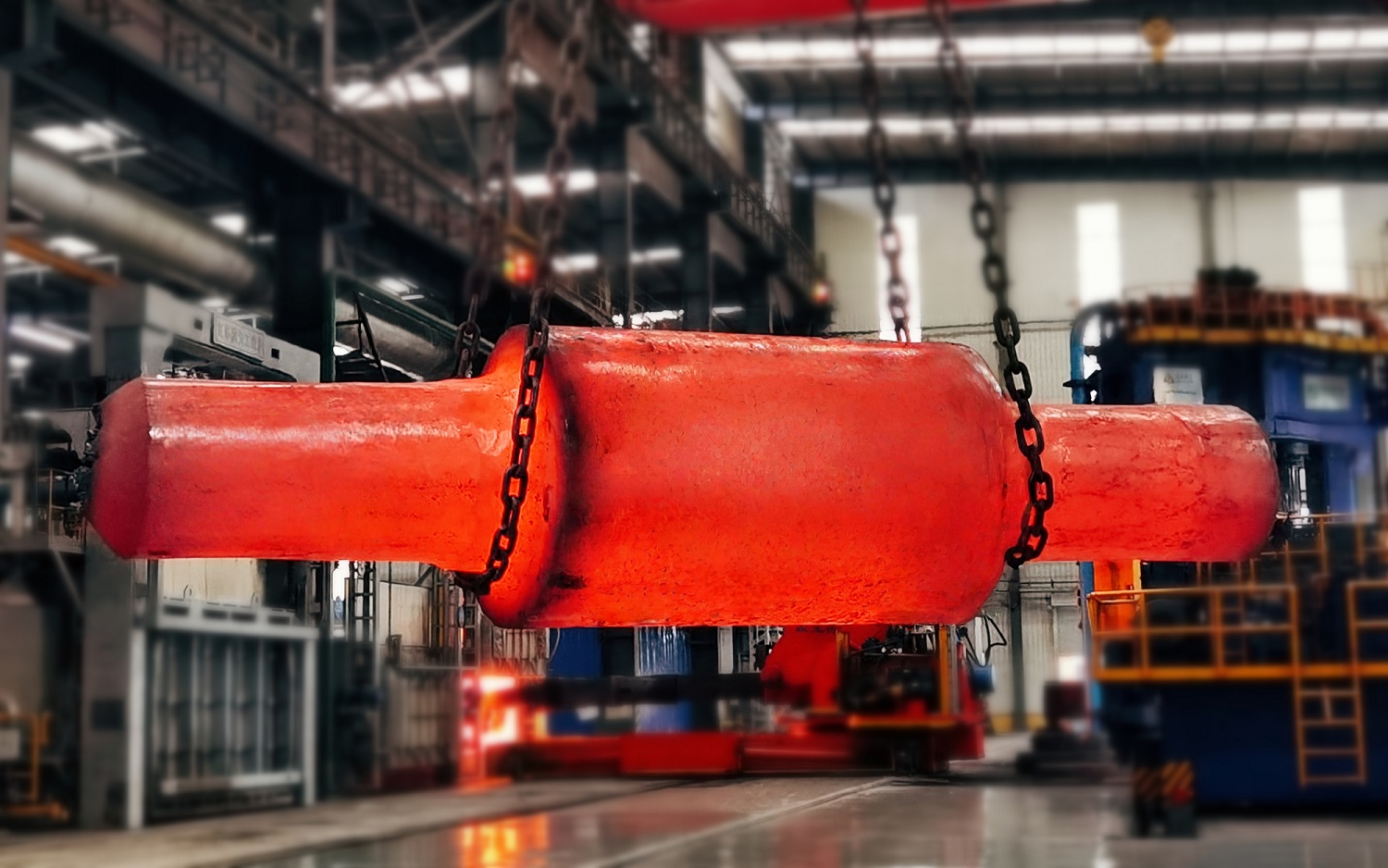
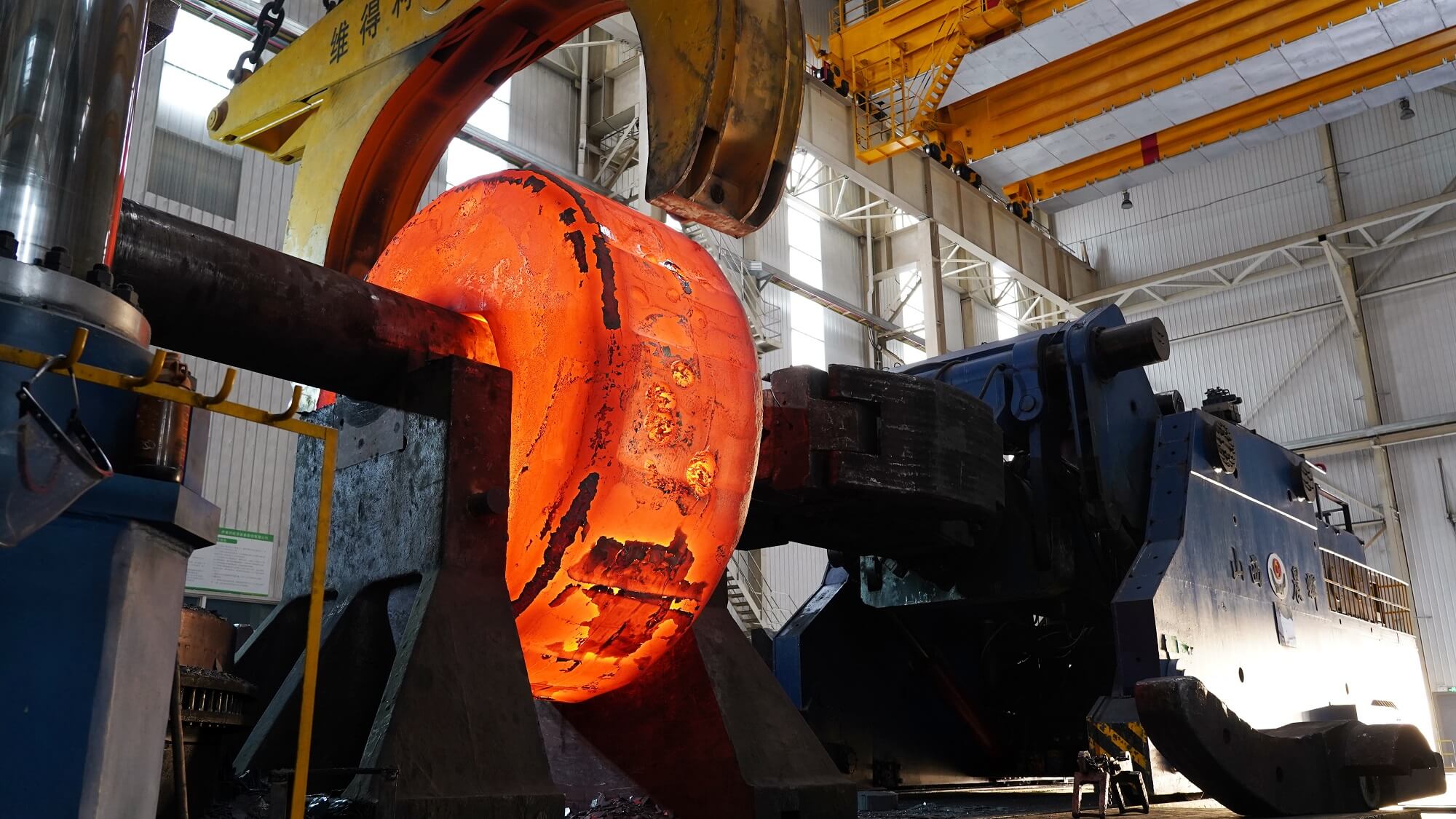
The forge-rolling route begins with free forging. At this stage, the billet is worked to develop the basic dimensions and shape needed for subsequent rolling. Ring rolling then starts with a pierced ring billet rather than a solid cylindrical workpiece.
This preparation connects the original material to the geometry that the rolling mill will develop. The forging stage and the rolling stage serve different purposes, but they belong to the same forming sequence. Assessing one without the other gives an incomplete picture of how the hollow component is produced.
For a manufacturer, the objective is not simply to create an opening. It is to prepare a ring billet suitable for the required expansion and section development during rolling.
3.Radial-axial rolling develops the ring geometry
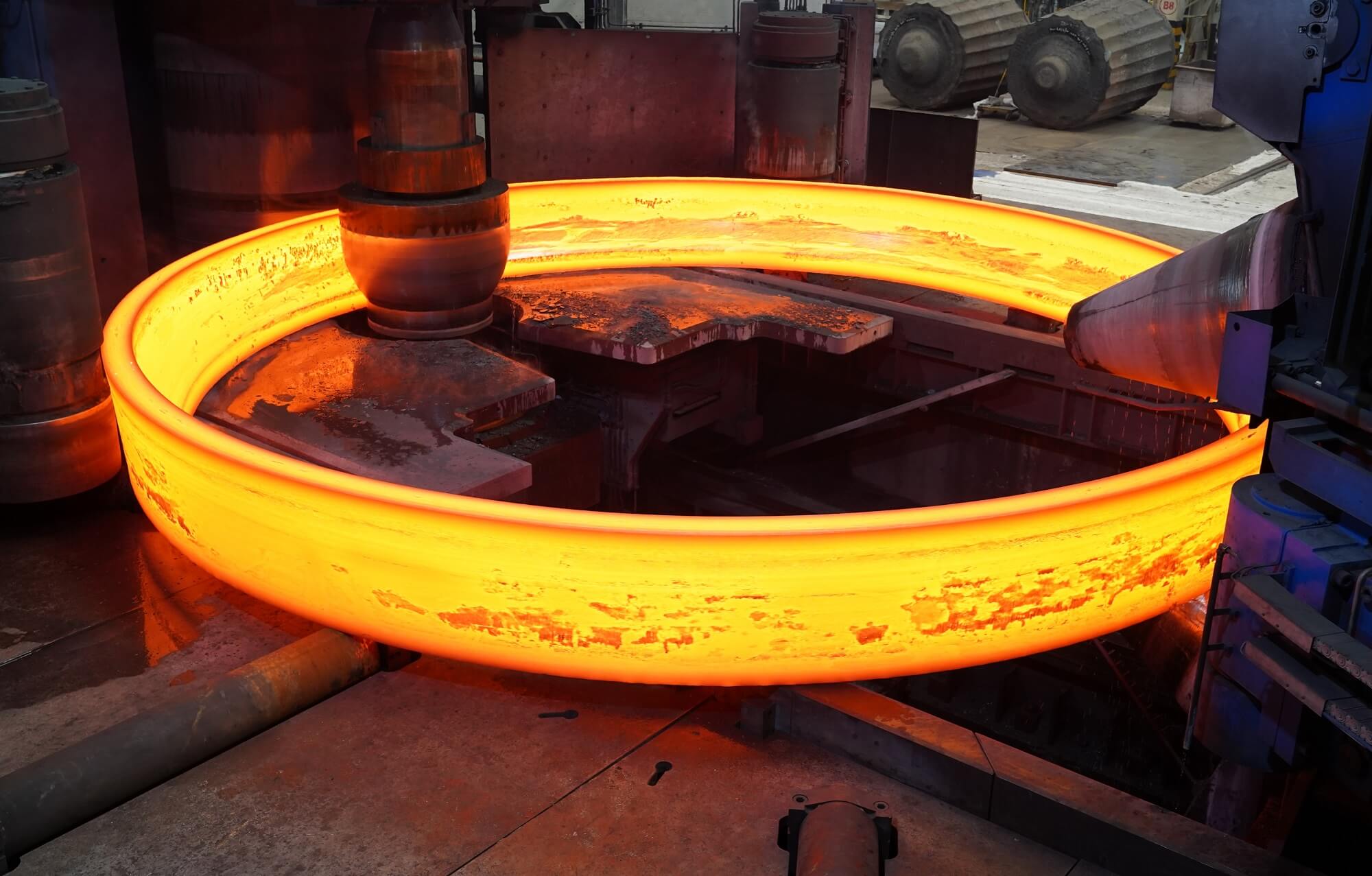
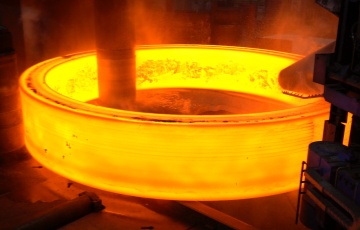
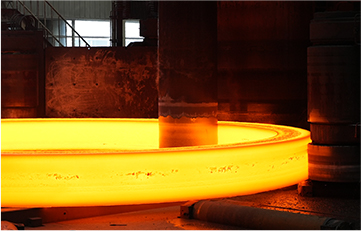
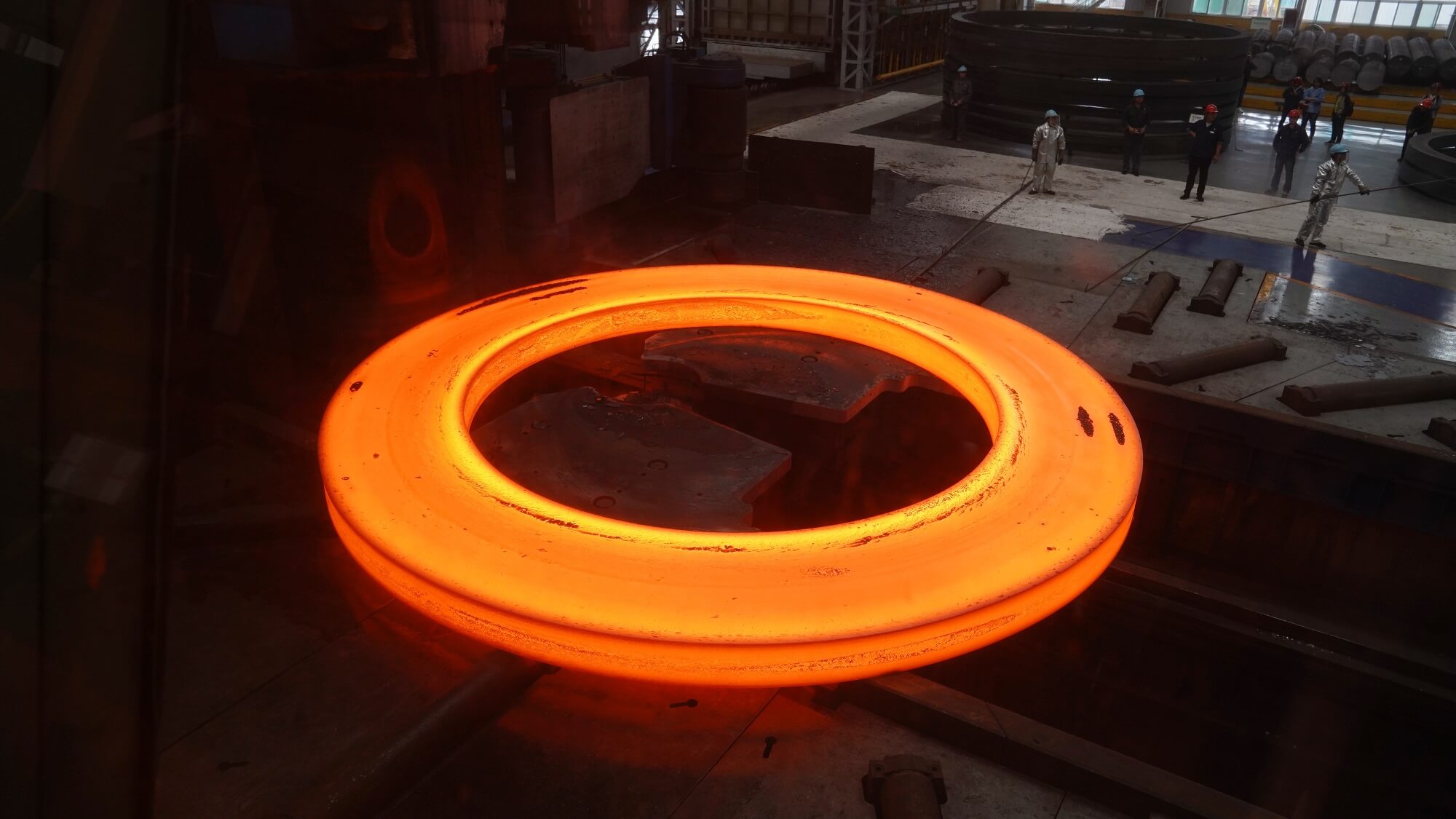
During radial-axial ring rolling, the heated ring billet undergoes controlled deformation as its diameter expands and its section is reduced toward the intended geometry. The process can produce rings close to their required shape, while dedicated tooling allows a range of sections, from comparatively simple rings to large cylindrical forms.
The connection between free forging and radial-axial ring rolling is particularly relevant when evaluating a hollow ring forging manufacturer. Free forging establishes the starting form; rolling develops the annular geometry through continuous localized deformation.
Ring rolling promotes circumferential grain flow. This is one reason the process is used for load-bearing rings and pressure-bearing shell sections. The forming route contributes to component performance alongside material selection, heat treatment and subsequent manufacturing operations.
4.Cross-Section Matters as Much as Diameter
Outside diameter is an important dimension, but it does not fully describe a hollow forging. Two components with the same outside diameter can have substantially different wall thicknesses, heights and profiles.
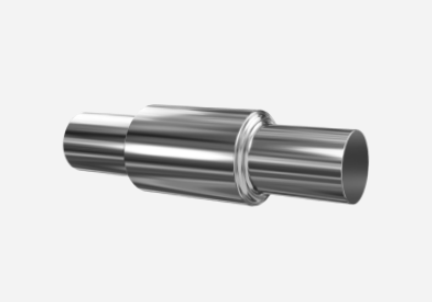
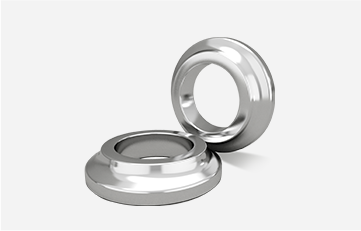
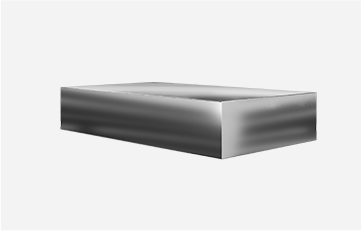
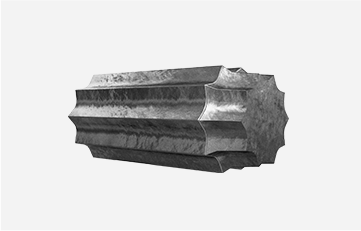
A rectangular-section ring provides a straightforward geometric starting point. A profiled ring introduces changes in section that bring the forging closer to the intended component shape. Taller cylindrical forms add another dimension to the manufacturing task: axial height becomes a major feature of the product rather than a secondary dimension.
The relationship between the rolled shape and the finished shape also affects subsequent machining. A forging produced closer to the required geometry can reduce the amount of material that must be removed. Iraeta’s forge-rolling route supports near-final-shape production, with reduced machining allowances as one of its stated process advantages.
That does not make machining unnecessary. Instead, forming and machining perform complementary roles. Forming establishes the main body of the component; machining completes the surfaces and features that the final drawing requires.
For an engineering discussion, a section drawing is therefore more useful than an outside-diameter value alone. It shows whether the requirement is a simple ring, a stepped or otherwise profiled component, or a tall shell-like structure.
5.What a Large Hollow Forging Looks Like in Practice
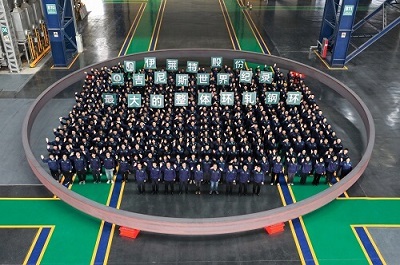
A large shell example helps illustrate why hollow forgings must be understood through several dimensions together. Within its forged-and-rolled shell capabilities, Iraeta presents a component with the following geometry:
| Parameter | Manufacturing example |
| Outside diameter | 8.06 m |
| Wall thickness | 230 mm |
| Height | 5 m |
| Base material weight | 280 t |
The dimensions describe different aspects of the same manufacturing task. The outside diameter establishes the external envelope. Wall thickness describes the radial section. Height identifies the axial extent. The 280 t figure refers to the base material rather than the finished component’s net weight.
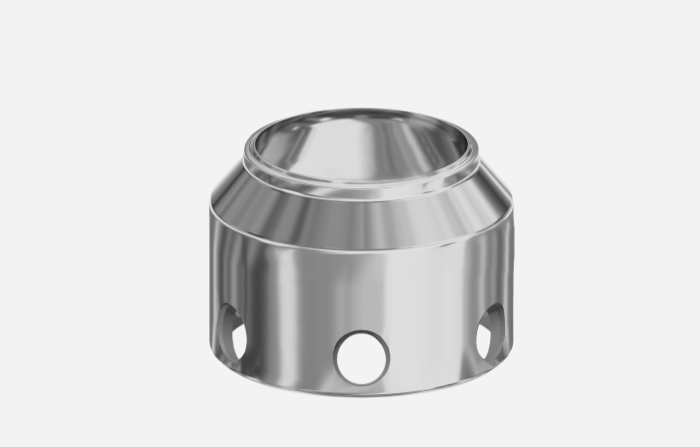
This example also shows why “hollow” does not necessarily mean a low-height ring. The same broad forge-rolling route extends into tall cylindrical sections. The component shape, rather than the presence of a central opening alone, determines the most useful product description.
The value of such an example lies in its complete geometry. It gives engineers a more meaningful reference than a maximum-diameter statement without section or height information.
6.Material Preparation Is Part of the Manufacturing Route
Forming capability is only one part of producing a hollow forging. Material composition and the route used to prepare the starting material also influence how the order is developed.
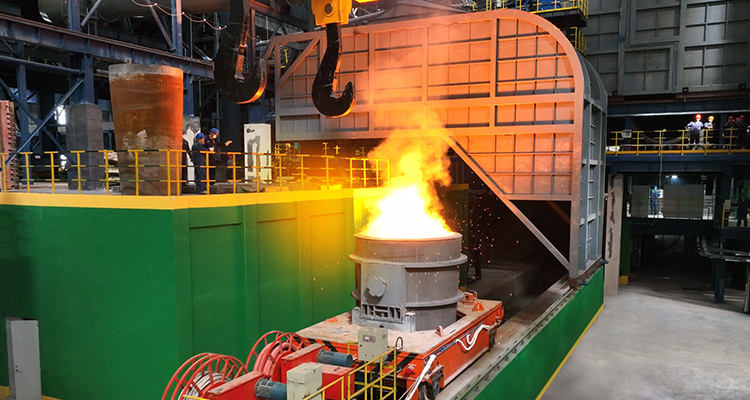
For its forged-and-rolled shell production, Iraeta operates an in-house short-process steel plant with LF, VD and VOD refining systems. Electroslag remelting, or ESR, is also available for critical applications requiring high-purity steel. These capabilities support material customization before the forging and rolling stages begin.
An integrated route also connects the material heat with later operations. The manufacturing chain extends from melting through forging, heat treatment and machining, supporting traceability back to the specific heat.
For the buyer, this makes material discussions part of manufacturing planning rather than a separate purchasing exercise. A specified grade, any additional composition requirements and the required delivery condition need to be considered together. The material is not merely a label attached to a completed ring; it is an input to the route used to make it.
7.Heat Treatment Connects Forming with Required Properties
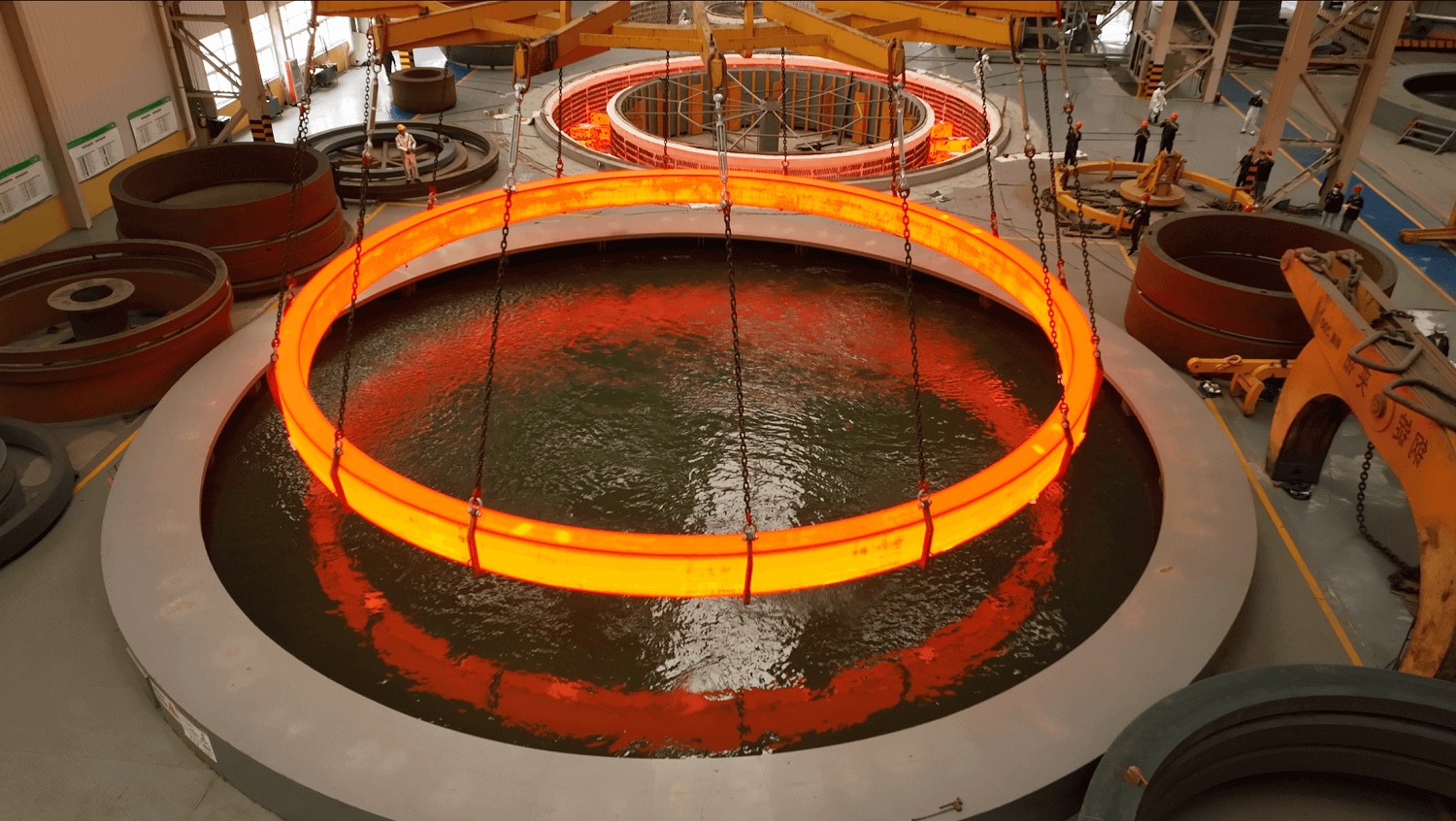
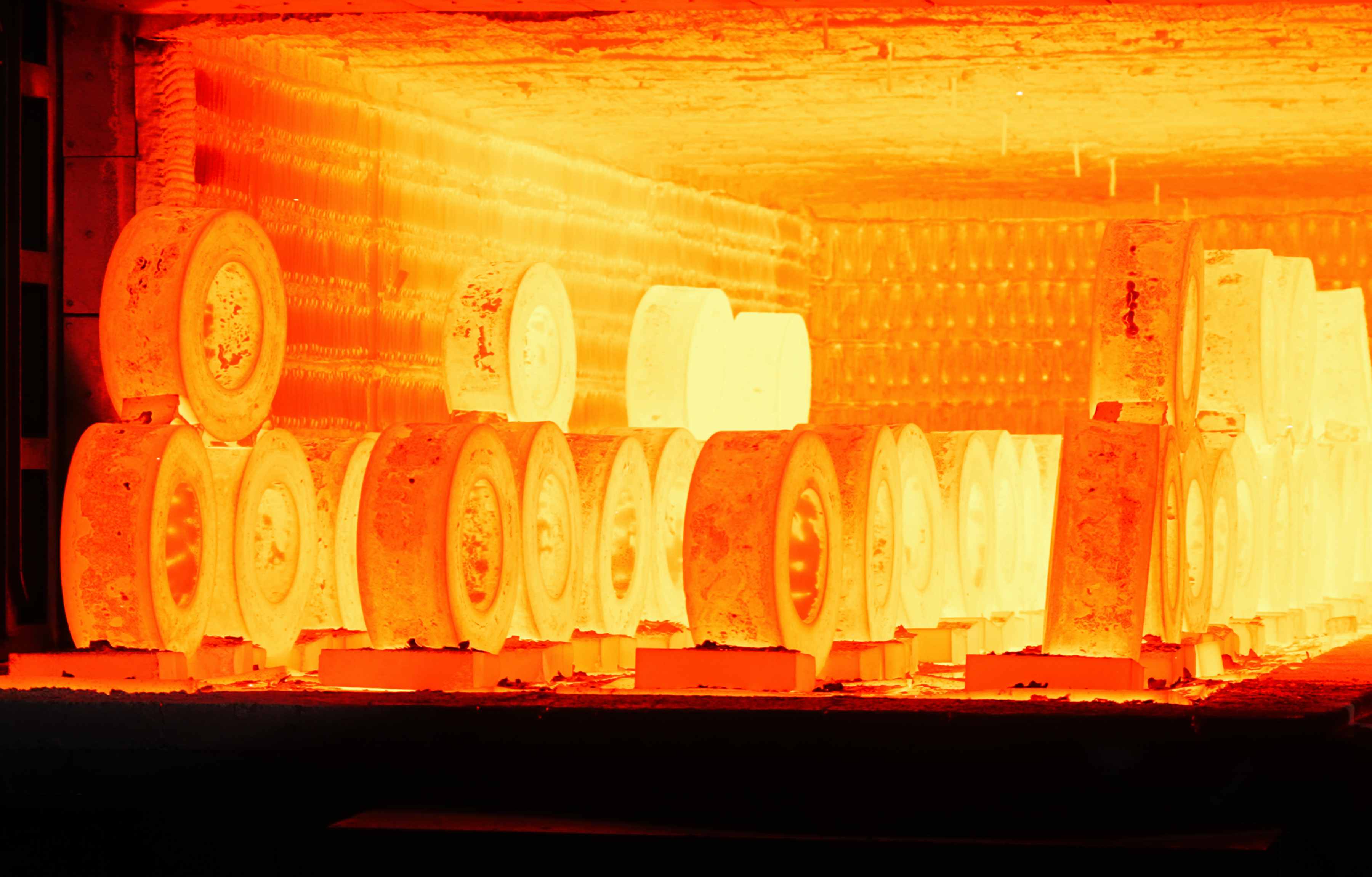
A ring leaving the rolling mill has reached a manufacturing shape, but the specified mechanical properties may require further thermal processing. Heat treatment addresses characteristics such as strength, hardness and toughness, depending on the material and the intended condition.
Available heat treatment processes include normalizing, annealing, tempering, quenching and tempering, solution annealing, solution treatment with aging, and stress relief. These are different processing options, not interchangeable steps in a single standard sequence.
For a hollow ring forging manufacturer, the practical task is to connect the selected material and formed geometry with the required heat-treated condition. A purchase description that identifies only the steel grade and ring dimensions leaves this part of the manufacturing requirement unresolved.
The heat treatment condition also needs to remain consistent with the subsequent machining and inspection scope. This allows the ring to progress through a coordinated route rather than a set of disconnected operations.
8.Machining Turns the Forging into the Required Component
The rolled ring and the finished part are not necessarily the same geometry. Machining completes the surfaces, profiles and connection features required by the component drawing.
Available operations include cutting, grinding and drilling, supported by CNC machining for more complex geometries. Depending on the component, the work may involve cylindrical surfaces, axial faces, stepped profiles and connection features.
The important distinction is between the geometry produced during forming and the geometry required at delivery. A buyer may need a forging for further processing or a more extensively machined component. Those are different supply scopes, even if they originate from the same rolled ring.
A clear manufacturing arrangement connects the drawing to the work included in the order. It identifies which surfaces and features will be completed by the forging manufacturer and which remain for subsequent processing. This is particularly useful when another component manufacturer or equipment assembler performs the next operation.
9.Inspection Supports the Specified Delivery Condition
Inspection should correspond to the component requirements and the manufacturing scope. Material composition, mechanical properties, internal condition and surface condition are different subjects; one inspection result cannot stand in for all of them.
Available quality-control capabilities include spectroscopic analysis, metallographic examination and mechanical testing. Nondestructive inspection capabilities include ultrasonic, magnetic-particle, penetrant and visual testing.
For an order, the relevant discussion is how those capabilities map to the specified material, product condition and acceptance requirements. A list of available methods establishes what can be examined; the agreed technical requirements establish what must be examined and how the results will be assessed.
This keeps inspection connected to the actual part. It also gives the buyer a clearer basis for reviewing the delivered component and its supporting records.
10.Bringing the Manufacturing Stages Together
A hollow ring forging manufacturer should be evaluated through the complete route needed for the component: material preparation, billet forging, ring rolling, heat treatment, machining and inspection. Diameter alone does not explain that route, and an equipment list does not show how the stages fit together.
For a new component, a section drawing, material specification and required delivery condition provide a practical basis to discuss your hollow ring drawing and manufacturing requirements, whether the need is a rolled forging for further processing or a component with additional thermal treatment and machining.


Recommended reading
Unlocking the Secrets of Forging: The Performance Code of Classic Processes
Must-Read for Ring Forging: Advantages and Applications of the Forge-Rolling Process
Open-Die Forging vs. Ring Rolling: Helping You Choose the Optimal Forging Process