




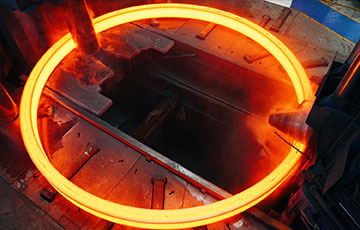
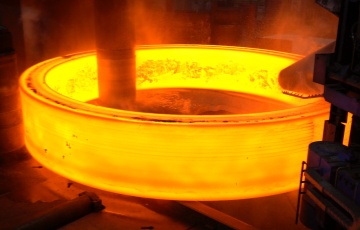
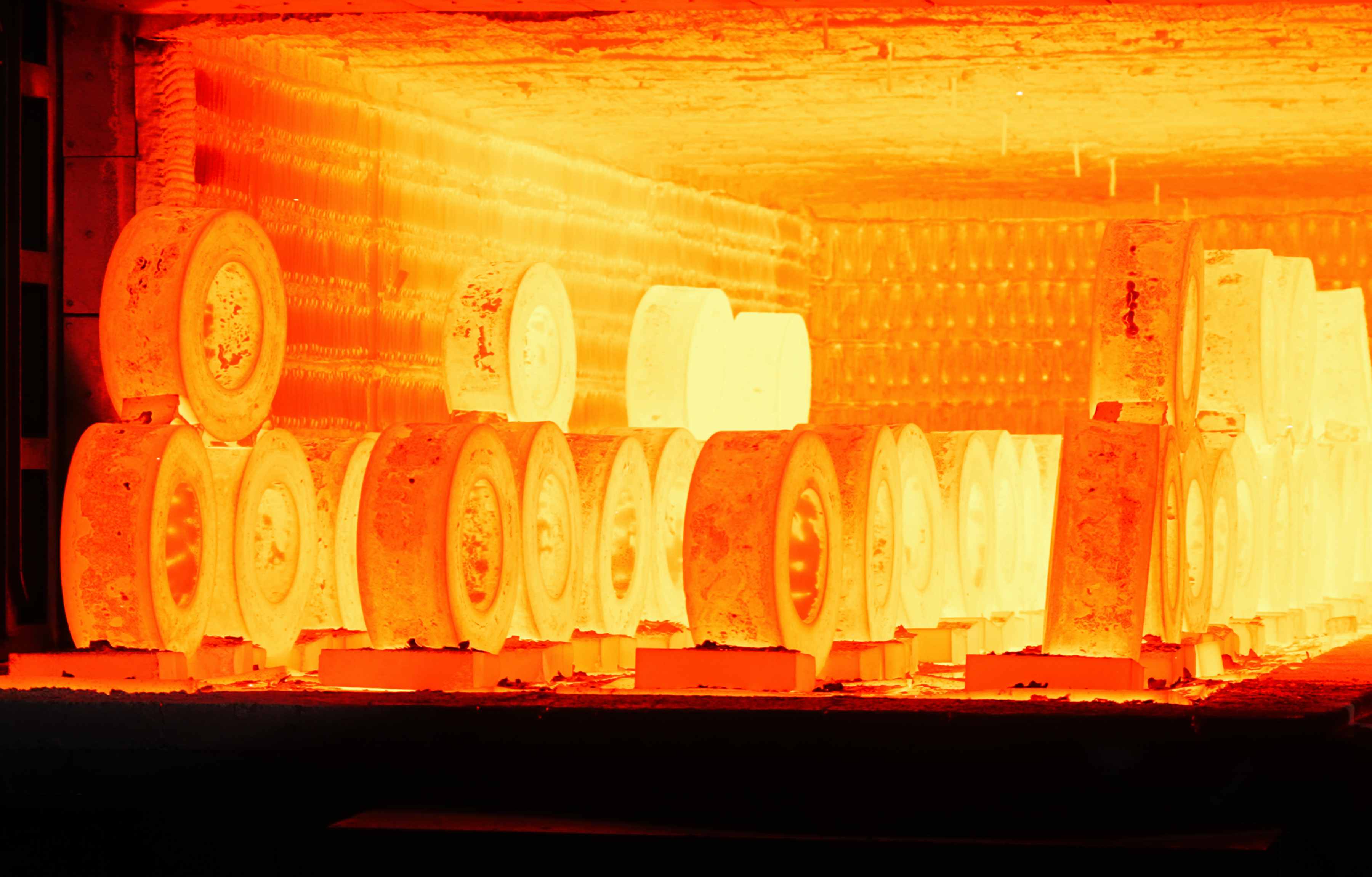




Forged Ring for Power Generation: Wind, Hydro and Nuclear Applications
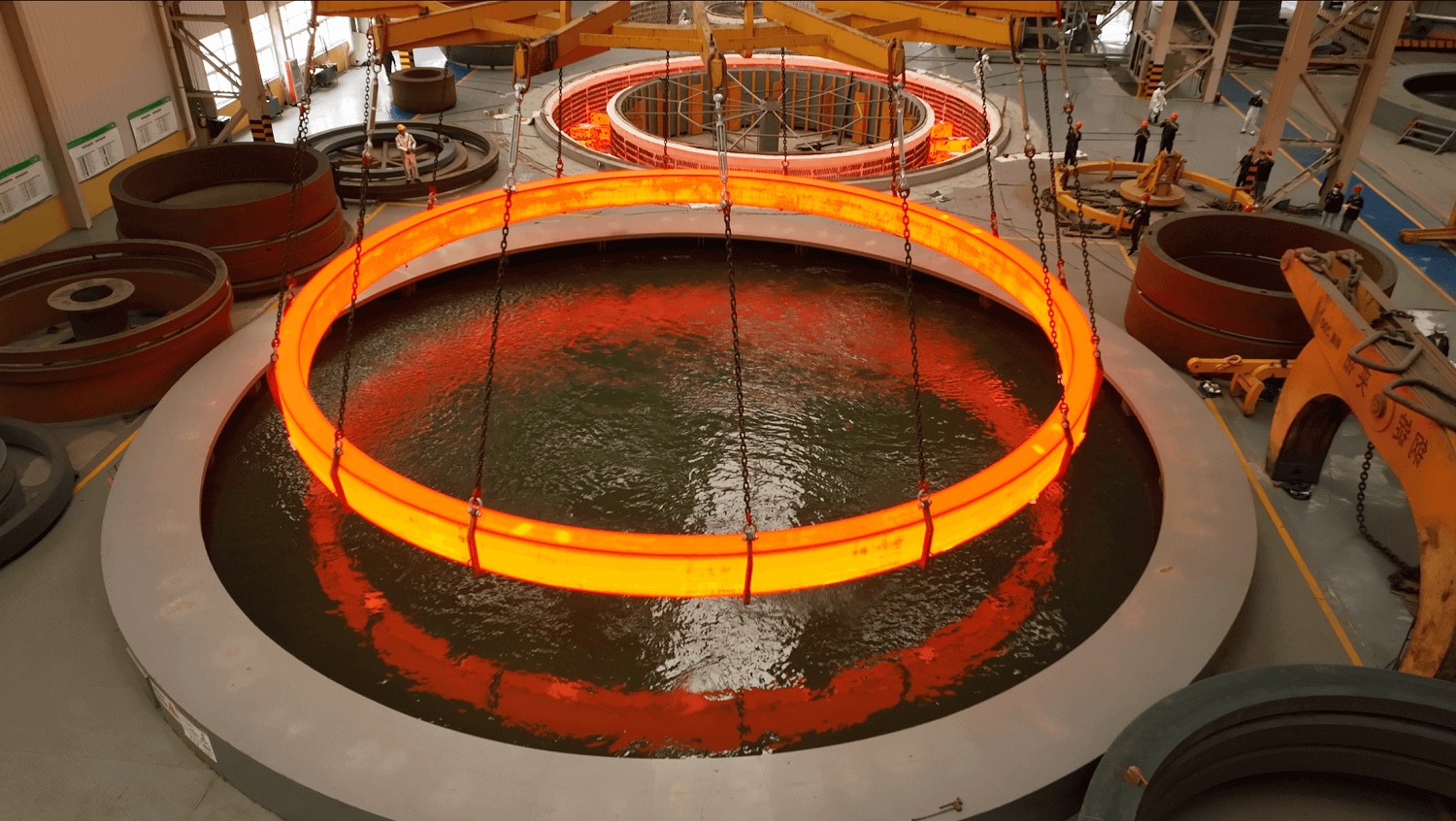
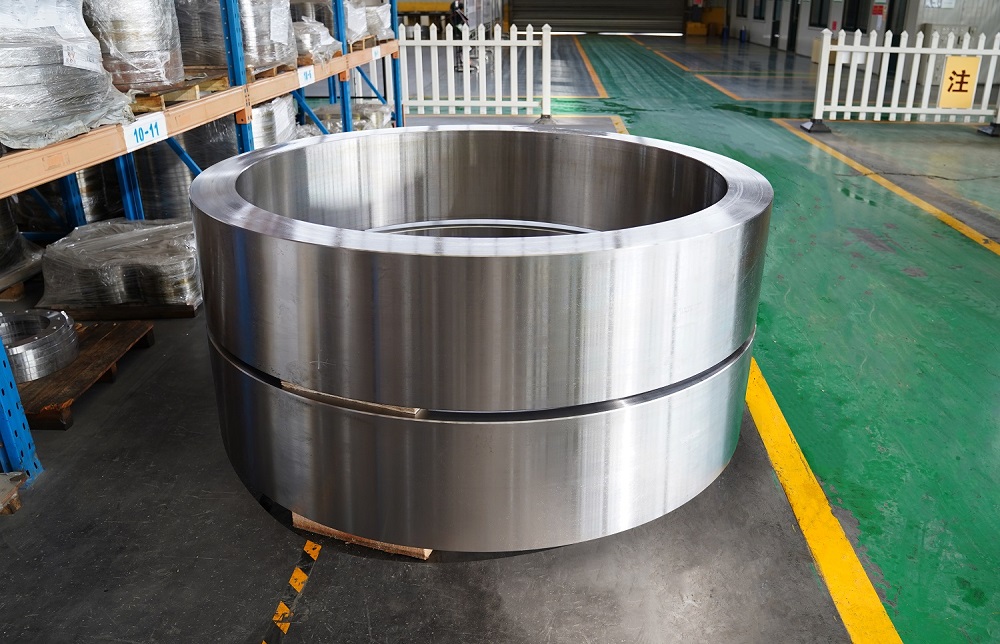
A forged ring for power generation can belong to a structural connection, a bearing-related assembly, a hydropower unit, or nuclear equipment. Wind-power flanges, generator rings, turbine-related rings, and reactor support rings share a circular form but occupy different positions within their respective machines.
The application identifies the equipment sector. The component name identifies the product. This distinction separates a tower flange from a pitch-bearing forging and a magnetic yoke ring from a turbine bottom ring.
Iraeta’s power-generation range includes products across wind, hydro, and nuclear equipment. The following categories describe that range without treating every circular forging as the same component.
Wind Power: Flanges and Bearing-Related Products
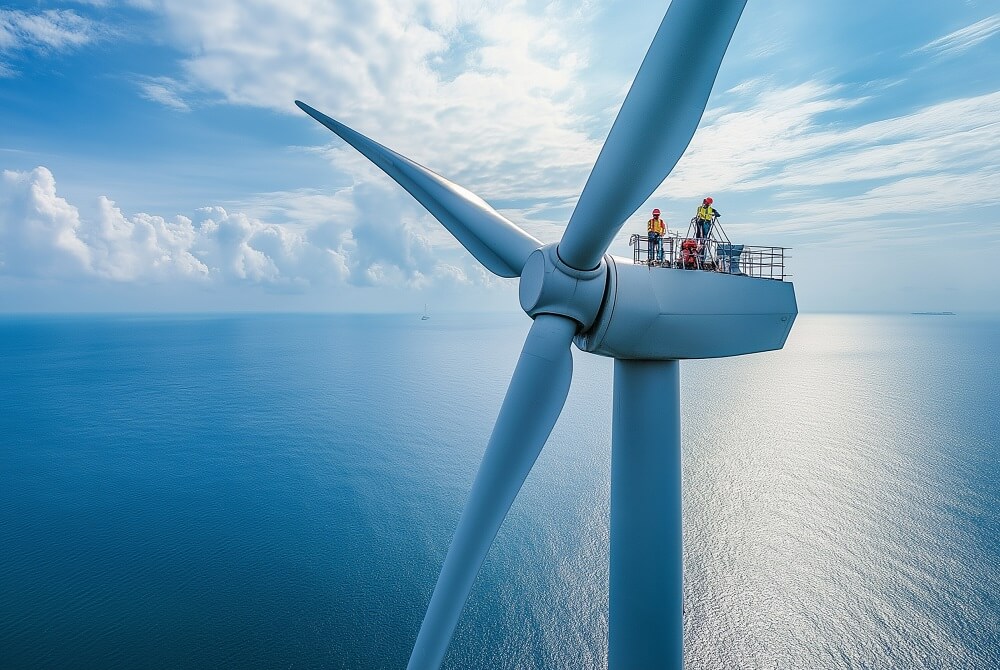
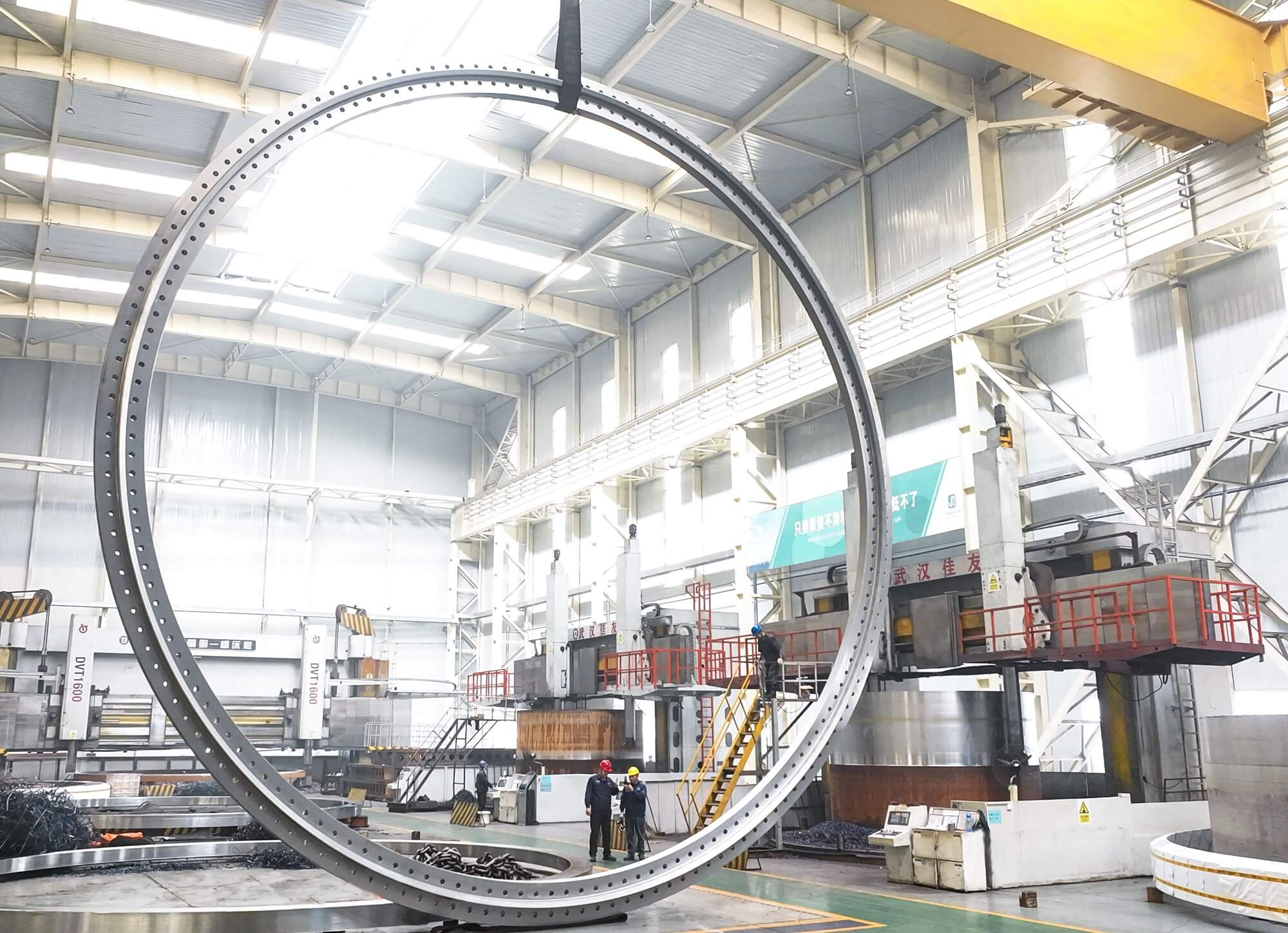
Wind-power equipment uses ring-shaped forgings in both structural and mechanical applications. The listed products include tower flanges, pile flange rings, yaw and pitch bearing forgings, and gearbox forgings.
Tower and Pile Flange Rings
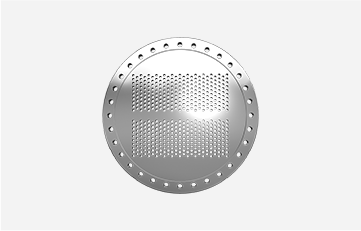
Tower flanges and pile flange rings belong to the structural connection category. Their component drawings define the circular section and the surfaces and features required for the relevant connection.
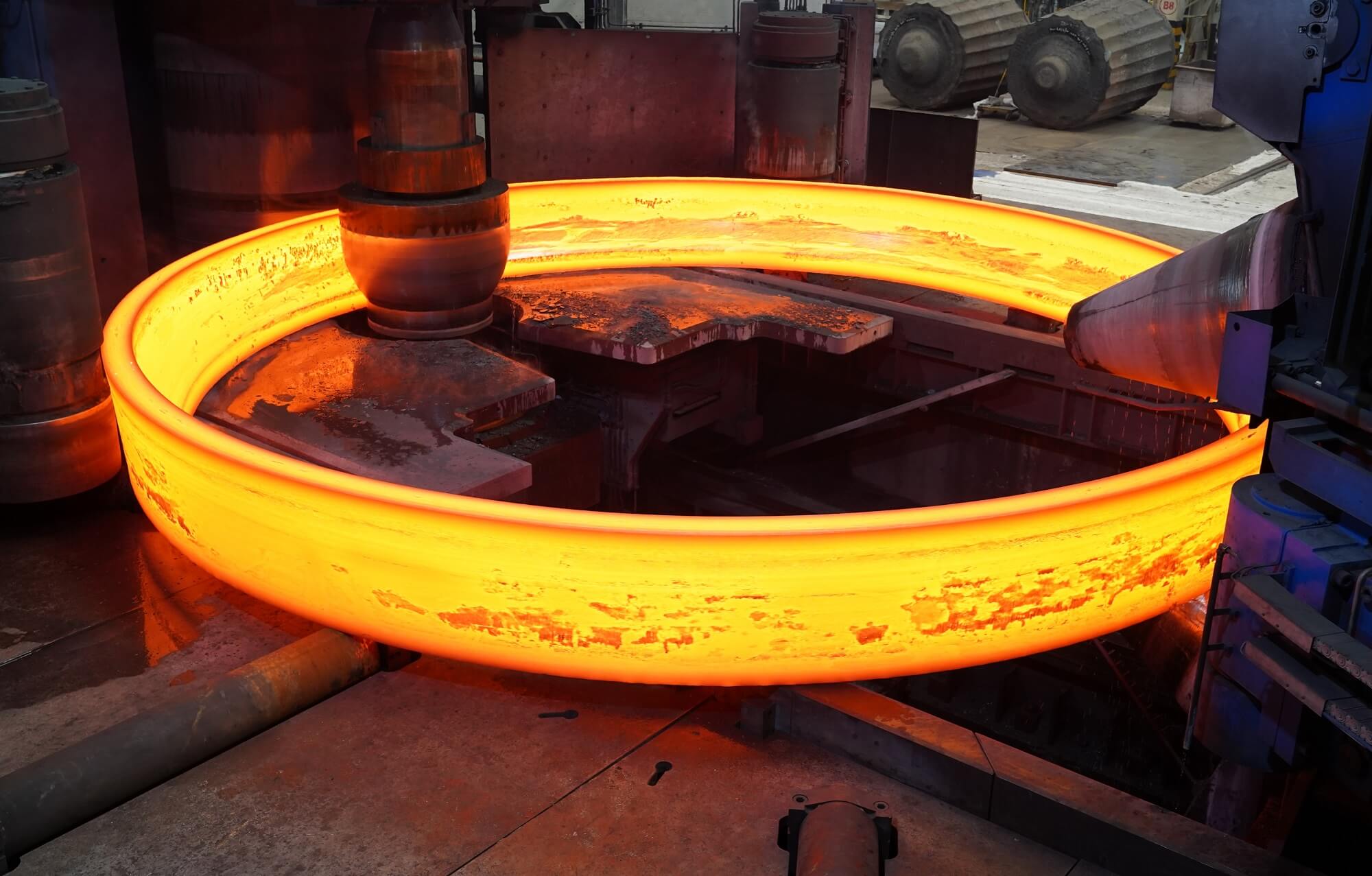
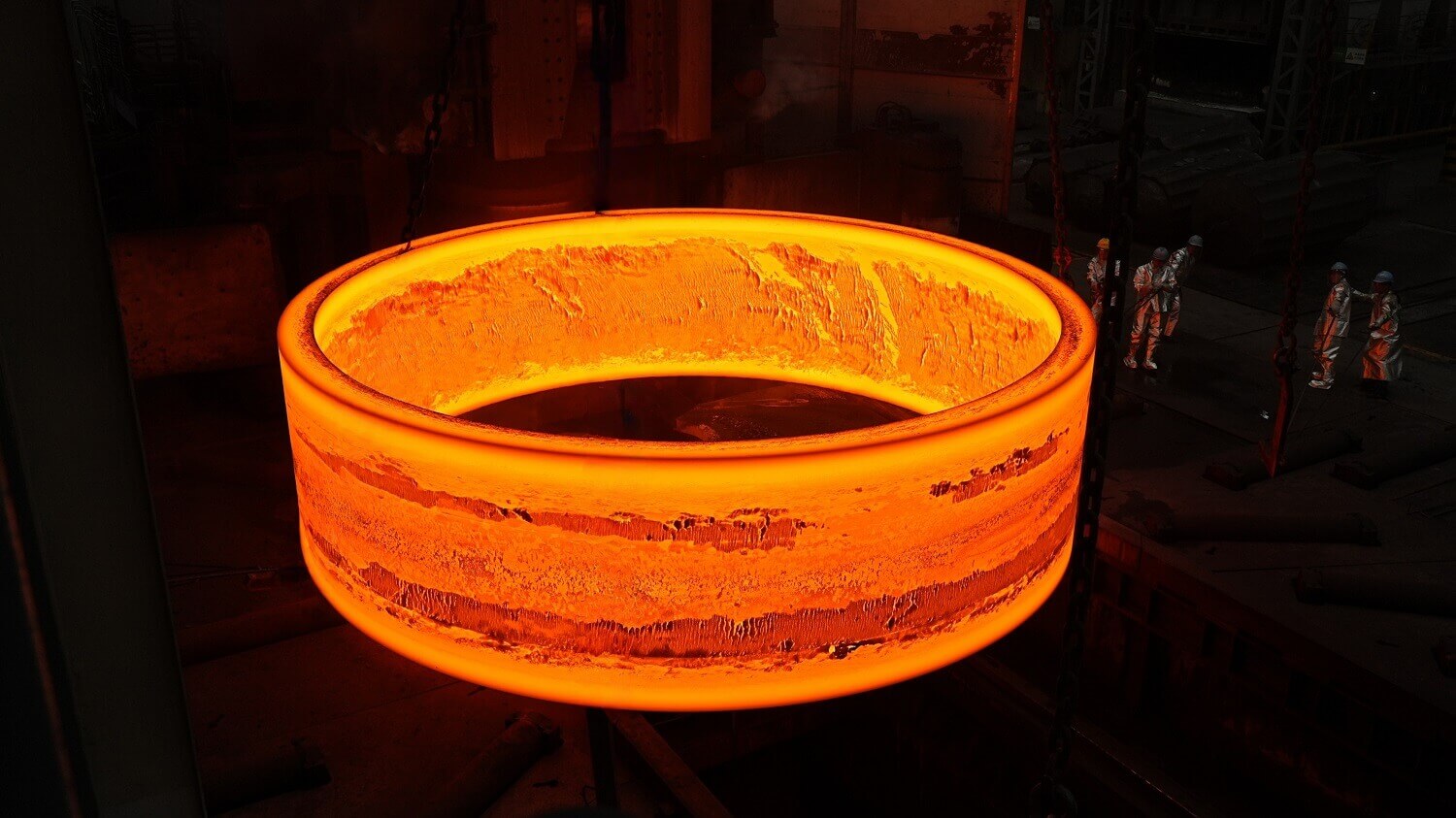
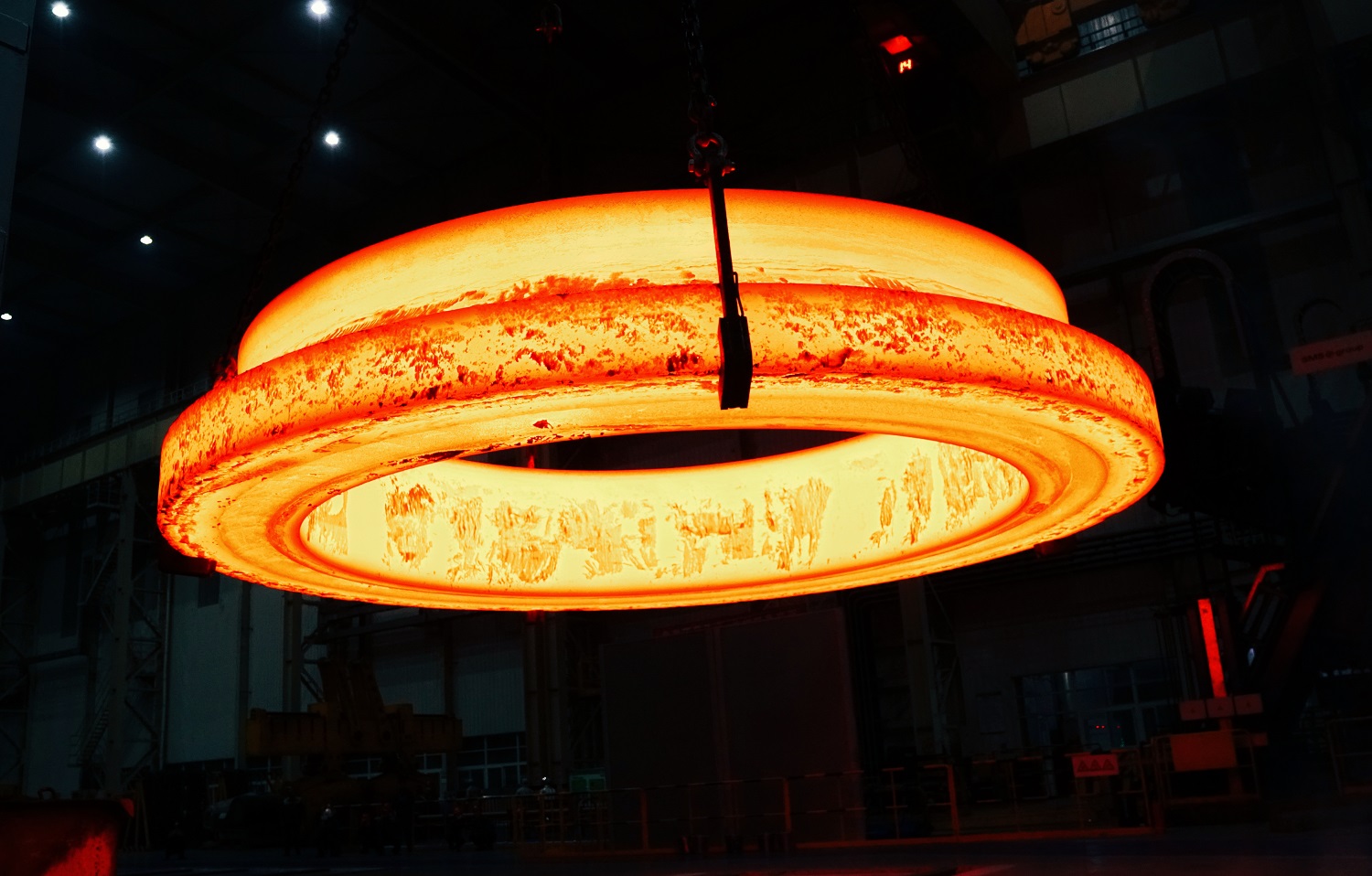
The ring forging and the completed flange represent different manufacturing stages. Forming establishes the section, while subsequent machining produces the specified geometry. This distinction remains useful when examining product information. A forging reference describes the manufactured ring at an identified stage; a finished flange includes the specified machining operations.
The wind-power flange and bearing-forging range includes tower and pile-related products. The product page lists a maximum delivered flange diameter of 12 m separately from a larger processing capability. Those figures describe different capability references. A delivered diameter records a manufacturing achievement, while a processing capability describes the broader production envelope subject to the component requirements.
Yaw and Pitch Bearing Forgings
Yaw and pitch bearing forgings are associated with the turbine’s bearing systems rather than its structural tower connections.
Their product description refers to the forging used within bearing manufacture. The component drawing establishes its ring section, material requirements, and processing condition.
A bearing forging is not the same product as a complete bearing assembly. Keeping these descriptions separate identifies which part of the manufacturing sequence is represented.
The wind-power range therefore includes at least two distinct ring-related groups: structural flange rings and bearing-related forgings. Their shared circular form does not give them the same geometry or processing requirements.
Components for Installation Equipment
The wider wind-energy range also includes slewing bearings, drive rings, and pile follower forgings for installation vessels.
These serve equipment used in wind-farm construction rather than the same positions as turbine tower flanges or yaw and pitch bearing forgings.
They extend the application range beyond the wind turbine itself. Product descriptions should preserve that difference so that installation-equipment components are not presented as turbine components.
Hydropower: Generator and Turbine Rings
The hydropower range includes magnetic yoke rings, stator rings, top-cover flanges, stay rings, and bottom rings. These names identify separate component forms within the equipment.
Generator-Related Rings
Magnetic yoke rings and stator rings belong to the generator-related range. Their individual drawings define the section, interfaces, and dimensions.
Magnetic yoke discs are another product category within the broader hydropower-forging range. A disc and a ring should retain their separate names in product descriptions, illustrations, and manufacturing references.
This distinction avoids transferring the geometry of one product to another. A reference to a large magnetic yoke disc does not, by itself, describe the manufacture of a magnetic yoke ring.
The component remains distinct from the complete generator assembly. Its drawing defines the part being manufactured, while the equipment reference establishes its location within the wider machine.
Turbine-Related Rings and Flanges
Stay rings and bottom rings form part of the turbine-related product range. Top-cover flanges are another listed hydropower category.
The hydropower ring-component range therefore covers different sections and interfaces rather than one standard ring design.
Overall diameter identifies the component envelope. Wall thickness, changes in profile, and specified features provide the additional geometry needed to describe the actual part.
These products remain associated with their respective drawings and technical requirements. The application name “hydropower” does not establish a common material or identical manufacturing route.
Other Large Hydropower Forgings
Runners, mirror plates, centre bodies, and magnetic yoke discs also appear within the broader hydropower range.
They are relevant equipment products, but they are not all forged rings. Product information is clearer when ring components appear alongside these forgings as separate categories rather than as an umbrella term covering every large circular part.
Nuclear Power: Support Rings and Integral Flanges
The nuclear-power range includes reactor vessel support rings and reactor inner bottom flanges, listed separately from pressure-vessel shells and head forgings.
Reactor Vessel Support Rings
A reactor vessel support ring is a defined component within nuclear equipment. Its application and geometry differ from those of wind-power flange rings and hydropower generator rings.
The component drawing establishes the section and interfaces. The applicable technical requirements establish the material and manufacturing conditions associated with the part.
The integral ring applications for nuclear equipment include this support-ring category alongside other product forms.
Reactor Inner Bottom Flanges
Reactor inner bottom flanges form another listed nuclear component category. Their flange geometry distinguishes them from support rings.
The two product names should not be combined into a single generic description. Similarly, neither should be treated as equivalent to a pressure-vessel shell or head forging.
A manufacturing reference for one nuclear component remains a reference for that component. It does not establish a universal material, forming route, or inspection requirement for the entire sector.
Comparing the Application Groups
| Application | Ring-related products | Principal distinction |
| Wind power | Tower and pile flange rings; yaw and pitch bearing forgings | Structural flange products and bearing-related forgings |
| Hydropower | Magnetic yoke rings, stator rings, top-cover flanges, stay rings, bottom rings | Generator-related and turbine-related components |
| Nuclear power | Reactor vessel support rings and reactor inner bottom flanges | Support-ring and flange component categories |
The comparison reflects the listed product ranges rather than a shared manufacturing specification.
Across the three sectors, the component designation provides more useful detail than the application label alone. It identifies the product form before its drawing, material, and processing requirements are examined.
Conclusion
A forged ring for power generation belongs to a specific equipment application and component category. Structural flanges, bearing forgings, hydropower rings, and nuclear support rings have different geometries and technical requirements despite their circular form.
Iraeta’s product and application pages provide routes to examine these categories individually. For an existing component or a design under development, discuss its manufacturing details with the technical team, using the equipment reference and drawing to examine the relevant ring form and processing requirements.


Recommended reading
Unlocking the Secrets of Forging: The Performance Code of Classic Processes
Must-Read for Ring Forging: Advantages and Applications of the Forge-Rolling Process
Open-Die Forging vs. Ring Rolling: Helping You Choose the Optimal Forging Process