




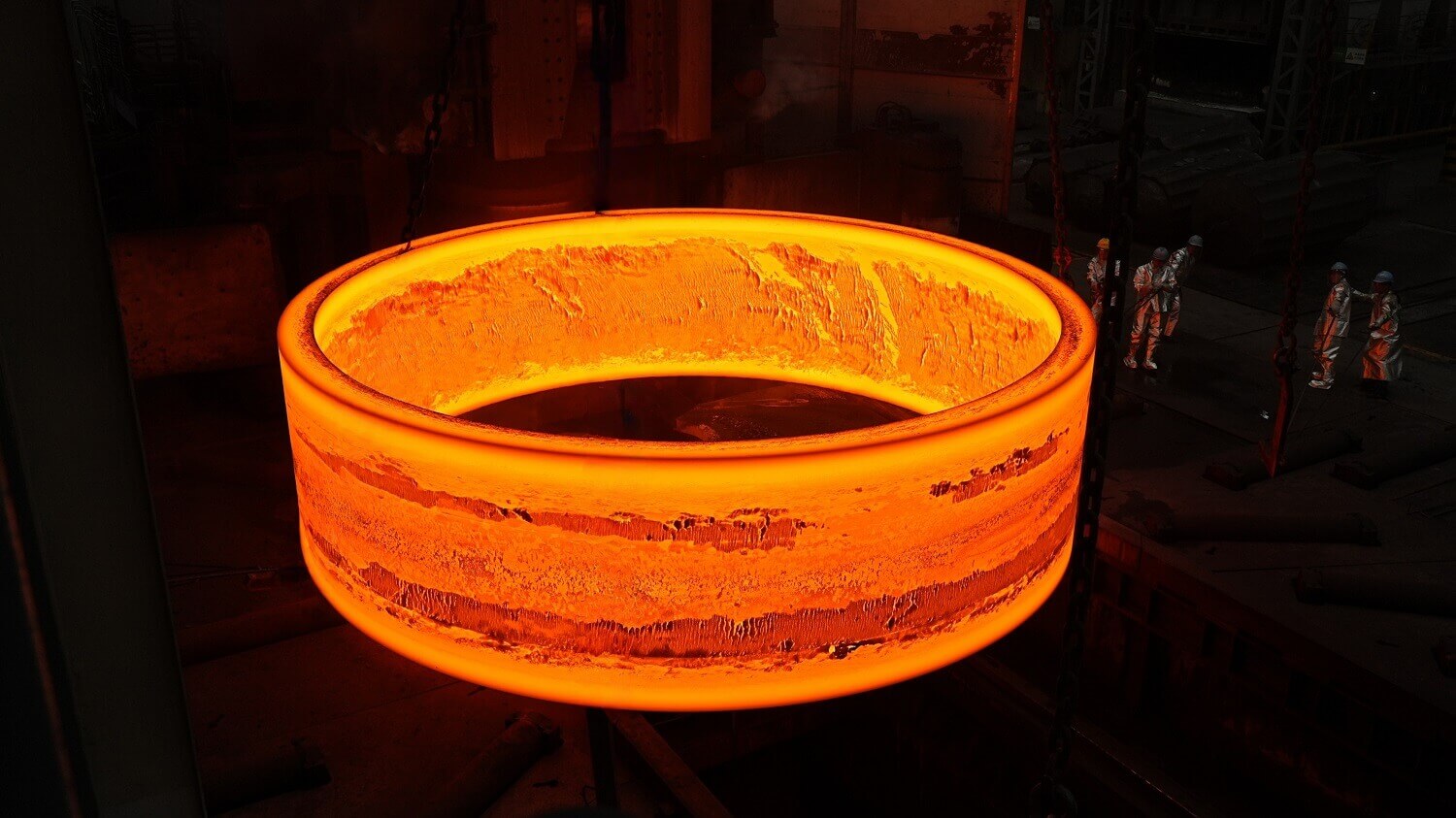
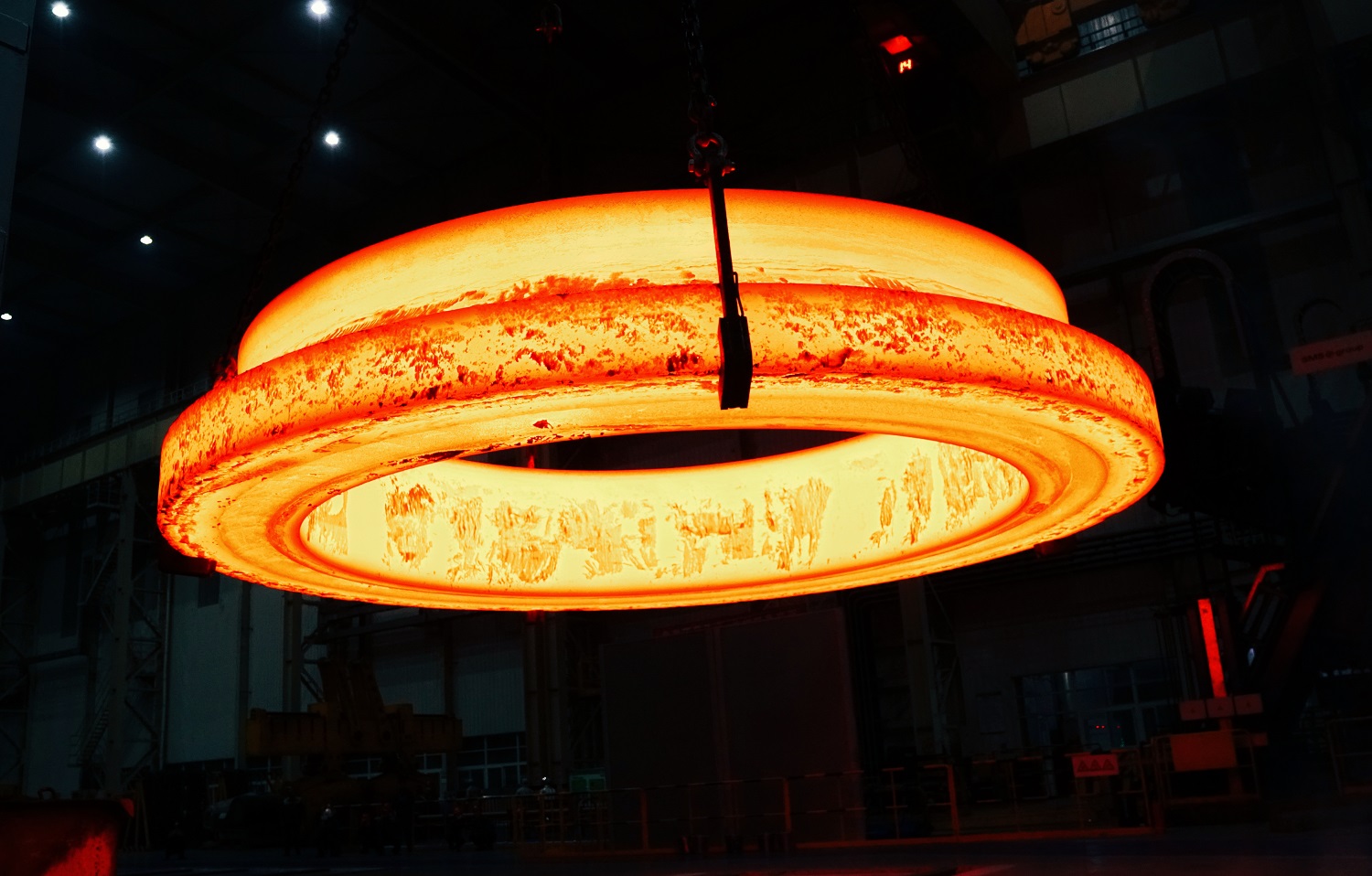













Alloy Steel Forged Ring for Power Generation: Material and Heat Treatment
An alloy steel forged ring for power generation requires more than a steel designation. Its material specification, heat-treatment condition, and required properties form a connected technical requirement. The grade identifies the steel; thermal processing establishes the material condition that is assessed during testing and used in subsequent manufacture.
Power-generation equipment includes wind-power flanges, hydropower generator rings, and turbine-related ring components. These products have different geometries and equipment positions. Their material requirements follow the individual component specification rather than a single formula for every ring used in the energy sector.
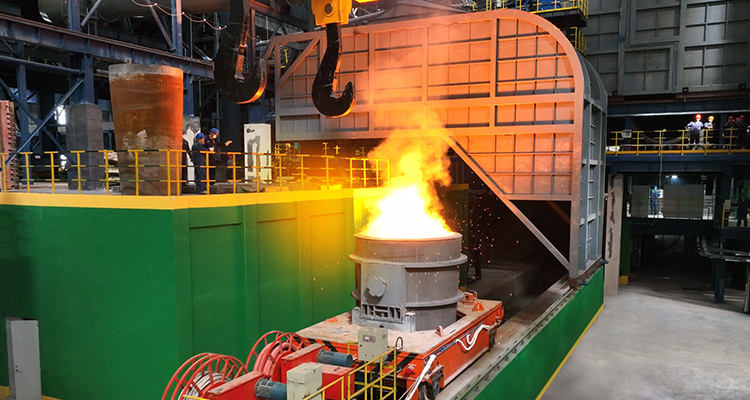
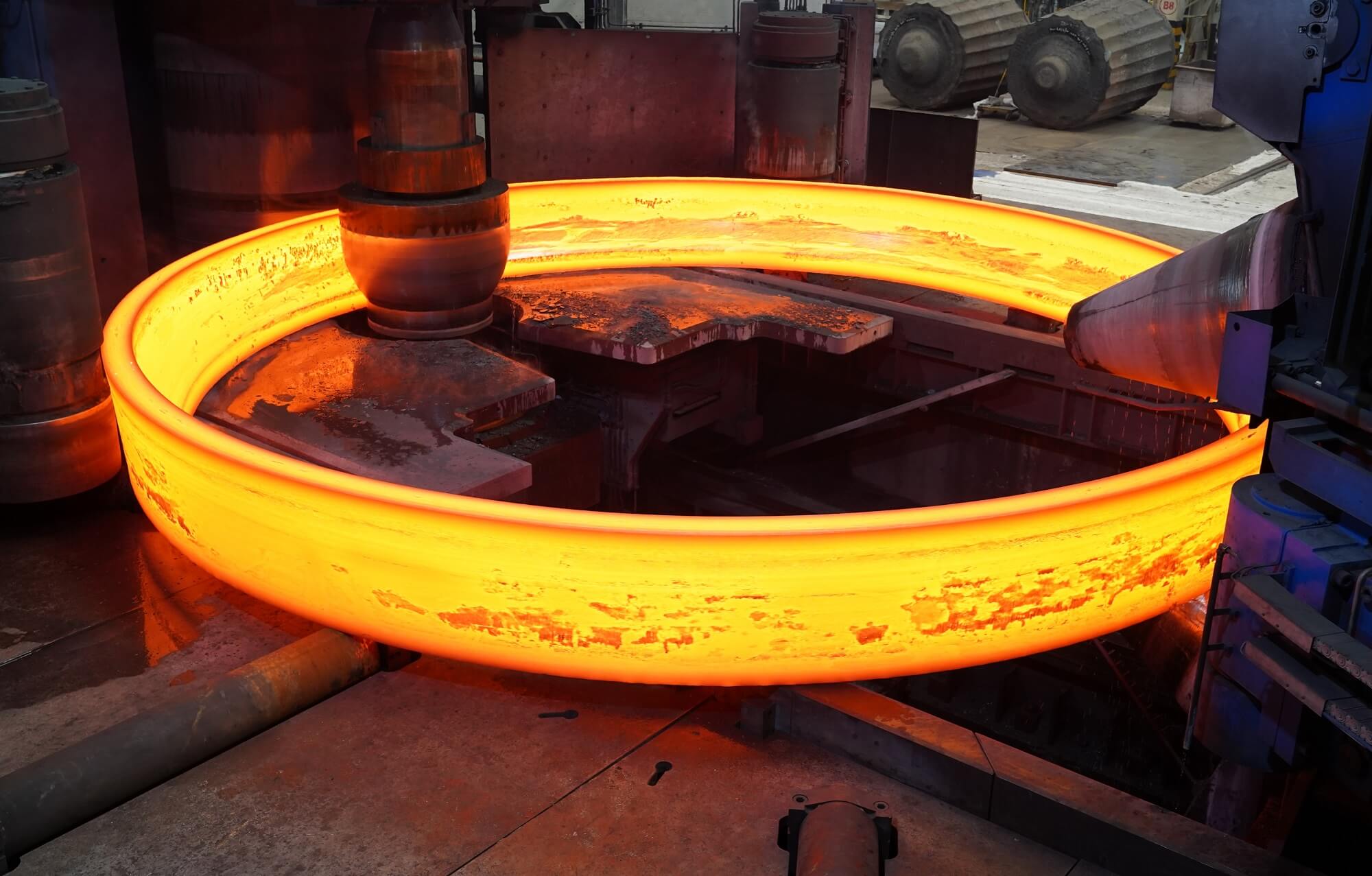
For a custom ring, the manufacturing route connects the specified steel with the condition required for machining, inspection, and further processing.
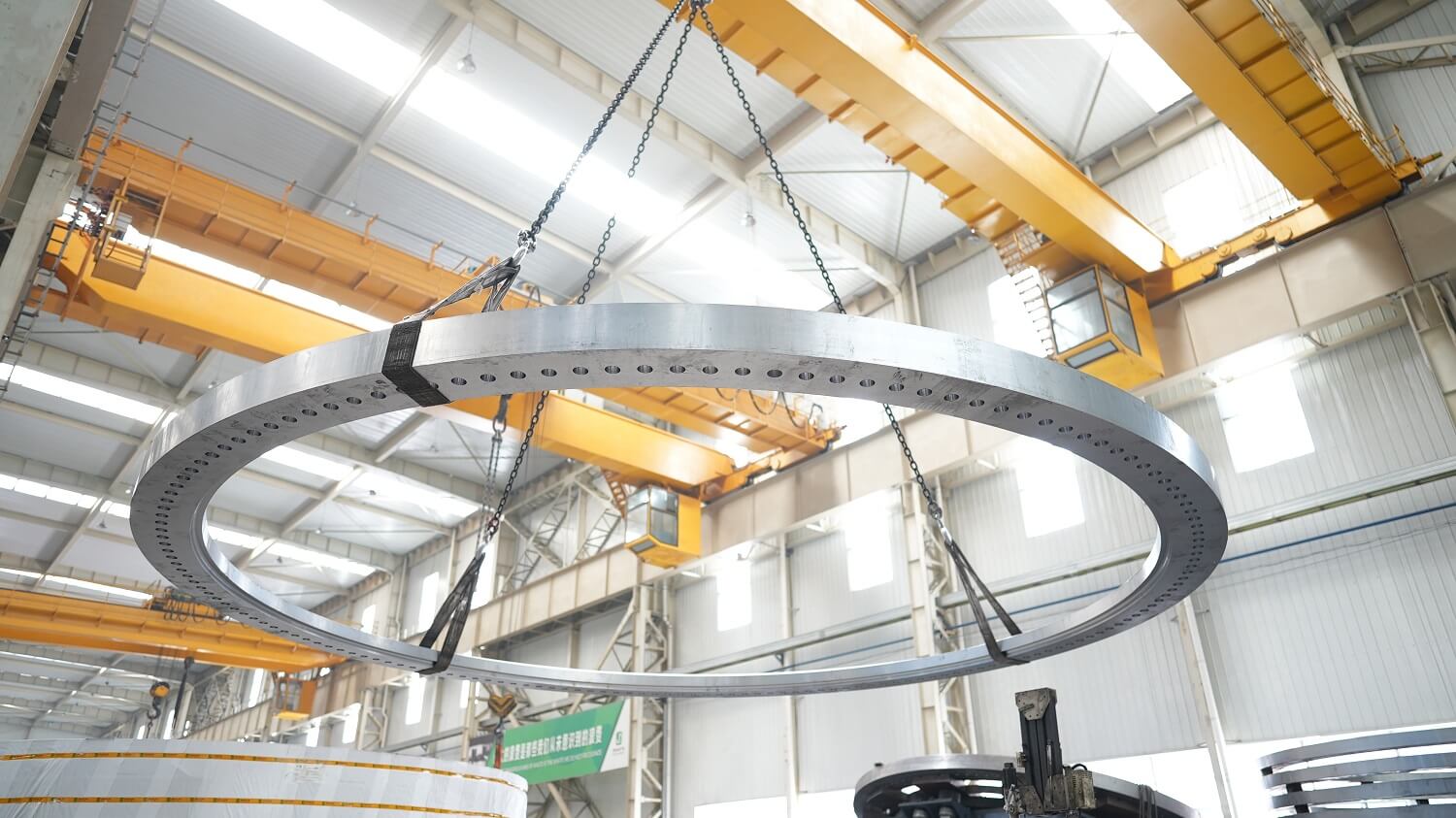
What Defines the Material Requirement?
“Alloy steel” is a material category, not a complete component specification. The defined grade, governing specification, required properties, and thermal condition establish the material basis for manufacture.
These details answer different questions. The grade identifies the steel. The specification establishes applicable requirements. The heat-treatment condition describes an essential part of its processing state. The required properties provide the basis for relevant material verification.
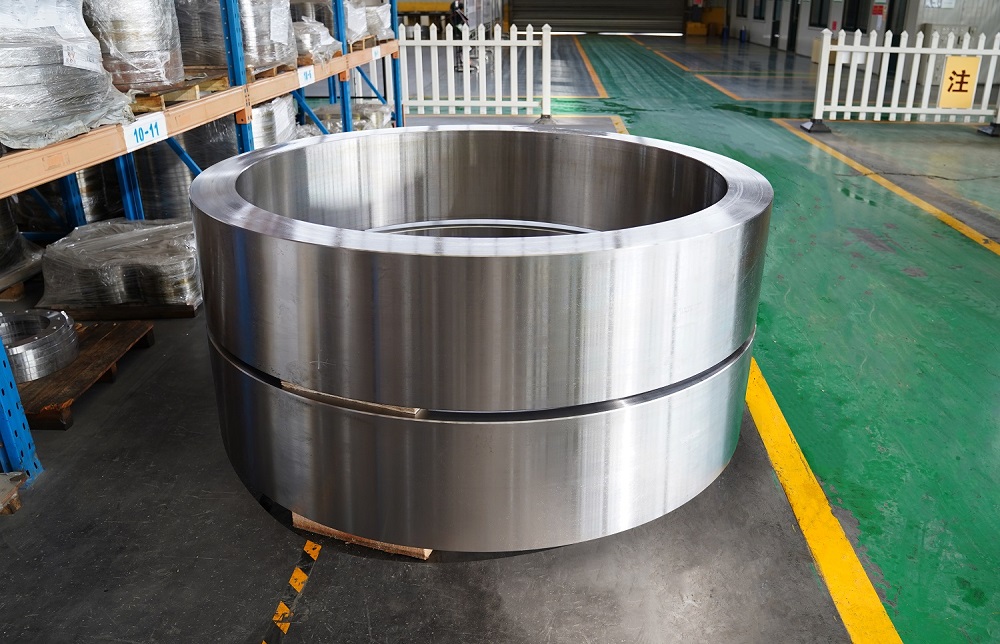
Iraeta’s custom ring forgings cover large ring components, while the technical requirements for each part establish the material and processing condition.
A complete material description also preserves the distinction between the steel and the finished component. A material designation does not define the ring section, machined features, or dimensional tolerances. Those remain part of the component drawing.
The relationship works in both directions: the drawing describes what must be manufactured, while the material specification establishes the steel requirements associated with that geometry.
Heat Treatment and Its Manufacturing Purpose
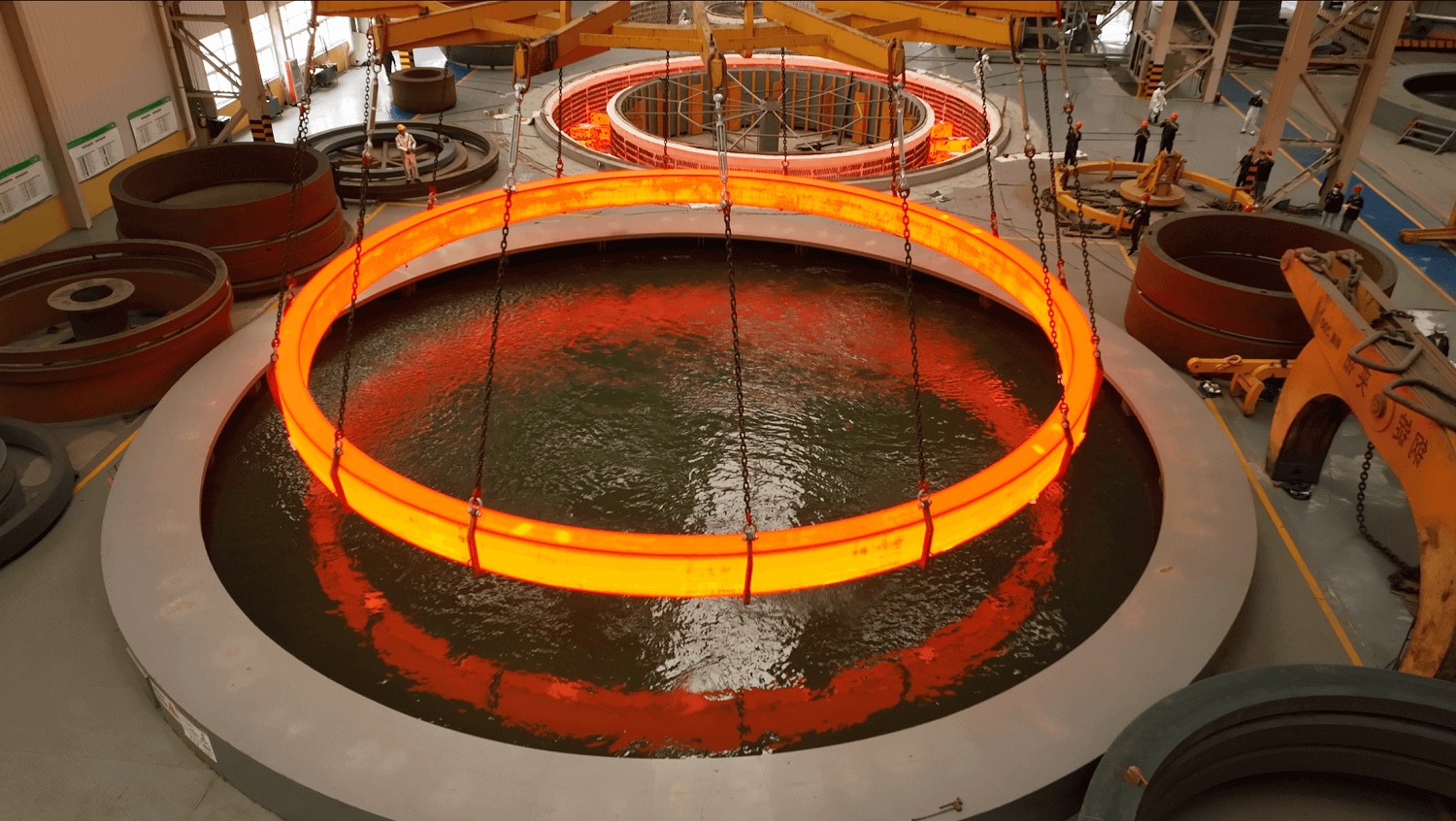
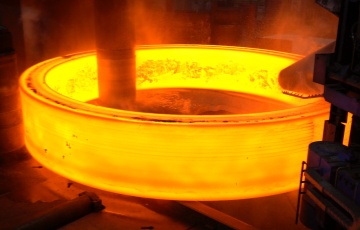
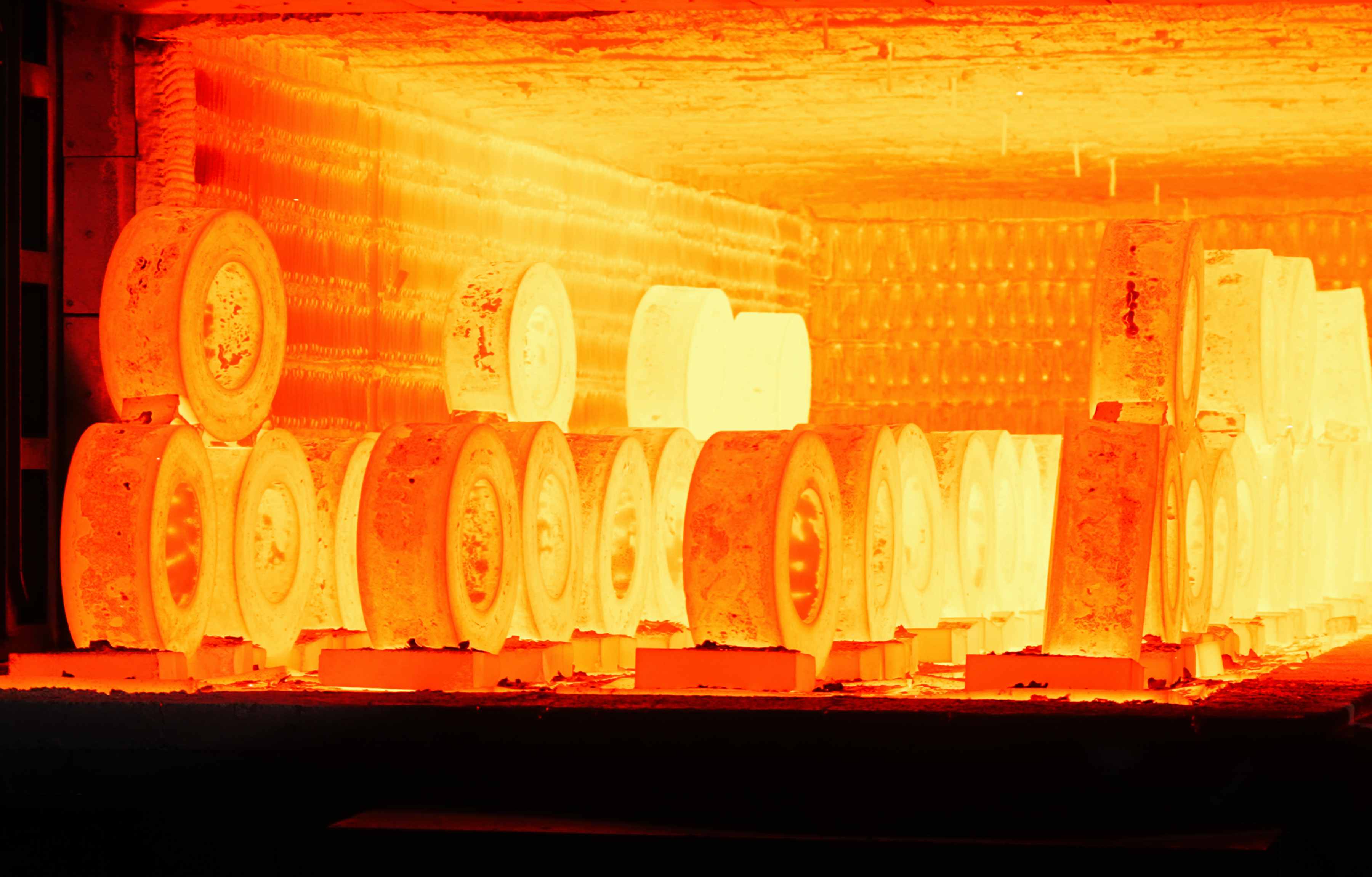
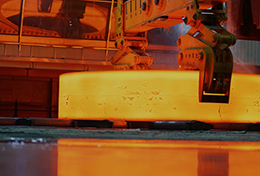
Heat treatment changes the steel’s microstructure through controlled heating, holding, and cooling. Normalizing, annealing, quenching and tempering, and stress-relieving annealing serve different purposes within manufacture.
The treatment name is therefore more informative when considered alongside its purpose and the required material condition.
| Treatment | Principal purpose described in the available technical information |
| Normalizing | Refining and homogenizing the structure |
| Annealing | Reducing hardness and improving machinability |
| Quenching and tempering | Developing the required balance of properties |
| Stress-relieving annealing | Addressing residual stress within the manufacturing route |
These treatment categories are included in Iraeta’s thermal-processing services. Their availability does not make them interchangeable; the component requirements establish which route is relevant.
Normalizing and Annealing
Normalizing and annealing are separate treatments with different manufacturing objectives. Normalizing can refine and homogenize the structure, while annealing can reduce hardness and improve machinability.
For a ring that undergoes further machining, the specified material condition forms part of the technical interface between thermal processing and machining. The manufacturing sequence identifies the required condition at the relevant stage.
The description should remain specific. “Heat-treated” indicates that thermal processing occurred, but it does not identify the treatment or explain the material condition represented by later examinations.
Quenching and Tempering
Quenching followed by tempering provides a route to the required combination of properties. The two operations form a coordinated treatment rather than independent labels for the steel.
For a ring specified in this condition, the material grade, treatment condition, and acceptance requirements belong together. A mechanical test result is assessed against this defined material state.
The treatment follows the component requirements. Its use cannot be established solely from a broad application description such as “power-generation ring.”
Stress-Relieving Annealing
Stress-relieving annealing has a different purpose from treatments primarily described in terms of hardness, machinability, or a required property combination.
Where specified, it forms part of the manufacturing sequence. Its relationship with other operations needs to remain identifiable in the process description rather than being grouped under a general statement that the ring has received heat treatment.
Material Condition During Machining
A forging blank, rough-machined ring, and finished component represent different stages of manufacture. Each description concerns the progress of the part, but it does not replace the material condition.
A rough-machined ring can be described by its completed surfaces, intermediate dimensions, and remaining allowances. Its thermal condition is a separate, related requirement.
The manufacturing route brings these descriptions together. It identifies the geometry required at a particular stage and the material condition associated with that stage.
This is especially relevant when subsequent machining takes place at another facility. The intermediate ring needs a clear technical definition so that the next operation begins from a known condition.
Through forging and engineering collaboration, component geometry and processing stages can be reviewed together. The resulting process description connects material preparation, thermal processing, and machining rather than treating them as unrelated services.
How Material Properties Are Verified
Material testing assesses the characteristics selected for verification under the applicable specification. Chemical analysis, mechanical testing, and metallographic examination supply different information.
Iraeta’s laboratory capabilities include spectral analysis, mechanical testing, and metallographic examination of metallic materials.
Chemical analysis addresses composition. Mechanical testing measures specified properties. Metallography examines the material structure. These examinations complement one another without becoming interchangeable evidence.
For mechanical testing, the material’s heat-treatment condition is particularly important context. A recorded value needs to identify the property measured and the requirements against which it is assessed.
The material-testing and inspection facilities support these examination categories. The required tests, methods, and limits remain component-specific.
A clear material record therefore connects four elements: the identified steel, the condition represented by testing, the examination method, and the result. This gives the data a defined technical meaning.
Coordinating the Material Route
Material, heat treatment, machining, and testing describe different aspects of the same component. Their coordination prevents a grade name, process label, or isolated result from being treated as a complete material definition.
For an alloy steel ring, the relevant manufacturing description identifies:
The specified steel and governing requirements.
The required thermal-processing condition.
The material condition associated with subsequent machining.
The properties selected for verification.
These details provide a concise technical basis without turning the article into a quotation checklist.
Conclusion
An alloy steel forged ring for power generation depends on a defined connection between the steel, heat treatment, and properties required for the component. Thermal processing establishes the material condition, machining advances the geometry, and testing verifies the specified characteristics.
Iraeta combines ring manufacturing with thermal processing and laboratory capabilities. Engineers can review the treatment routes and testing facilities or discuss material and heat-treatment details with the technical team, focusing on the specified steel, required condition, and verification needs of the individual design.


Recommended reading
Unlocking the Secrets of Forging: The Performance Code of Classic Processes
Must-Read for Ring Forging: Advantages and Applications of the Forge-Rolling Process
Open-Die Forging vs. Ring Rolling: Helping You Choose the Optimal Forging Process