











Heat-Treated Seamless Rolled Ring for Cement Kiln Equipment: Process and Quality Requirements
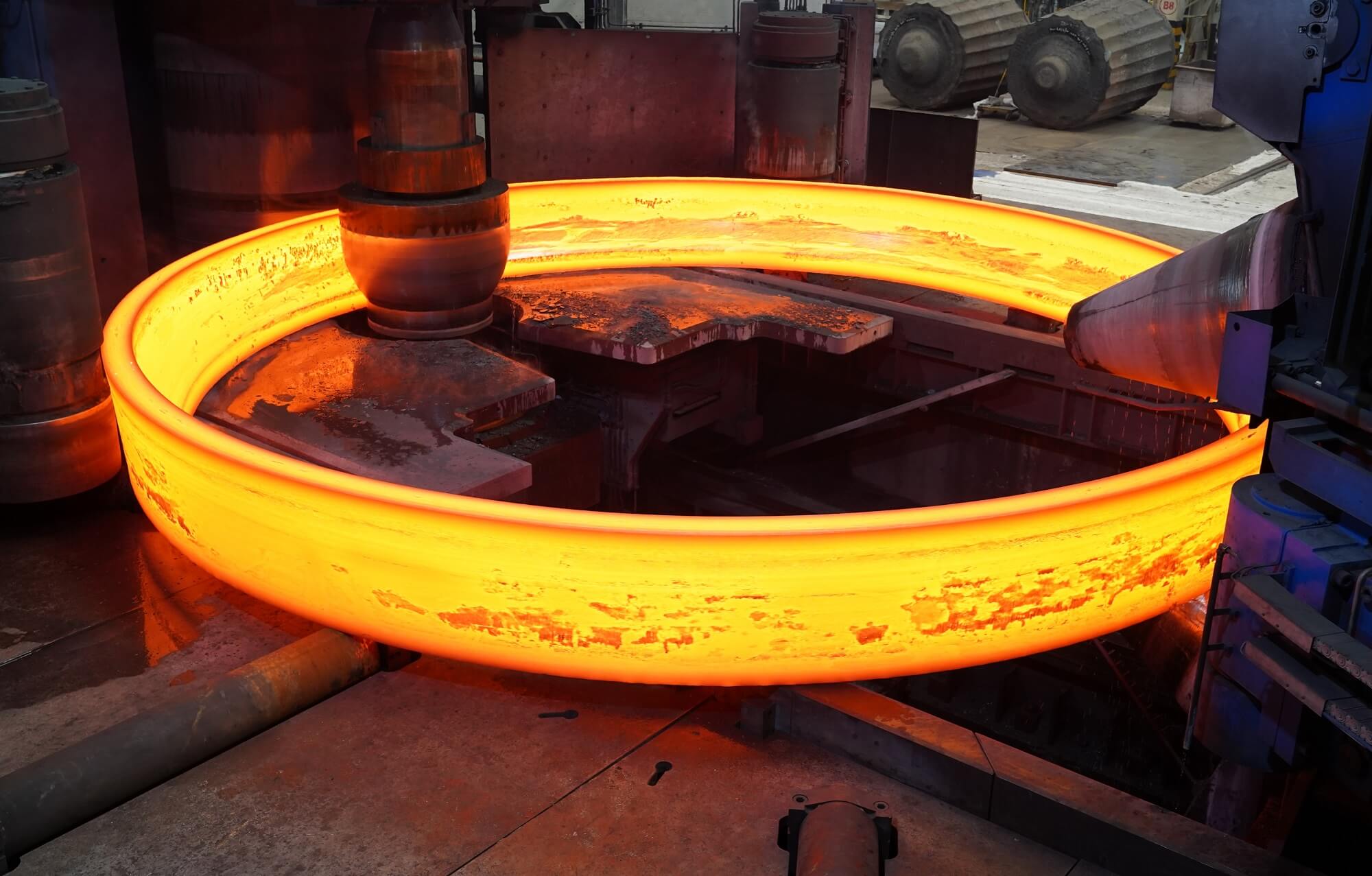
For a forged cement kiln tyre, heat treatment is specified to achieve the required material properties, including surface hardness uniformity and core toughness where required by the component specification. These properties depend on a coordinated manufacturing route: material preparation, forging, radial-axial ring rolling, heat treatment, machining, and verification. Heat treatment develops the specified material condition, but it does not replace the improvements in internal integrity achieved during forging and rolling.
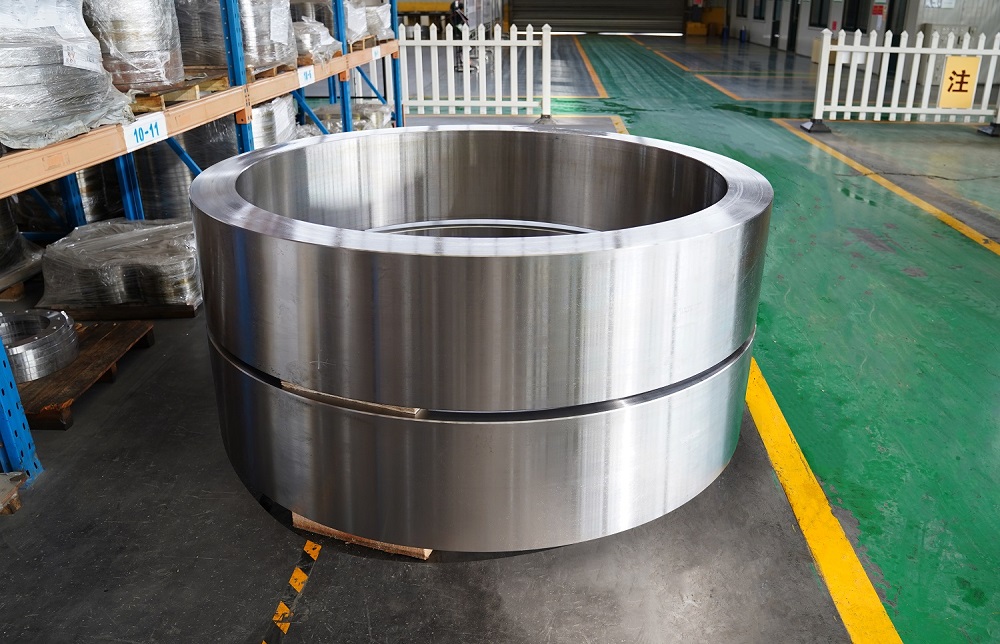
The kiln tyre, also called a riding ring, supports the kiln's weight, reinforces the radial stiffness of the shell, and enables rotation on the supporting rollers. Its quality therefore matters to the operation of the complete rotary system—not just to the condition of an individual surface.
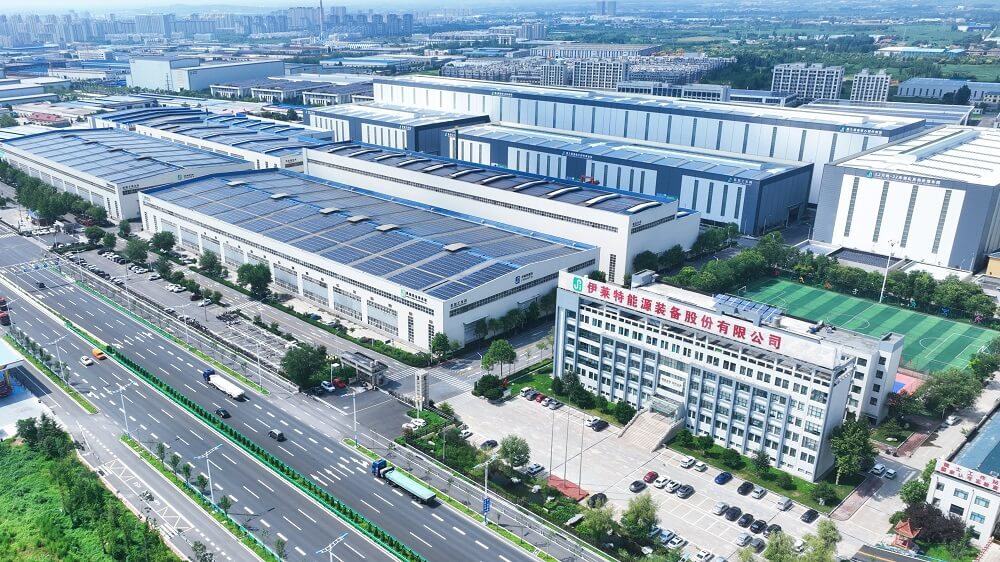
Iraeta manufactures forged kiln tyres for rotary kilns using a route that replaces conventional cast components with forged and rolled rings. The process addresses internal material quality before thermal processing, then verifies the component through non-destructive examination and mechanical testing after machining.
1.Surface Hardness and Core Toughness Are Joint Requirements
Large kiln rings present two connected material challenges: surface hardness must meet the specified uniformity requirements, while the core must retain the toughness required by the component specification. The manufacturer’s cement-ring project identifies both as demanding requirements for heat treatment of an exceptionally large section.
A single hardness result does not describe uniformity around the component. Likewise, a statement that a ring has been quenched and tempered identifies a processing condition without defining the complete acceptance requirements.
For an individual order, the design specification establishes the required properties, the locations at which they are assessed, and the applicable acceptance criteria. The manufacturing route then connects those requirements to the selected material and section.
Surface condition, internal integrity, and mechanical properties remain separate aspects of the same quality objective. They are considered together without treating one test or processing record as evidence for all three.
The public project information does not provide a universal hardness range, impact-energy requirement, or testing layout for cement kiln tyres. Those values belong to the particular component specification rather than to a generic product description.
2.Internal Quality Is Addressed Before Heat Treatment
The reason for combining forging, rolling, and heat treatment begins with the material inside the ring.
The kiln-tyre product information identifies casting-related concerns including porosity, shrinkage, inclusions, coarse grains, and segregation. These features can affect local material properties and integrity, with the consequences depending on the defect type, severity, and location.
Forging and rolling deform the material, help reduce internal porosity, and develop circumferential grain flow. Their contribution is different from that of the subsequent thermal treatment.
3.Large-Deformation Forging
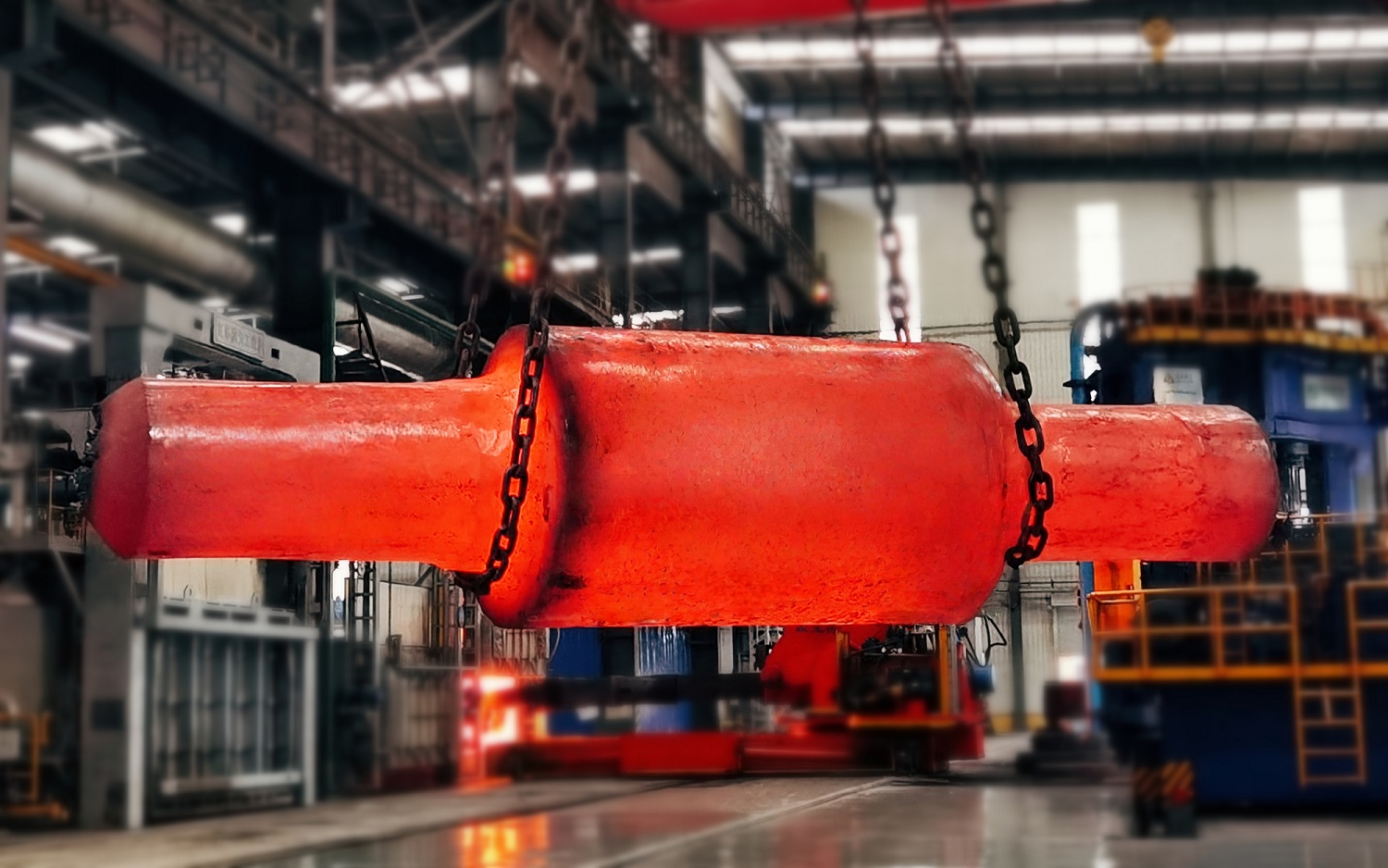
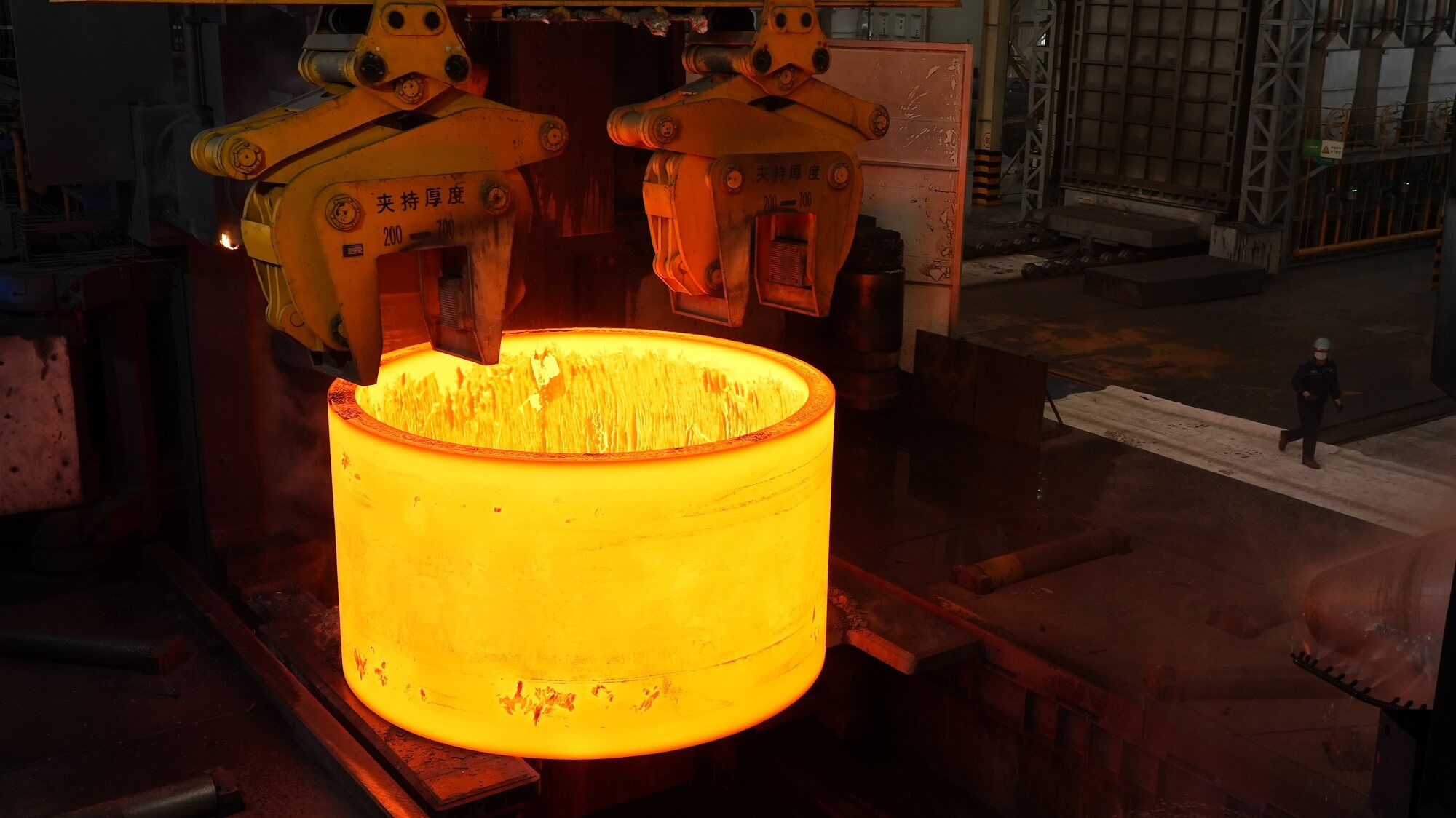
Multi-directional forging breaks down coarse cast grains and reduces internal porosity and looseness. In the documented large cement-ring route, a 13,500-ton press provides the large deformation used for this stage.
The relevant distinction is between changing the workpiece through substantial deformation and relying on thermal processing alone. The manufacturer’s route assigns a specific role to forging before ring rolling and heat treatment.
4.Radial-Axial Ring Rolling
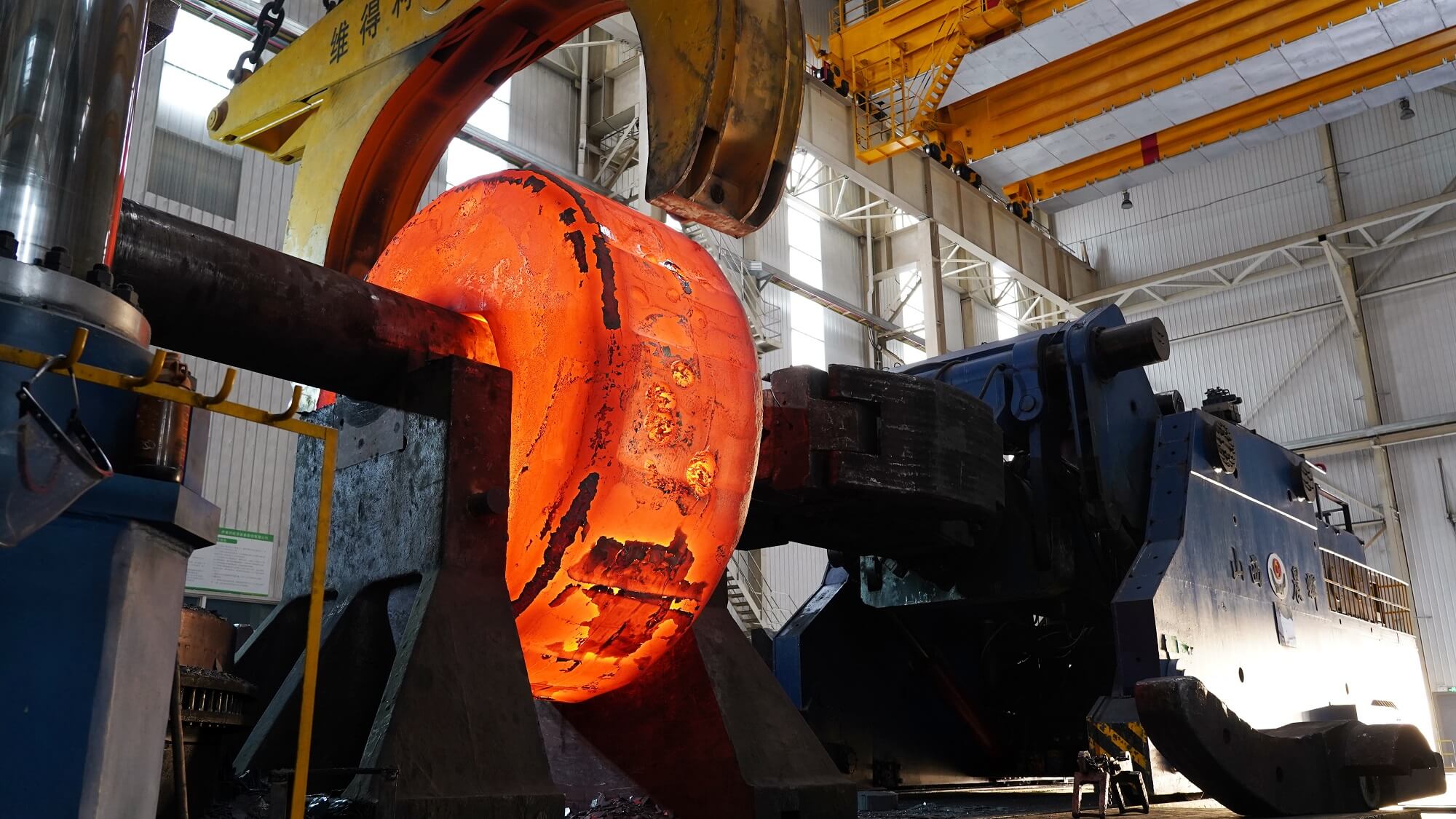
Ring rolling applies force in both radial and axial directions. The published process describes further improvement in internal soundness and mechanical properties, together with continuous flow lines following the circumference of the ring.
For the documented large-ring project, the equipment included a 16-metre ring-rolling machine. This is a project-specific equipment reference, not the diameter of the delivered component.
5.Thermal Processing
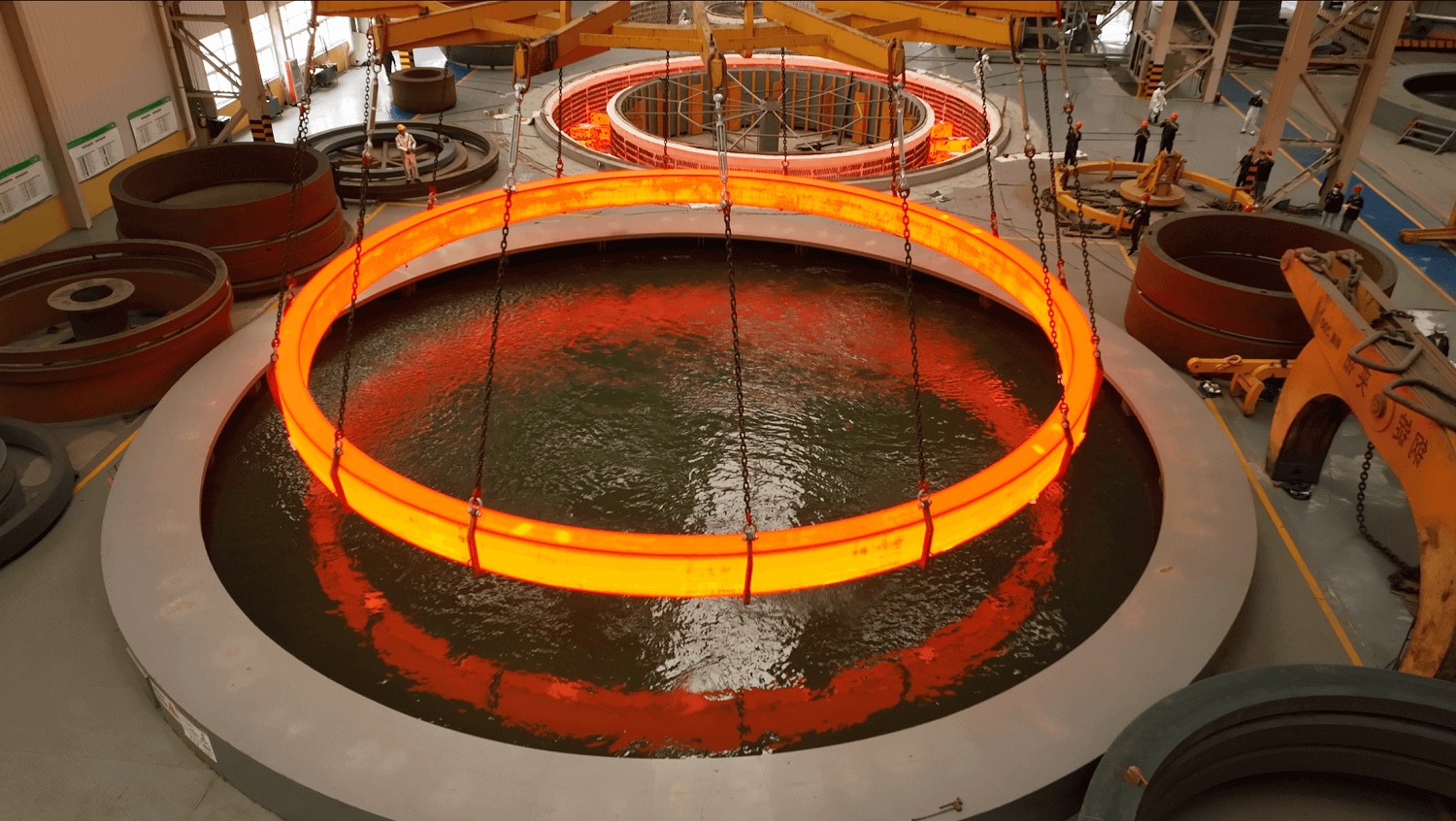
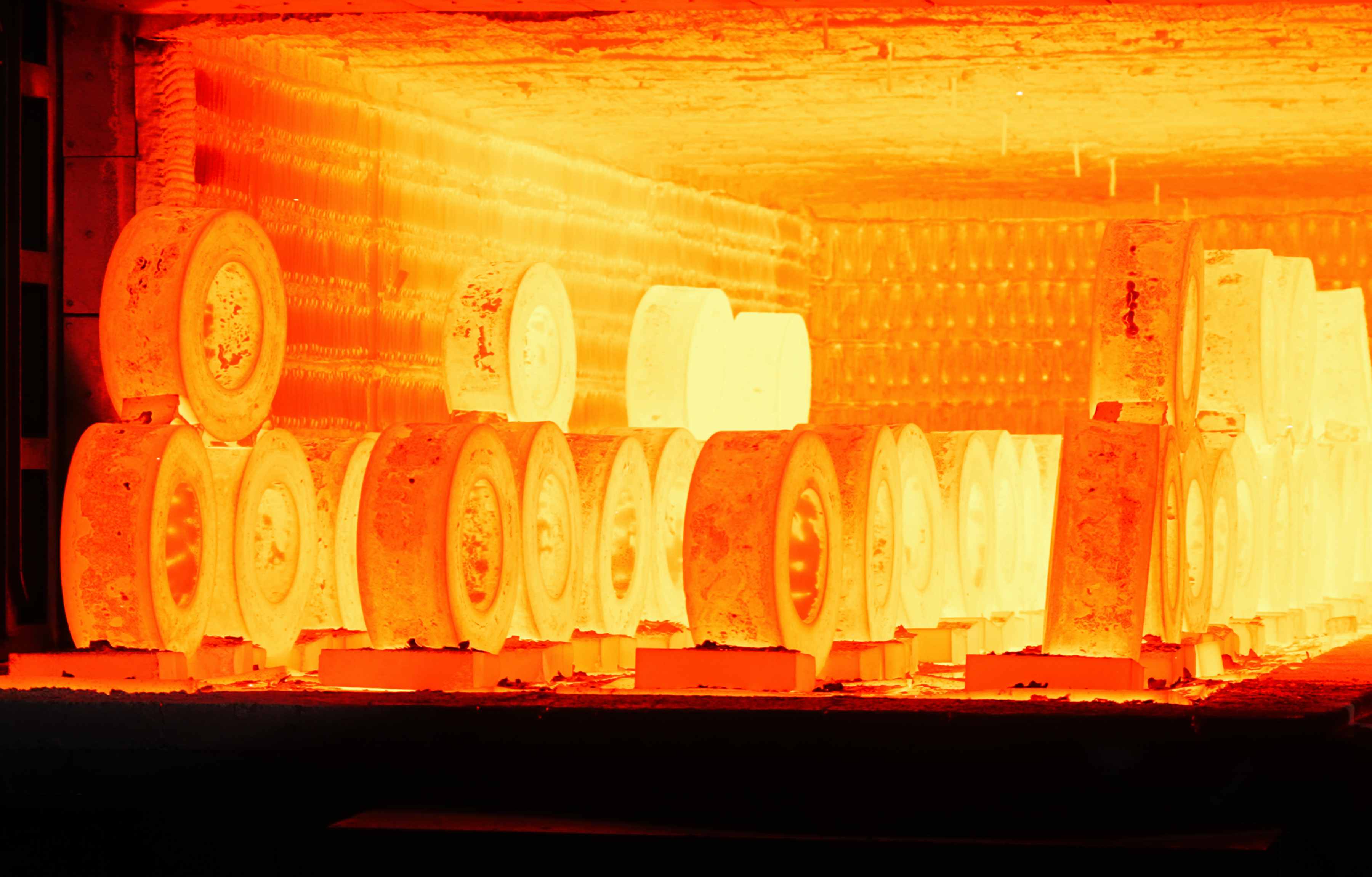
Heat treatment follows the forming stages to develop the required material properties. The company’s thermal-processing capabilities include normalizing, quenching and tempering, annealing, stress relief, and other treatments for different materials and applications.
The cement-ring case uses a particular combination of normalizing and quenching and tempering. That sequence illustrates the route for the documented project; it is not a prescription for every kiln ring.
6.The Documented Sequence: Normalizing, Rough Machining, Then Quenching and Tempering
The published large-ring process places normalizing before rough machining, followed by quenching and tempering. Subsequent machining and testing complete the route.
The sequence is:
Forging and rolling → normalizing → rough machining → quenching and tempering → subsequent machining → flaw detection and performance testing.
Normalizing is an initial heat-treatment stage in this documented route. Rough machining then establishes the intermediate geometry before quenching and tempering. The component is subsequently machined and verified.
| Process stage | Role in the documented route |
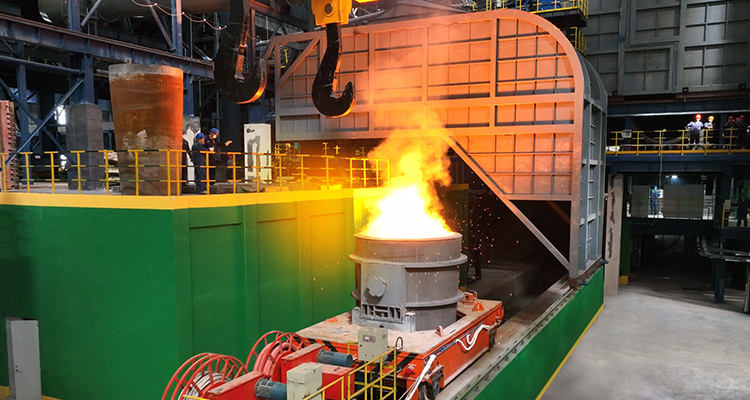
| Material preparation | Control alloy composition and steel cleanliness |
| Multi-directional forging | Break down coarse cast grains and reduce internal looseness |
| Radial-axial rolling | Form the integral ring and develop circumferential flow |
| Normalizing | Initial heat-treatment stage before rough machining and quenching and tempering |
| Rough machining | Establish the intermediate geometry before quenching and tempering |
| Quenching and tempering | Develop the specified material condition |
| Machining and verification | Complete the component and assess conformity |
The public case does not disclose furnace temperatures, holding times, quenching-medium details, or cooling parameters. Those process values cannot be reconstructed reliably from the ring diameter or the name of the treatment.
For procurement and quality teams, the useful reference is the approved manufacturing route and its connection to the required properties. The thermal-process description and the acceptance specification perform different functions: one defines the work, while the other defines the results that must be demonstrated.
7. A 7.6-Metre Cement Ring: The Manufacturing Challenge Behind the Dimensions
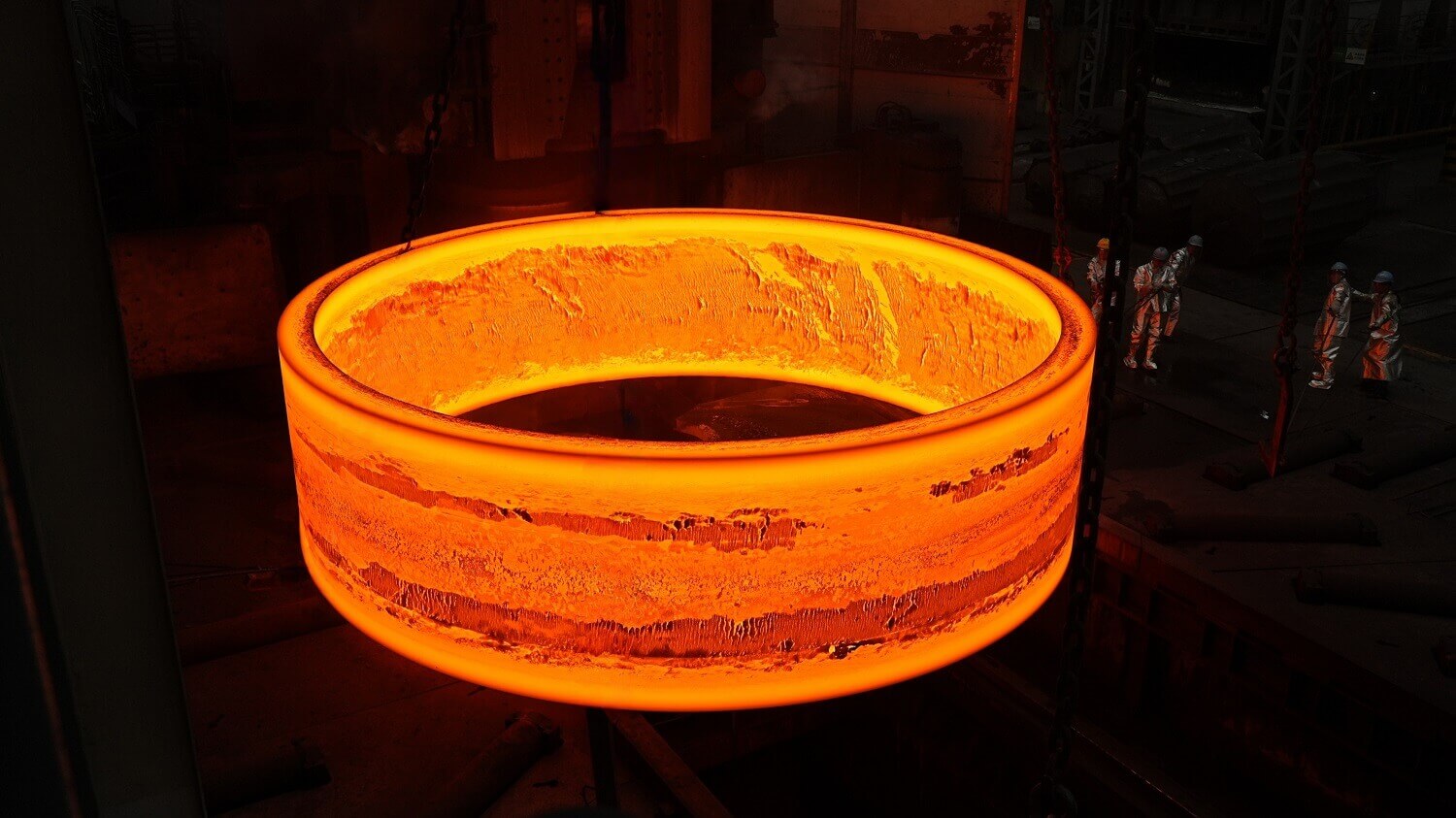
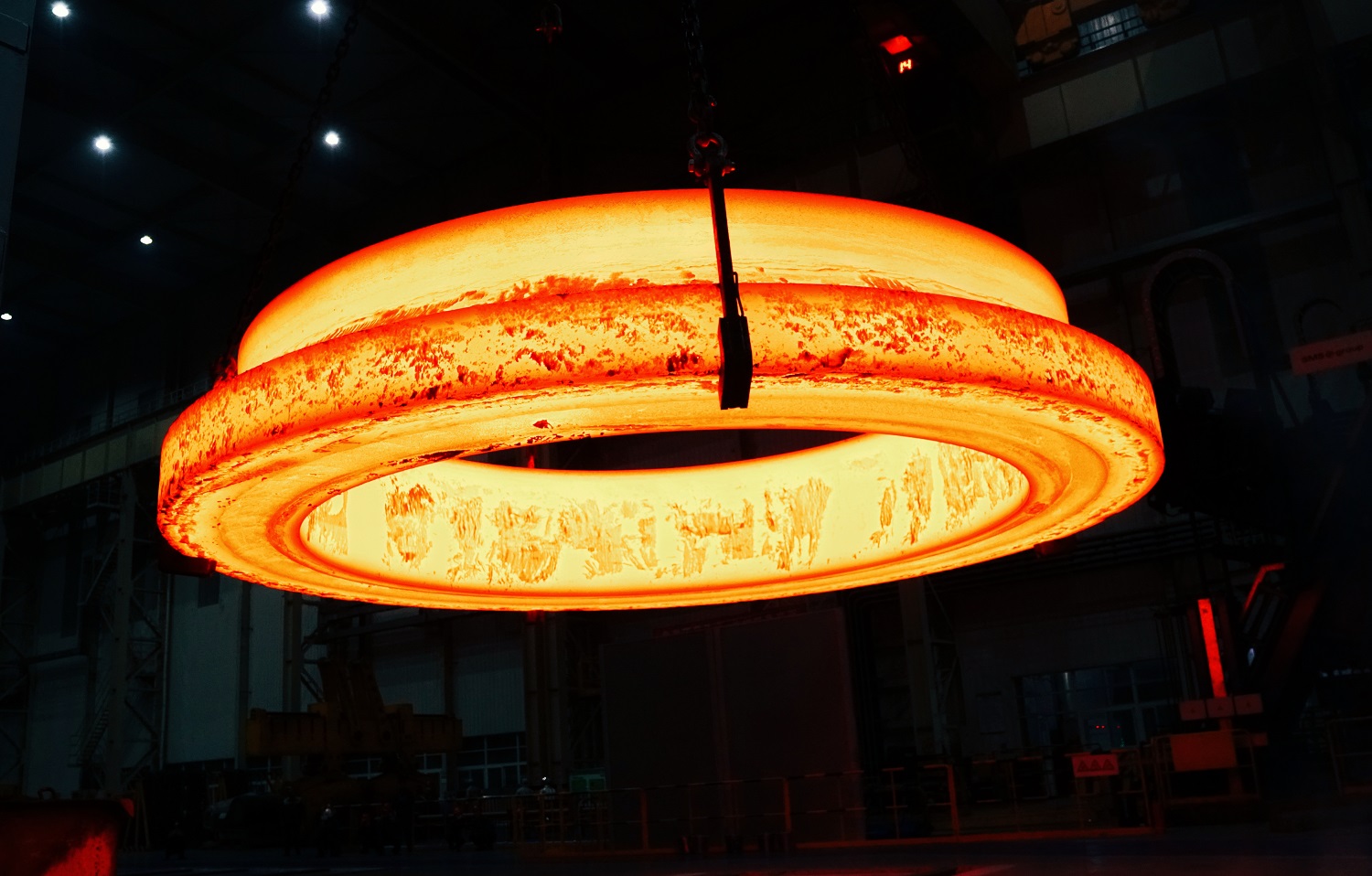
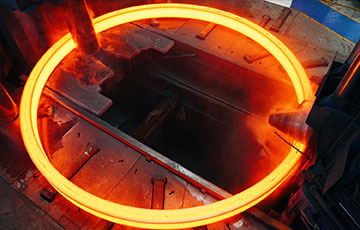
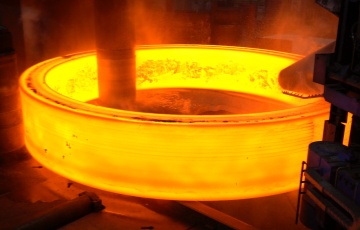
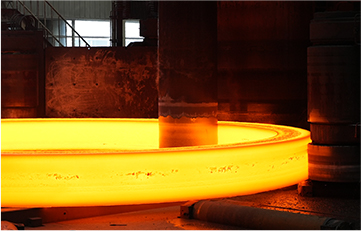
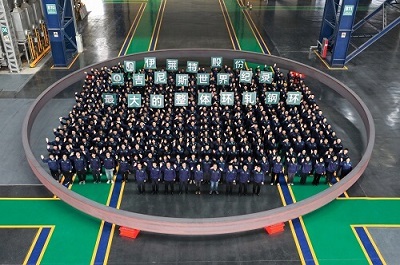
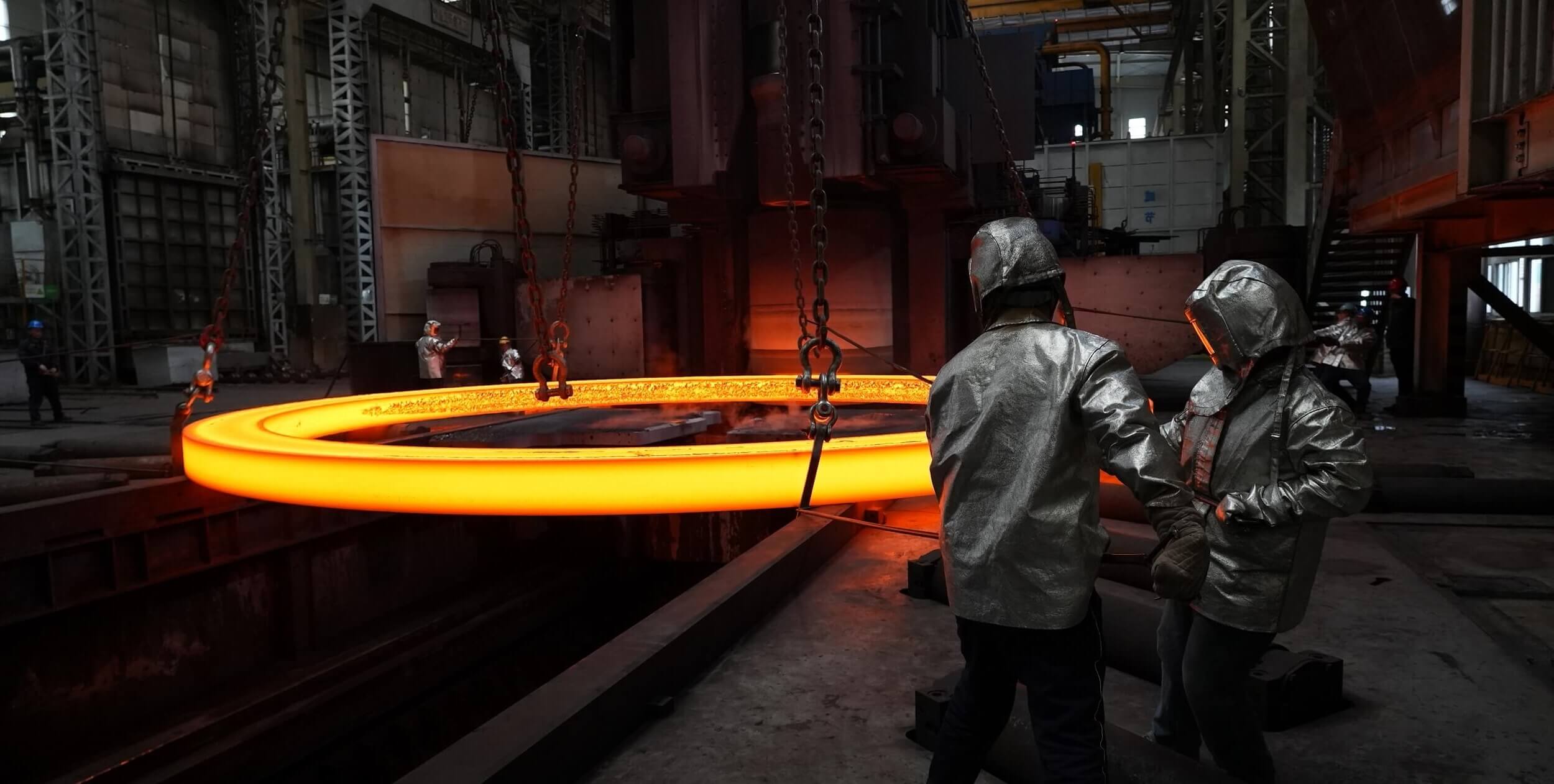
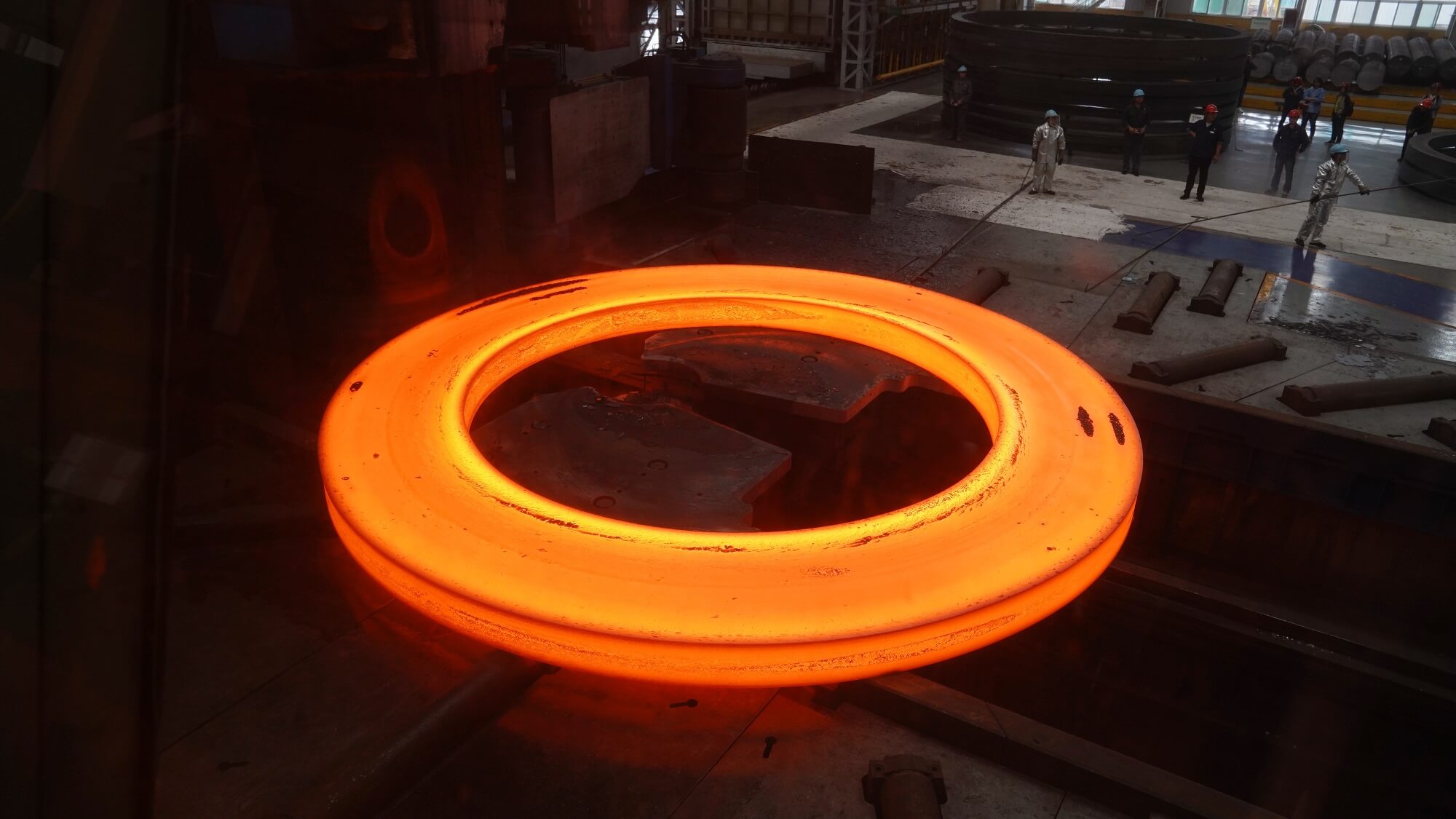
In 2019, Iraeta delivered a forged ring with a diameter of 7.6 metres and a height of 1.5 metres to ThyssenKrupp. The project description identifies a total billet weight of 170 tons and states that the ring entered service in a cement rotary kiln in Turkey.
The 170-ton figure refers to the billet, not the finished delivered weight. That distinction matters when comparing the project with product-page figures for finished kiln tyres.
The case describes two linked manufacturing difficulties:
First, the material volume was exceptionally large. The project account estimates that a conventional large-ingot route would have required an ingot exceeding 250 tons, bringing concerns about segregation, shrinkage cavities, inclusions, and the practical limits of conventional open-die forming.
Second, the finished ring required surface hardness uniformity and core toughness. Producing the geometry alone would not have satisfied that requirement.
The response combined material control, large-deformation forging, integrated rolling, near-net-shape forming, and the normalizing–rough-machining–quenching-and-tempering sequence. After machining, the ring underwent flaw detection and performance testing.
The 7.6-metre cement kiln ring project demonstrates a coordinated route rather than an isolated heat-treatment operation. Material preparation, deformation, thermal processing, and verification were developed around the same component.
The public account does not provide a measured service-life improvement, a numerical hardness map, or a quantified reduction in maintenance. Those outcomes should not be inferred from successful delivery or from the size of the ring.
8.Verification Extends Beyond a Heat-Treatment Record
A heat-treatment record establishes information about thermal processing. Acceptance of the kiln ring also involves the required material properties, internal examination, and finished geometry.
The published kiln-tyre route includes non-destructive testing and mechanical inspections after machining. The large-ring case similarly identifies flaw detection and performance testing as final verification activities.
For a new project, the inspection plan connects each quality requirement to its specified evidence.
| Quality concern | Manufacturing contribution | Acceptance detail to establish |
| Internal porosity and looseness | Large-deformation forging and ring rolling | Examination method, coverage, and acceptance criteria |
| Surface hardness uniformity | Material control and approved heat-treatment route | Required range, locations, and reporting |
| Core toughness | Specified material and thermal condition | Required properties and applicable test requirements |
| Finished dimensions | Machining to the approved drawing | Dimensions, tolerances, and inspection records |
| Processing conformity | Approved manufacturing and thermal route | Required records and review stages |
This table is a project-review framework, not a statement of standard tests automatically included with every ring.
The distinction between process evidence and product evidence remains important. A record confirming completion of an operation does not replace a required test result. Equally, one test result does not describe every characteristic of the component.
The agreed inspection package establishes which records accompany delivery and which activities require review before the manufacturing sequence continues.
9.Delivered Experience and Processing Limits Are Different Figures
The kiln-tyre product page lists a maximum delivered diameter of 8.6 metres, a maximum processable diameter of 21 metres, and a maximum delivered finished weight of 156 tons.
These figures describe different aspects of capability. A processable diameter is not the same as a delivered reference, and a maximum finished weight does not automatically belong to every diameter shown on the page.
The same page provides individual delivery examples, including an 8.6-metre tyre weighing 132 tons for a customer in Germany and an 8.3-metre tyre weighing 143 tons for a customer in Denmark.
Those references are useful when discussing comparable manufacturing scale. They do not establish that another ring with a similar outside diameter has the same section, material, heat-treatment demands, or inspection requirements.
For a proposed replacement or new installation, the relevant comparison follows the complete component: diameter, section dimensions, material, required properties, machining condition, and acceptance requirements. The closest dimensional reference supports that review but does not replace it.
10.A Manufacturing Discussion Centered on the Kiln Ring
The specification for a heat-treated seamless rolled ring for cement kiln equipment brings together structural integrity, thermal condition, and finished geometry. Forging and rolling address the annular workpiece; heat treatment develops the required properties; machining and inspection establish the delivered condition.
A new kiln project and a replacement tyre may begin at different stages, but both need agreement on the component drawing, material requirements, property targets, and verification scope.
For an upcoming installation or replacement programme, speak with Iraeta about the kiln tyre and its operating requirements. An existing drawing and acceptance specification provide a practical basis for reviewing the forged-ring route and the evidence required before delivery.


Recommended reading
Unlocking the Secrets of Forging: The Performance Code of Classic Processes
Must-Read for Ring Forging: Advantages and Applications of the Forge-Rolling Process
Open-Die Forging vs. Ring Rolling: Helping You Choose the Optimal Forging Process