





















How to Compare Quotes From a Forged Flange Supplier in China
Compare a quote from a forged flange supplier in China against the work and delivery obligations included in the price. Use the same drawing revision, material specification, machining condition, inspection requirements, and delivery terms for every offer. List exclusions separately before comparing totals.
At Iraeta, we supply large-diameter structural flanges for wind power projects. When alternative supply conditions are under consideration, send the required options with your inquiry. Ask us to price them separately and identify the machining, examination, documentation, and delivery obligations included in each offer.

Compare Flange Quotes Against the Same Purchase Scope
Our wind power flange supply includes tower flanges and pile flange rings. For these components, the purchase requirement combines the flange drawing with its specified material condition, completed features, and project quantity.
Before circulating an RFQ, fix the document set that each quotation will reference. Include the final drawing and revision, the supply drawing if different, and the applicable technical specifications. Where the same part is required in more than one condition, identify each option as a separate quotation item.
For example, an inquiry may request a flange with finished connection faces but leave drilling open for comparison. Issue one option with drilling included and one without. Keep the material, face machining, quantity, and inspection requirements unchanged unless a difference is expressly requested.
Use a comparison sheet with separate columns for the requested requirement and each supplier’s response. Record “included,” “excluded,” or the actual proposed condition. An unanswered field remains open; it should not be treated as included in the price.
| Comparison field | Baseline for all offers |
| Component | Part number, drawing number, and revision |
| Quantity | Total pieces and any required batch quantities |
| Material | Grade, governing specification, revision, and required condition |
| Geometry at shipment | Supply drawing and completed features |
| Inspection | Methods, extent, acceptance criteria, and review points |
| Documents | Required records and submission stages |
| Delivery | Named destination or delivery point, requested schedule, and agreed allocation of transport obligations |
Check What “Machining Included” Covers
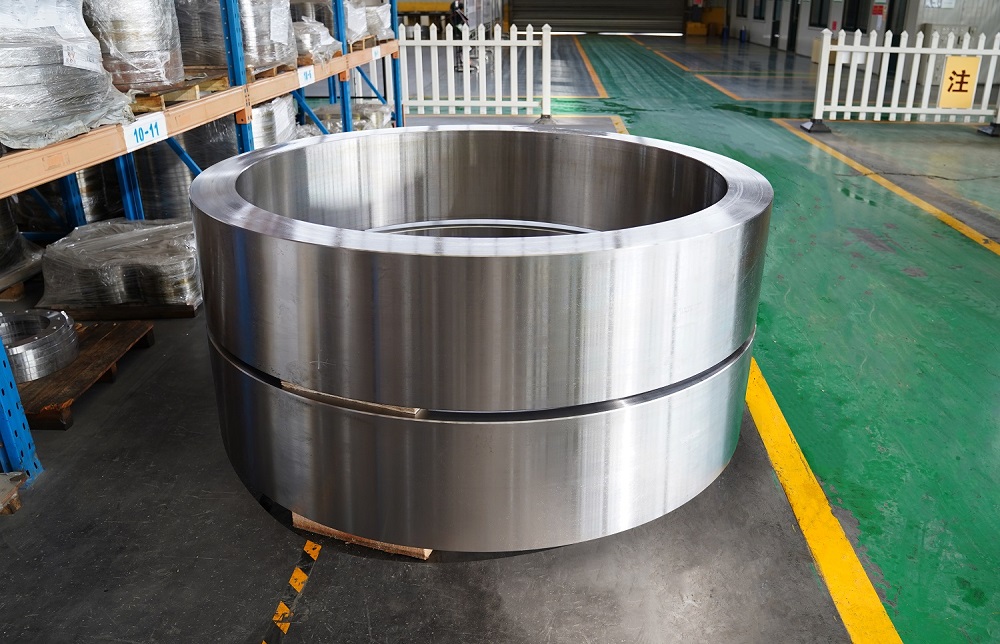
A final component drawing may show more operations than the forging supplier is being asked to perform. For an intermediate flange, distinguish completed surfaces from those left for further machining. The quotation should identify shipment dimensions and any stock remaining on unfinished surfaces.
We can review separate machining options against the same component drawing. In the quotation request, identify the faces, diameters, holes, recesses, or other features included in each option. If a surface must serve as a reference for subsequent machining, include its required condition at delivery.
Consider this illustrative comparison for a structural flange. The entries are example quotation scopes, not Iraeta prices or completed order records.
| Scope item | Offer A | Offer B |
| Main diameters | Rough-machined to intermediate dimensions | Finished to specified shipment dimensions |
| Connection faces | Stock retained for later machining | Finished to specified requirements |
| Hole pattern | Excluded | Included |
| Dimensional report | Covers intermediate geometry | Covers finished features included in the offer |
| Buyer’s remaining work | Finish diameters and faces, drill holes, and verify completed features | Complete any expressly excluded work and assigned assembly checks |
For an equal-scope comparison, request a revised Offer A covering the additional machining, or compare it with the cost and schedule of completing that work elsewhere. Keep those downstream costs separate from the supplier’s quoted price.
Iraeta’s delivered wind power flange references provide project context for large-diameter supply. For your order, the current drawing and accepted quotation define the machining scope.
Separate Testing and Documentation From the Part Description
Please include examination and reporting requirements with the RFQ rather than adding them after the price has been agreed. Identify the method, coverage, manufacturing stage, acceptance criteria, and any buyer or third-party review required.
For a partly machined flange, specify which requirements apply before shipment and which follow the buyer’s remaining operations. A dimensional report for an intermediate bore should reference the agreed intermediate dimensions, not the final size to be machined later.
Ask each supplier to respond separately to the following items:
Material records required with the shipment.
Heat-treatment or processing records specified by the order.
Dimensional inspection results for the supplied geometry.
Examination reports required by the technical specification.
Buyer review, witness, or release points.
Any additional approval or certification requirement.
If your project requires certification, state the required scope and any specified manufacturing location or product coverage. Request confirmation of applicability for the proposed supply. Keep company or site certificates separate from order-specific material, dimensional, and examination records.
For quotation comparison, give each required document a status and submission stage. Where a supplier excludes a report or proposes an alternative, record that response against the requirement. Leave the commercial adjustment open until the technical deviation is resolved.
Break the Delivery Schedule Into Agreed Events
Please provide the required arrival date and identify the delivery point. If drawings or specifications are still awaiting approval, include their expected release dates. A quotation issued against preliminary documents may need its schedule reviewed when the final requirements are available.
Compare the event from which each quoted lead time begins. Possible starting points include order acceptance, receipt of agreed payment, drawing approval, or completion of technical clarification. The accepted order should identify the applicable starting event.
| Schedule item | Point to clarify |
| Technical release | Documents and approvals required before manufacturing can proceed |
| Quoted lead time | Starting event and the milestone it reaches |
| Inspection release | Required records, review period, and release authority |
| Dispatch | Whether the date refers to readiness, collection, or departure |
| Arrival | Destination and transport assumptions supporting the requested date |
| Batch delivery | Piece quantities and dates for each shipment |
If phased delivery is required, state the batch quantities in the inquiry. Ask whether the quoted price and schedule apply to one shipment or several. Any proposed alternative should identify the affected quantities and dates.
Align Packing and Transport Obligations
The commercial comparison should identify the delivery term, named place, and applicable rules or version. Request a breakdown where the quotation combines the flange price with packing or transport.
For large flanges, include project-specific packing, identification, or handling requirements in the RFQ. If your receiving location has constraints affecting the supplied package, send them with the inquiry. Any proposed packing arrangement remains subject to confirmation for the component and route.
Record responsibility for each quoted logistics item:
| Logistics item | Information to confirm |
| Packing and protection | Arrangement included in the price and any project-specific requirements |
| Collection and loading | Responsible party and agreed handover point |
| Transport | Route or destination covered by the offer and any exclusions |
| Insurance | Whether included and the agreed coverage |
| Shipment information | Required packing list, identification, and dispatch documents |
Keep freight, insurance, and any buyer-side logistics costs visible as separate comparison entries. Where one offer ends at a collection point and another includes transport to the destination, align those obligations before comparing totals.
Resolve Flange Quote Exclusions Before Comparing Totals
Please ask us to list exclusions and departures from the RFQ separately from the quoted price. A deviation register can retain the requested requirement, the proposed alternative, and the decision needed from your team.
| Requirement | Supplier response | Action before order |
| Finished connection faces | Rough-machined faces proposed | Confirm revised pricing or assign the remaining work |
| Drilled hole pattern | Drilling excluded | Obtain an included price or record the exclusion |
| Required examination | Different method or extent proposed | Obtain technical disposition |
| Requested delivery date | Later dispatch proposed | Review project impact and alternative batches |
| Required documentation | Report excluded or submitted later | Agree scope and submission stage |
Close technical deviations before treating the offers as equivalent. If a difference is accepted, carry it into the purchase documents. Where it remains unresolved, retain it as an open item rather than marking the offer fully compliant.
Keep optional work outside the base-price comparison until your team selects it. List the option price, its scope, and any effect on the schedule. This applies to additional machining, examination, documentation, and separate shipments.
Return a Defined Scope With Your RFQ
For an initial quotation, send the current drawing, material specification, quantity, required delivery condition, and requested delivery point. Add the inspection and document list, proposed schedule, and any alternative scopes to be priced.
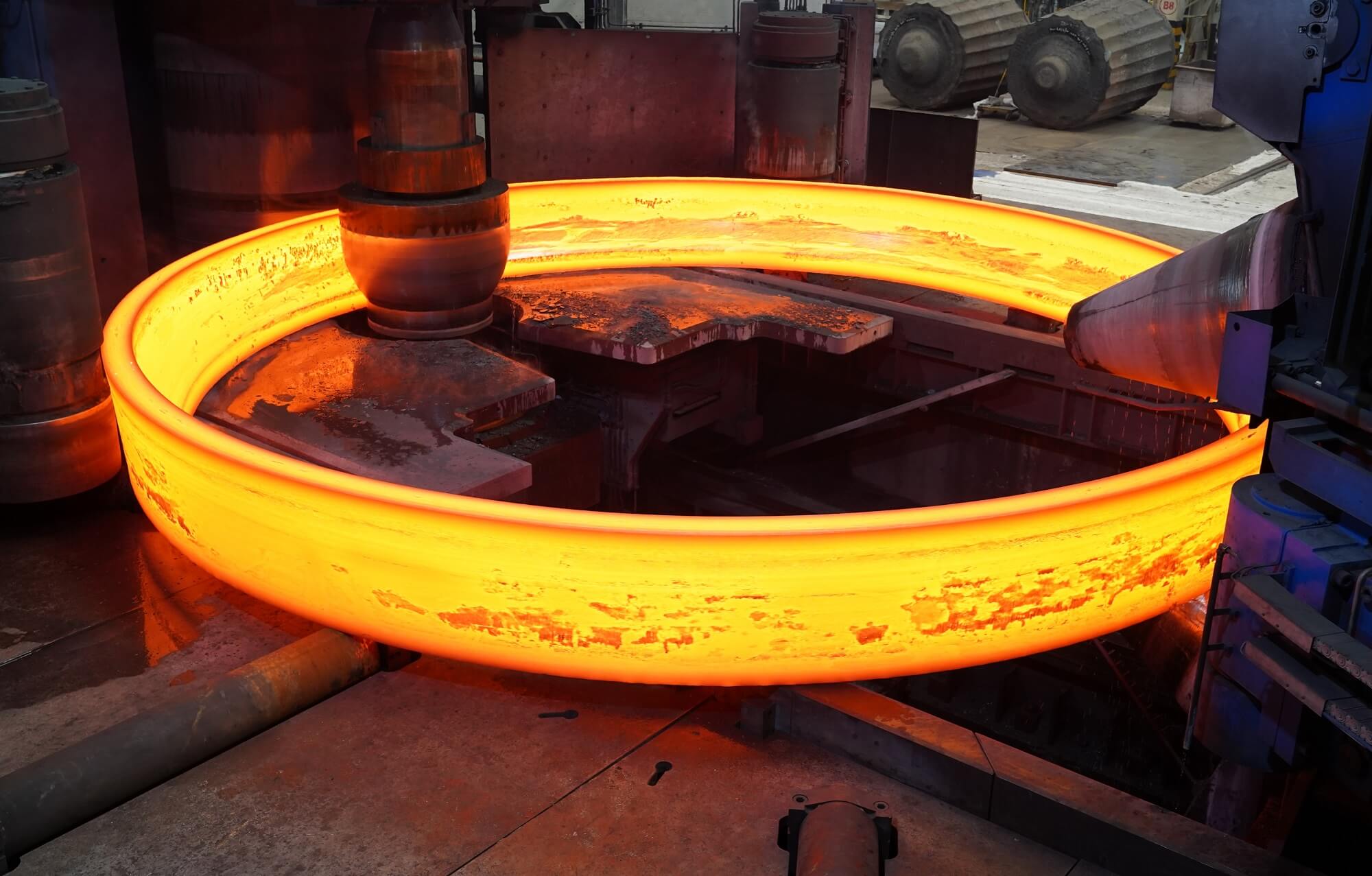
If the machining split is still open, annotate the drawing or attach a feature list. Identify which requirements are fixed and which are open for a manufacturing proposal. Our project-specific ring supply approach connects the component drawing with the formed shape, machining scope, and condition at handover.
A concise request can read:
Please quote the attached flange drawing and specification at the stated revision. Identify the shipment dimensions, completed machining, examination, documents, and delivery obligations included in your price. List exclusions and deviations separately. Where alternatives are requested, provide a separate price and schedule for each option.
Discuss Your Flange Supply Requirement
A comparable flange quotation covers the same component, shipment condition, inspection package, and delivery obligations. Account separately for machining left to another party, excluded reports, and transport outside the quoted scope. Carry the accepted requirements and deviations into the purchase order.
To request a quotation from a forged flange supplier in China, contact Iraeta or email your drawing and purchasing requirements to ebiz@iraeta.com. Include quantity, material specification, required machining condition, and target delivery date. If you already use a quotation comparison sheet, attach it so the proposed scope, exclusions, and delivery conditions can be addressed against your required fields.


Recommended reading
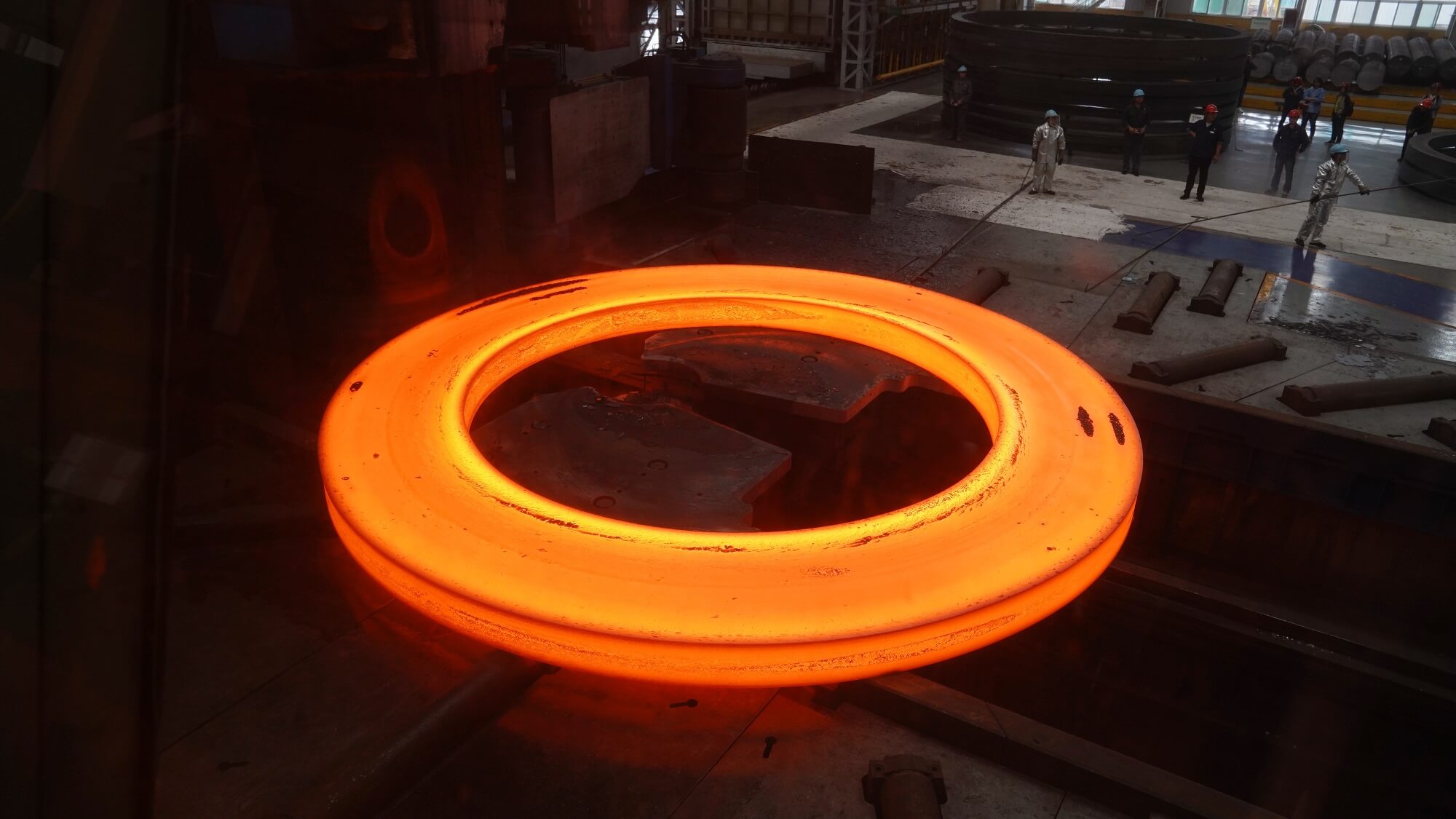
Unlocking the Secrets of Forging: The Performance Code of Classic Processes
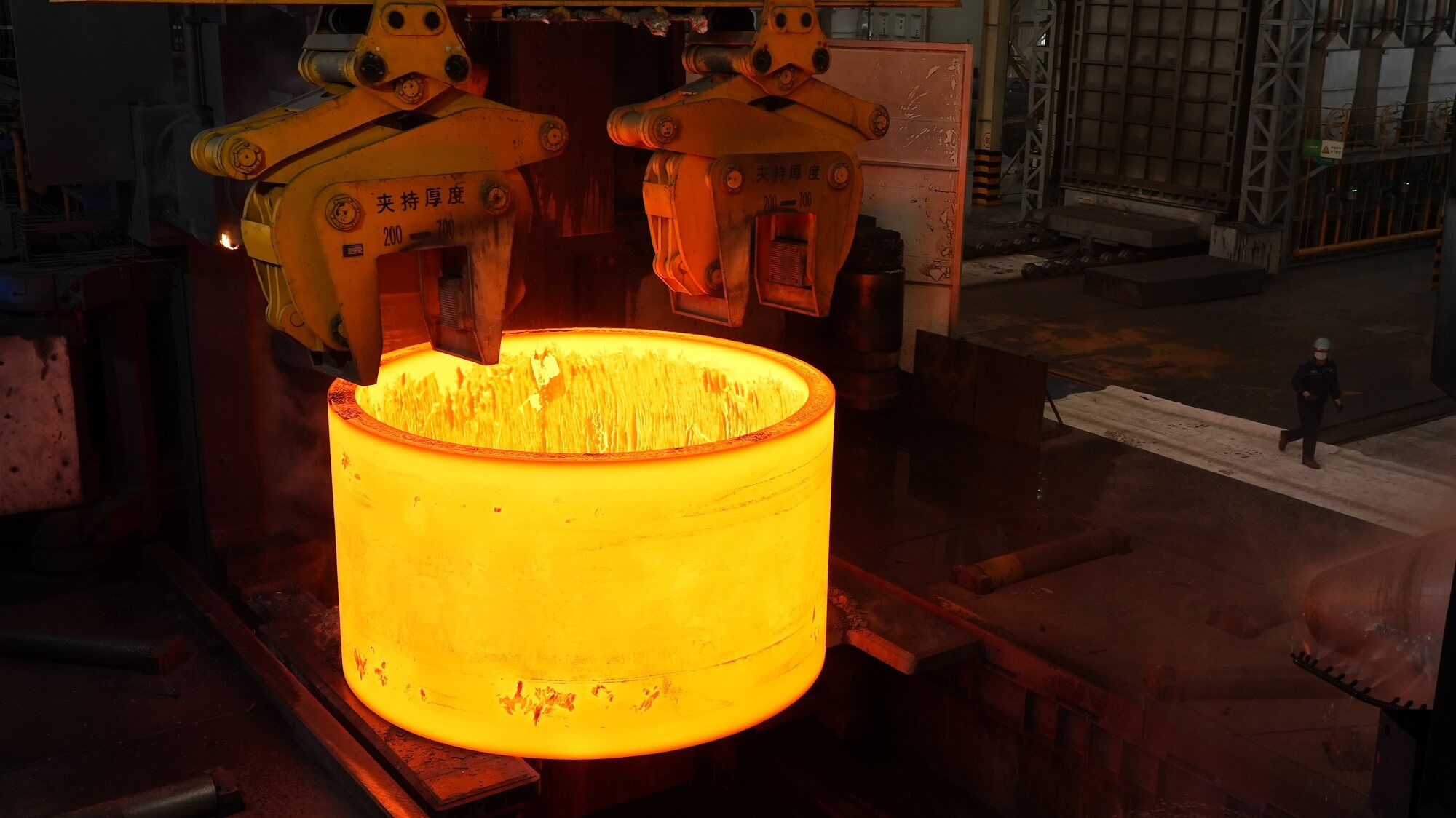
Must-Read for Ring Forging: Advantages and Applications of the Forge-Rolling Process
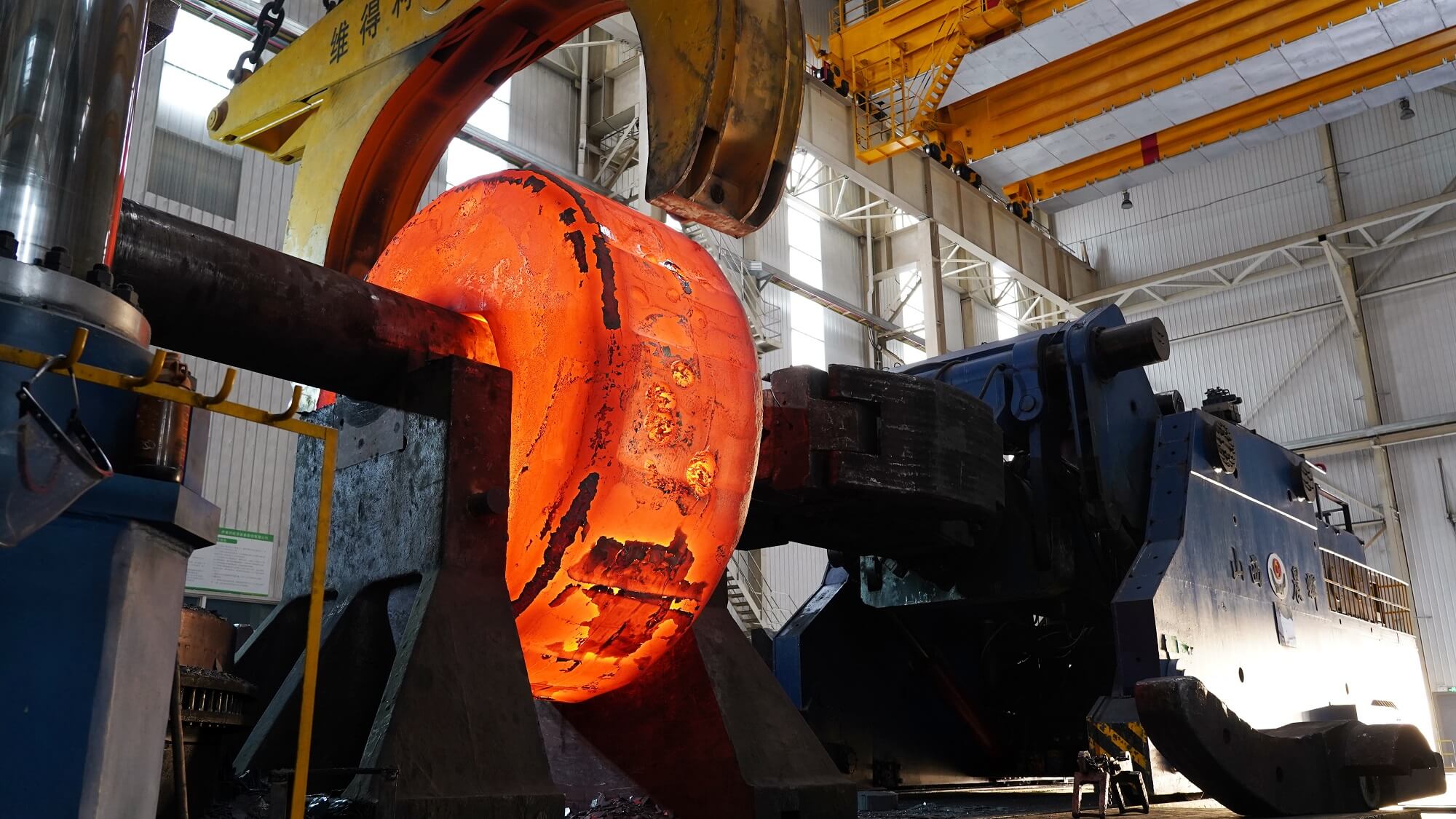
Open-Die Forging vs. Ring Rolling: Helping You Choose the Optimal Forging Process