












Seamless Rolled Ring Forgings: Process and Applications
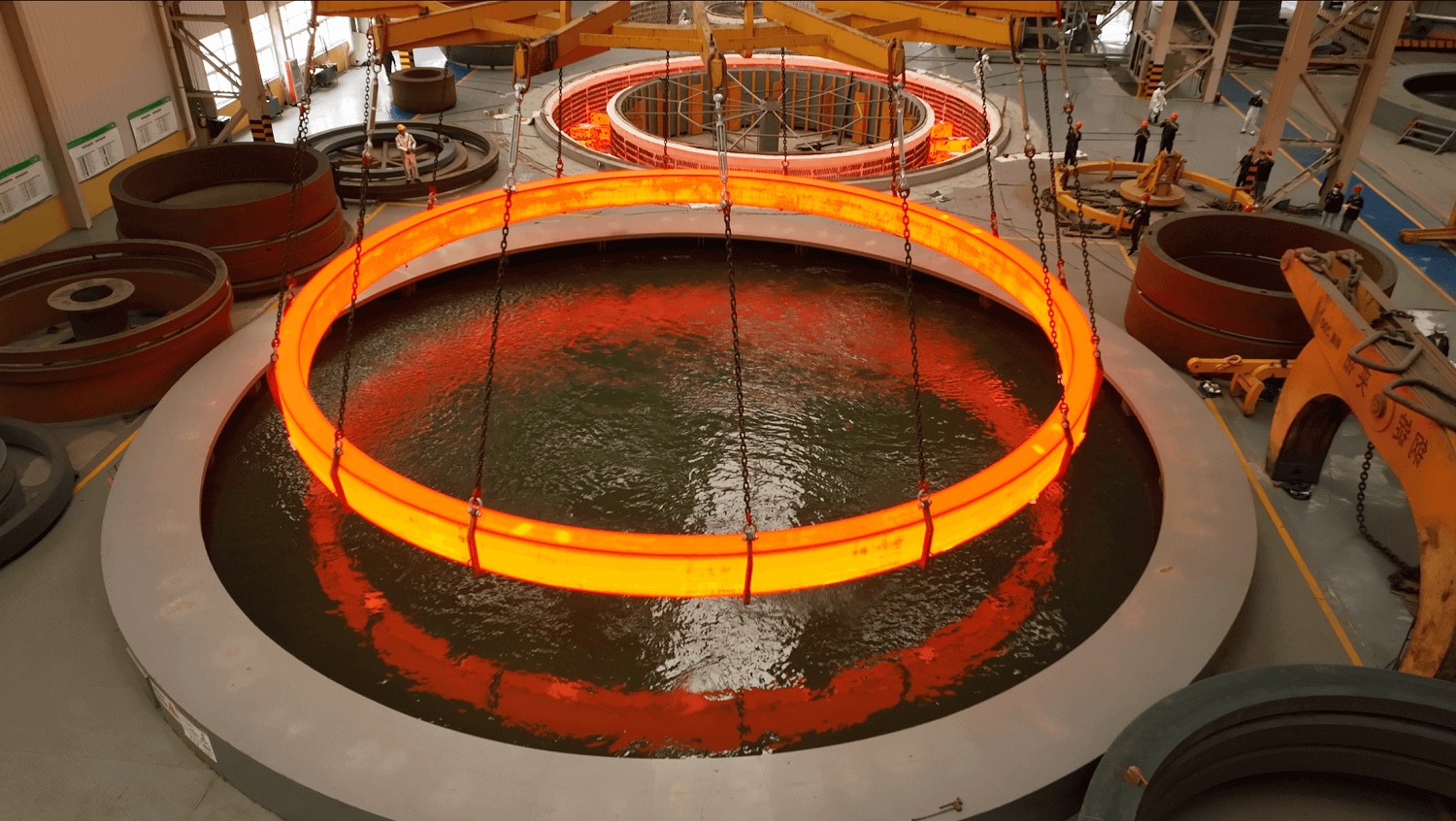
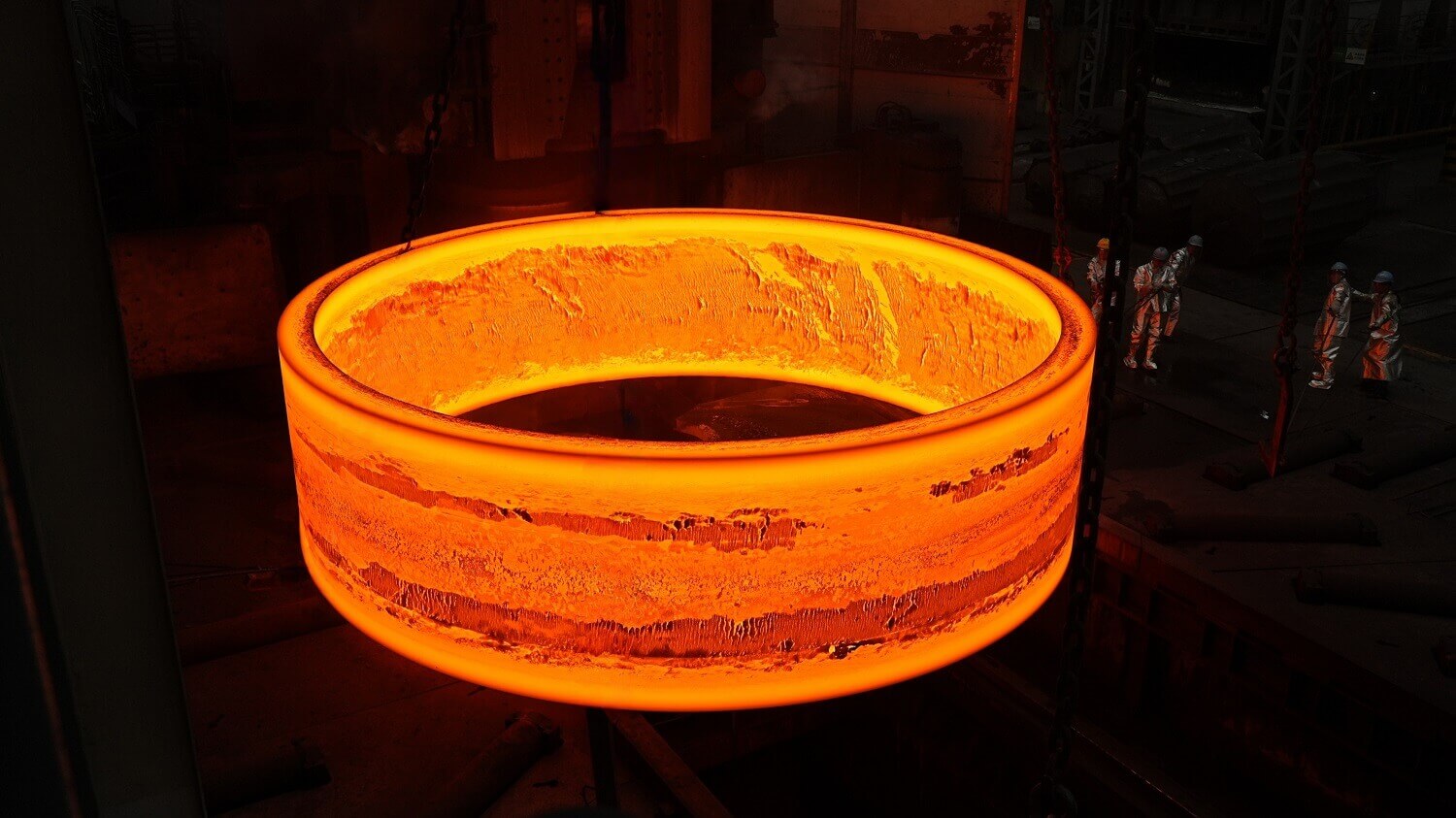
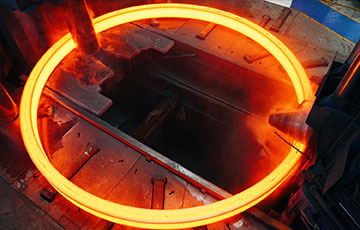
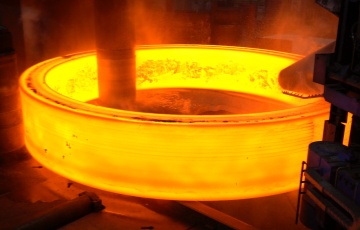
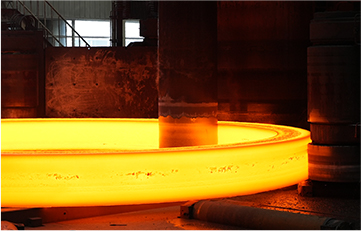
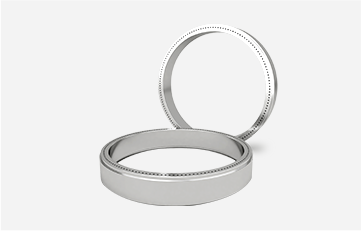
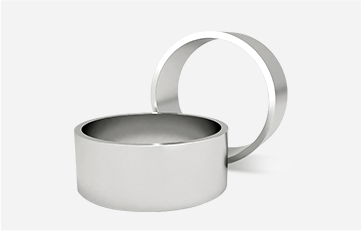
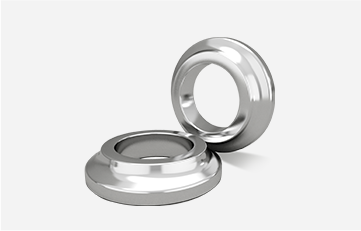
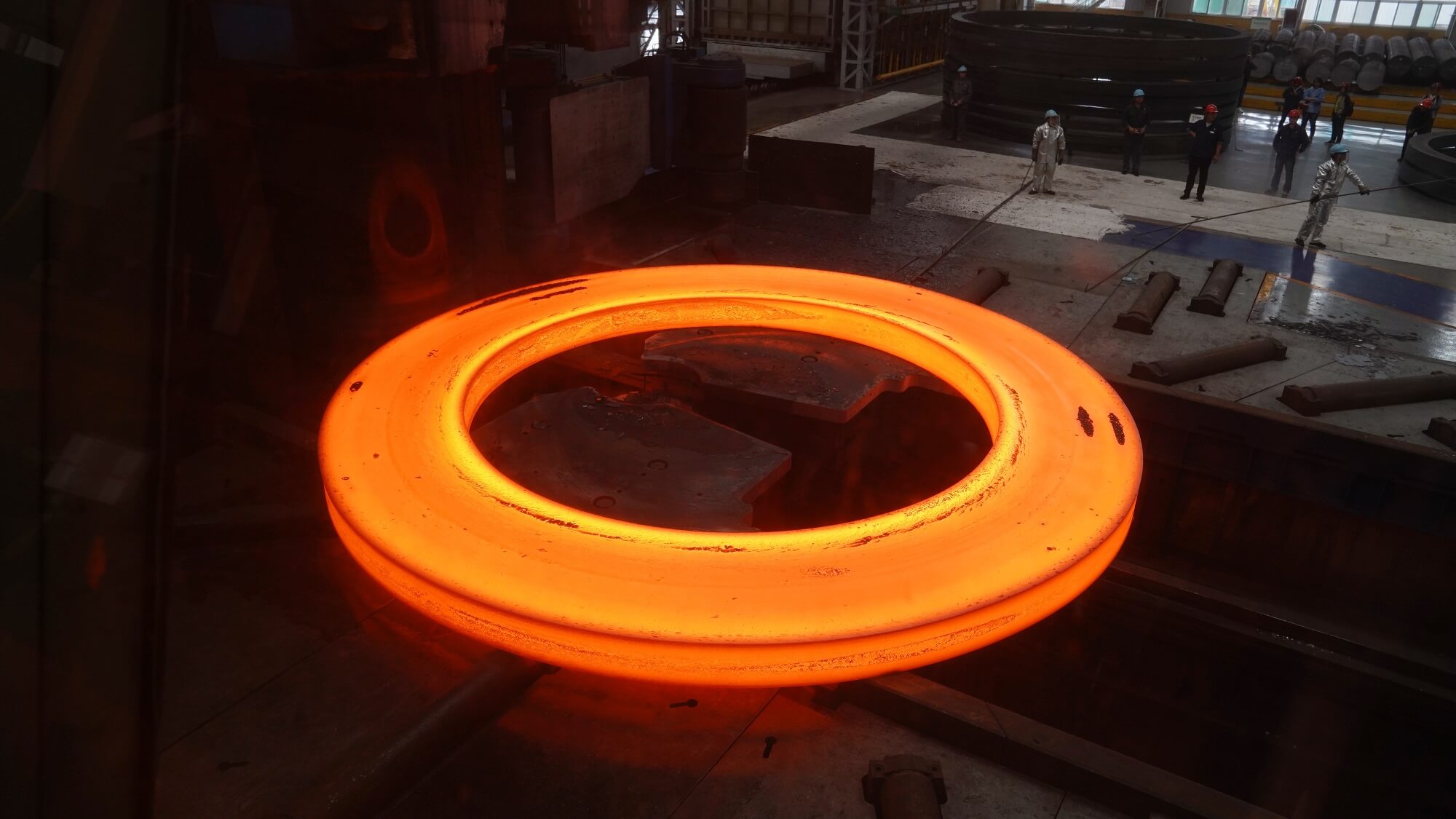
Seamless rolled ring forgings are used for bearing rings, gear rings, wind tower flanges, kiln tyres and other annular components in energy equipment and heavy machinery. They are formed from a single billet through upsetting, piercing and ring rolling, producing an integral circumference without a welded closing joint. The process can create large diameters and rectangular or profiled cross-sections before heat treatment and machining.
For equipment manufacturers, the value lies in matching the forming route to the component’s requirements. Rolling forms the ring’s diameter and cross-section; heat treatment establishes the specified material condition; machining completes the required surfaces and features. Together, these operations turn the initial billet into a ring ready for the next stage of equipment manufacture.
1.Applications of Seamless Rolled Ring Forgings
An annular shape appears across many industries, but the component’s function determines its manufacturing requirements. A bearing ring, tower flange and kiln tyre may share a general shape while requiring different sections, material specifications and machining scopes.

2.Bearing Rings and Slewing Assemblies
Large slewing-bearing applications can involve radial, axial and tilting loads. The bearing ring’s geometry and material condition form part of the wider bearing design, with ring rolling providing the initial annular structure before subsequent processing.
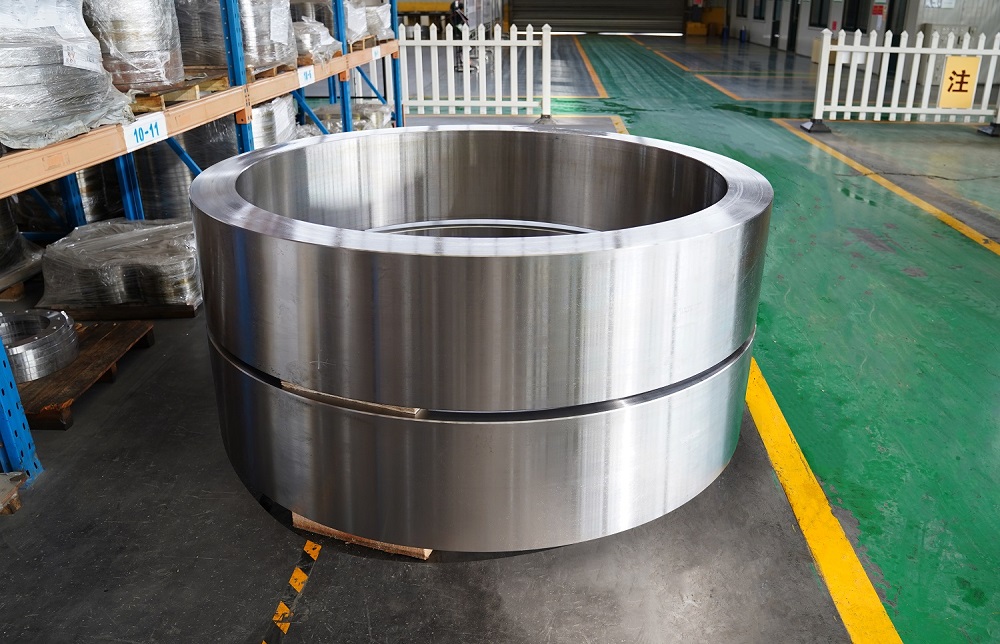
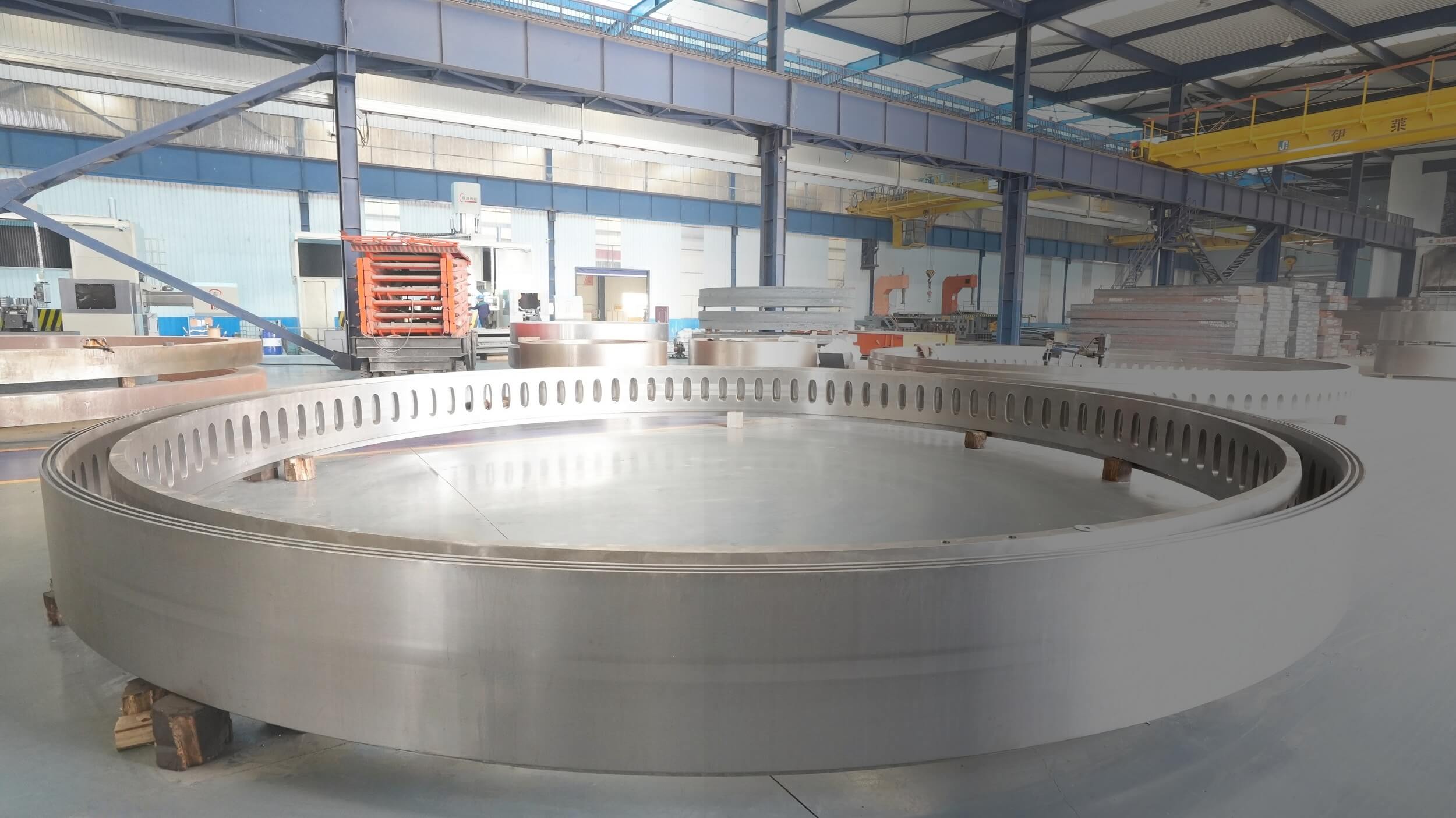
Iraeta manufactures bearing ring forgings with outer diameters of up to 21 metres. For a new bearing-ring requirement, the full section remains important alongside the diameter: axial height, wall thickness and profile details help define the forming and machining work.
A ring forging and a complete bearing represent different scopes of supply. The enquiry needs to establish which operations belong to the forging supplier and which remain with the bearing manufacturer.
3.Wind Tower Flanges and Gear Rings
Wind equipment uses ring forgings for tower flanges, bearing rings and gear rings. Tower flanges serve structural connections, while bearing and gear components belong to mechanical assemblies.
These products can share a forming route without sharing a manufacturing specification. A tower-flange order and a gear-ring blank order may require different cross-sections, delivery conditions and subsequent operations. The component drawing connects the general product name with the actual ring to be supplied.
4.Kiln Tyres and Other Industrial Rings
In cement production, a riding ring—also called a kiln tyre—supports the rotating kiln structure. Its section and contact surfaces serve a different function from those of a tower flange or bearing ring.
Seamless rolled rings also appear in tunnel boring machines as cutterhead flanges, and in hydropower, nuclear power, marine engineering and oil and gas equipment. Across these applications, the common feature is an integral annular component; the detailed requirements follow the equipment design.
| Component | Application | Items to establish during drawing review |
| Bearing ring | Large bearings and slewing assemblies | Ring section, material condition and machining scope |
| Wind tower flange | Wind turbine tower connections | Flange geometry, connection features and delivery condition |
| Gear ring | Wind power and heavy machinery | Ring-blank profile and responsibility for subsequent machining |
| Kiln tyre | Cement rotary kilns | Annular section and required finished surfaces |
| Cutterhead flange | Tunnel boring machines | Flange profile, dimensions and machining requirements |
For each component, the drawing and material specification define the technical requirements, while the agreed processing, inspection and documentation requirements establish the supplier’s scope of work.
5.From Billet to Rolled Ring
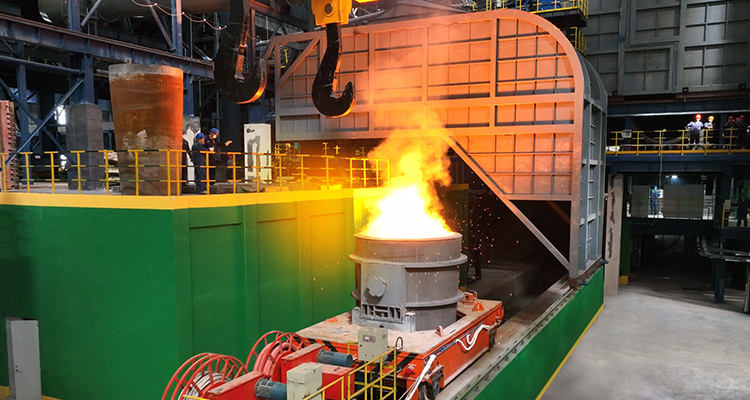
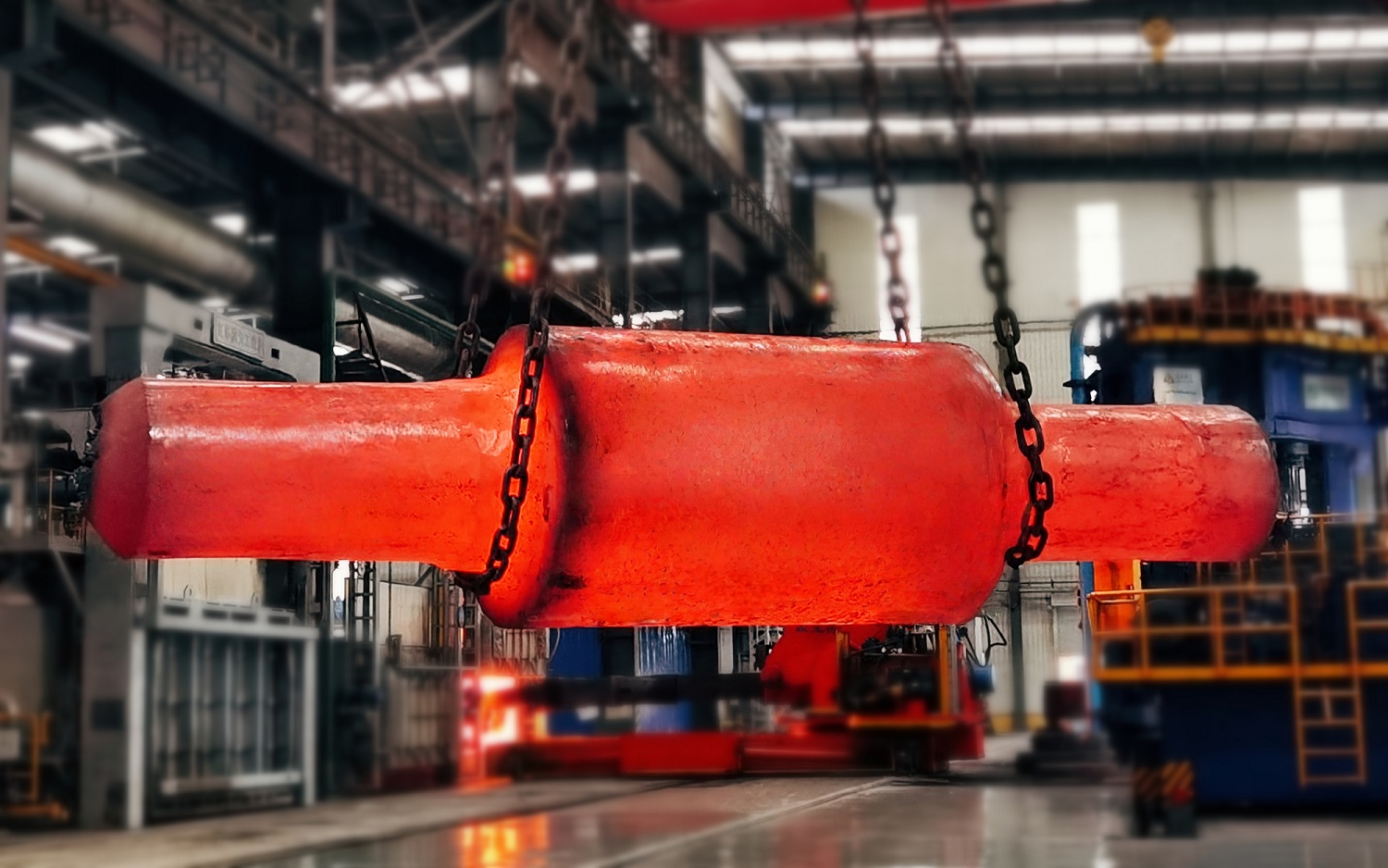
The manufacturing sequence starts with a billet cut to weight and heated for forging. Upsetting changes the billet’s proportions, piercing creates the central opening, and further expansion prepares the hollow preform for ring rolling.
The ring is formed from a single piece of material throughout the process. Instead of bending plate or bar and welding the ends together, the process redistributes metal from the billet into the required ring geometry.
6.Upsetting, Piercing and Preform Expansion
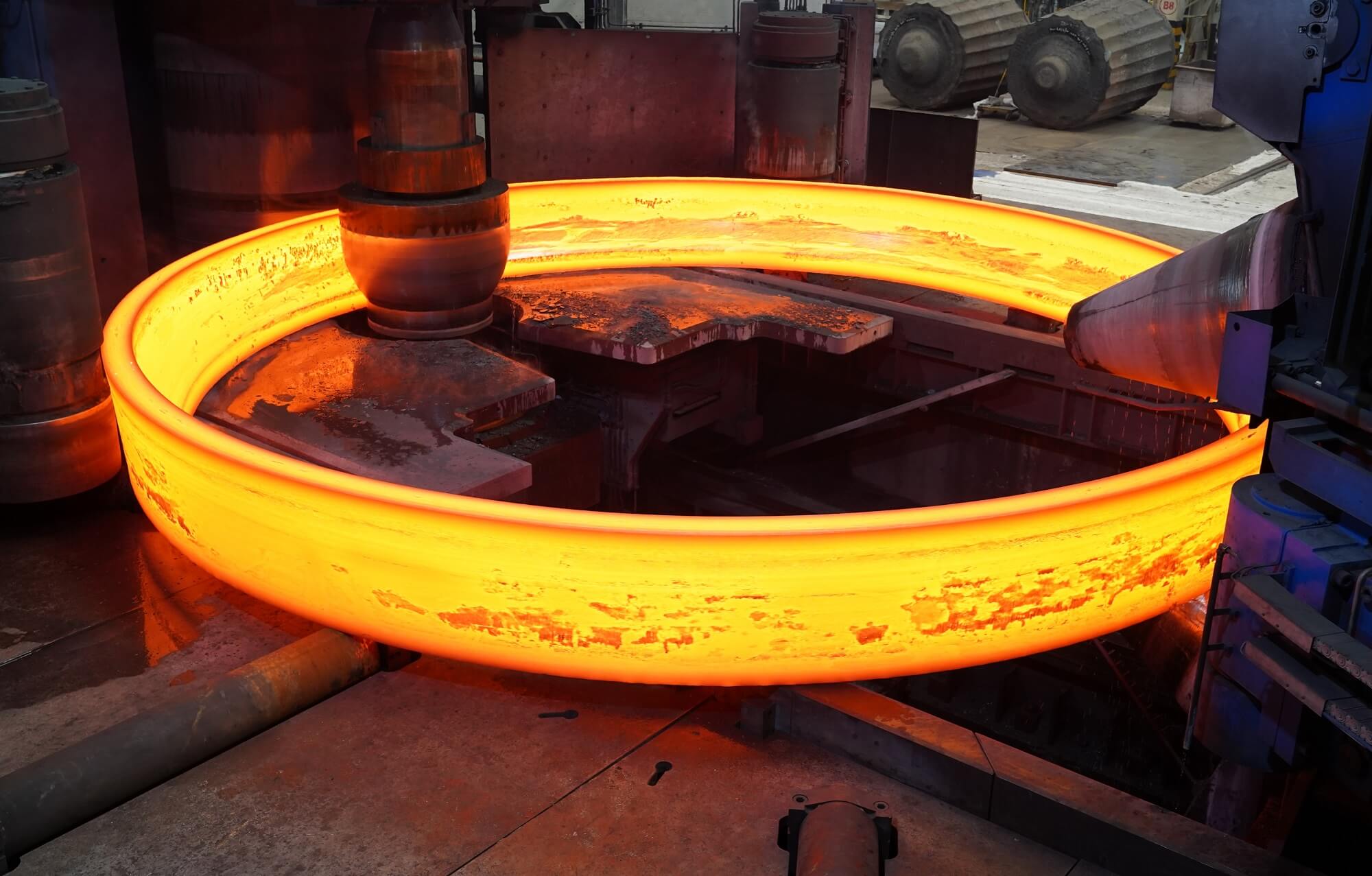
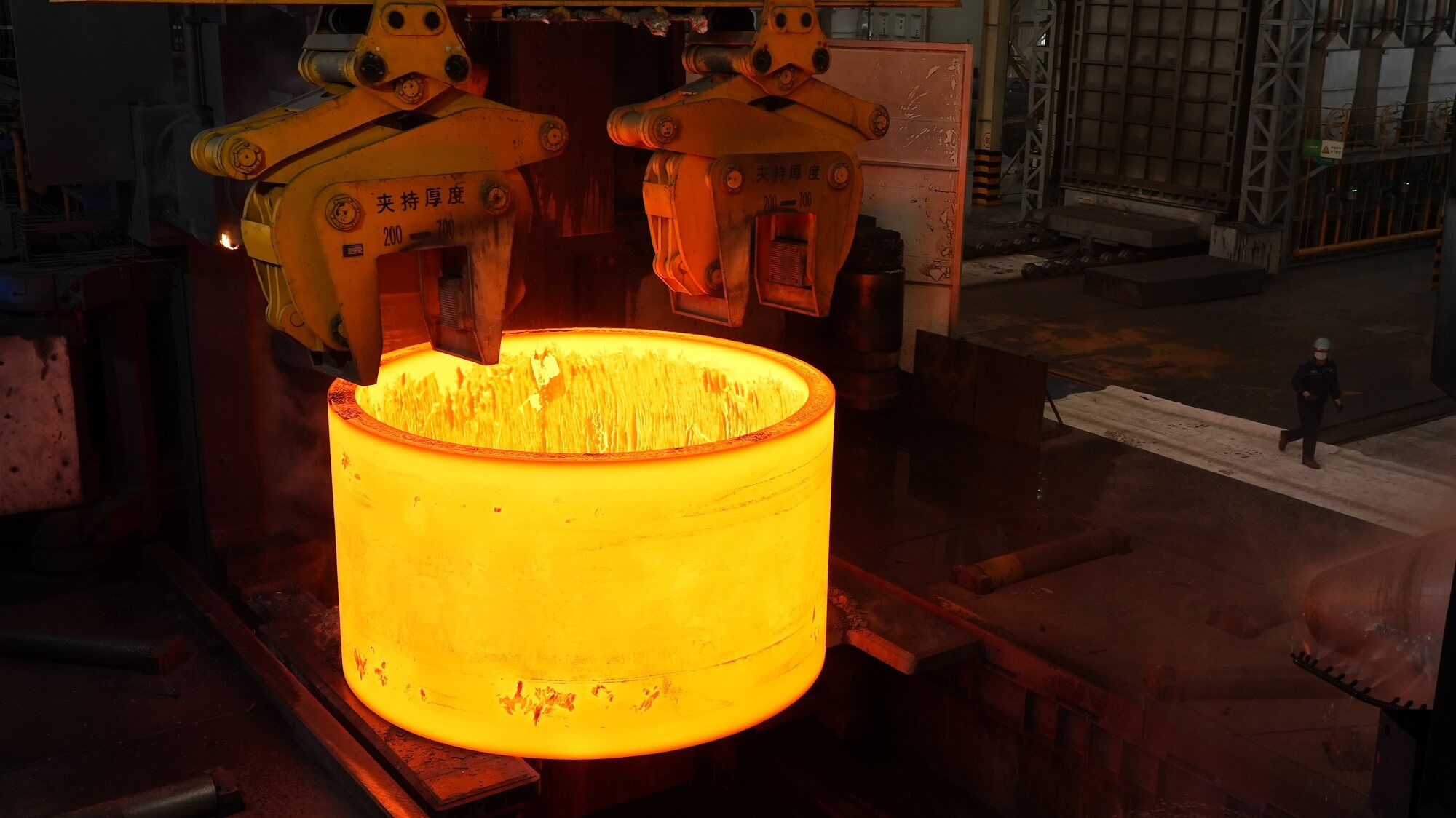
Upsetting and piercing establish the starting shape for rolling. The pierced billet is opened on a mandrel, creating a preform that can be expanded and shaped in the rolling mill.
The preform dimensions belong to the manufacturing process plan. They must accommodate the material needed for the rolled section and subsequent processing. The purchaser’s drawing, by contrast, defines the component or intermediate ring that must be delivered.
Keeping those two sets of dimensions distinct avoids confusion between the manufacturer’s starting geometry and the dimensions subject to inspection at delivery.
7.Ring Rolling and Section Development
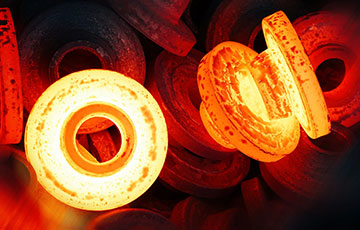
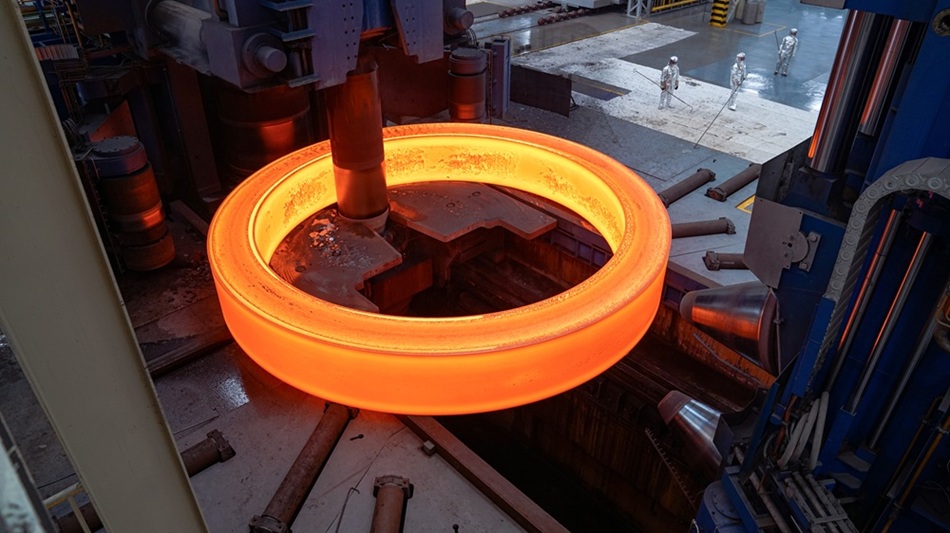
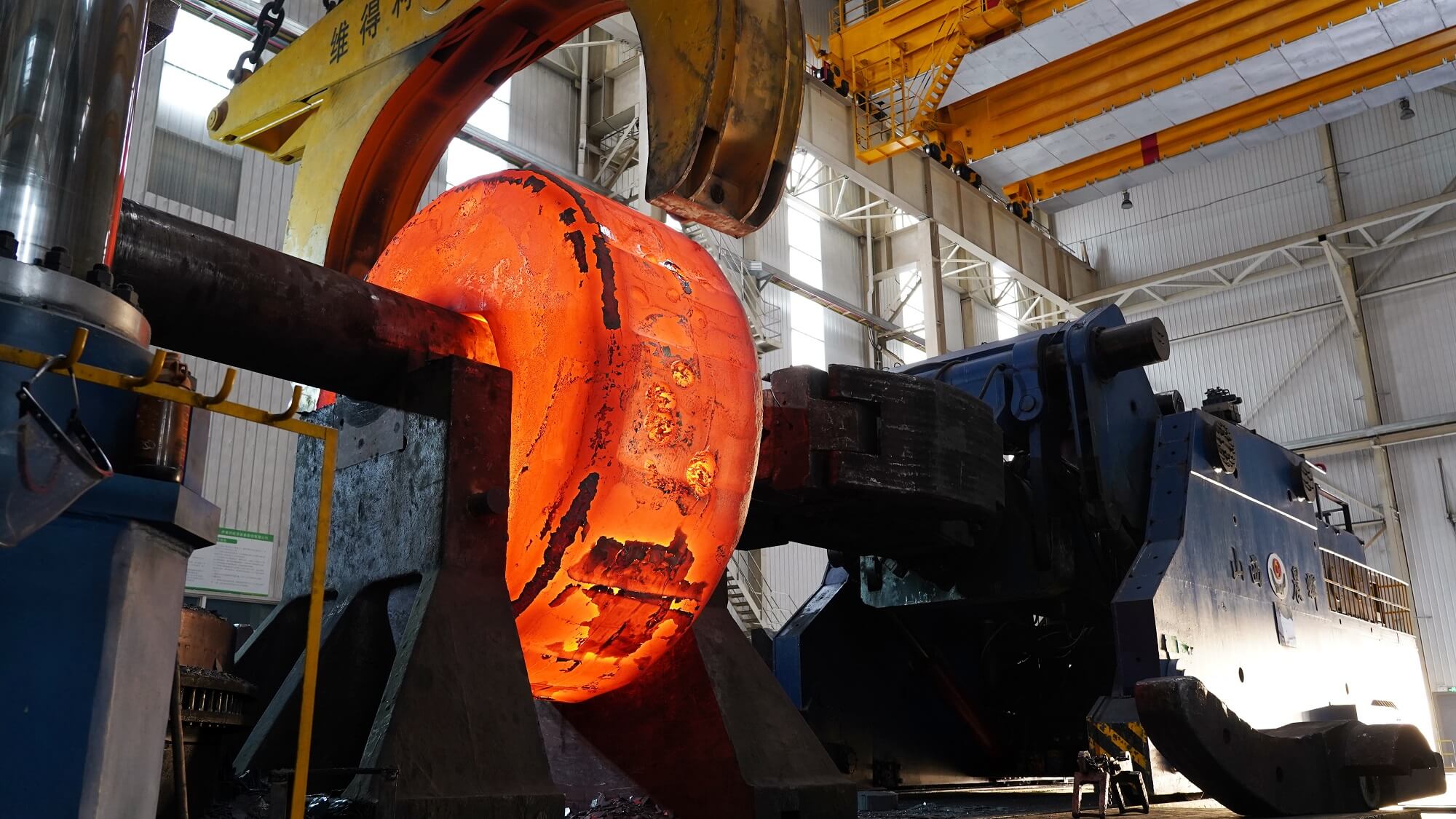
During ring rolling, the preform rotates while rolls compress its wall. The wall thickness decreases as the diameter increases. This allows a relatively compact preform to develop into a much larger annular component.
Rectangular sections are one option. Profile rolling can develop more complex cross-sections, reducing the difference between the formed ring and the geometry required after machining. Iraeta’s ring rolling and downstream processing capabilities cover rectangular and complex-profile rings, heat treatment and machining.
The full cross-section therefore matters as much as the outer diameter. Rings of the same diameter can have different heights, wall thicknesses or stepped profiles, each requiring its own assessment of forming and machining scope.
8.Circumferential Metal Flow
Radial-axial ring rolling develops circumferential flow lines that follow the ring geometry. This relationship between metal flow and component shape is relevant to bearing rings and other heavily loaded annular components.
The forming route works together with material selection and thermal processing. It does not, on its own, establish a finished component’s fatigue life or service performance. Those requirements need to be addressed through the complete design and manufacturing specification.
9.Heat Treatment and Machining
The rolled ring may be an intermediate product or part of a more complete supply package. Some orders require a forging for further processing; others include heat treatment, rough machining or additional machining to the component drawing.
Defining the delivery stage allows the forging supplier’s work to fit the purchaser’s production sequence. It also gives quotations a consistent basis, particularly when different suppliers offer different levels of completion.
10.Material Condition After Heat Treatment
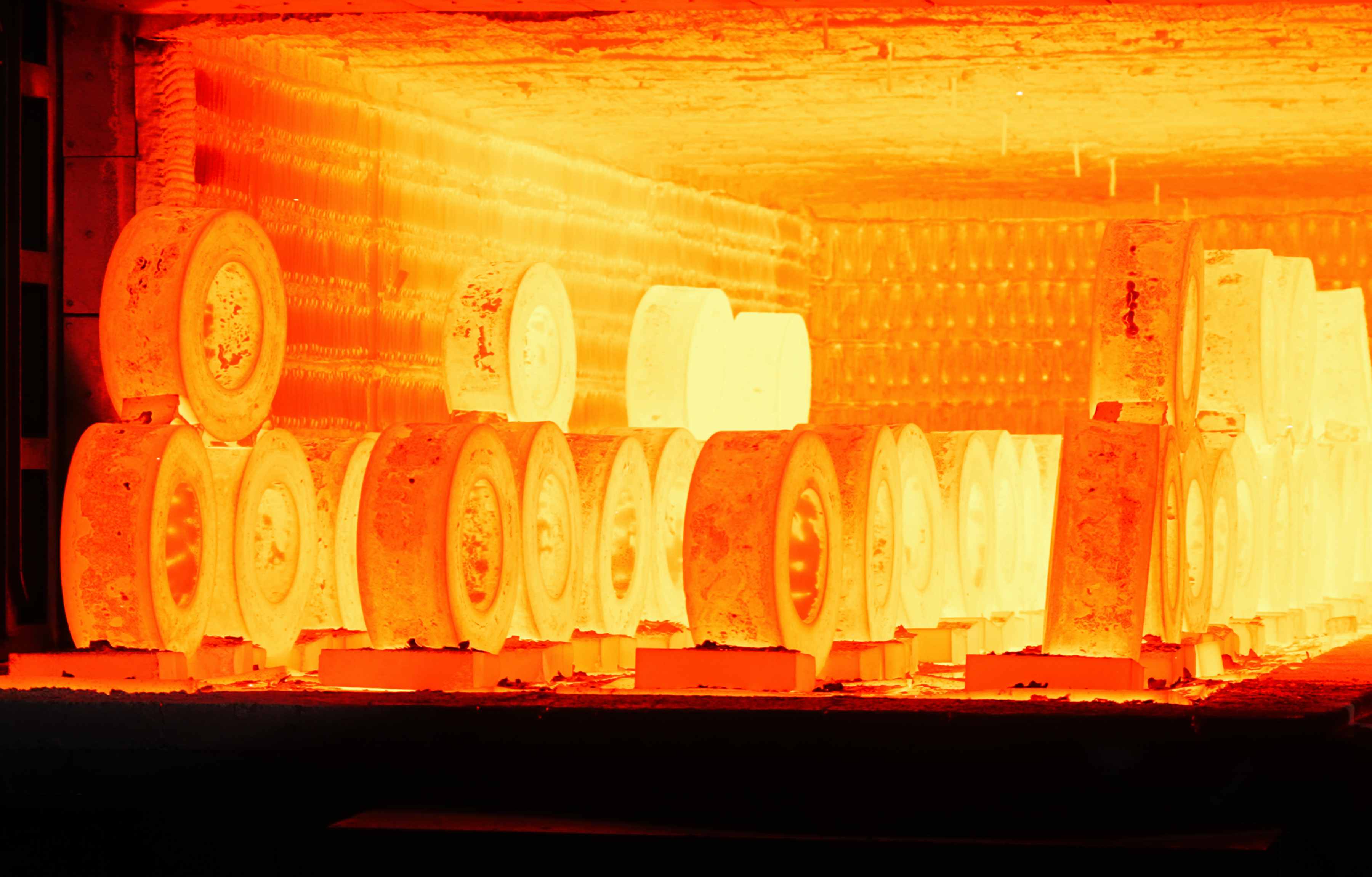
Available heat-treatment processes include normalizing, tempering, quenching and tempering, annealing, solution treatment, precipitation hardening and stress relieving. The heat-treatment process depends on the specified material and required delivery condition.
Material grade and heat-treatment condition are separate specification items. Both should be clearly defined when included in the supplier’s scope. The order documentation should distinguish a ring supplied for further thermal processing from one delivered in its specified heat-treated condition.
11.Machining to the Required Delivery Stage
Machining completes surfaces and features left unfinished by forming. Turning, drilling, milling and grinding are among the operations carried out on CNC machining equipment.
For a profiled ring, forming and machining share the work of producing the required geometry. Rolling develops the main section, while machining completes the specified surfaces and features. For a ring blank, more of that downstream work may remain with the purchaser.
The drawing and quotation should identify whether dimensions apply to the delivered forging, the rough-machined ring or the finished component. This makes the supply boundary clear without assuming that every ring is delivered ready for installation.
12.Matching the Forming Route to the Section
Ring rolling is relevant where the design calls for an integral annular component. It provides a route to large diameters while developing the ring section, rather than removing the entire central volume from a larger solid block.
Near-net-shape forming can reduce machining stock by bringing the rolled section closer to the required component geometry. The extent of that reduction depends on the ring profile and the machining needed to reach the finished dimensions; there is no single saving percentage applicable to every ring.
Very thick or unusual sections may require comparison with an open-die forging route. A low-load, non-rotating component may also justify a different manufacturing approach from a heavily loaded rotating ring.
The choice depends on the complete section and processing requirements, rather than diameter alone. A manufacturing review is most useful when it starts with the actual drawing instead of a maximum-diameter enquiry.
13.Large-Diameter Rings in Practice

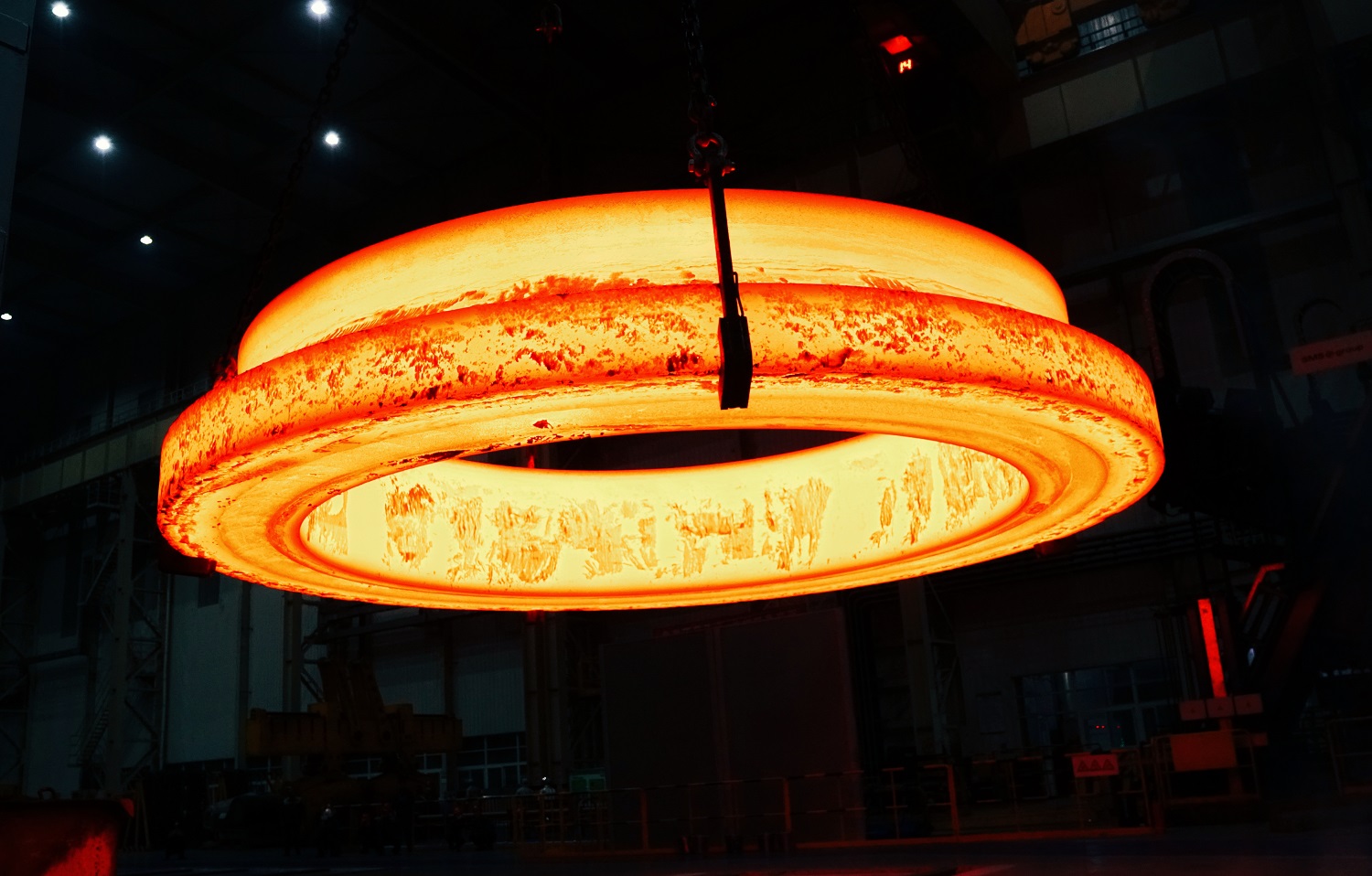
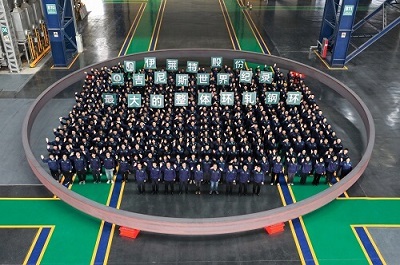
At its January 2026 product launch, Iraeta presented a one-piece seamless rolled ring with an outer diameter of 21.0294 metres and a base starting billet weight of 143 tonnes. The same announcement included another ring with an outer diameter of 18.63 metres and a base material weight of 280 tonnes.
These large-diameter seamless ring examples show different combinations of diameter and starting billet weight. The larger-diameter example was not the heavier of the two, illustrating why diameter alone is insufficient to describe a ring forging.
The 143-tonne and 280-tonne figures refer to the starting material, not the finished rings. They relate to specific products rather than standard delivery sizes. A different component requires assessment against its own section, material, heat treatment and machining requirements.
The outer diameter provides an initial indication of the component’s scale. The drawing then provides the remaining geometry needed to assess the production route and define the proposed supply.
14.Preparing a Ring Forging Enquiry
A useful enquiry connects the application and drawing with a clear delivery condition. Material grade, heat treatment, machining scope, testing requirements and applicable standards establish what the supplier is being asked to deliver.
The following fields provide a starting point for technical and commercial discussions:
| Enquiry field | Information to include |
| Component and application | Bearing ring, flange, kiln tyre or other ring component |
| Drawing | Current drawing and revision |
| Geometry | Outer diameter, inner diameter, height and section details |
| Material | Specified grade and applicable material requirements |
| Heat-treatment condition | Required condition at delivery |
| Machining scope | As-forged, rough-machined or machined to the specified drawing requirements |
| Acceptance requirements | Testing, applicable standards and required documentation |
| Commercial scope | Quantity and requested delivery date |
This information gives engineering and procurement teams a common basis for defining the scope of supply. It also brings unresolved items—such as machining responsibility or inspection documentation—into the discussion before quotations are compared.
For seamless rolled ring forgings, contact Iraeta to discuss the forming route and processing requirements for your new design or existing component. Share the drawing, material specification and intended delivery condition, or email ebiz@iraeta.com.


Recommended reading
Unlocking the Secrets of Forging: The Performance Code of Classic Processes
Must-Read for Ring Forging: Advantages and Applications of the Forge-Rolling Process
Open-Die Forging vs. Ring Rolling: Helping You Choose the Optimal Forging Process