












Grinding Ball for Mining: How to Compare Options in a Mill Trial
Compare a grinding ball for mining against your current media under a defined mill duty, with agreed records for media consumption, throughput, and ground-product size. Set the review criteria before charging the candidate balls. If the ore, operating settings, or existing charge changes during the comparison, record the change before attributing a result to the new media. Our selection process includes a trial comparing media wear per tonne of ore processed over a defined period.
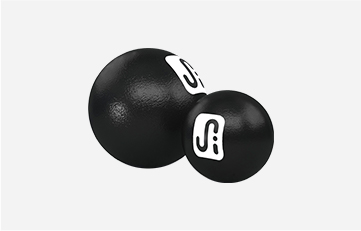
At Iraeta, we supply grinding balls in diameters from 20 to 160 mm, with six material grades available for technical review. Send us your mill data and current media specification before choosing a trial candidate. Diameter and grade should follow the duty under review rather than a recommendation transferred from another mine.

Define the Change You Want to Test
Start with one purchasing or operating question. You may want to reduce media consumption, assess an alternative supplier, or address inconsistent performance between deliveries. Record the current condition and the result that would justify a change.
For a consumption-focused trial, the target is not simply fewer balls added. The mill still needs to process ore to the required ground-product specification. A lower addition figure accompanied by lower throughput or a coarser product requires further review before it supports a purchasing decision.
For a supply-alternative trial, the candidate may need to maintain acceptable grinding performance at a workable delivered cost. Set that requirement before discussing an improvement target. Identify which measures must remain within the plant’s operating requirements and where a trade-off can be considered.
A trial brief can state:
Assess the candidate media against the current supply at the specified diameter and mill duty. Compare media consumption and delivered media cost per tonne processed, while tracking throughput, ground-product size, and relevant operating changes.
Have your plant team approve the operating limits, measurement methods, and conditions for stopping or extending the trial. Keep those criteria with the trial records so the final purchasing review uses the requirements agreed at the start.
Establish the Baseline Before the First Candidate Charge
Use a baseline period with records your team can reconcile. Include ore processed, media additions, operating hours, and the product-size measure used by the plant. Add the operating information needed to interpret those results.
For technical review, we request mill type, dimensions and speed, ore type and hardness, and the current ball size. Mill duty also depends on the liner profile and operating conditions. Our metal mining applications cover grinding media for mineral processing; the candidate for your trial still needs to be assessed against the specific mill.
Check the baseline for maintenance events and missing data. If the period includes a liner change, a prolonged stoppage, or a major feed change, identify the affected intervals rather than combining them into a single reference value.
| Baseline record | What to capture | What to flag |
| Current media | Supplier reference, diameter or size mix, grade where known, and addition records | Mixed supplies or an undocumented change in media |
| Mill duty | Mill type, dimensions, speed, and relevant operating settings | Changes during the reference period |
| Feed | Ore source or type, available hardness information, and feed-size records | A change in ore blend or feed condition |
| Production | Ore processed and operating time on a stated reporting basis | Missing tonnage records or inconsistent time boundaries |
| Grinding result | The plant’s agreed product-size measure | Changes in target size or measurement method |
| Equipment condition | Liner condition, maintenance, and significant stoppages | Events that interrupt comparison with the trial |
If a baseline field is unavailable, mark it as missing and decide whether the comparison can still answer the trial question. Do not fill the gap with an assumed operating value.
Select Mining Grinding Media for a Comparable Trial
For an initial supplier comparison, keep the nominal ball diameter and intended duty aligned with the current media where practical. A simultaneous change of supplier, grade, and size makes it harder to identify what produced the result. If several changes are necessary, state that the trial evaluates the combined replacement rather than one isolated variable.
We offer six material grades and review the candidate against the operating data you provide. Our grinding ball specifications and selection guide lists the information required for that review. It does not assign one grade or diameter to every mine processing the same mineral.
Agree the candidate diameter, grade, quantity, and identification before dispatch. Retain the delivery and batch references with the trial records. Product acceptance and mill evaluation remain separate: conforming material can proceed to a trial without its operating performance having been established.
Plan how the candidate will enter the charge. If it is introduced through routine additions, the mill initially contains both incumbent and candidate media. Record the charging dates and quantities, and agree how the transition will be treated in the analysis. Do not label the first reporting interval as candidate-only performance while a mixed charge remains.
Track Grinding Ball Consumption and Mill Performance
Use one recording schedule and the same calculation basis across the baseline and trial. Complete the working sheet with plant measurements, addition records, and operating notes. Set the reporting intervals with your plant team; the table does not prescribe a universal trial duration.
| Record | Baseline | Trial | Review note |
| Reporting dates and operating hours | Enter plant data | Enter plant data | Identify stoppages and incomplete intervals. |
| Ore processed | Enter tonnes | Enter tonnes | Use the same tonnage and moisture basis. |
| Media added | Enter kilograms | Enter kilograms | Include all additions within the reporting boundary. |
| Charge or stock adjustments | Record changes | Record changes | Keep additions separate from inventory movements. |
| Ground-product size | Enter agreed measure | Enter agreed measure | Confirm the target and method are unchanged. |
| Feed and mill conditions | Record reference conditions | Record changes | Identify intervals needing separate review. |
| Breakage observations | Record evidence | Record evidence | Use the same collection and classification procedure. |
| Delivered media cost | Enter agreed cost basis | Enter agreed cost basis | Include the same commercial cost components. |
For routine tracking, divide the mass of media added by tonnes processed over the same interval. Label this as the addition-based figure. Review changes in the mill charge or unrecorded additions before treating it as a wear comparison.
Our selection guide recommends comparing wear per tonne processed over a defined period. Agree with us how the plant records will support that calculation, particularly during the mixed-charge transition.
Keep breakage rate separate from total media consumption. Agree what counts as breakage, how material will be collected, and the denominator used for the percentage. Fragments observed at discharge are evidence to investigate; without a consistent assessment method, they do not establish a comparable breakage rate between trial periods.
Review Disrupted Periods Before Drawing a Conclusion
Inspect the operating log before comparing averages. If feed conditions, mill settings, or liner condition changed, identify the affected intervals and review them separately. Retain the original records even if an interval is excluded from the agreed comparison.
A hypothetical trial may show lower media additions during a period with lower ore throughput and a coarser product. That result does not yet demonstrate better media performance. Check whether charge inventory changed and whether the mill operated to the same target before deciding whether to continue, repeat, or close the comparison.
Use three possible outcomes:
Proceed to purchasing review when the agreed comparison conditions are met and the records support the acceptance criteria.
Extend or repeat the comparison when the data are usable but the transition or changed conditions prevent a clear result.
Stop and investigate when a predefined operating limit is reached or an unexplained adverse condition appears.
Your plant team should authorize operating decisions. Share the relevant records with us for technical review, keeping the original criteria in place. If the scope needs to change, record the revised question and the point from which the new comparison begins.
Compare Cost per Tonne Before Approving the Switch
Compare delivered media price and consumption together. Under an agreed consumption basis:
Media cost per tonne of ore = Media consumption per tonne of ore × Delivered media price per unit mass
Use consistent units and the same commercial cost components for both supplies. Keep adjustments for charge inventory visible. A lower purchase price alone does not establish a lower media cost per tonne.
Review that cost alongside throughput and the required grinding result. If the candidate meets the media-cost target but does not maintain the agreed product size, return to the technical review. If the result is acceptable, confirm repeat-order specifications, shipment requirements, and the records needed to check consistency between deliveries.
Our computer-controlled production and composite heat-treatment process support batch consistency. The mill trial remains the basis for assessing suitability under your operating conditions. Apply its findings within the duty evaluated rather than extending them automatically to another mill or ore campaign.
Turn the Trial Result Into a Repeatable Supply Decision
Choose a grinding ball for mining based on the agreed trial results: media consumption, delivered cost per tonne, and the required grinding performance. Record the accepted diameter and grade, the operating conditions during the comparison, and any unresolved changes before placing a repeat order.
To plan a trial with Iraeta, send us your mill type and dimensions, speed, ore information, current media specification, addition records, and target grinding result. Include the question you want the trial to answer, the proposed quantity, and destination. Email ebiz@iraeta.com or submit your mining grinding media inquiry for a candidate review and quotation.


Recommended reading
Unlocking the Secrets of Forging: The Performance Code of Classic Processes
Must-Read for Ring Forging: Advantages and Applications of the Forge-Rolling Process
Open-Die Forging vs. Ring Rolling: Helping You Choose the Optimal Forging Process