











Forged Grinding Ball Manufacturer: Production and Quality Control
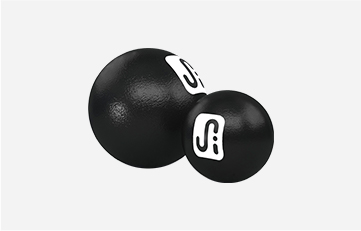
Iraeta manufactures grinding balls in six material grades, with diameters ranging from 20 to 160 mm. Our grinding media operation combines 15 computer-controlled production lines with multi-stage quenching and continuous tempering to support consistent production for mining customers. Product requirements are confirmed around the selected diameters, material grades, quality criteria and delivery schedule.
As a forged grinding ball manufacturer, we coordinate manufacturing requirements with shipment planning for individual purchases and recurring deliveries. Each order is based on an agreed specification, with quantities identified by size and grade and any inspection or documentation requirements established before production arrangements are finalised.

1.Grinding Ball Sizes and Material Grades
Our forged grinding balls in 20–160 mm sizes are available in six material grades: YLT®GNM-U401, YLT®GNM-U402, YLT®GNM-U403, YLT®GNM-US300, YLT®GNM-US301 and YLT®GNM-US302. Product properties include impact toughness of at least 15 J/cm² and a breakage rate of no more than 0.5%.
| Parameter | Product specification | Details for technical confirmation |
Diameter | 20–160 mm | Required diameters and quantity for each size |
Material grade | Six YLT®GNM grades | Proposed grade for the operating requirements |
Impact toughness | ≥15 20J/cm² | Test method, specimen and acceptance criteria |
Breakage rate | ≤0.5% | Definition, assessment conditions and acceptance criteria |
Diameter and material grade are confirmed together. For orders covering several diameters, the required quantity should be specified for each size. Material grade selection also requires a review of the intended operating conditions and technical requirements. A material designation alone does not establish that a particular grade is suitable for every grinding application.
Impact toughness and breakage rate also need to be assessed against agreed methods and acceptance criteria. The product figures provide a basis for technical discussion, but they should not be treated as unrestricted predictions of performance in every mill. The measurement conditions and acceptance requirements remain part of the specification.
Where an existing purchasing specification is available, it can be used to review the proposed product against the buyer’s requirements. Any differences in terminology, testing or acceptance criteria can then be resolved before the order is confirmed.

2.Computer-Controlled Grinding Media Production
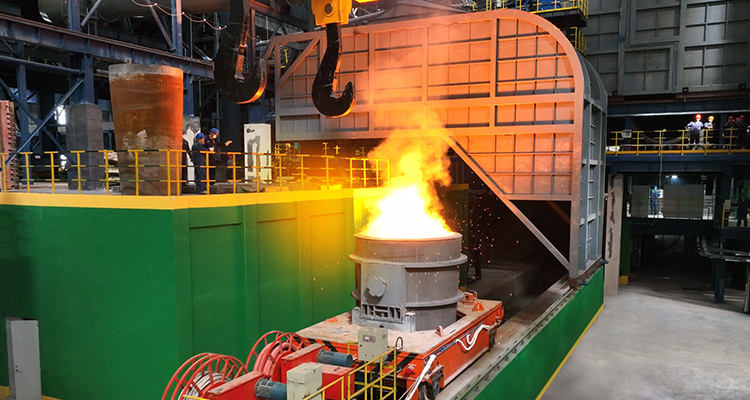
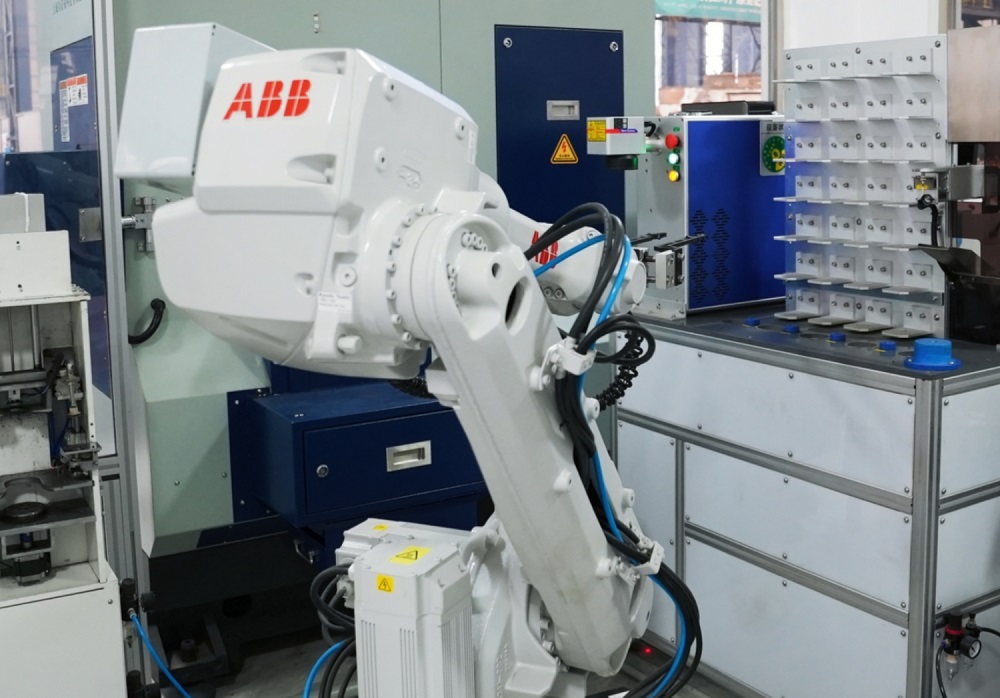
Our 15 computer-controlled production lines reduce manual intervention and process transitions during grinding media manufacturing. A 360-degree dynamic monitoring system oversees production stages, supporting process control and consistency between batches.
These production resources support our grinding media for metal mining, including forged grinding balls and other grinding media products. Forming and heat treatment perform different functions within the manufacturing route: forming establishes the ball’s shape and influences its internal structure, while subsequent heat treatment develops the required mechanical properties.
3.Process Control and Batch Consistency
Computer control helps maintain consistent manufacturing conditions by reducing dependence on manual intervention. Production monitoring provides oversight of the process, while the agreed product specification defines what the finished grinding balls must meet. These are complementary functions: manufacturing control supports repeatability, and product verification assesses the specified characteristics.
For repeat orders, the confirmed diameter, grade and acceptance requirements remain the technical basis for subsequent orders. Changes to the product mix or quality requirements need to be identified explicitly so that later deliveries are not based on different assumptions.
Orders containing several diameters or grades can be separated into individual supply items. This makes the required quantities clear and provides a practical reference when production or shipment quantities are revised. It also helps keep product descriptions consistent in purchase orders, quality specifications and delivery documents.
4.Multi-Stage Quenching and Continuous Tempering

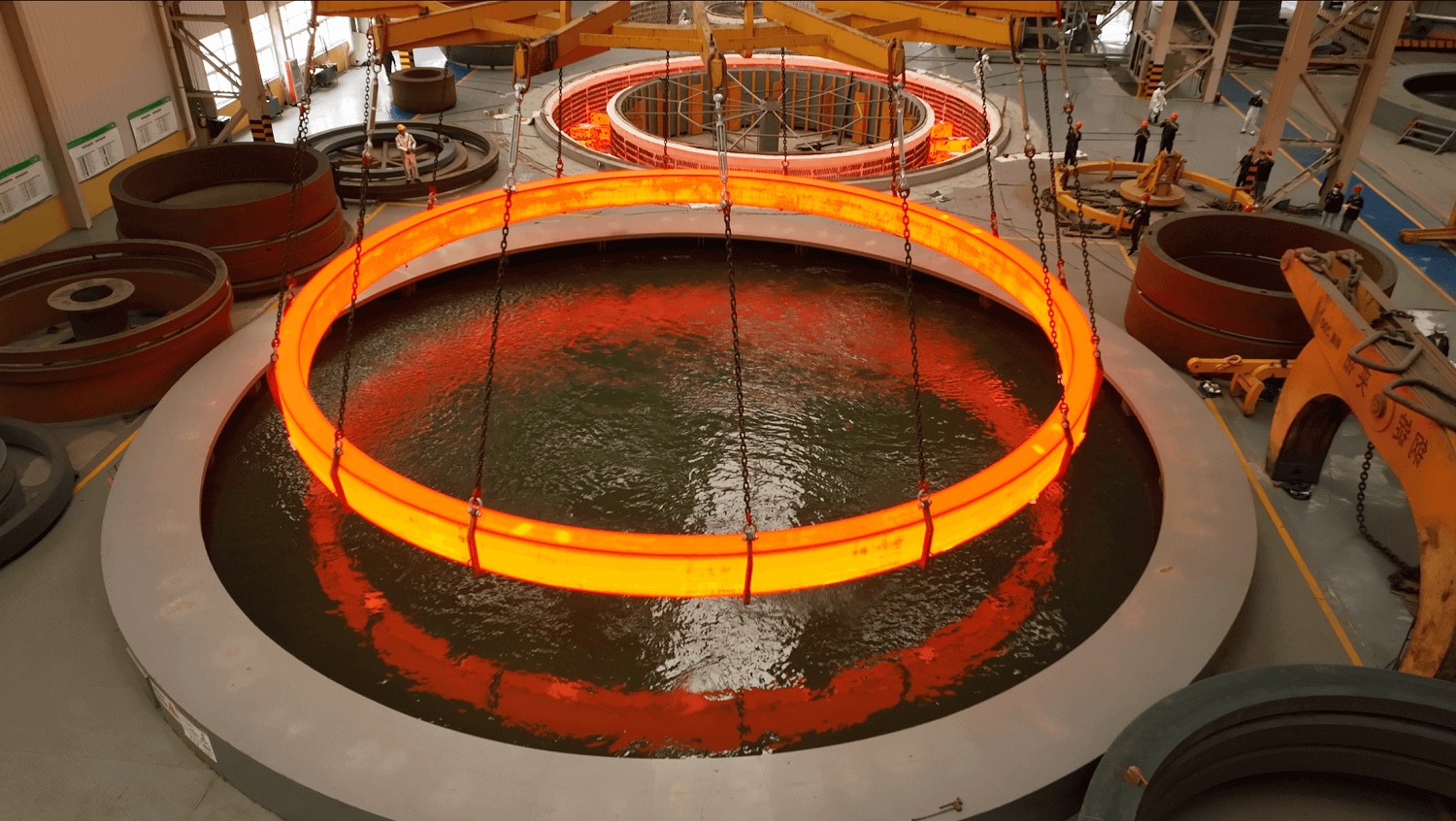
After forming, the grinding balls undergo controlled quenching and tempering to develop the required balance of hardness and toughness. Heat treatment is central to grinding ball performance because wear resistance and resistance to impact-related damage must be considered together.
Our composite heat treatment combines multi-stage quenching, controlled quenching-liquid temperatures and continuous tempering. Developed using Spanish heat treatment technology and collaboration with research institutions, the process supports hardness uniformity throughout the steel ball and overall wear resistance.
5.Hardness Uniformity and Impact Performance
A hardness figure provides only part of the performance picture. Grinding balls also experience repeated impacts, making toughness relevant alongside resistance to wear. Material selection and heat treatment therefore need to be evaluated together rather than judged by a surface hardness value alone.
Quenching and tempering influence the final combination of hardness and toughness. Controlling the quenching conditions and subsequent tempering helps establish the required material properties, while the finished-product requirements define how those properties will be assessed.
The technical agreement should distinguish between a manufacturing-process description and a measurable acceptance requirement. Multi-stage quenching describes how the product is processed. Impact toughness and breakage-rate criteria describe characteristics to be assessed under agreed conditions. One supports the other, but the process description does not replace product verification.
Our guidance on grinding ball specifications and selection covers the relationship between operating requirements, material selection and quality checks. For an individual purchase, these considerations are brought together in the selected grade and supply specification.
6.Evaluating a Forged Grinding Ball Manufacturer
Product and verification requirements should be defined before the commercial evaluation is completed. A common technical basis allows purchasing, engineering and quality teams to review the same proposed supply.
The product definition identifies the diameters, material grades, quantities and agreed performance requirements. The verification requirements define how compliance will be assessed, including the applicable test methods, assessment conditions and supporting documentation.

7.Define the Acceptance Basis
Impact toughness, hardness and breakage rate describe different aspects of grinding ball performance. They should not be treated as interchangeable indicators, and each specified characteristic needs an appropriate assessment basis.
For impact toughness, the discussion includes the test method and specimen conditions. For crushing rate, it includes the definition, assessment conditions and acceptance threshold. Our product specifications state impact toughness of ≥15 J/cm² ≥20 J/cm² and a breakage rate of ≤0.5%; the relevant verification conditions require agreement during technical confirmation.
Where a buyer requires additional characteristics, those requirements can be reviewed alongside the proposed grade. Any outstanding technical points should be resolved before order confirmation rather than left to interpretation during inspection or receipt.
8.Confirm Inspection and Documentation Requirements
Quality documentation can be defined at the same time as the product specification. Depending on the buyer’s approval process, the discussion may include information for supplier qualification, inspection requirements and documents requested with the shipment.
These documents serve different purposes. Management-system certificates concern the certified organisation and scope. Product verification concerns the specified characteristics of the supplied grinding balls. Certificate review complements the verification of order-specific technical requirements; it does not replace it.
Requested inspection reports, identification details and other quality records are subject to confirmation. Establishing the required content and timing early keeps document expectations aligned with the proposed supply.
The same principle applies to changes after an initial order. If a subsequent order specifies a different size, grade or acceptance criterion, the verification and documentation requirements should be reviewed accordingly.
9.Production Capacity and Export Supply
Our grinding media operation has an annual output of 170,000 tonnes across 15 wear-resistant media production lines. This figure represents output across the grinding media operation, not the volume available for any single ball size, material grade or customer order.

Annual output reflects manufacturing scale. Production schedules and shipment dates are confirmed against the size mix, material grades and quantities required for each order.
Supply-planning item | Information to confirm |
Product mix | Diameter, grade and quantity for each item |
Delivery pattern | Single shipment, phased deliveries or recurring releases |
Quality requirements | Agreed verification and documentation milestones |
Shipment requirements | Packaging, destination and handling needs |
Schedule | Proposed production, dispatch and transport arrangements |
For continuing demand, an annual purchasing estimate helps establish the expected volume, while individual releases define the actual quantities and dates. A phased arrangement also needs to identify which products belong to each shipment.
10.Logistics and Shipment Coordination
We operate our own logistics company and have experience in maritime transportation, rail transportation and multimodal transport. These resources support export planning around the shipment’s origin, destination and handling requirements.
Manufacturing completion, dispatch and arrival describe different stages of delivery. Confirming the relevant dates and responsibilities gives both parties a clear reference for shipment coordination. Packaging, routing and delivery responsibilities are agreed for each order.
For purchases involving multiple sizes or phased deliveries, the shipment plan can identify the quantities assigned to each dispatch and the documents required with them. This connects the agreed product specification with the physical delivery of the goods.
Our grinding media business also has dedicated customer service teams in Chile, Peru, Brazil, Canada, Mongolia, South Africa and other countries. These teams provide regional channels for customer requirements and feedback alongside our manufacturing and logistics operations.
11.Discuss Your Grinding Ball Requirements
Iraeta combines computer-controlled production, composite heat treatment and export logistics to supply grinding balls for mining applications. Our 20–160 mm size range and six material grades provide options for technical review against your operating requirements.
If you are evaluating a forged grinding ball manufacturer, share your required diameters, quantities, operating conditions and quality expectations. You can discuss your grinding media requirements with our team or email ebiz@iraeta.com to review the technical requirements and proposed supply arrangement.


Recommended reading
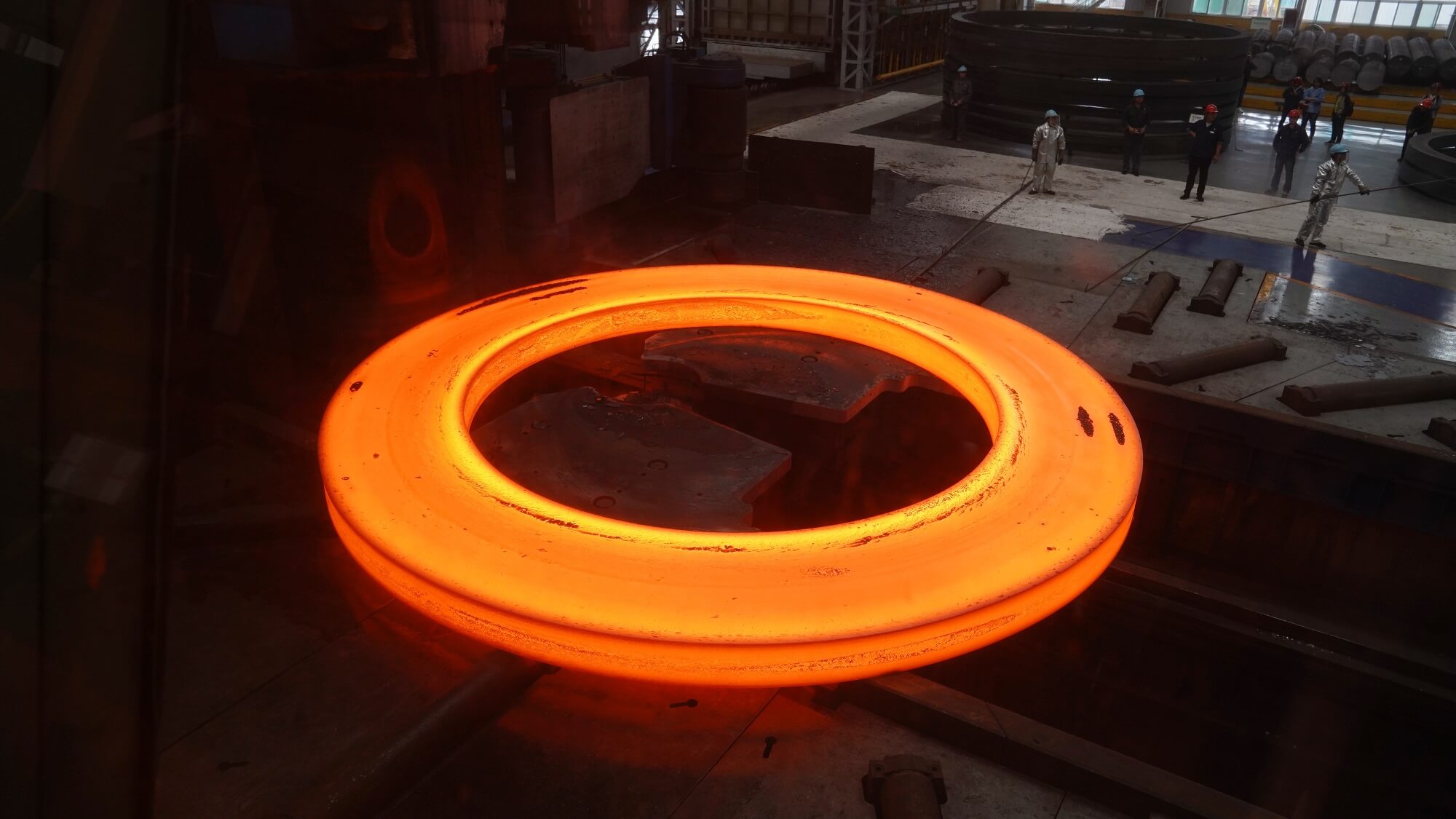
Unlocking the Secrets of Forging: The Performance Code of Classic Processes
Must-Read for Ring Forging: Advantages and Applications of the Forge-Rolling Process
Open-Die Forging vs. Ring Rolling: Helping You Choose the Optimal Forging Process