














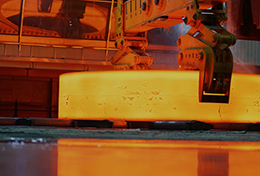


Seamless Rolled Ring for Gas Turbines: A Drawing Review Guide
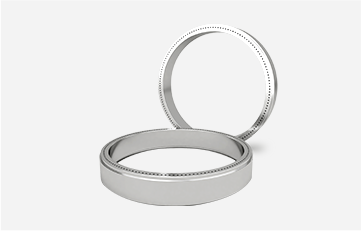
To assess whether a seamless rolled ring for gas turbines is feasible, start with the full section drawing, the specified material, and the condition required at shipment. Agree which features will be rolled, which will be machined before delivery, and which will remain for the buyer. If the ring will arrive partly machined, the supply drawing should show the shipment dimensions, reference surfaces, and machining stock left on each unfinished surface.

Review the Full Ring Section
Outside diameter, inside diameter, and axial height define the ring envelope. The section view locates each shoulder, recess, and change in wall thickness within that envelope. For a stepped bore, identify each diameter and the axial position of its step. Mark any surface or axis the buyer intends to use as a datum for the next machining setup.
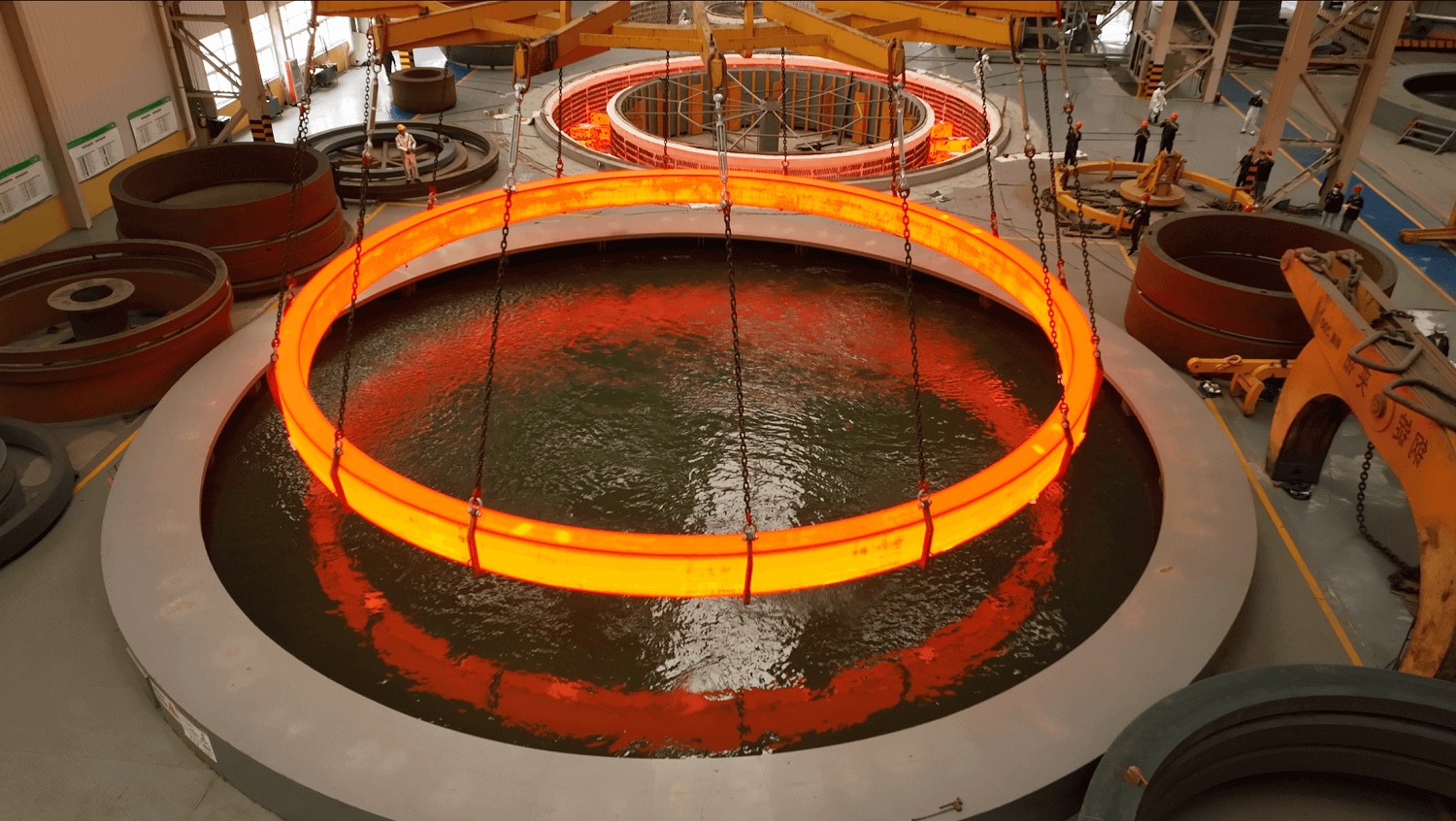
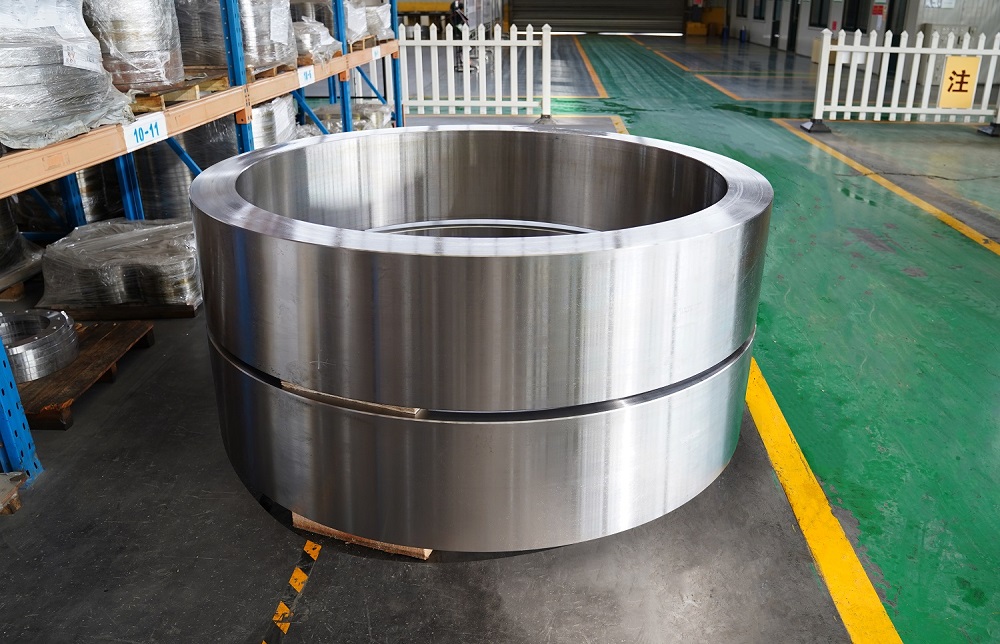
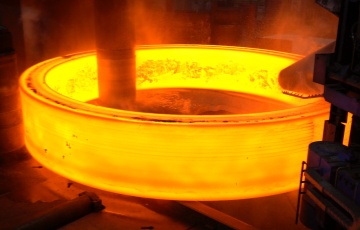
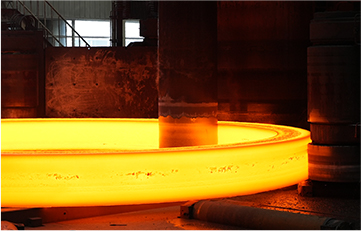
Iraeta’s custom ring forgings cover a range of ring geometries. For a gas turbine inquiry, feasibility depends on the specific section, material, shipment condition, and project qualification requirements. The published product range is not evidence of approval for a particular turbine component.
| Drawing item | Finished component | Ring at delivery |
| Main diameters and axial height | Final outside diameter, inside diameter, and height | Shipment dimensions and any stock left for later machining |
| Section profile | Final sizes and locations of steps, shoulders, and recesses | Profile at shipment, with formed and machined surfaces identified |
| Datums | Reference surfaces or axes for finished dimensions | References available at delivery for inspection or the next machining setup |
| Functional surfaces | Final dimensional tolerances and surface requirements | Requirements applicable to the surfaces supplied |
| Local features | Finished holes, grooves, and other details | Features completed, partly machined, or excluded |
Identify the final drawing number and revision on the supply drawing. If the final section changes, review the affected shipment dimensions before releasing the revised scope. Where the final drawing and the purchase documents specify different conditions for the same surface, identify the requirement that applies at shipment.
Define the Rolled Profile and Machining Scope
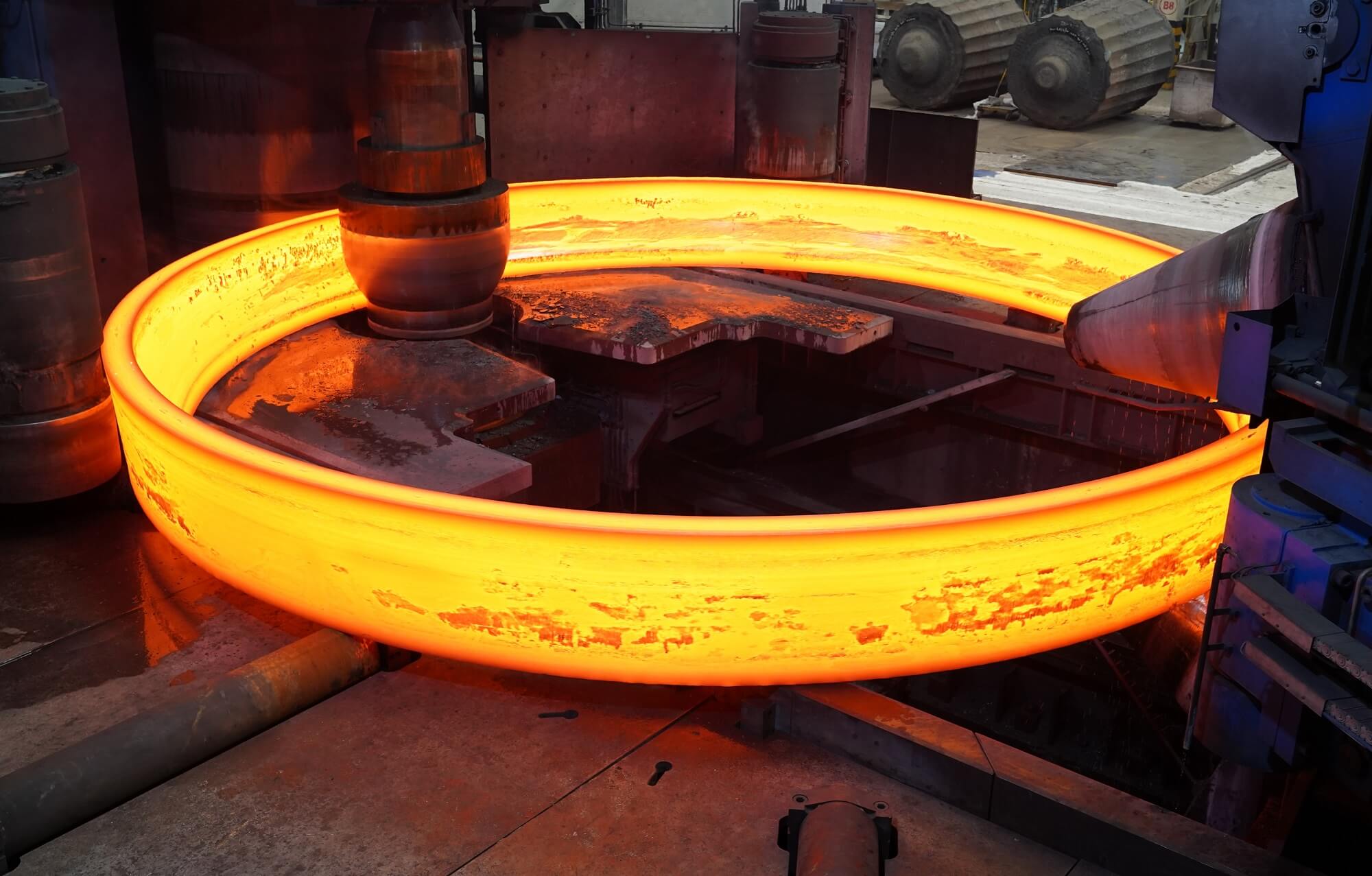
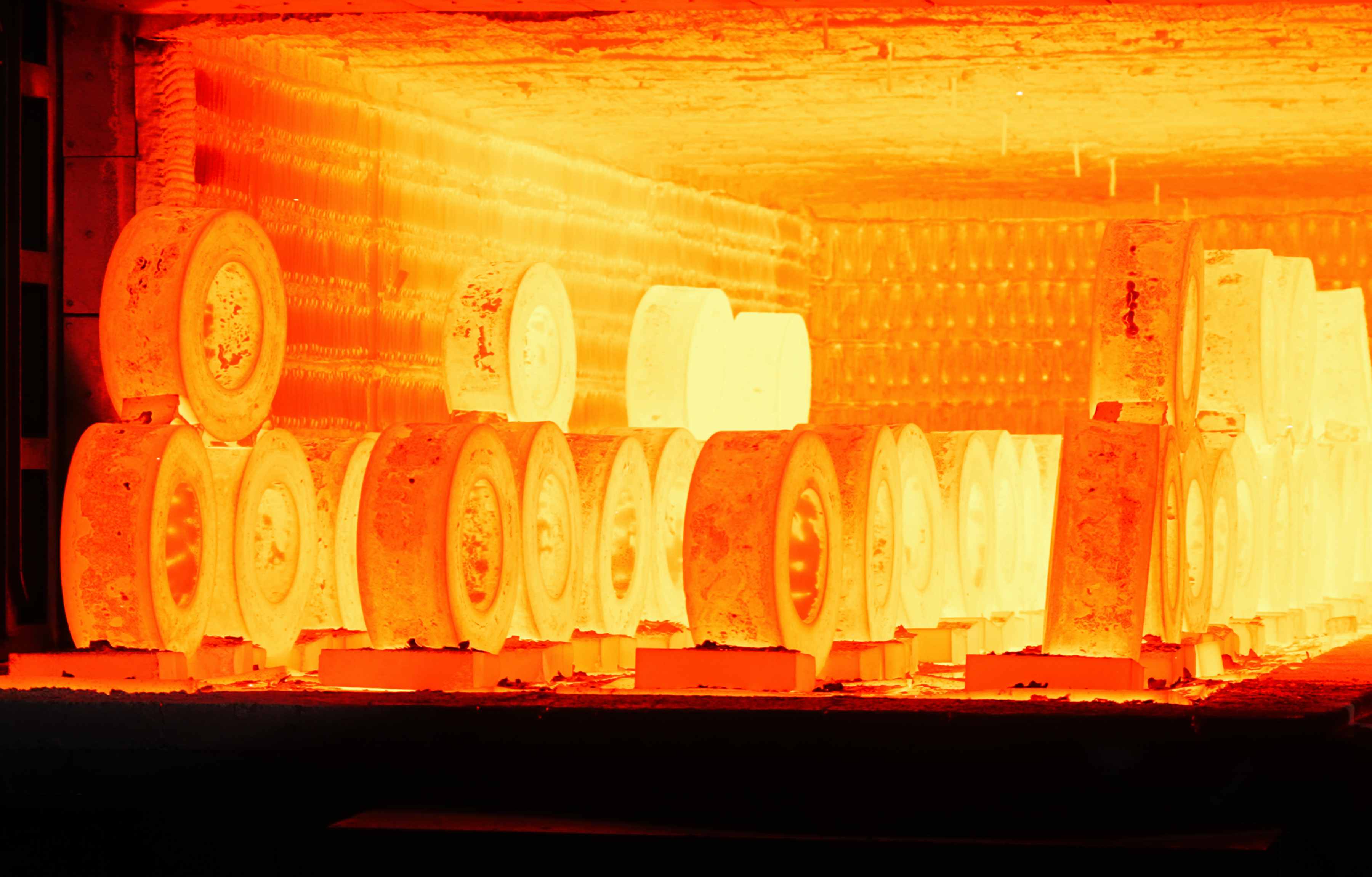
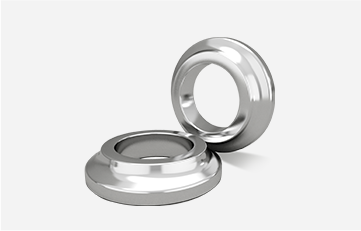
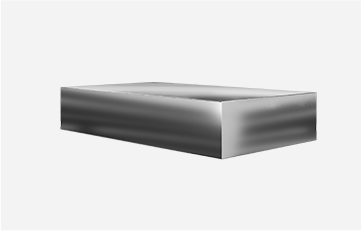
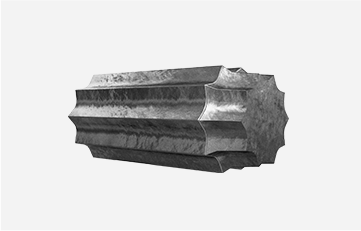
Iraeta lists rectangular and profile ring rolling, heat treatment, and machining among its general forging capabilities. For a ring with a stepped section, the manufacturer may review a rectangular rolled section with the step left for machining, or a profiled section with part of the step formed during rolling. Each proposal should identify the formed profile and list the machining operations included before shipment.
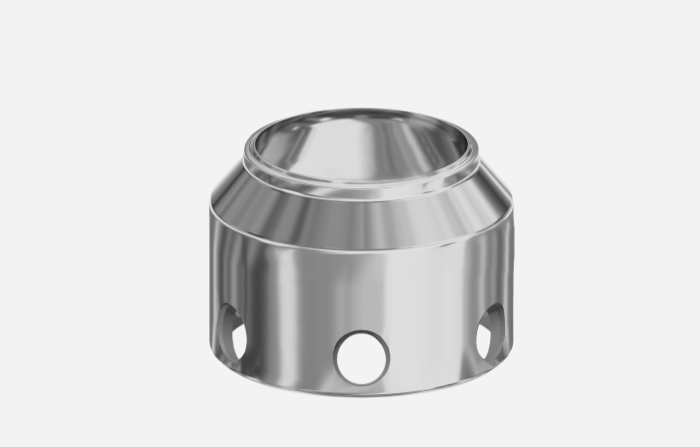
Consider an illustrative ring with a stepped bore, one axial reference face, and a connection-hole pattern. The buyer will machine the holes after delivery and use the reference face to locate the ring. The description “rough-machined ring, holes excluded” leaves the condition of that face and the bore undefined. A feature-level scope reads as follows:
| Feature | Proposed supply condition | Drawing or quotation entry |
| Stepped bore | Both bore diameters rough-machined | Intermediate diameters, axial position of the step, and machining stock on each bore surface |
| Axial reference face | Machined to the agreed shipment requirement | Datum identification and applicable dimensional or surface requirements |
| Opposite face | Stock retained for the buyer’s final machining | Shipment height and stock remaining on the face |
| Connection holes | Hole machining excluded | Any expressly included preparatory work; otherwise, all hole machining remains with the buyer |
For every surface left for later machining, state the stock required at delivery. If the next setup depends on a face or diameter, identify that feature and its required condition on the supply drawing. List any provisional dimensions separately from agreed shipment dimensions.
Specify the Material and Thermal Condition at Shipment
Specify the material grade, governing specification and revision, and thermal condition at shipment. If the project requires a particular sequence for heat treatment, machining, or testing, include that sequence in the inquiry. Any proposed change should appear as a deviation in the quotation.
Iraeta lists quenching and tempering, solution annealing, and solution treatment followed by aging among its general forging capabilities. The applicable treatment for a gas turbine ring comes from the material and component specifications. If the purchase documents do not identify the required condition, leave it open for technical review rather than assuming a treatment from the grade alone.
| Order requirement | Supplier response |
| Governing material requirements | Specification and revision covered by the proposal, with any exceptions listed |
| Specified operation sequence | Operations scheduled before and after heat treatment, where the order defines that sequence |
| Processing after delivery | Operations left to the buyer and any requirements that apply after those operations |
| Material and process records | Documents included with the shipped ring and the condition or stage each record covers |
For related requirements on delivery geometry and processing, see Iraeta’s project-specific rolled ring design and delivery guide.
Set Acceptance Criteria for the Ring at Delivery
For an intermediate ring, define shipment acceptance against the agreed supply drawing and inspection requirements. Assign verification of buyer-machined features to the applicable later stage. Where the purchase documents call for testing before or after a specific operation, identify the test, the stage, and the records required at release.
| Item | Verification stage | Acceptance record |
| Rough-machined bore | After the supplier’s agreed machining and before shipment | Dimensional results against the intermediate bore sizes on the supply drawing |
| Reference face supplied to an agreed tolerance | Before shipment | Results against the requirements specified for that face at delivery |
| Final bore machined by the buyer | After the buyer’s machining operation | Dimensional results against the finished drawing |
| Material or additional tests specified by the project | At the stage required by the purchase documents | The specified test report and any required approval |
| Proposed deviation from the order | At the review point defined in the purchase documents | Written disposition by the designated party |
Inspection records should identify the drawing revision and the condition of the ring at the time of verification. If the buyer must review results before work proceeds or before shipment, state the review point, the records to submit, and who can release the ring. Keep requirements that apply only after buyer machining off the supplier’s shipment acceptance list unless the purchase documents assign them differently.
Request a Quote for a Gas Turbine Ring
A request for quotation (RFQ) can cover one delivery condition or ask for alternatives. If the buyer is deciding where to finish-machine the bore, request separate prices for each option against the same final drawing revision. Ask the supplier to identify the proposed shipment geometry, machining included, inspection records, and exclusions for each price.
| RFQ field | Information to send or request |
| Drawing package | Final drawing and revision, full section view, and an annotated supply drawing if available |
| Material and processing | Grade, specification revision, thermal condition at delivery, and any mandatory operation sequence |
| Geometry at shipment | Intermediate or finished dimensions, stock by surface, and reference features required for the next setup |
| Inspection and documentation | Acceptance criteria, verification stages, required records, and any buyer approval points |
| Commercial inputs | Quantity, requested delivery date, and instructions for pricing alternatives |
| Supplier response | Proposed formed profile, machining split, deviations, and items still open for review |
For the stepped-bore example, the buyer could request these two options. In both, the axial reference face is machined to the same shipment requirement and the connection-hole pattern remains with the buyer.
| Quotation item | Option A: Rough-machined bore | Option B: Finish-machined bore |
| Bore condition at delivery | Both diameters rough-machined, with stock left for finishing | Both diameters finish-machined to the specified requirements |
| Drawing dimensions used for bore acceptance | Intermediate diameters and step location on the supply drawing | Final diameters and step location specified for delivery |
| Bore inspection record | Results for the intermediate geometry | Results for the finished geometry |
| Buyer’s remaining work | Finish the bore and machine the connection holes | Machine the connection holes |
Use the same drawing revision for both options. Ask the supplier to list any deviations separately, rather than incorporating them into the quoted scope without comment.
Confirm the Ring Supply Scope Before RFQ
Review the full ring section, then agree on the formed profile, shipment dimensions, and machining split. Specify the material and thermal condition at delivery, the features to be inspected, and the records required with the ring. Keep buyer-side operations separate from the supplier’s quoted work.
For an initial manufacturability review, contact Iraeta or email your current drawing to ebiz@iraeta.com. Include the material specification, required delivery condition, quantity, target delivery date, and any project-specific qualification requirements. If the bore machining scope is still open, request separate quotes for rough-machined and finish-machined options, with shipment dimensions, inspection scope, and exclusions listed for each.


Recommended reading
Unlocking the Secrets of Forging: The Performance Code of Classic Processes
Must-Read for Ring Forging: Advantages and Applications of the Forge-Rolling Process
Open-Die Forging vs. Ring Rolling: Helping You Choose the Optimal Forging Process