





















Custom-Machined Forged Flange: Defining the Wind Power Machining Scope
The machining scope for a custom-machined forged flange starts with the condition required at delivery. Identify which faces, diameters, and holes must be finished, where machining stock must remain, and which operations will take place after delivery. Reference the governing drawing revision in the quotation, record the agreed delivery condition in the purchase order, and base dimensional inspection on the features and limits specified for that condition.
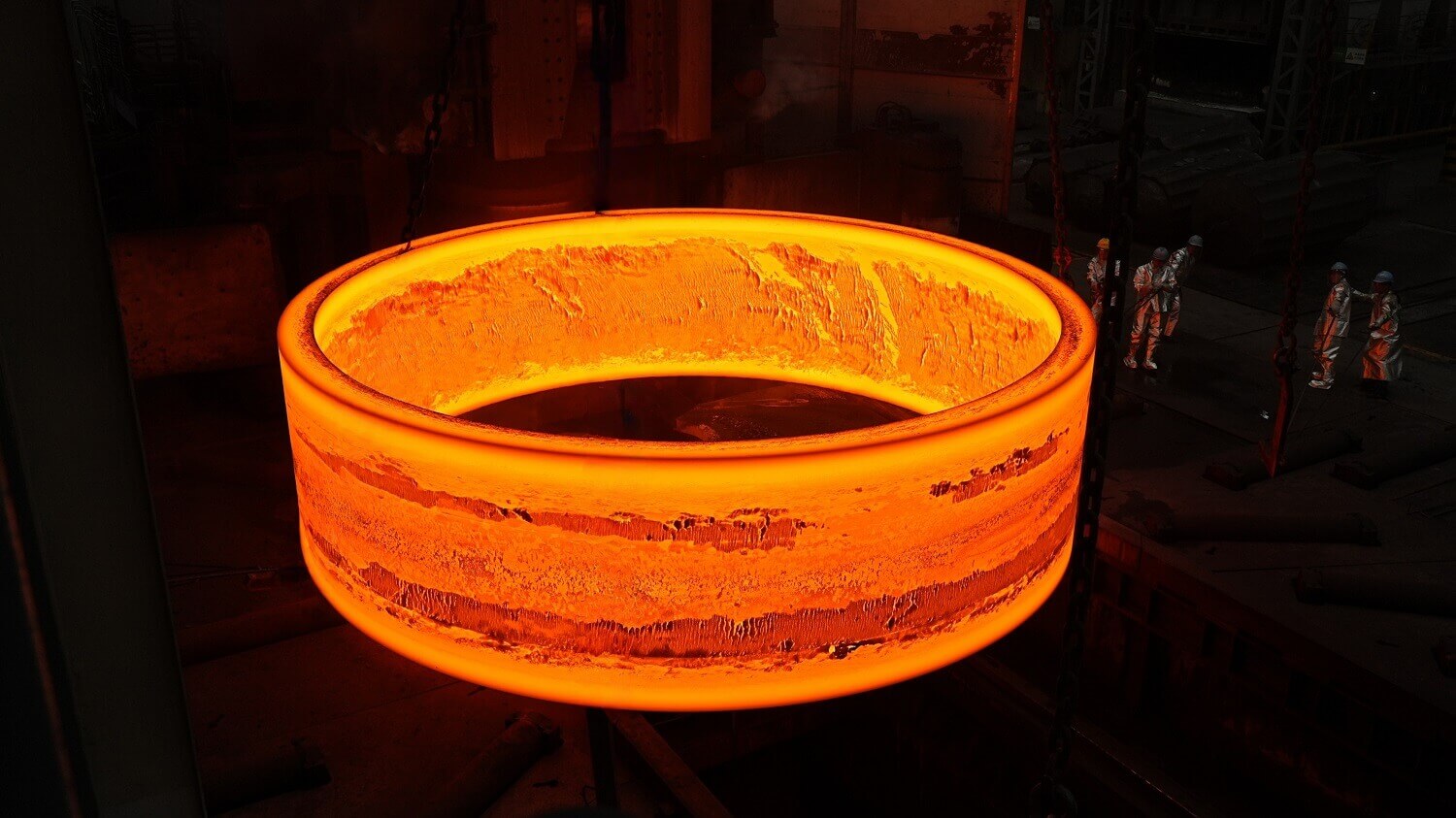
Iraeta’s wind power flange range includes tower flanges and pile flange rings. For these structural components, the connection drawing defines the section profile and finished features; the purchase order defines which of those features the supplier will complete before shipment.
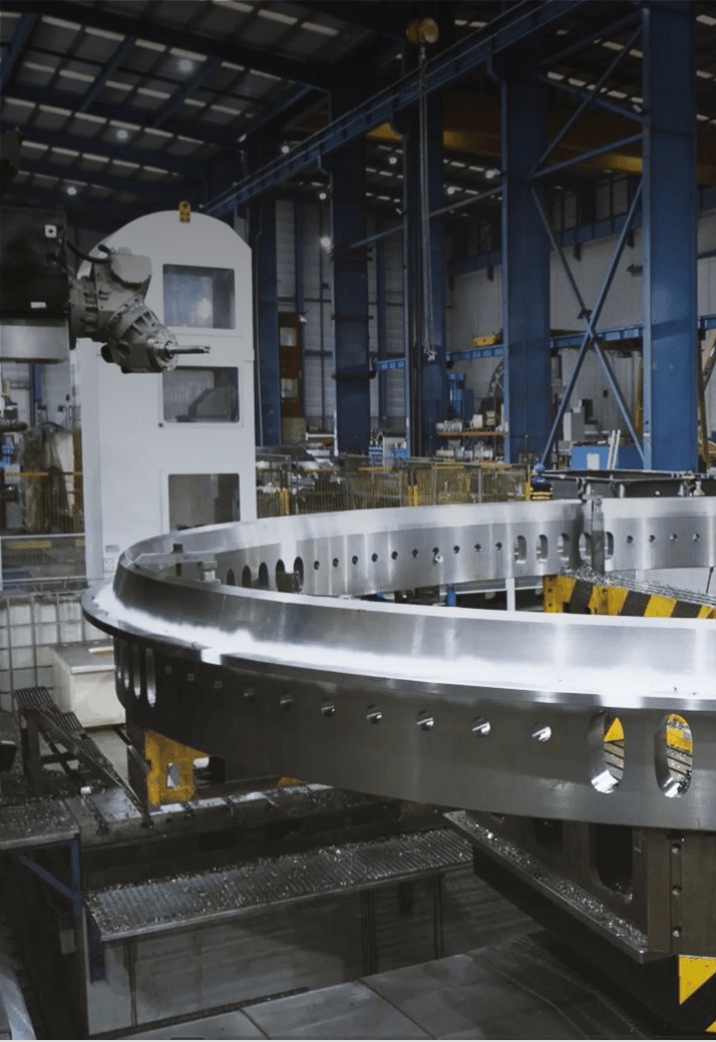
Delivery Condition and Machining Responsibilities
| Delivery condition | Supplier scope | Buyer or downstream fabricator scope |
| Forged ring for downstream machining | Supply the ring to the agreed forging geometry and stock requirements. | Machine the specified features to final dimensions. |
| Part-machined flange | Finish the listed features and retain stock or leave other features unmachined as agreed. | Complete the remaining operations and verify the features machined downstream. |
| Finish-machined flange | Complete the machining listed in the order and provide the agreed inspection records. | Review the documents and perform any required receiving checks. |
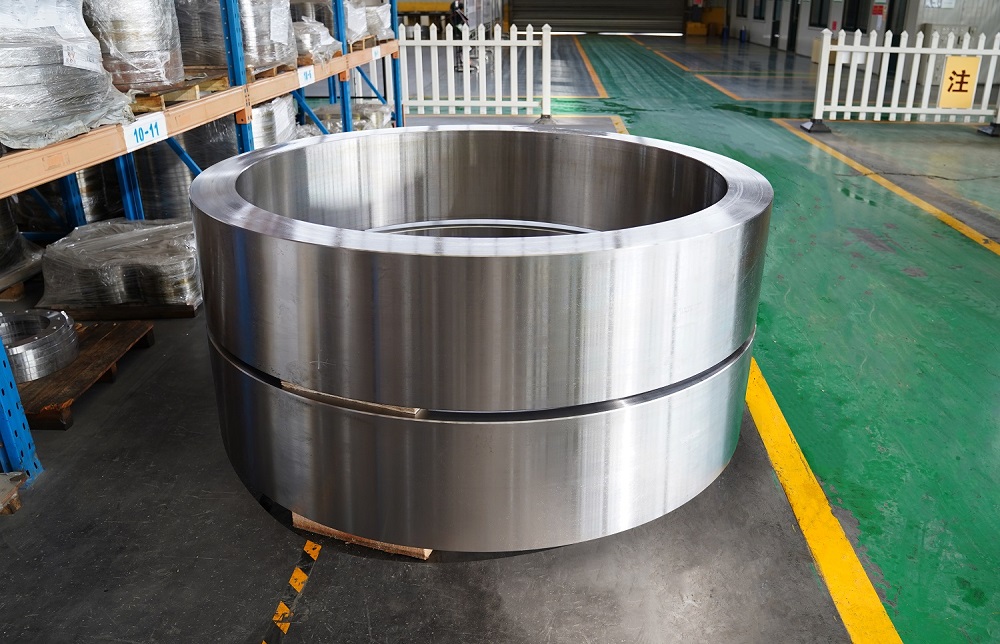
For a part-machined flange, specify the stock to be retained on each unfinished surface and the dimensions required at delivery. For example, if the supplier finishes one connection face and the buyer finishes the opposite face, the order should identify the finished face and state the axial height required at handover. The final axial height applies after the second face has been machined.
Set the delivery condition with the team responsible for the next operation. If that team will finish a face or drill the holes, confirm what it needs from the incoming ring before finalizing the supplier’s scope. Where a downstream operation relies on a particular surface for setup, identify that surface and its required condition in the inquiry. Do not leave a setup requirement to be inferred from the final dimensions alone.
Drawing Features and Quoted Operations
Use the drawing for the specific connection to define the section profile and machined features. Tower, transition-piece, and monopile flanges can differ in section and interfaces, even when they belong to the same project. Send the drawing number and revision, section views, and referenced detail sheets with the inquiry. Where the drawing shows final geometry but the order calls for a part-machined ring, list the dimensions required at delivery separately.
| Drawing feature | Quotation requirement | Inspection requirement |
| Outside and inside diameters | State the dimensions required at delivery and identify surfaces with stock remaining. | List the supplied dimensions to be recorded and the applicable limits. |
| Connection faces and axial height | Identify which faces will be finished and which will retain stock. State the axial height required at delivery. | List the agreed face checks and height measurements. |
| Hole pattern, where specified | Include or exclude drilling. If included, identify the governing detail view. | List the hole dimensions and locations to be reported, if required by the order. |
| Section details | Identify the transitions, recesses, and edge details included in the machining scope. | Reference the section views and callouts that govern the checks. |
| Material and heat-treatment condition | State the specified steel grade and required condition at delivery. | List the material and heat-treatment documents required by the order, separately from dimensional records. |
Resolve differences between the drawing and the model before placing the order. If a recess appears in the model but has no drawing callout, identify the governing document and record whether the recess is included in the quoted machining. If a revision changes the axial height, hole layout, or stock requirements, confirm that the updated quotation and inspection requirements refer to the revised documents.
Quote Comparison and Scope Exclusions
Compare prices at the same delivery condition. The two illustrative quotes below cover the same flange drawing but divide the machining differently.
| Scope item | Quote A | Quote B |
| Connection faces | Both faces finish-machined | One face finished; stock retained on the opposite face |
| Hole pattern | Drilling included | Drilling excluded |
| Supplier inspection | Agreed checks on the finished faces and drilled features | Agreed checks on the part-machined ring |
| Downstream work | Receiving checks specified by the buyer | Finish the remaining face, drill the holes, and verify both features |
For Quote B, include the remaining machining and inspection in the cost comparison. Check whether those operations fit the production schedule before comparing delivery dates. Record agreed exclusions in the purchase order and identify any supplied dimension that differs from the original inquiry. A quoted dispatch date and the date the flange is ready for assembly are separate planning milestones when work remains after delivery.
Iraeta’s ring forging and CNC machining capabilities include rectangular and complex-profile ring rolling, as well as cutting, grinding, and drilling. Only the operations listed in the quotation are included in the quoted scope.
Diameter and Project Feasibility
Iraeta reports a maximum delivered wind power flange diameter of 12 m and a maximum processable flange diameter of 21 m. The 12 m figure records completed supply; the 21 m figure is a published processing limit, not a delivered size. For a project-specific review, submit the outside and inside diameters, axial height, section profile, steel grade, and required machining together. Diameter alone does not establish whether the required section and machined features can be supplied.
| Published wind power project | Turbine listing | Reported flange diameter | Reported flange quantity |
| Moray West | SGRE 14 MW | 7.9 m | 152 pieces |
| Dominion | SGRE 14 MW | 7.5 m | 83 pieces |
The quantities are flange pieces, not turbines. Project references do not establish the tolerances, machining scope, or documentation available for a new order.
For a preliminary review, separate fixed requirements from open drawing details. If the ring profile and connection faces are defined but the hole pattern is still under design review, request a feasibility assessment for the defined features and mark drilling as open. Issue the released hole detail and associated inspection requirements before requesting a firm quotation for the complete machining scope.
Inspection Records and Order Release
Agree which dimensional checks the supplier will record before dispatch. For a finish-machined flange, those checks apply to the finished features included in the order. For a part-machined flange, they apply to the dimensions and conditions required at handover. Final checks on surfaces or holes machined downstream remain with the party completing that work.
List dimensional, material, and heat-treatment records separately. Specify the drawing reference for the dimensional report and the part or batch identifiers required for the agreed records. If the order requires a heat-treatment record, tie it to the specified steel grade and supplied condition rather than assuming a single heat-treatment route for all wind power flanges.
| Feature or requirement | Supplier release record | Downstream verification |
| Connection face finished by the supplier | Record the agreed checks against the applicable drawing callouts. | Perform any receiving checks required by the order. |
| Connection face left with stock | Record the dimensions required for the supplied condition. | Verify the final face after machining. |
| Hole pattern excluded from supply | Record the exclusion in the order scope. | Verify the required hole dimensions and locations after drilling. |
| Steel grade and heat-treatment condition | Provide the documents specified in the order. | Check the documents against the purchase requirements. |
Record accepted deviations against the affected drawing feature and update the inspection requirements before shipment. If a deviation changes the machining stock, confirm that the team performing the next operation accepts the revised supplied condition before releasing the flange.
Information to Include in the RFQ
Flange application, drawing number and revision, section views, and referenced detail sheets.
Outside diameter, inside diameter, axial height, section profile, and specified steel grade.
Required delivery condition and heat-treatment condition.
Machining scope by face, diameter, hole pattern, and other applicable features.
Surfaces that must retain stock, dimensions required at handover, and operations assigned downstream.
Required dimensional checks and material or heat-treatment documents.
Order quantity, target delivery date, and any drawing details still under review.
For a part-machined flange, the RFQ can state the division of work directly:
Quote to the attached drawing revision. Finish the designated connection face and retain the specified stock on the opposite face. Supply the ring to the axial height specified for delivery. Exclude drilling. List any deviations and identify the dimensional and material records included in the quotation.
Finalizing the Machining Scope for Your Wind Power Flange
Define the delivery condition before comparing quotations for a custom-machined forged flange. Price the remaining machining and inspection alongside the supplier’s offer, then carry the agreed scope, exclusions, and release records into the purchase order. Use published diameter figures for initial screening and the project drawing for the feasibility review.
To request a feasibility review or quotation, send your flange drawing and revision, required delivery condition, order quantity, and target delivery date. Include any open machining details and the inspection records required with the shipment. Email ebiz@iraeta.com or submit your inquiry to Iraeta.


Recommended reading
Unlocking the Secrets of Forging: The Performance Code of Classic Processes
Must-Read for Ring Forging: Advantages and Applications of the Forge-Rolling Process
Open-Die Forging vs. Ring Rolling: Helping You Choose the Optimal Forging Process