














How to Qualify a Forged Flange Manufacturer in China
A forged flange manufacturer in China should be qualified against the product you intend to purchase, the factory proposed for production, and the evidence relevant to that scope. Start with comparable delivered components, then review manufacturing responsibility, applicable certificates, and the resources available for your order. Maximum equipment dimensions and group-wide credentials do not replace confirmation against the component drawing.
At Iraeta, we supply large-diameter flanges for wind power structures alongside a broader forging portfolio. For a new manufacturing qualification, send the component drawing and supplier approval requirements so we can address the proposed scope, relevant experience, and items requiring further technical review.

Start With the Flange Family and a Comparable Delivery
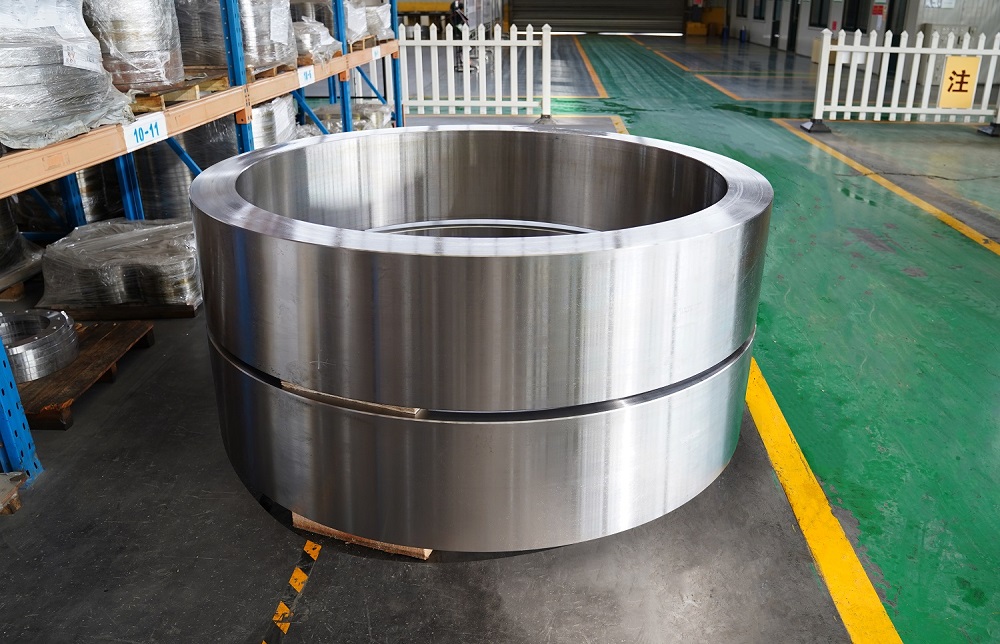
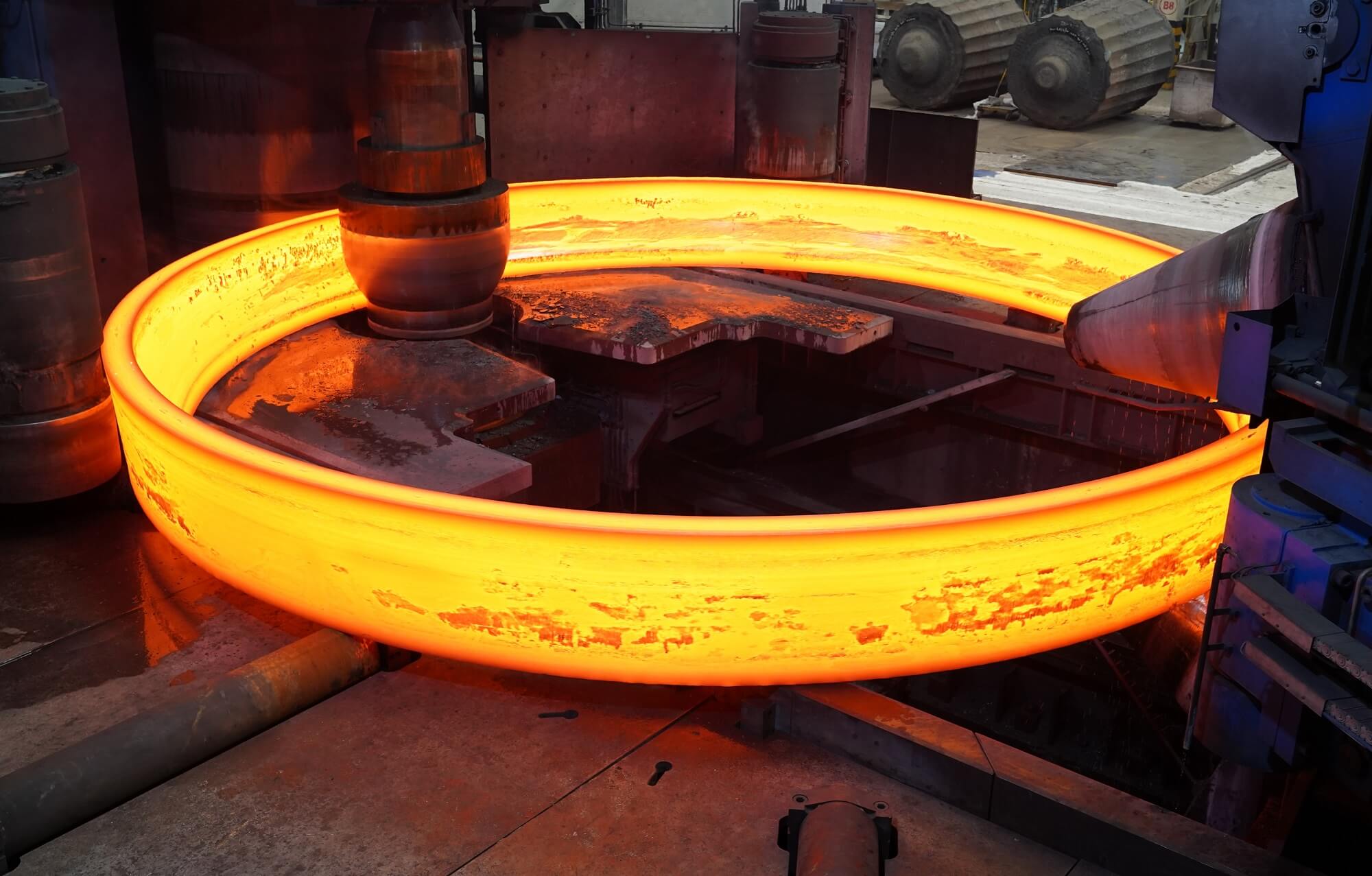
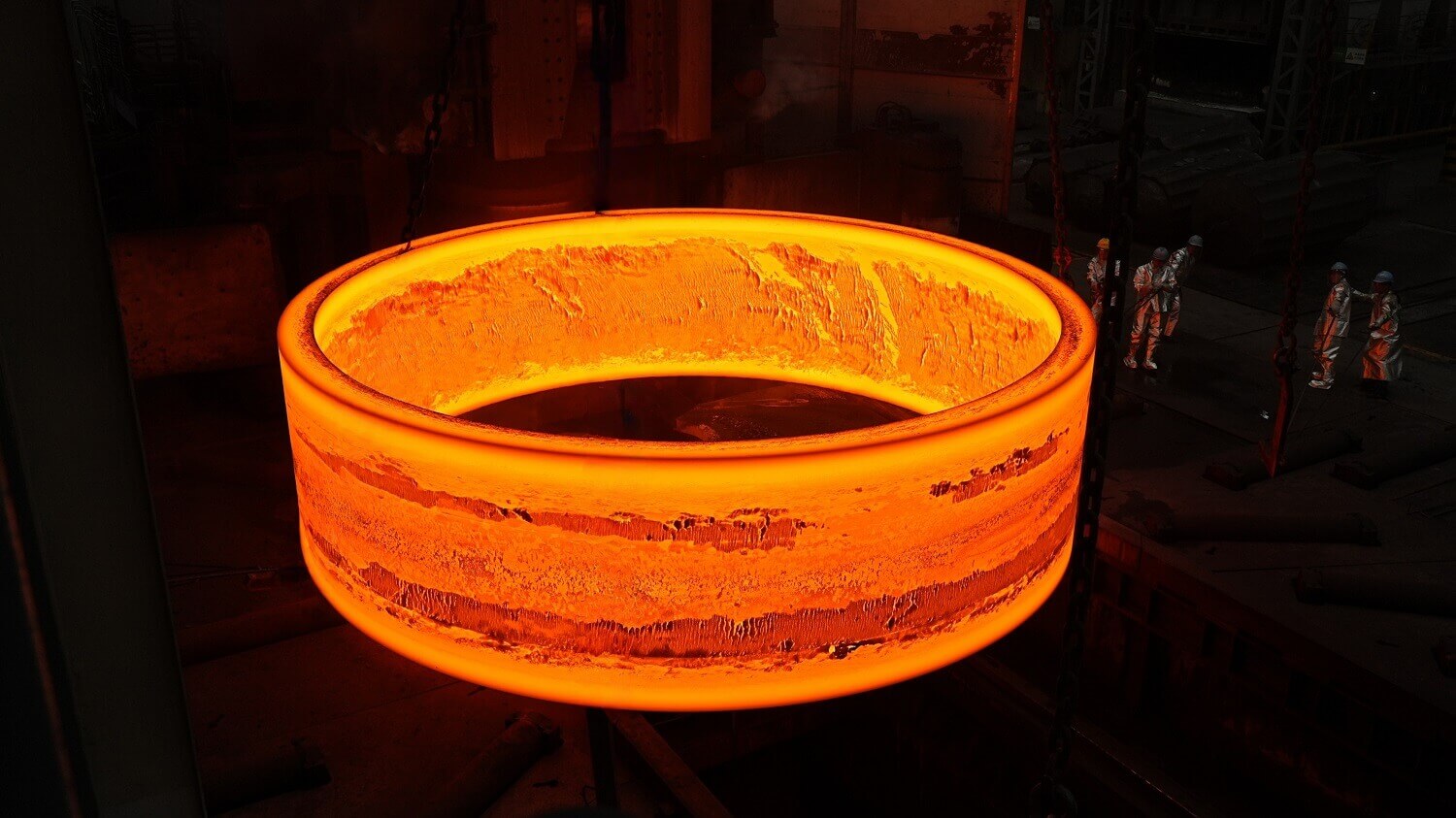
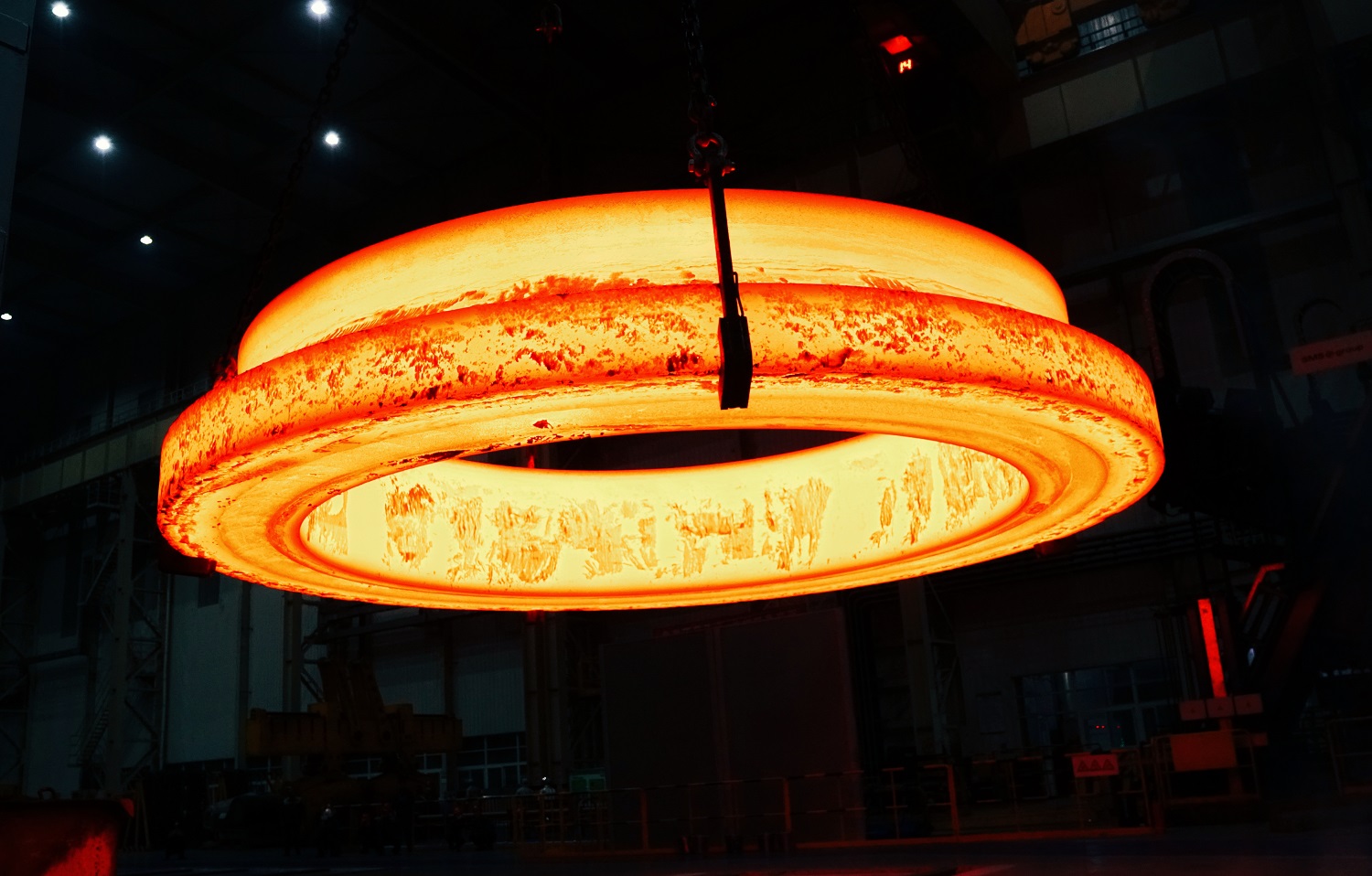
For tower and foundation structures, our wind power flange manufacturing range includes tower flanges and pile flange rings. Qualification for these components should focus on the section geometry, material requirements, machining, and project quantities relevant to the intended connection.
Give the qualification package a defined product scope. If your sourcing program covers several flange families, separate their technical requirements and approval criteria. An approval for one component should not automatically extend to every flange your organization buys.
For large structural flanges, review completed references alongside maximum manufacturing dimensions. A useful reference identifies the component diameter and quantity together. Material, section geometry, individual weight, machining condition, and inspection requirements need their own comparison.
Delivered Wind Power Flange References
Our completed references include the following projects. Quantities are flange pieces, not turbine counts.
| Project reference | Location | Flange diameter | Quantity |
| Moray West Offshore Wind Project | United Kingdom | 7.9 m | 152 pieces |
| Dominion Project | United States | 7.5 m | 83 pieces |
| China Resources Lianjiang Offshore Project | Fujian, China | 10 m | 390 pieces |
| CRRC Qihang Dongying Prototype Project | Shandong, China | 11.9 m | 14 pieces |
The Lianjiang reference combines a 10 m diameter with a 390-piece quantity. The Dongying prototype reference records an 11.9 m diameter and 14 pieces. Neither summary specifies every manufacturing or acceptance requirement.
When reviewing our delivered wind power flange projects, identify the characteristics that need to match your intended order. If a reference leaves a required detail unspecified, raise it as a qualification question rather than carrying an assumed value into the assessment.
Keep Delivered Size Separate From Processing Capacity
Our wind power flange range has a maximum delivered diameter of 12 m and a maximum processable diameter of 21 m. The first records completed supply; the second provides a processing envelope for reviewing proposed components.
For an order approaching or exceeding a previously delivered size, the technical review needs the full section and required supply condition. Outside diameter alone does not define the workpiece. Include the inside diameter, axial height, section profile, material specification, and machining requirements.
Use three separate entries in the qualification record:
Delivered reference: the completed component and the dimensions documented for it.
Published processing capability: the equipment or product-range limit being considered.
Proposed order: the geometry and scope requiring engineering confirmation.
A proposed flange within the published diameter envelope may still have a different section, material, or machining requirement from a completed reference. Record those differences for review rather than closing them solely because the outside diameter is smaller.
The same separation applies to quantities. A high-piece-count project is relevant to a production-program discussion, but it does not establish the available capacity or delivery date for a new order. Please include the intended batch sizes and requested schedule in the qualification package.
Verify the Proposed Flange Manufacturing Site in China
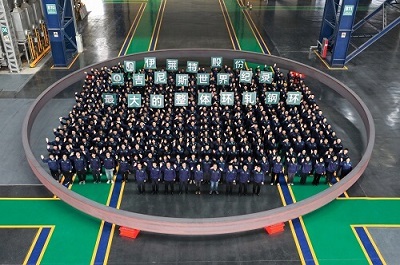
Iraeta operates production facilities in China and Spain. Our wind power flange resources include eight production lines in China and two in Spain. For a China-based sourcing requirement, the assessment should identify the proposed Chinese production location and the operations assigned to it.
Keep the contracting entity, manufacturing location, and inspection location identifiable in the approval record. Where more than one location is proposed, request the scope assigned to each.
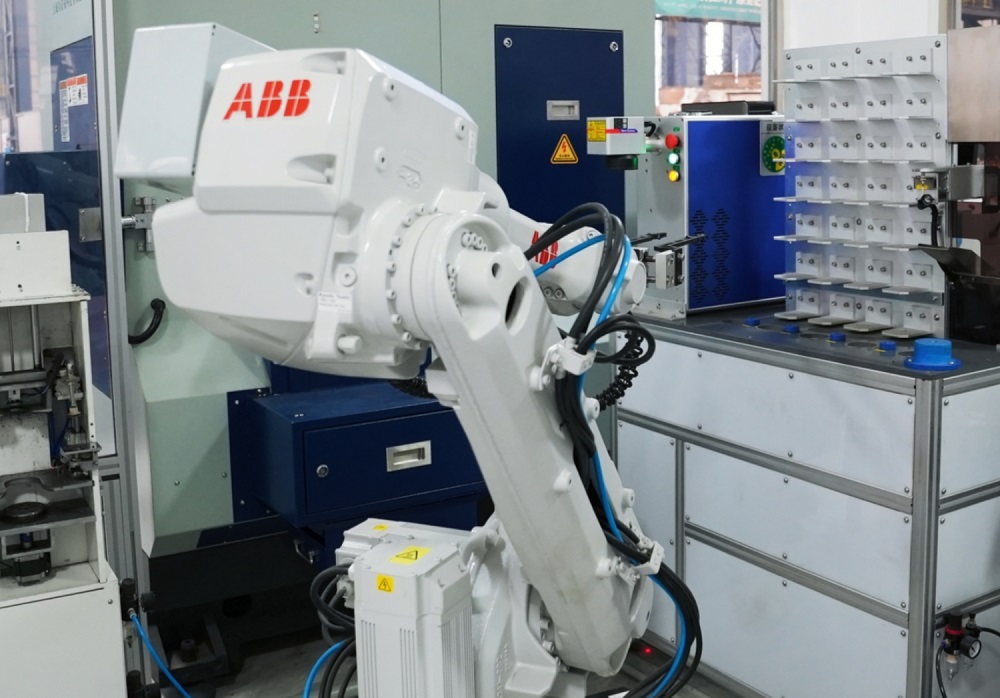
Our broader supply capability covers material preparation, forging, heat treatment, machining, testing, and logistics. The manufacturing proposal for your flange should identify which operations are included and where they will take place.
| Qualification item | Information to request |
| Contracting entity | Legal name corresponding to the quotation and intended purchase order |
| Manufacturing location | Site proposed for the component, rather than a group-level address alone |
| Process responsibility | Location and responsible party for material preparation, forming, heat treatment, machining, and examination |
| External operations, if proposed | Operation, responsible organization, and any approval needed under your purchasing requirements |
| Change control | Changes in location or process responsibility requiring your review before implementation |
If your approval applies to a particular site or process, state that boundary in the qualification documents. A change in the proposed manufacturing location can then be reviewed against the approval actually granted.
Review Certificates Against Their Holders and Scope
Please send the certification requirements from your purchasing specification or supplier approval procedure. Identify any requirement tied to a manufacturing site, product category, material, examination, or issuing body.
For document review, we can address the certificates relevant to the proposed scope. The qualification record should retain the certificate holder, covered location, scope, and validity details—not just the certificate logo or issuing organization.
| Document category | What to verify |
| Management-system certificate | Holder, covered sites, certified activities, standard, and validity |
| Manufacturing or product approval | Approved organization or site, product or material coverage, limitations, and validity |
| Laboratory accreditation | Accredited laboratory and the scope relevant to the requested tests |
| Personnel qualification | Applicable method, qualification level, validity, and relevance to the assigned work |
| Order-specific inspection record | Part or material identification, specification, results, and required review or release |
Our quality and testing resources include metallographic examination, spectral analysis, mechanical property testing, and nondestructive testing. The required methods, coverage, acceptance criteria, and records for a flange order remain subject to the purchasing specification and technical agreement.
A certificate accepted for one product or production location should not be applied to another without checking its scope. Laboratory accreditation also requires a scope check against the proposed tests. Material reports and dimensional inspection records belong in the order documentation rather than the product approval category.
Where a required certificate does not clearly cover the intended flange, leave that qualification item open until applicability is confirmed.
Review the Flange Factory Against Your Technical Requirements
If your supplier approval process includes a factory review, send the agenda with the component family and proposed scope. The review can then address the production stages and evidence relevant to the order.
For a large flange program, useful review topics include:
The proposed forming and machining resources for the component section.
Material identification through the agreed manufacturing stages.
The heat-treatment condition and required processing records.
Inspection access and the condition of the part at examination.
The dimensional requirements completed before shipment.
Handling of deviations and buyer approval points.
Use a qualification record that connects each requirement to evidence and an open-action status.
| Requirement | Evidence to review | Close-out question |
| Comparable manufacturing experience | Relevant completed references and available technical details | Which order characteristics have been demonstrated, and which remain unconfirmed? |
| Proposed production scope | Manufacturing location and process allocation | Are all required operations assigned? |
| Certificate applicability | Current documents and scope details | Do the documents cover the proposed site and activity? |
| Inspection capability | Proposed methods, resources, and report requirements | Can the specified acceptance requirements be addressed? |
| Order readiness | Agreed drawing revision, technical deviations, and approval status | What remains open before production release? |
Keep qualification approval separate from price acceptance. Engineering and supplier-quality teams can use the record to close technical items while procurement reviews the commercial offer.
Carry the Approval Boundary Into the First Order
Before the first purchase order, connect the supplier approval to the actual flange scope. Identify the approved entity and site, applicable component family, agreed technical documents, and any conditions attached to approval.
For the first order, ask us to address unresolved items in the technical response. These may include a machining operation outside the initial proposal, a test requirement needing clarification, or a document review point before production proceeds.
If your organization requires first-order inspection or additional review, include it in the inquiry. Specify what must be submitted, who reviews it, and whether work can proceed before acceptance. Any later change affecting the approval boundary should return to the designated reviewer.
Discuss Your Flange Manufacturing Qualification
Qualifying a forged flange manufacturer in China requires a match between the proposed order, demonstrated manufacturing experience, and the factory and documents supporting the supply. Comparable project references establish a starting point; the drawing review and qualification close-out establish the scope for your component.
To begin a manufacturing capability review, contact Iraeta or email your flange drawing and supplier approval requirements to ebiz@iraeta.com. Include the material specification, expected quantity, target schedule, and any site-specific or certification requirements. If you have an existing supplier questionnaire, attach it so the technical and qualification items can be addressed together.


Recommended reading
Unlocking the Secrets of Forging: The Performance Code of Classic Processes
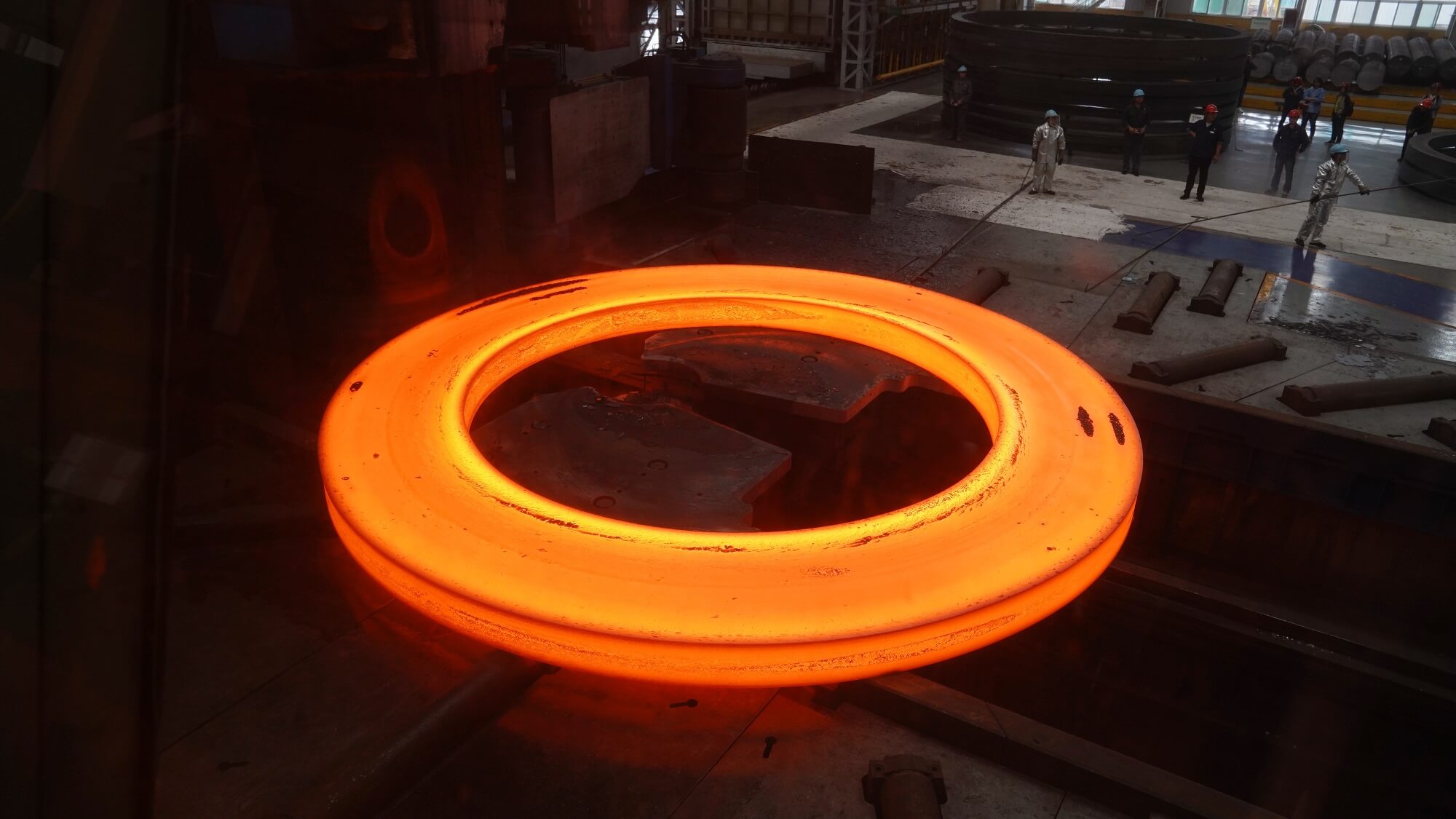
Must-Read for Ring Forging: Advantages and Applications of the Forge-Rolling Process
Open-Die Forging vs. Ring Rolling: Helping You Choose the Optimal Forging Process